
Key Takeaways
Understanding the reverse side of a coin offers a deeper perspective on numismatics and historical narrative. This article provides a comprehensive overview of how these pieces are identified and categorized.
- The reverse face of a coin is commonly known as the tails side.
- Reverse designs were historically used to solidify national identity.
- Denominations and symbols are primary features of the reverse side.
- Mint marks provide critical information about a coin’s origin.
- Collectors prioritize the condition of the reverse when grading.
The formal terminology for the tails side
Defining the reverse
The reverse is the specific side of a coin that experts commonly associate with the denomination or distinct artistic imagery. While casual observers might refer to this as the tails, those studying the Anatomy of a Coin utilize precise language to distinguish between the two faces of the object. This side provides a canvas for artistic expression and economic information that complements the primary subject on the opposite side.
Differences between obverse and reverse
Distinguishing these sides requires looking at their traditional functions and designs. People often look at the obverse and reverse to determine the intent behind a coin’s creation. While the obverse is generally the face side representing a leader or national icon, the reverse holds significant symbolic weight regarding the nation’s values or currency standards.
Numismatic naming conventions
Professional collectors rely on standardized terms to keep their inventories accurate and clear. By mastering the Anatomy of a Coin, one learns that naming conventions are not merely academic but essential for communication. When these terms are used correctly, they prevent confusion during transactions or cataloging exercises.
Historical evolution of coin design
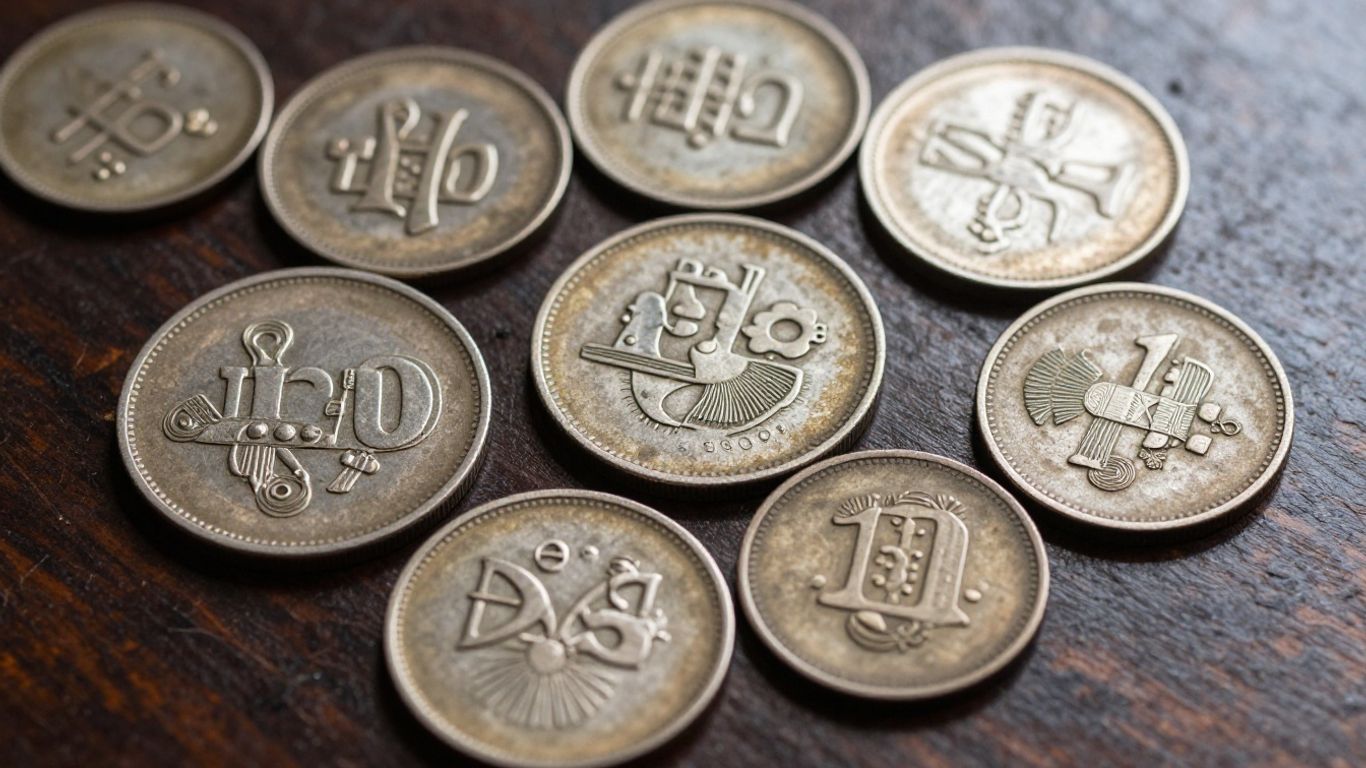
Ancient versus modern reverse imagery
Ancient coinage frequently utilized the reverse to commemorate military victories or religious figures through intricate hand-carved dies. In contrast, modern design favors industrial precision and consistent aesthetics, though the conceptual goal of using the surface for narratives remains unchanged. Throughout history, these changes have reflected the fluctuating artistic priorities of the issuing authorities.
Symbolism and national identity
Governments use the space on the reverse to cement their identity through specific cultural markers or regional flora and fauna. By incorporating these symbols, they convert pieces of metal into tangible representations of sovereignty. This approach ensures that every transaction reinforces the nation’s unique heritage to the user.
How denominations influenced the reverse
Early monetary systems mandated that the value be displayed clearly, which often dictated the size and complexity of the reverse. Over time, as economic standards stabilized, the focus shifted from pure utility to more elaborate aesthetic choices. Today, we see a blend of traditional values and modern technological engraving methods.
Regional variations in coin terminology
British versus American English differences
The vernacular surrounding currency varies between nations, leading to occasional ambiguity in global coin collecting. While American speakers might focus on "tails," different regions have unique historical descriptors for the back of a piece of currency. Learning these international variations is a necessary step for anyone aiming to become an experienced numismatist.
Global perspectives on coin imagery
Different cultures approach the reverse side with varying priorities, ranging from strictly functional layouts to ornate national art. This diversity highlights how decentralized decision-making processes result in a wide spectrum of circulating currency designs. Understanding this range helps collectors appreciate the global scope of this hobby.
Translating coin terms across languages
Navigating currency study requires the ability to map technical concepts across diverse linguistic landscapes. When reviewing global collections, it becomes apparent that the standard labels used in Europe might not apply identically to those in Asia or the Americas. This creates a rich complexity that keeps the study of money relevant to historians and social scientists alike.
Common elements found on the reverse side
Denomination markings
Perhaps the most practical purpose of the reverse is to display the numerical worth of the coin. This indicator must be legible to prevent errors in trade during daily commercial activities. It serves as the bridge between basic metal components and the economic reality of the money in circulation.
Mint marks and their significance
Mint marks denote the precise facility where a coin originated, which can drastically alter its scarcity and valuation. Collectors often analyze these marks to identify unique variants that might have arisen due to specific manufacturing conditions at a particular site. These tiny identifiers are a core component of the Anatomy of a Coin.
Artistic engraver initials
Many prestigious coins feature the subtle initials of the artist who designed the die, identifying the creator behind the work. This practice invites appreciation for the fine craftsmanship required to produce legible images on such a small scale. Recognizing these marks is key to fully identifying the Anatomy of a Coin.
Below is a brief reference table regarding the common components found on the reverse:
| Component | Primary Function | Significance |
|---|---|---|
| Denomination | Indicates value | Economic utility |
| Mint Mark | Shows location | Rarity tracking |
| Artist Initials | Designer identification | Artistic credit |
The role of the reverse in coin collecting
Grading the quality of the reverse
When evaluating a piece for its condition, the reverse of the coin contributes significantly to the final grade assigned by professional services. A heavily worn or scarred reverse will lower the market appeal, even if the obverse remains in pristine condition. Experienced collectors know that a thorough audit of both sides is mandatory for high-quality acquisitions.
Common errors unique to the tails side
Manufacturing defects such as misalignment or partial strikes are frequently observed on the reverse due to the pressures involved in the minting process. These errors are prized by certain individuals, as they document specific technical failures that occurred during a particular production run. The table below lists some standard grading criteria for collectors:
- Examining surface for scratches or marks
- Verifying detail clarity on the central device
- Assessing edges for consistency with the design
- Checking for proper centering of the imagery
Why collectors preserve specific reverse designs
The historical weight of a particular reverse can drive demand independently of the coin’s metallic content. Collectors seek pieces that represent significant social changes or stylistic shifts in the national record. Preserving these designs ensures that the tangible story of the nation’s currency survives for future research.
Legal and manufacturing aspects of the reverse
Legislation governing coin design
Government statutes strictly control what can be appearing on both sides of a coin to ensure public trust and standardized value. Any proposed change to the design requires formal authorization, often involving legislative bodies or the Treasury. These legal frameworks prevent unauthorized individuals from tampering with the monetary system.
Die production and the reverse side
Creating the die that strikes the reverse involves advanced metallurgy and design work to ensure the image transfers correctly to the metal. Because dies wear out with use, new ones must be fabricated periodically, leading to minor variations in physical appearance. This cycle of production is central to the life of every coin.
Standardizing designs for circulation
Efficiency in modern commerce relies on the ability for populations to recognize coins quickly based on uniform physical traits. This tails side terminology coins standard helps to speed up banking and consumer transactions. By keeping these elements predictable, the government safeguards the smooth operation of the economy.
Conclusion
Throughout this analysis, the reverse side of a coin acts as a primary document for both economic and social history. Moving beyond basic labels, the design elements found on the tails face provide profound insight into the priorities and artistic heritage of the issuing nation. Mastering these nuances enriches the experience of every collector who handles these pieces.
Frequently Asked Questions
What is the primary purpose of the reverse side?
The reverse side typically serves to identify the denomination of the coin, which is a required piece of information for its circulation as legal tender.
How do mint marks affect the coin value?
Mint marks specify which facility struck the coin and, if a specific facility produced a limited supply, the coin is often more valuable to collectors.
Is the obverse always the heads side?
Yes, the obverse is traditionally called the heads side because it generally displays a portrait of a prominent individual or national figure.
Why do coin designs change over time?
Designs change due to new legislative mandates, changes in the national leadership, or anniversaries of significant events that the government wishes to commemorate.
What are dentils on a coin?
Dentils are the small, tooth-like patterns located along the interior rim of many coins that serve both functional and aesthetic purposes.
How should I store my coin collection?
Coins should be kept in acid-free envelopes or certified holding cases to prevent environmental damage and preserve their original surface quality.
Do all coins have a date on the reverse?
While some historical coins place the date on the reverse, most modern coins position the date on the obverse alongside the portrait.