
Key Takeaways
Understanding the condition of a coin requires analyzing the life cycle of the metallic stamps used to create it. Collectors can identify high-value pieces by carefully examining surface details and die-specific markers:
- Die states track the gradual wear of minting tools over thousands of strikes.
- Early dies display sharp, crisp relief features and clean, mirror-like fields.
- Flow lines and rounded detail indicate advanced die degradation.
- Micro-cracks help establish the chronological sequence of striking for specific dies.
- Professional attribution assists significantly in verifying authentic early strike markers.
The meaning of die state in numismatics
Die state refers to the chronological progression of a minting die from its pristine initial use to its eventual retirement. As a die strikes thousands of planchets, the pressure and heat create microscopic changes on the surface of the stamp, which are subsequently transferred to every coin. Numismatists study these changes to determine when in the production run a coin was struck, as early die characteristics coins are inherently different from those struck near the end of a die’s life. This process is essential for understanding historical production cycles and verifying the authenticity of rare specimens.
Defining die progression and wear
Die progression describes the transformation of the die face from perfect factory state to extreme fatigue. At the start, the die possesses sharp edges and deep recesses that capture every detail of the master hub design. As friction accumulates, the die slowly begins to wear down, often resulting in subtle changes that numismatists track through careful study of variety attribution services. These records provide a framework for classifying the lifespan of a specific die pair.
Primary versus secondary die changes
Primary changes originate from the intended design, whereas secondary changes are accidental alterations acquired during the minting process. While researchers often focus on the artistic intent of historical coinage designers, practitioners must distinguish these from marks caused by die clashing or localized stress. Recognizing the difference ensures that collectors do not confuse a planned design element with unintended technical degradation.
How minting pressure influences surface detail
High-pressure strike environments ensure that metal flows into every nook of the design, which is most effective when the die is new. If the pressure is uneven, the resulting coin may show partial strikes or weaknesses that differ from standard wear patterns. Consider these primary factors when evaluating how mechanical stress manifests on the coin surface:
- Die placement alignment relative to the planchet axis.
- The consistency of pressure applied by the minting press.
- The hardness and composition of the alloy being struck.
- Thermal expansion properties of the die steel during heavy use.
After evaluating these mechanical influences, it becomes clear why consistency remains the hallmark of early production runs compared to later, overworked dies.
Identifying early die state markers
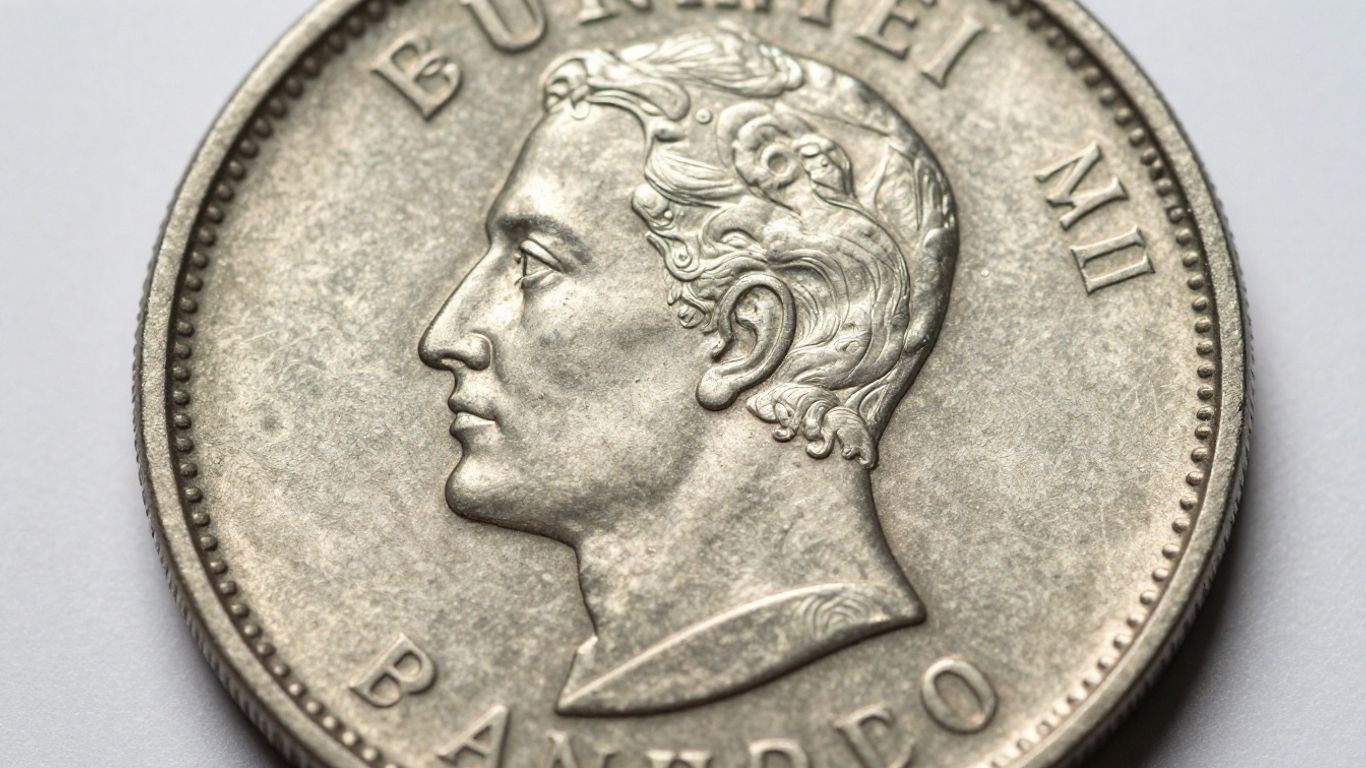
Early die state markers are the physical indicators that a coin was minted during the initial service life of the die. These coins are often prized for their aesthetic quality, as the metal surfaces lack any signs of the fatigue that appear after significant use. Experts often use die matching techniques to identify these traits, looking for a lack of visual noise or radial stress lines in the fields of the coin. The presence of these specific markers provides confidence in the early origin of the strike.
Sharpness of high-point relief
High-point relief on an early die coin should appear razor-sharp, with clearly defined borders between the design and the field. Because the die has not yet undergone significant softening, the edges of these reliefs remain crisp and distinct. Collectors often observe that shadows fall naturally across the relief, indicating full metal transfer from the die to the planchet.
Absence of radial flow lines
Flow lines are fine, hairline scratches that radiate from the center of the coin toward the rim, caused by the outward movement of metal under the die. Their total absence is a primary indicator of a very early strike. When these lines are missing, the background of the coin remains smooth, often retaining a lustrous, mirror-like finish that reflects light evenly across the entire surface.
Crispness of peripheral lettering
Peripheral lettering serves as a reliable indicator because it is usually the first area to show signs of rounded or "mushy" edges during die wear. On an early strike, the serifs of every letter should be sharp and well-defined, showing no evidence of horizontal shift or metal creeping. This structural integrity confirms that the die was operating at peak precision.
Differences between early and late die states
Transitioning from early to late states marks a shift from pristine detail to obvious metallic exhaustion. As the die continues to operate, it begins to suffer from die deterioration, which creates distinct visual cues that alert the collector to the later status of the piece. Identifying these patterns requires a trained eye to distinguish between intended design and the byproduct of mechanical fatigue.
Detecting micro-cracks and stress marks
Micro-cracks often propagate near the high-relief features, acting as early warnings that the die is yielding to intense metallurgical pressure. These thin lines are not part of the design but are instead internal fractures within the steel face. For reference, the following table summarizes how these states affect visual clarity:
| Feature | Early Die State | Late Die State | Resulting Surface |
|---|---|---|---|
| Field Luster | Mirror-like | Dull/Granular | Loss of light reflection |
| Lettering | Sharp/Crisp | Puffy/Rounded | Reduced legibility |
| Rim Detail | Complete/Full | Softened/Missing | Faded transition edges |
By comparing these characteristics to the table above, one can easily see the impact of prolonged use on the overall clarity of the coin design.
Loss of field luster and fine detail
As the die surface loses its polished finish, the coins produced lose their distinct vibrancy. The reflective quality of the field is reduced, replaced by a duller texture that cannot catch light with the same intensity. This loss of fine detail often obscures tiny elements like hair strands or mintmarks that are vital for proper identification.
Impact of over-polishing on coin surfaces
Occasionally, mint workers would polish a die to remove small surface blemishes, which inadvertently creates a new die state. This process can remove the intended relief depth, making the lettering look flat or abnormally smooth. While this extends the die’s life, it alters the visual signature of the coin, creating a variation that is effectively different from an unpolished early strike.
The significance of early dies for rarity and value
Early dies often produce the most visually appealing coins, which drives higher premiums in the numismatic market. Because these pieces better represent the original intent of the coin designer, they are frequently sought after by specialists who value technical perfection. Understanding the market dynamics behind these strikes allows collectors to prioritize their acquisitions effectively.
Why collectors prioritize early strikes
Collectors prioritize early strikes because they represent the highest quality control output of the mint. A coin that exhibits perfect detail is historically significant, as it shows exactly what the designers intended when they first engraved the master hub. This high standard of quality makes such coins excellent candidates for long-term portfolio growth.
Assessing the price premium on "first strike" coins
"First strike" refers to the very beginning of the production run, where the coins exhibit the cleanest detail. While there is no strict technical limit on how many coins qualify, market demand often pushes the price of these specific specimens higher. The premium is justified by the lack of die-related flaws, ensuring that the coin represents the pinnacle of the mint’s capability during that year.
Distinguishing between intentional varieties and die wear
Distinguishing between a deliberate variety and mere die wear is a fundamental skill for any numismatist. A variety is a specific die configuration, often featuring unique lettering or design placements that were intended for that run. In contrast, die wear is an unintended consequence of repeated use. A keen eye ensures that rarity is assigned to the correct technical source, distinguishing a true mint-sanctioned variety from a coin that simply shows signs of extensive service.
Advanced techniques for analyzing die states
Analyzing die states requires more than just a quick look; it demands a structured approach to evaluation. By using professional magnification and light management, numismatists can reveal the hidden history behind a coin. Many experts rely on historical numismatic auctions data to cross-reference their findings, ensuring consistency.
Using magnification and macro photography
Magnification is a critical tool that allows for the inspection of surface textures that are invisible to the naked eye. Macro photography, in particular, captures subtle gradients of wear, making it possible to create a photographic history of a die’s life. This visual record is often the best evidence when debating the state of a die with other collectors.
Lighting angles to reveal hidden textures
Adjusting light angles is an art form, as it can hide or highlight specific surface anomalies. By moving a single light source, a collector can force micro-cracks or flow lines to cast small shadows, making them immediately apparent. This technique is indispensable for finding thin, hairline stress marks that suggest the die has already crossed into a late state of production.
Cross-referencing known die pairings and historical records
Comparison against historical logs allows a researcher to map the life of multiple coins from the same pair. By checking existing records, collectors confirm the rarity of their specific variety and its relative position in the production run. This process validates the provenance of the coin, elevating it from a simple piece of metal to a documented historical artifact for future study.
Conclusion
Mastering the study of die states transforms the experience of collecting from a simple hobby into a scientific endeavor of historical preservation. By scrutinizing the transition from early, crisp details to the characteristic wear of late-life stamps, collectors can better appreciate the craftsmanship inherent in every minted piece. The pursuit of early die examples is not merely about finding the most beautiful specimen, but about securing a piece of evidence that tells a clearer story of the minting process itself. With the right techniques and a sharp eye for surface markers, you can confidently navigate the nuances of coin production and identify the lasting value in each strike.
Frequently Asked Questions
How can I tell if my coin was struck from an early die?
Look for extreme sharpness on high-relief design elements and a mirror-like finish in the fields, as these are the strongest indicators of an early die state.
What do radial flow lines look like on a coin?
Radial flow lines appear as thin, hairlike scratches that originate from the center of the design and move outward toward the rim, resembling a faint sunburst pattern.
Are early die strikes always more valuable than late die strikes?
Yes, typically early die strikes carry a premium because they preserve the clearest, most intended details of the design before the die begins to degrade.
Does die wear count as a coin error?
Die wear is generally considered a normal part of the production cycle, whereas specific, abnormal deformations known as soft die errors can be classified as legitimate mint errors.
Can die matching help prove a coin is authentic?
Absolutely, by comparing your coin to known die characteristics and historical pairings, you can confirm whether the strike matches legitimate production standards for that issue.
Why do mints use a die until it shows signs of wear?
Replacing dies is a costly and time-consuming process, so mints often use them beyond their prime to maximize industrial output and efficiency.
What is the difference between a variety and a die state?
A variety refers to an intentional or distinct die pairing, while a die state tracks the mechanical condition and level of fatigue regarding the same die during its service life.