
Key Takeaways
Learning to identify surface abnormalities is essential for any numismatist. This guide highlights the key diagnostic features that separate common mint errors from genuine die varieties.
- Mechanical doubling involves the displacement of surface metal during the strike.
- True doubled dies are created during the hubbing process, affecting the die itself.
- Identification relies on spotting shelf-like features that reduce actual device size.
- Most mechanical doubling commands no premium compared to significant die varieties.
- Proper magnification remains the most reliable tool for evaluating coin errors.
Understanding the fundamentals of mechanical doubling effects on coins
Definition of machine doubling in numismatics
When collectors first encounter unusual doubling on a coin, they often wonder if they have discovered a significant minting error. Researching Error-Ref.com helps clarify that machine doubling, also known as strike doubling, is a common surface phenomenon. It is essentially a byproduct of the physical action of the coin press rather than a genuine variety originating from the die.
The relationship between the minting process and striking errors
Modern coinage production relies on incredibly precise mechanical forces to replicate thousands of designs per hour. When the mechanics of the press slightly lose their alignment in a micro-second, the result is often mechanical doubling effects coins encounter during their creation. This inconsistency occurs when the die fails to seat perfectly against the planchet, leaving marks that mimic doubling.
How vibration contributes to secondary design movement
High-speed machinery creates significant kinetic energy that can propagate through the coinage press frames. As dies interact with the planchets, unintended oscillations can occur, causing the die to shift slightly during the final milliseconds of the striking action. This vibration essentially creates a secondary impression, which pushes metal and creates uneven, flat edges on the coins’ design features.
Distinguishing mechanical doubling from doubled dies
Characteristics and origins of a true doubled die
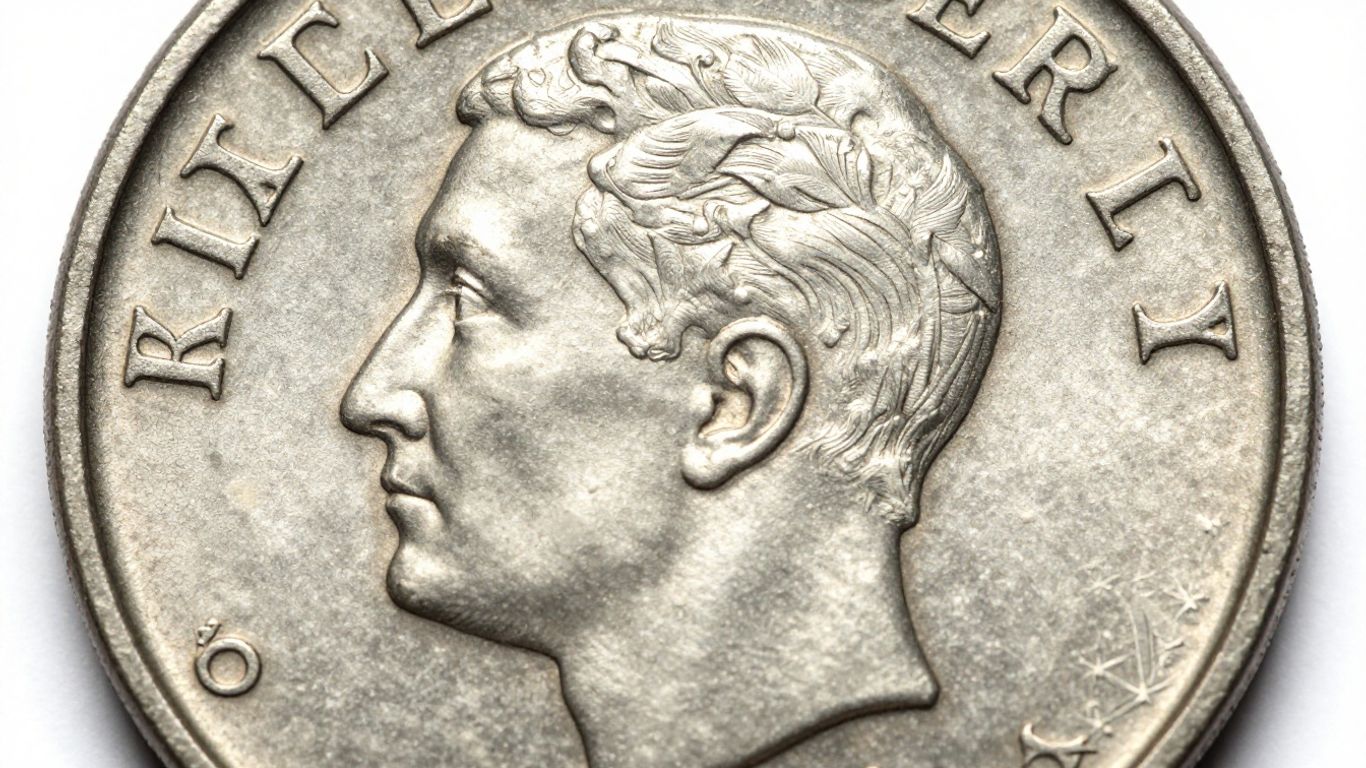
Understanding the distinction between a die variety and a mechanical error requires looking at where the mistake happened. According to Mint Error News, a true doubled die is created during the die-making phase itself, meaning the doubling is impressed into the die and transferred to every coin it strikes. This is fundamentally different from a single, isolated mechanical error.
Comparing relief profiles and character sharpness
True doubled dies typically feature distinct, rounded, and full-sized duplicate images within the affected design elements. In contrast, mechanical doubling shows flat, shelved appearances where the metal has been pushed aside. The relief on a doubled die looks intentional and clean, while mechanical damage often looks smeared or incomplete.
Why the distinction between error types matters to collectors
Distinguishing these types is essential for evaluating long-term portfolio growth in a collection. Collectors prioritize die varieties because their scarcity is tied to a specific hubbing event, which provides inherent value. Conversely, machine doubling is relatively common and rarely carries the collector premium found in authentic hubbed varieties.
How to identify mechanical doubling on your coins
Analyzing the flat, shelf-like appearance of characters
During a careful inspection, users should look for the tell-tale shelf-like edges on letters and numbers. These edges occur when the die shifts after an initial strike, shaving off a tiny portion of the already-formed design. This diagnostic feature is a primary, objective indicator of mechanical movement.
Examining the reduction in size of design elements
Mechanical doubling reliably alters the physical dimensions of the characters on a coin. Because the die effectively ‘pushes’ out of the way, the original device size is almost always reduced slightly. To better understand these features, look for these common indicators:
- Horizontal shifting of the primary letters.
- Sharp, flat ridges reflecting metal displacement.
- An absence of rounded, full-height duplication.
- Varying degrees of impact across the coin face.
Using magnification to detect the presence of shear lines
High-powered magnification will often reveal the physical traces of metal stress created when the die shifts. These shear lines are micro-grooves left behind by the die’s lateral movement. If these lines are present, it strongly confirms that the doubling was caused by the press and not by a hubbing oversight.
The impact of mechanical doubling on coin value
Is machine doubling considered a rare or valuable error?
Because machine doubling occurs randomly and frequently, it generally represents a novelty rather than a rare error. As discussed on Coin Talk, collectors typically avoid paying premiums for these coins. Value-conscious investors often seek coins with distinct and recognized provenance, which mechanical doubling lacks.
Market perception of damaged versus doubled coins
Many collectors categorize mechanical doubling as a form of mint-originated damage rather than a legitimate variety. The secondary image created by this process is often weak and unattractive compared to the high-relief clarity of a true doubled die. Market demand remains consistently higher for coins struck from a verified doubled master die.
Determining when mechanical doubling might command a novelty premium
While market value for these coins is generally low, there is occasionally a small, niche interest from collectors who enjoy accumulating various striking anomalies. The table below provides a quick professional assessment for comparing these common error types.
| Feature | Doubled Die Variety | Mechanical Doubling |
|---|---|---|
| Origin | Die Hubbing Process | Mint Press Instability |
| Appearance | Rounded, Full Design | Flat, Shelf-like Edges |
| Frequency | Very Rare | Very Common |
| Value Potential | High Premium | None to Minimal |
The technical causes of mechanical doubling during production
The influence of loose dies during the striking sequence
During the production process, if a die assembly is not tightened to exact specifications, a looseness occurs within the press. This play allows the die to move or ‘float’ while hitting the planchet, resulting in secondary design movement across the entire surface of the coin. Over time, heavy production volume increases the risk of these components shifting.
How mint press speed impacts die movement
High-speed minting is a feat of engineering, but it necessitates extreme precision. If the timing of the ram and the feeding of the planchets are imperfect, the pressure exerted can cause unnecessary stress at the end of the strike. The faster the press operates, the more frequent these micro-vibrations become during the striking sequence.
Variations in how doubling manifests across different coin series
Different coin series require varying pressures to properly impress the metal designs. Larger coins, such as those with larger diameters or different metal alloys, exhibit mechanical doubling in ways that differ from smaller denominations like the standard cent.
Best practices for evaluating potential coin abnormalities
Utilizing proper lighting and magnification tools
Evaluating coin features requires controlled, side-angled lighting. This lighting technique casts shadows along the edges of the characters, making it much easier to detect shelf-like features versus genuine doubling. Using a high-quality jeweler’s loupe or a digital microscope is essential for accuracy.
Consulting professional coin attribution resources
Collectors can build their expertise by engaging with the Lincoln Cent Forum, which provides a deep library of knowledge on various minting errors. Using reliable forums and expert-run databases prevents the common trap of misidentifying worthless mechanical strikes as rare varieties.
Documenting unusual findings for expert review
When keeping an inventory or preparing for a professional evaluation, maintain detailed photographic records of your findings. High-resolution images taken under different light angles can assist experts in providing a definitive attribution if you believe the coin might contain a specific, rare error type.
Conclusion
Distinguishing between mechanical doubling and valuable varieties is a fundamental skill that everynumismatist should strive to cultivate. Although the allure of finding a rare, unintentionally doubled coin is high, understanding the technical realities of the minting process allows for more informed collection and acquisition decisions, ultimately leading to a more stable and meaningful long-term collection.
Frequently Asked Questions
Does machine doubling ever increase a coin's value?
No, machine doubling is generally considered common and does not increase the numismatic value of a coin.
How can I distinguish between a doubled die and machine doubling?
A doubled die shows clean, rounded, and full-dimension doubling, whereas machine doubling typically displays flat, shelf-like, and distorted features.
Is machine doubling considered a defect?
Yes, it is classified as a mint-originated error or damage, but it is not technically a variety of interest to most collectors.
Can machine doubling occur on both sides of a coin?
It is possible for machine doubling to appear on either surface of a coin, depending on how the die shifted during the striking process.
Is there a difference between ejection doubling and machine doubling?
Ejection doubling is actually a specific, less common sub-type of machine doubling that occurs when the coin sticks to the die during the ejection process.
Do professional grading services authenticate machine doubling?
Grading services acknowledge its presence as a mechanical issue, but they usually label it as an error of no additional value for slabbed coins.
Should I hold onto coins with significant machine doubling?
Most traders typically spend these back into circulation, keeping them only if they find the appearance particularly interesting for a study collection.