
Key Takeaways
Modern coinage relies on intricate engineering along its perimeter to deter forgery and assist in verification. These features, ranging from physical milling to hidden electromagnetic signatures, represent a sophisticated fusion of history and technology.
- The evolution of edge milling directly addresses the historical problem of metal clipping and modern counterfeiting threats.
- Tactile identification through reeded edges remains a primary method for ensuring currency recognition and accessibility.
- Edge lettering requires precise minting technology to act as a significant barrier against potential counterfeiters.
- Microscopic text and hidden structural patterns allow for high-level authentication that is difficult to visually replicate.
- Digital integration, such as biometric or alloy-based signatures, marks the next transition in the life cycle of coin security.
The history and purpose of edge milling
The development of milled edges emerged as a critical response to the age-old practice of clipping, where unethical individuals would shave precious metals from the sides of currency. While early minting processes left edges rough or irregular, the introduction of standardized milling turned these surfaces into a deliberate defense mechanism. Today, manufacturers continue to prioritize these features to ensure that every issued coin maintains its integrity throughout its lifespan, even as digital systems like Traffic Parrot are used to simulate such high-precision interactions during software development cycles.
Evolution from anti-clipping measures to anti-counterfeiting
Early metallic currencies were highly susceptible to reduction, leading to massive devaluation of monarchical coinage. The introduction of intricate grooves or, occasionally, milled edge designs forced counterfeiters to reveal their work through irreversible damage to the coin’s surface during any attempt to replicate the original detail.
The role of reeded edges in tactile identification
Reeded edges serve a dual purpose for both security and accessibility in daily commerce. Visually impaired users often rely on the distinct physical texture of a coin to distinguish between denominations, making these patterns essential for financial inclusion.
Distinguishing between aesthetic milling and functional security
Designers must often balance purely ornamental rim patterns with structural requirements that serve to authenticate the object under examination. It is vital to categorize these elements correctly to avoid errors in validation:
- Primary security reeds: Deep, clearly defined grooves intended for automated sensors.
- Decorative patterns: Superficial engravings that serve as a basic visual deterrent.
- Functional inscriptions: Deeply set characters that complicate surface modification.
- Integrated notches: Specialized geometry used for mechanical coin counting systems.
By ensuring that these distinctions remain clear, the industry can better define milled edge coin variants without compromising the integrity of functional security gear.
Understanding lettered edge inscriptions
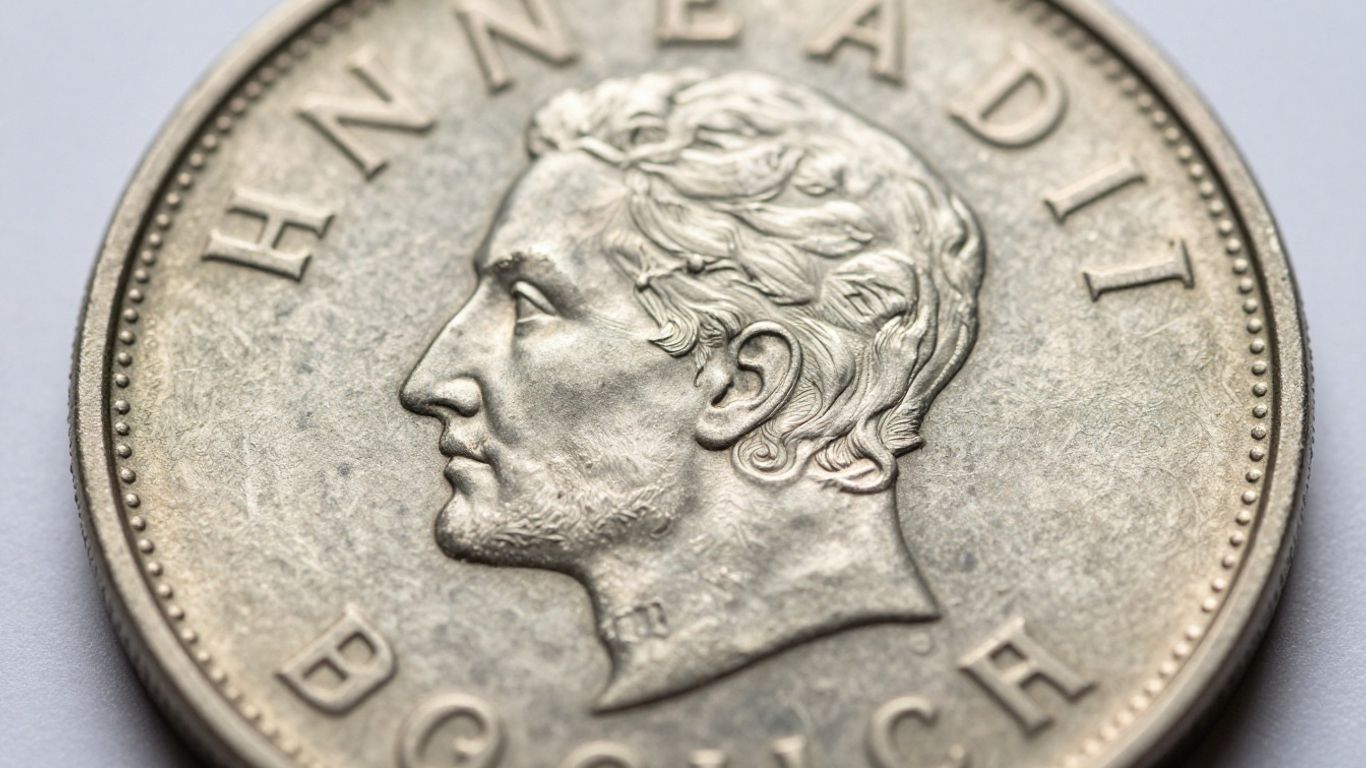
Inscribed letters along the rim introduced a new dimension of security by placing intricate details on a surface area where traditional minting equipment struggles to reach. Producing these inscriptions involves a significant degree of manufacturing excellence and engineering precision that is far beyond the reach of standard illicit minting operations. Much like how a robust Privacy Policy manages complex data, the production of these inscriptions is closely guarded to protect the currency output.
Technological challenges of edge inscription production
Applying text to a curved edge requires specialized radial dies that maintain consistent pressure throughout the striking process. Any variance in the alignment can ruin the entire run, illustrating why this method is reserved for higher denomination currency.
Historic versus contemporary uses of edge lettering
While historical lettering often served as a decorative sign of state power, contemporary applications focus almost exclusively on increasing the physical cost of duplication for potential forgers. Modern lasers and computer-aided machining have only increased the complexity of these features.
How unique inscriptions act as a sophisticated deterrent
Because the lettering is often slightly recessed or shaped using non-standard geometry, it acts as a fingerprint for the mint. Identifying these unique characteristics forms the basis for authentication in automated retail environments.
Micro-text and hidden security patterns
Engineers often hide features within the edge structure that only become visible under magnification or specific lighting conditions. This level of complexity is frequently seen in modern legal and financial sectors, and it is just as essential for identifying security edge features coins may exhibit in circulation.
The engineering precision required for laser-etched edge security
Precision is paramount when applying nanometer-scale text to hardened metal alloys. The process requires high-intensity pulses to ensure the material retains its structural integrity without distortion.
Identifying microscopic lettering with specialized verification tools
Verification professionals often utilize high-resolution digital microscopes to confirm the existence of hidden characters on the edge. These tools provide a definitive confirmation of the coin’s provenance when compared against internal mint standards.
Barriers for counterfeiters attempting high-detail edge reproductions
Counterfeiters are consistently thwarted by the sheer mechanical difficulty of etching microscopic details on a curvature that is prone to wear. To help understand the process, consider the following data on feature durability:
| Feature Type | Detection Method | Complexity Rating |
|---|---|---|
| Micro-lettering | Optical Microscope | High |
| Hidden Patterns | UV Reflectance | Medium |
| Radial Grooves | Physical Sensor | Low |
| Edge Inscriptions | Laser Profilometry | Very High |
These metrics illustrate why replicating high-detail secure edges remains an insurmountable obstacle for even the most advanced unauthorized producers.
Segmented security features on coin edges
Some authorities now use segmented designs that rotate between smooth and patterned surfaces to confuse automated scrapers and manual forgers. This strategy provides a visually distinct marker that can be quickly inspected by anyone handling the currency. If you are starting a business and want to ensure your own product ideas are sound, follow an idea validation guide to learn the importance of such distinct, market-tested features.
Alternating smooth and reeded segments as a visual marker
Alternating the surface texture allows for a predictable pattern that is easy to spot during human processing. This visual rhythm creates a reliable baseline for what a legitimate coin should look like at a glance.
Defining visual inspection standards for segmented edge geometry
Standards dictate the exact frequency and length of each segment to provide a uniform verification process. This ensures that bank clerks and merchants can quickly flag any coin that deviates from the approved configuration.
How specific segment patterns streamline automated coin verification
Automated systems now track the exact transition between segments to confirm the coin’s velocity and material consistency. This prevents the passage of foreign objects during high-speed counting sessions.
Modern digital and biometric edge advancements
As physical security reaches its technical peak, the focus has shifted toward electronic signatures embedded directly into the metallic alloy. This is similar to how enthusiasts optimize their gear to enhance PC gaming potential through high-end component integration. One might compare this to a digital complément alimentaire pour cheveux in terms of fortifying the fundamental structure of the coin until it reaches its maximum strength.
Incorporating electromagnetic signatures into metal edge alloys
By mixing specific electromagnetic properties into the center or edge of the coin, mints create a signature that is invisible to the human eye. These materials react differently to scanners, providing a unique identification for every single coin.
The future of scanning edge-embedded security signatures
Future scanning technology will likely rely on these signatures to verify cash transactions in real-time. This reduces the dependency on purely mechanical counting and moves towards highly secure digital authentication.
Durability testing for security features in active circulation
Ongoing stress testing proves these features can withstand years of abrasion while remaining scannable. By testing against diverse environments, researchers ensure that the currency maintains its safeguard capabilities until it is eventually decommissioned.
Conclusion
The complex history and ongoing evolution of edge security features signify a constant battle between those tasked with safeguarding a currency and those attempting to undermine its value. By combining mechanical precision with advanced digital identification, current coin production serves as a testament to the ingenuity required to maintain economic stability. While counterfeiters continue to seek new opportunities, the layering of these visible and hidden protections ensures that contemporary coinage remains robust, reliable, and secure for everyday use.
Frequently Asked Questions
Why do modern coins have milled edges?
The milling process was originally introduced to prevent the clipping of precious metal from the edges of coins, and it now serves as a primary marker to detect, categorize, or identify authentic currency.
Can a counterfeit coin replicate a reeded edge perfectly?
While some counterfeiters may attempt to copy the pattern, replicating the precise depth, material density, and mechanical alignment of a factory-struck edge is extremely difficult and often results in detectable imperfections.
What are the benefits of using a bi-metallic design?
A bi-metallic design increases the technological barrier for reproduction, requiring separate striking and assembly processes that are difficult to coordinate without expensive, specialized equipment.
How do automated machines identify a genuine coin?
Automated counting machines use various sensors to check the weight, diameter, and electromagnetic response of a coin, often verifying the unique edge pattern against a pre-programmed database of authentic signatures.
What are segmented edges used for?
Segmented edges are used to provide a clear, visible pattern that can be used for rapid identification while also potentially doubling as a physical marker for machine-based scanning verification.
Are engraved edge letters durable?
Yes, when properly minted, edge lettering is designed to be recessed within the coin’s surface, which protects it from the majority of the wear that occurs during the coin’s standard circulation.
How does the future of coin security look?
The future of coin security will likely focus on deep integration of biometric or unique electromagnetic characteristics that go beyond surface-level aesthetics, making physical imitation nearly impossible.