
Key Takeaways
Understanding the distinction between coinage anomalies is essential for any serious numismatist. The following points summarize the foundation of this field:
- Varieties are repeatable changes in a design due to modifications during die production.
- Errors are essentially unique, non-repeatable mistakes occurring during the minting process.
- Minting errors occur in phases like planchet preparation, striking, or die maintenance.
- Collector value typically relies on rarity, historical significance, and physical condition.
- Careful documentation and professional grading are necessary to confirm findings and provenance.
Defining the fundamental difference between varieties and errors
Distinguishing between these two categories requires an understanding of how coins are manufactured. While the terms are frequently misused, the fundamental difference lies in repeatability.
Origins of coin varieties in the minting process
Varieties are intentional or unintentional modifications to the design that are technically "repeatable" because the altered die strikes multiple coins. A variety may arise when a mint engraver alters a date, adjusts a mint mark location, or when a die undergoes hubbing multiple times, creating a distinct look that appears on all coins produced by that specific die. Discover the fascinating world of rare coins by recognizing that these traits are embedded into the metal right from the die phase.
How minting accidents create error coins
Minting accidents are unpredictable events that typically result in a unique object rather than a standardized change. These errors happen during the physical creation of the coin, such as when a blank planchet is misaligned, a foreign object is struck into the coin, or a die fails catastrophically. As noted by American Rarities, these anomalies often pique the interest of collectors because they represent a departure from the high-standard, exact design the United States Mint strives for.
Why the distinction matters for coin grading
Grading services place significant importance on whether a coin displays a documented variety or an accidental error. Understanding this distinction helps collectors focus their investment on items with proven historical provenance. When classifying errors, it is important to remember that significant differences from the norm drive value, whereas minor deviations within mint tolerance are generally ignored by serious appraisers.
Identifying common types of coin varieties
Details about doubled dies
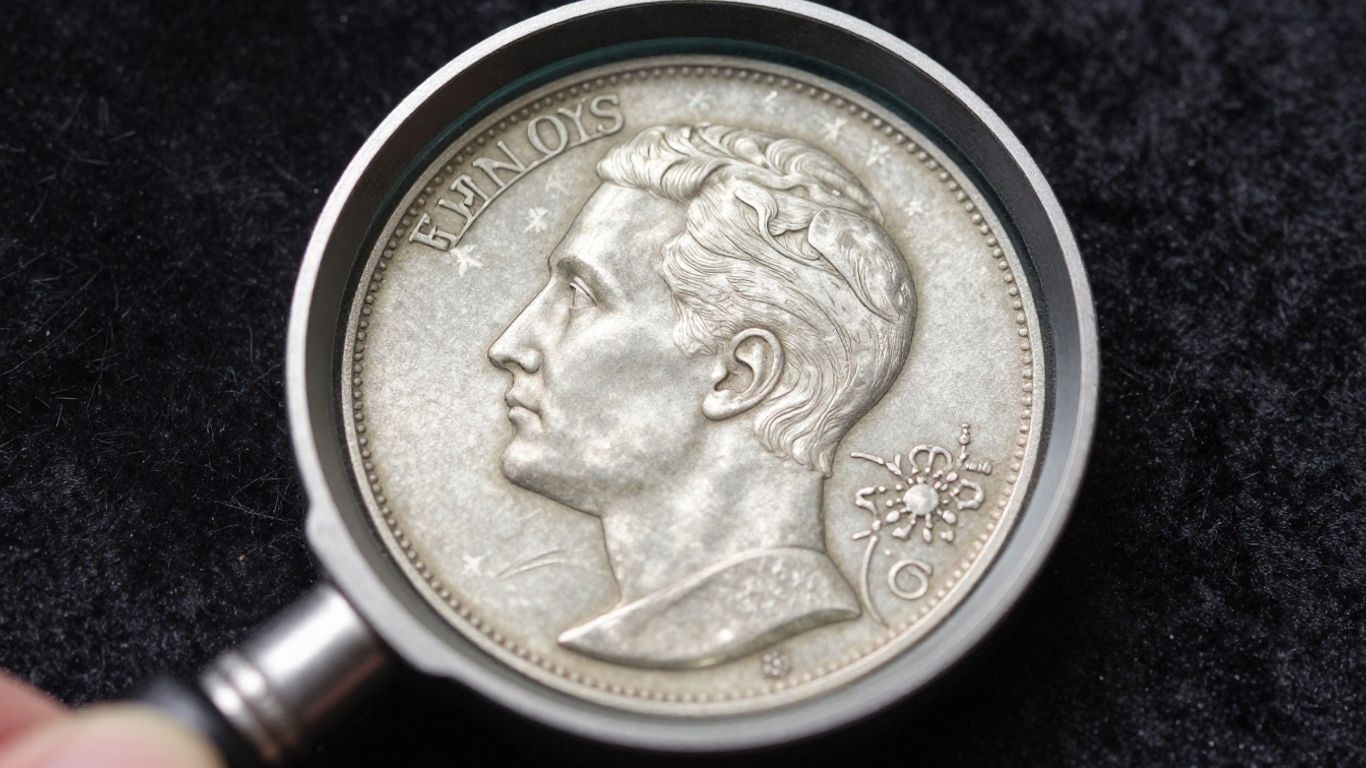
Doubled dies are perhaps the most famous variety, occurring when the die itself receives multiple imprints from the master hub that shift slightly. This creates a lasting double image on every coin struck by that die, making the feature a persistent characteristic of the coin type.
Understanding repunched mint marks
Before the late 1980s, mint marks were punched into dies by hand, leadings to instances where they were placed incorrectly and then punched again in the correct spot. Collectors often seek out these variations, as they function similarly to doubled dies but specifically affect the small letter identifying the production facility.
Recognizing overdates and their numismatic significance
Overdates occur when a die with an outdated year is manually corrected by punching a new digit over the existing one. These items are highly prized for their direct connection to the human labor involved in nineteenth and early twentieth-century minting, often serving as captivating historical artifacts for the modern collector.
Categorizing major types of minting errors
Physical planchet errors and clips
Planchet errors occur before the actual striking process begins, often affecting the metal disk itself. A common example is the clipped planchet, where a piece of the metal strip is missing before it reaches the press, resulting in an incomplete, crescent-shaped coin.
| Error Type | Description | Rarity |
|---|---|---|
| Broadstrike | Struck without a collar | Moderate |
| Off-center | Misaligned during impact | Variable |
| Die break | Raised metal feature | Common |
As explained by Jim’s Coins and Stamps, identifying these specific anomalies requires careful study of the metal flow around the missing or deformed sections.
Striking errors like off-center coins
The striking process is often the final stage where things can go wrong, leading to coins that are shifted during impact. When the collar fails to contain the planchet, the metal expands further than intended, creating broadstrikes or distinctively off-center designs that often lose part of the lettering.
Die-related errors such as cuds and cracks
Die-related errors involve the degradation of the die itself over time, which can lead to chips and cracks appearing on the resulting coins. A large die break near the edge, known as a cud, is often considered a significant error because it shows a prominent raised blob of metal, highlighting the mechanical stress of the press.
Evaluating the collector value of varieties versus errors
Market demand and historical interest in famous varieties
Famous varieties like the 1955 doubled die penny draw massive market interest due to their well-documented history. Because these items are repeatable, collectors can verify their status through established reference catalogs, ensuring a clear consensus on their provenance and scarcity.
Factors determining the price premium on error coins
- The visual prominence of the error on the coin’s surface.
- The rarity of the specific error type compared to others.
- Consistency in historical demand for that specific minting mistake.
- The condition of the coin at the time of discovery.
While some errors are unique, others occur in batches, and the price premium often hinges on this distinction. California Gold and Silver Exchange maintains policies regarding certified coins because grading provides the necessary validation for high-value error pieces.
The role of rarity and condition in independent appraisal
An independent appraisal considers both the technical rarity of the anomaly and the physical grade of the coin’s surface. High-grade examples of an error coin will always command a higher premium than heavily circulated, damaged equivalents, regardless of how unusual the error itself appears.
Using resources for proper coin attribution
Consulting variety-specific reference books and guides
Standard reference guides provide the foundational data needed to attribute most known varieties with high accuracy. These books contain detailed photographs and cross-comparisons that allow a hobbyist to match their coin against known, verified examples.
Utilizing online databases and community forums
Online resources offer crowd-sourced expertise that can be incredibly helpful for initial identification of potential finds. Participating in these forums allows a collector to share images and receive input from the broader numismatic community.
When to seek professional third-party grading services
When you believe you have discovered a rare error or a significant variety, submitting it for professional certification is the gold standard for confirmation. Grading services evaluate the coin objectively, applying a formal grade that validates its authenticity for future trade or display.
Common pitfalls when classifying your coins
Distinguishing post-mint damage from true errors
One of the most frequent mistakes beginners make is confusing post-mint damage, such as scratches or environmental environmental degradation, with genuine minting errors. True errors must show specific signs of having occurred during the official production cycle, whereas damage usually shows signs of recent surface abrasion or foreign impact.
Avoiding common misconceptions regarding fake varieties
Many collectors assume that any double image they see is a doubled die, failing to account for mechanical doubling or die wear. It is important to know that variety attribution is a technical process that requires comparing the die markers, not just the visual appearance of the letters.
Documenting findings to enhance coin provenance
Keeping a detailed log of your collection, including any discovered varieties or errors, adds significant value to your holdings. Proper records help later owners understand the history of the piece, turning a loose collection into a well-curated archive of numismatic interest.
Conclusion
Successfully navigating the world of numismatics requires patience, observation, and an appreciation for the technical processes of the United States Mint. By learning to differentiate between repeatable varieties and unique minting errors, you position yourself to better evaluate the rare pieces you encounter. Whether you are searching through pocket change or curating a professional portfolio, the pursuit of these fascinating metallic anomalies remains a cornerstone of the hobby that connects us to the history of every coin.
Frequently Asked Questions
Can any coin contain a minting error?
Technically, any coin produced by a mint could potentially contain an error, although the rigorous quality controls at modern facilities make significantly visible errors quite rare in contemporary circulation.
How can I tell if my coin has post-mint damage?
Post-mint damage often appears as fresh scratches, dings, or discoloration that does not match the flow of the design’s relief, whereas true errors will show metal flow and lettering that were warped during the act of being struck.
Do all varieties have high value?
No, many varieties are extremely common and do not command a significant premium, as their value is determined by survival rates and the level of demand within established collecting circles.
Is mechanical doubling considered a variety?
Mechanical doubling is typically viewed as a distraction rather than a true variety, because it is caused by machine vibrations or loose dies during the striking process rather than an actual modification to the die face.
What should I do if I find a suspected error coin?
If you find a suspected error, preserve it in a protective holder, document its discovery, and check it against established error databases or online photographic guides to see if it matches known, documented examples.
Why do grading services sometimes reject error labels?
Grading services reject labels when a coin is found to be within the standard production tolerance allowed by the mint, or if the apparent anomaly is determined to be the result of later mishandling by the public.
Are modern coins more likely to have errors?
Modern coins are generally produced to a much tighter standard than older coins, making modern-day error finds significantly less common and often more surprising when they are discovered in bank rolls or daily commerce.