
Key Takeaways
This guide explains how coins change visually during their manufacturing runs, helping collectors identify die states and evaluate rare strikes.
- Die states progress from early polished finishes to late-stage cracks and failure.
- Early strikes feature sharp details, proof-like mirrors, and minimal metal stress.
- Mid-state runs capture the standard production quality of general circulation coin runs.
- Late-state dies reveal severe cracks, heavy flow lines, and raised metal cuds.
- Maintenance and polishing can restore die surfaces but often strip away subtle design elements.
The basics of coin striking and die production
The creation of metallic currency requires immense pressure and incredibly durable steel tools. When a mint sets out to produce thousands or millions of coins, the initial step involves making the master designs that will eventually stamp the planchets. Because steel changes under physical stress, the tools used to strike the metal undergo a natural degradation from the very first strike to the last.
How mint dies are manufactured
Modern mint dies are created through a meticulous process of engraving and heat-treating high-grade tool steel. A master design is sculpted, transferred to a digital or physical model, and then carved into a hub. This hardened hub is pressed into softer steel blocks to create the negative image required for striking. Understanding this lifecycle is as critical to numismatics as understanding how societal incentives shape human behavior, a concept explored in A405, which examines how modern rewards can alter the fundamental character of a system.
The difference between a master die and a working die
A master die is the primary source of the coin’s design, used exclusively to create working hubs. These hubs then press the design into the working dies, which are the actual pieces of steel installed in the coin presses. Working dies are treated as expendable workhorses because they suffer direct impact against hard metal planchets. By isolating the master die from the physical violence of the high-speed coining press, mints ensure that the original design remains preserved even if dozens of working dies shatter during high-volume production runs.
The life cycle of a coin die
The life cycle of a working die is measured in the number of strikes it delivers before it is retired. A single set of dies might strike hundreds of thousands of coins, slowly wearing down with every impact. Throughout this lifespan, the progressive wear leaves specific, recognizable signatures on the coins themselves. Collectors categorize these physical transformations into early, middle, and late die states, each representing a unique chapter in the physical lifetime of the minting equipment.
Identifying early die states
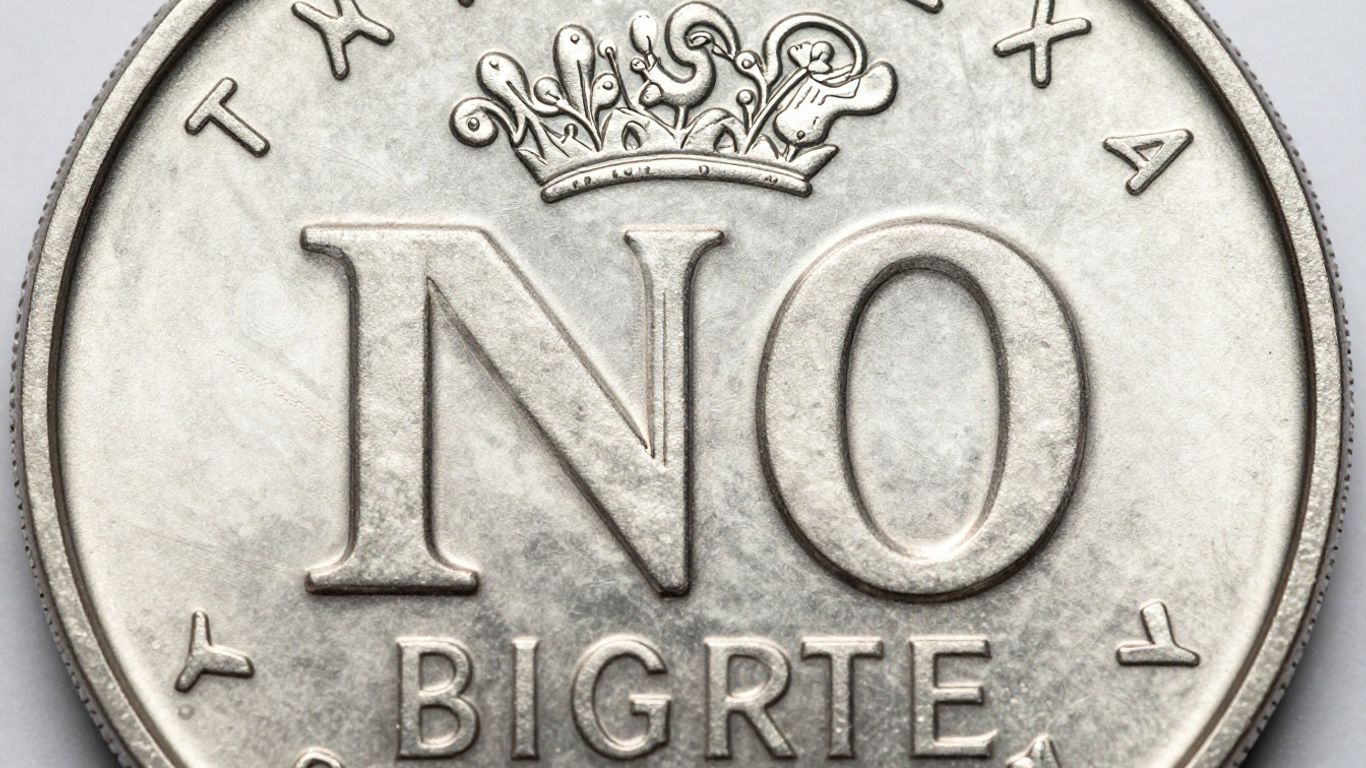
Early die states represent the pristine beginning of a striking cycle, where the steel is fresh and undamaged. Coins struck during this period showcase the highest level of design fidelity possible during a production run. For historical perspective, looking at early minting technology reveals how primitive moneyers struggled with consistency, whereas modern steel dies deliver incredible uniformity in these initial strikes.
Visual characteristics of fresh dies
When a working die is first installed in a coining press, its surfaces are pristine and free of microscopic scratches or microscopic metal fatigue. Coins struck from these fresh tools exhibit remarkably clean fields and frosted devices. The fields—the flat, open areas of the coin—are smooth because the steel has not yet been subjected to the intense friction of flowing metal planchets.
Sharpness and detail analysis
Analyzing early-state coins reveals sharp, crisp corners on letters and high-relief elements. Because the recess on the die has not yet begun to round out from wear, the boundaries between the raised design and the flat field remain incredibly distinct. These early strikes capture the finest textures of the original engraving, such as hair strands on a portrait or individual feathers on an eagle’s wing.
The role of proof-like finishes in early strikes
In some circulation strikes, the initial coins off a new die carry a stunning, proof-like finish. This occurs when the die faces have been highly polished prior to being placed in the press. The heavy reflectivity eventually fades as production continues, making these early proof-like specimens highly coveted by specialists who document the chronological order of a die’s output.
Recognizing mid-life die phenomena
As the coining press continues its repetitive rhythm, the working dies settle into their middle age. This stage is characterized by a stabilization of the steel under extreme pressure. While the coin design loses its initial absolute razor sharpness, it achieves a consistent state of balance that represents the vast majority of coins released into public circulation.
Signs of work hardening and metal fatigue
Under hundreds of tons of repeating pressure, the molecules of the steel working die undergo work hardening. This process initially makes the die face slightly more resistant to wear, but it also makes the metal more brittle over time. Microscopic fractures begin to develop deep within the design elements, particularly at high-stress points like the corners of letters or deep recesses representing the highest points of the coin’s relief.
Common minor imperfections on mid-state dies
Mid-state dies frequently exhibit light tooling marks and very minor wear patterns that do not drastically detract from the overall design. To illustrate how these subtle changes manifest on a typical coin run, consider the following progression of minor variations:
- Die polishing lines: Fine, raised lines on the coin surface caused by mint workers cleaning the die with abrasive paste.
- Clash marks: Ghostly outlines of the opposite side’s design, occurring when the upper and lower dies collide without a planchet in between.
- Orange peel texture: A slightly bumpy, textured appearance in the fields caused by the microscopic erosion of the die steel.
These minor imperfections serve as historical fingerprints, proving that the die has been broken in and has entered its mid-production phase.
Why mid-state coins often represent standard production quality
Despite the presence of minor wear, mid-state coins represent the benchmark for standard issue quality. They lack the extreme, delicate beauty of early strikes but are free from the severe structural failures found in late-stage runs. Consequently, when numismatists grade standard business strikes, they are usually evaluating mid-state specimens because these represent the typical output of the minting facility.
Late die state indicators and collector value
During the final stages of a die’s operational life, the steel begins to fail structurally under the unrelenting stress of production. The coin’s appearance changes dramatically as the metal of the die physically breaks apart. This phase of the die state evolution coins cycle is incredibly popular among error specialists who enjoy tracing the literal death of a coin die.
Identifying die cracks and cuds
When a brittle, worn die finally fractures, the metal of the planchet is squeezed into these new crevices during striking. This results in raised, irregular lines on the coin known as die cracks. If a piece of the die breaks away entirely at the edge, the resulting coin will feature a smooth, raised blank patch of metal called a cud, which indicates that the die was very close to total destruction.
Flow lines and the loss of surface luster
As millions of planchets are forced into the die, the metal of the coin flows outward toward the edges, acting like sandpaper on the steel. Over time, this constant friction carves microscopic radial grooves called flow lines into the die face. This results in a distinctive satiny or greasy luster on the coin, replacing the deep, mirror-like surfaces of early strikes with a diffuse, cartwheel effect.
Determining if late-state coins hold premium value
Whether a late-state coin commands a premium depends heavily on the severity of its defects and the preferences of the collecting community. While standard collectors prefer pristine early states, error specialists eagerly pay high premiums for spectacular cuds and extensive die cracks. The visual drama of a failing die tells a unique story that simple, perfect coins cannot replicate.
The impact of die maintenance and polishing
Rather than discarding a slightly worn or damaged die, mint employees often perform routine maintenance to extend its useful life. This maintenance alters the face of the die, leaving behind permanent, recognizable artifacts on all subsequent coins struck by that specific tool.
Polished dies and their effect on relief details
When a die develops clash marks or light scratches, workers will polish the die surface with abrasive tools to erase the blemishes. While this process cleans the flat fields, it also grinds down the overall relief of the design elements. Consequently, coins struck after a heavy polishing often show weakened details, thin letters, and in extreme cases, missing design elements.
Die varieties resulting from mid-production modifications
Sometimes, maintenance involves re-engraving or re-punching specific details directly onto the working die. This was especially common in historical minting processes, yielding famous varieties where dates or mintmarks were altered. To understand how these changes compare across different minting eras and denominations, we can analyze the characteristics of various die states in standard production runs:
| Die State | Field Texture | Relief Definition | Common Anomalies |
|---|---|---|---|
| Early State | Smooth / Reflective | Razor-sharp, full details | Proof-like mirrors, crisp edge borders |
| Mid State | Light orange peel | Moderate, standard definition | Minor clash marks, faint polishing lines |
| Late State | Heavy radial flow lines | Soft, rounded contours | Die cracks, cuds, severe design merging |
This structural comparison highlights how the physical properties of the die shift over time, explaining why different strikes of the exact same coin can look so remarkably different.
Distinguishing maintenance marks from post-mint damage
For collectors, it is vital to distinguish between die maintenance marks and damage that occurred after the coin left the mint. Maintenance marks, such as polishing lines, are always raised on the coin’s surface because they represent recess lines on the die itself. In contrast, post-mint scratches and environmental wear incuse the metal, cutting into the coin’s surface rather than rising above it.
Tools and techniques for examining die states
Accurately identifying the precise point in a die’s lifecycle requires specific tools and observation techniques. Without proper methodology, it is easy to mistake a worn die strike for a weakly struck coin from a fresh die.
Best magnification levels for die state analysis
For effective die state analysis, a high-quality hand loupe with 10x magnification is usually the ideal standard. Going much higher, such as 30x or 50x, can distort the field of view and make it difficult to appreciate the overall flow lines and luster patterns across the coin. A 10x magnification allows the collector to easily inspect letter serifs, die cracks, and minor polishing lines without losing perspective of the broader design.
The importance of high-quality raking light
Using a single, direct overhead light source can wash out the subtle, raised details of late-stage die wear. Instead, collectors use raking light—positioning a sharp, concentrated light source at a very low angle to the coin’s surface. This casts long, thin shadows behind microscopic ridges like flow lines and die cracks, making them stand out clearly against the surrounding flat fields.
Documenting and cataloging die progression stages
Serious numismatists often collect matching sets of a single coin design, sourcing examples from early, middle, and late die states to document the tool’s degradation. Cataloging these progressions involves taking high-resolution macro photographs under identical lighting setups. By comparing the growth of a specific die crack across multiple coins, collectors can reconstruct the chronological order of the minting run.
This systematic documentation of die wear helps catalogers preserve the mechanical history of the mint, turning ordinary pocket change into an educational study of industrial wear and artistic survival.
Conclusion
Understanding the progression of a coin die from its first pristine strike to its final fractured failure brings a deeper layer of appreciation to the hobby of numismatics. By learning to identify the telltale signs of flow lines, cracks, cuds, and polishing marks, collectors can read the physical history stamped directly into the metal of each coin. Whether one prefers the absolute perfection of a fresh early state or the dramatic, chaotic beauty of a dying late-state tool, tracking these changes connects us directly to the industrial artistry of the minting process.
Frequently Asked Questions
What is a die state in coin collecting?
A die state refers to the specific point of wear and tear on a minting die at the moment a particular coin was struck. It traces the gradual physical degradation of the steel tool from its first use to its eventual retirement.
Are early die state coins always worth more money?
Not necessarily. While early die states are highly prized for their exceptional detail and proof-like luster, severe late-state coins with dramatic errors like cuds and major cracks often command enormous premiums from error specialists.
How can you tell the difference between a weak strike and a worn die?
A weak strike occurs when the coining press does not apply enough pressure, resulting in flat, soft details but maintaining smooth fields. A worn die strike exhibits soft details accompanied by severe flow lines, orange-peel texture, or die cracks.
What causes radial flow lines to form on a coin?
Flow lines are carved into the steel die face over time as the hard metal of the planchets is repeatedly forced outward toward the edges of the collar during the high-pressure striking process.
Can a die state help determine if a coin is genuine?
Yes, mapping the die state can be a highly effective authentication tool. Genuine coins will show a logical progression of die wear that can be matched against known, verified examples from the same die pair.
Why do some coins show faint lines in the flat fields?
These are typically die polishing lines, which occur when mint workers use abrasive materials to clean clash marks or grease off the die faces, leaving microscopic scratches that appear as raised lines on struck coins.
What is a die cud?
A cud is a raised, unstamped patch of metal on a coin’s edge. It occurs because a piece of the working die’s rim broke off, allowing the planchet metal to flow freely into the void during striking.