
Key Takeaways
Collecting error coins requires a deep understanding of historical minting techniques and precise identification methods.
- Accurate identification relies on high-magnification tools to spot overlapping mintmark remnants that are often invisible to the naked eye.
- Major varieties like the 1954-S/D Jefferson nickel showcase how mid-20th-century minting oversight led to rare, documented errors.
- Provenance and third-party grading are non-negotiable when building a collection to ensure authenticity and protect long-term market value.
- Market valuations for rare error coins are driven by a combination of population reports, surface quality, and historical auction trends.
- Building a serious collection involves using specialized databases, connecting with industry experts, and maintaining meticulous asset records.
Understanding the origin of overpunched mintmarks
The manual minting process before 1990
The process of applying mintmarks to coin dies was a deeply manual operation for much of the 20th century. Before the U.S. Mint transitioned to integrated die manufacturing in the 1990s, workers at various mint branches physically punched mintmarks into the dies by hand after the primary design had been hubbed. This tedious task meant that an employee had to align the punch correctly and strike it with just enough force to create an impression on hardened steel. As documented by Error-Ref.com, the complexity of these operations occasionally resulted in dies being improperly handled or repurposed.
Human error and the minting oversight process
Most overpunched mintmark varieties trace their existence back to simple human fatigue or procedural lapses within the minting facility. When demand for coins at a specific branch mint exceeded the supply of pre-prepared dies, supervisors often reallocated dies intended for other facilities. If the worker failed to abrade the original mark entirely, the second punch left visible remnants behind. These instances reflect the reality of high-pressure manufacturing environments rather than any deliberate intent to create errors for collectors.
Distinguishing between overpunched mintmarks and repunched mintmarks
Collectors must learn the nuanced difference between a die that was repunched due to a weak initial impression and one that features two completely distinct mintmarks. Repunching involves refining the same mintmark to correct a soft strike, whereas an overpunch typically involves distinct stylistic differences between the two marks. Establishing this distinction is vital for accurate attribution, as many collectors focus heavily on these unique numismatic anomalies when assembling their portfolios.
How to identify genuine overpunched mintmarks
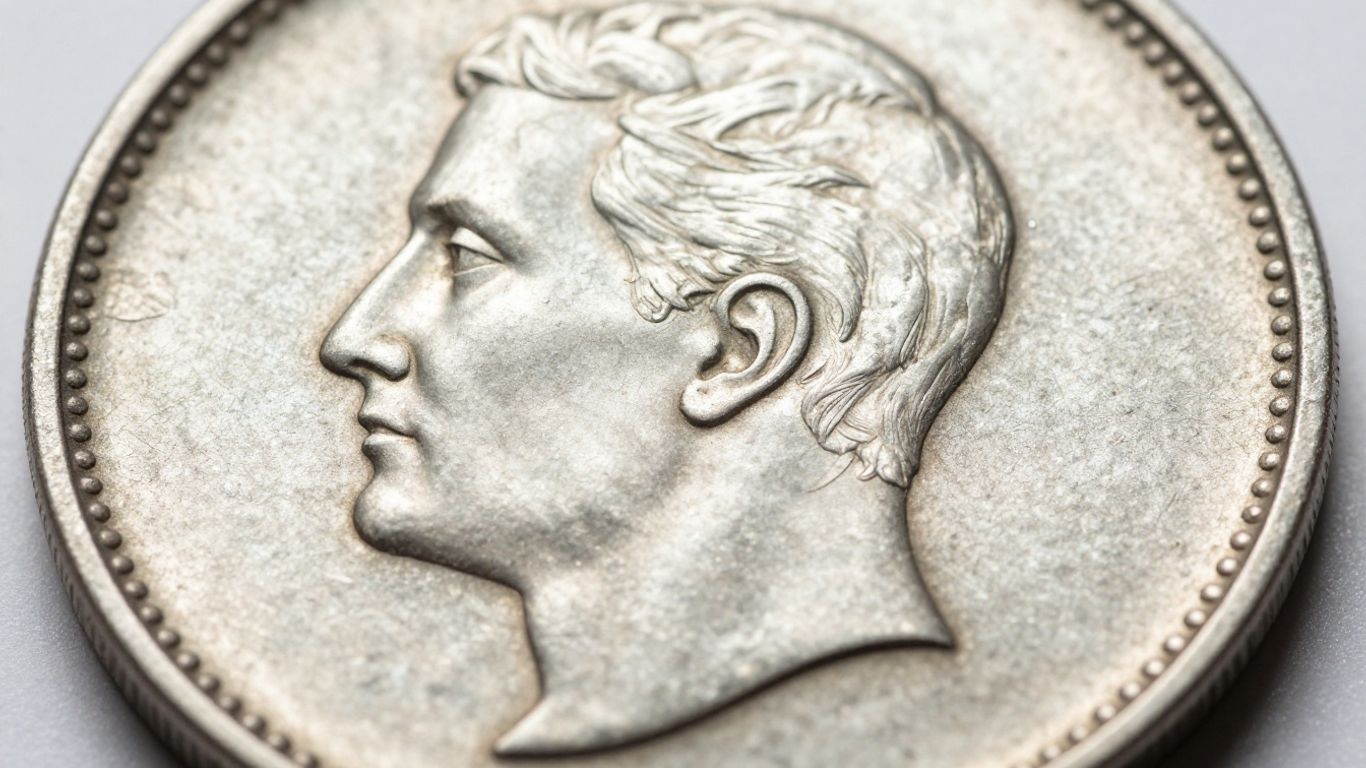
Using high-magnification loupes and imaging for inspection
Authenticating a potential variety starts with reliable magnification, as the under-layer of an overpunched mintmark is often faint. Hobbyists typically utilize a 10x or 16x triplet loupe to examine the contours and serifs of the mintmark. Modern high-resolution digital imaging has further revolutionized this process, allowing enthusiasts to compare micro-details against known examples found in standardized reference sets.
Comparing physical artifacts against recognized catalog markers
There is no substitute for cross-referencing a physical coin with established variety guides that define specific emission characteristics. Many famous varieties carry unique diagnostic markers, such as specific placement geometry or leftover serifs, which serve as a master verification key. By methodically matching the coin in hand to these verified markers, collectors can determine if the piece is a genuine variety or a modern counterfeit.
Recognizing signs of altered mintmarks versus authentic manufacturing varieties
Altered mintmarks often show tooling marks, surface displacement, or disturbed metal flow surrounding the letter, whereas authentic mint-made varieties show uniform metal displacement. One must examine the fields surrounding the mintmark for signs of suspicious heating or re-engraving. Authentic errors maintain a cohesive, original surface texture, ensuring the variety is recognized by major grading bodies as a product of the minting process rather than later manipulation.
Notable examples and famous varieties
The 1954-S/D Jefferson nickel mystery
The 1954-S/D Jefferson nickel remains a cornerstone of the variety world, representing a fascinating overlap of minting history. Detailed over at Paradime Coins, this variety features an "S" mintmark struck over a "D" mintmark, providing an intriguing look at 1950s production workflows. This specific variety was never part of a planned mintage, making it highly coveted by those tracking industrial irregularities.
Examining the 1882 O/S Morgan silver dollar variants
Early Morgan dollar errors often provide the most dramatic visual examples of die sharing between the San Francisco and New Orleans facilities. In these cases, the "O" mintmark was frequently punched directly over a faint "S" mark left in the die. These coins are often grouped by their VAM numbers, as different dies show varying degrees of separation between the two letters, providing a sliding scale of visual clarity that creates different tiers of collectibility.
Key historical overpunched mintmarks in 20th-century coinage
Overpunched marks appear across multiple series, including the Lincoln cent and various nickels from the mid-century era. These errors are often the result of regional mints trying to keep pace with coin orders by re-tooling dies on the fly. The scarcity depends largely on how many coins were struck from the specific die before it was officially retired for maintenance or metal failure.
Grading and authentication considerations
Selecting a reputable third-party grading service for varieties
Professional grading is essential for any high-value overpunched mintmark to establish a permanent, immutable record of its authenticity. Reputable third-party services provide uniform verification that protects the collector during potential future sales or insurance valuations. These services use industry-standard technical criteria to confirm the variety designation, effectively weeding out cleverly produced fakes from true mint-error pieces.
Understanding how grading labels handle mint mark errors
When a grading company acknowledges a variety, the label typically reflects the specific designation, such as "D/S" or "S/D," along with the grade. This specific nomenclature is recognized throughout the hobby as confirmation of the error’s status. Having a slabbed coin with the formal variety name significantly improves the ease of liquidation compared to raw coins, where verification uncertainty remains a constant factor for potential buyers.
The importance of provenance in building an error collection
Maintaining a clear history of ownership is critical for the long-term value of a collection. Owners benefit from organizing their collection by tracking the acquisition date and grading status, similar to the organized method of using a ProToCall asset maintenance system to ensure nothing falls through the cracks. This systematic approach ensures that the historical trajectory and verified status of every variety are maintained, which adds intrinsic value for future collectors.
Assessing the market value of overpunched coins
Assessing rarity and population reports
Market value discovery for overpunched coins starts with analyzing population reports from grading firms to see exactly how many exist in specific condition grades. A coin that appears thousands of times in a population report holds a different valuation profile than a variety with only a handful of known examples. Collectors should always weigh relative scarcity as the primary factor in determining the price ceiling for any specific variety.
Evaluating the impact of eye appeal and surface state
While variety is the hook, the condition of the coin is the anchor. A clean, well-struck example with original luster will always fetch a premium over a dull, heavily bag-marked specimen of the same variety. The following table provides a general look at how surface conditions and scarcity influence price expectations for major mintmark varieties:
| Grade Level | Rarity Level | Market Demand | Typical Price Range |
|---|---|---|---|
| EF-40 | Low | Moderate | $50 – $150 |
| AU-55 | Medium | High | $200 – $500 |
| MS-63 | High | High | $750+ |
By comparing these general metrics, collectors can avoid overpaying for coins that might have excessive surface damage regardless of their error status.
Analyzing auction trends for major mintmark varieties
Watching the results of major public auctions provides the most up-to-date pulse on where interest is shifting for specific mintmark varieties. Auction records demonstrate that high-grade varieties consistently maintain upward mobility in value, as they are often targeted by advanced collectors who view them as essential building blocks for complete error sets. Keeping a database of realized prices is a smart way to gauge whether a particular variety is gaining or losing momentum in the current landscape.
Best practices for starting an error collection
Essential tools for hobbyists and serious numismatists
Success in the error market requires having the right physical equipment to verify findings and protect the coins long-term. Collectors should prioritize a core set of supplies to manage their hobby assets effectively.
- High-powered digital microscope for detailed attribution.
- Protective non-reactive coin holders or capsules.
- Detailed ledger or database for asset tracking.
- Standard variety reference guides for specific series.
Using these tools consistently helps prevent data loss or mechanical damage to your coins during the examination process.
Utilizing variety guides and online databases effectively
Developing a deep library of knowledge requires regular interaction with public research databases that track the latest discoveries in mint evolution. Instead of relying on guesswork, serious collectors spend time comparing their finds against the standard catalogues utilized by grading firms. This approach minimizes error and ensures that the collector remains fully informed on the latest attribution standards in the field.
Networking with specialized error and variety coin clubs
Joining clubs dedicated specifically to error coinage provides access to an invaluable level of peer review. Experienced members can provide immediate feedback on whether a coin is a notable variety or just a common die-clash or strike error. These social channels also serve as a hub for trading or selling, allowing you to interface directly with other specialized collectors who understand the specific appeal of overpunched issues.
Conclusion
Collecting overpunched mintmarks offers a window into the fallible, human-driven history of the U.S. Mint while providing exciting challenges for analytical collectors. By pairing careful research and professional grading with a commitment to maintaining your collection properly, you can assemble a portfolio that is as historically significant as it is valuable. Approaching this niche with patience and utilizing established resources ensures long-term enjoyment and success in the fascinating world of numismatic error coins.
Frequently Asked Questions
What causes a mintmark to be overpunched?
An overpunched mintmark occurs when a die that has already been punched with one mintmark is later punched with a different one, often due to die shortages or worker error at the minting facility.
How can I distinguish between a genuine variety and a damaged coin?
Genuine varieties display specific signs of metal flow and uniformity that correspond to known die types, while damaged coins typically show inconsistent surface markings or evidence of post-mint manipulation.
Why are some overpunched mintmarks more valuable than others?
Value is determined by rarity, the overall condition of the coin, and the intensity of interest within the collector market for specific dates and series.
Is third-party grading necessary for these types of coins?
Third-party grading is highly recommended because it provides an independent verification of the variety, which standardizes its authenticity and simplifies the process of buying or selling to other collectors.
Are there specific mints known for more overpunched varieties?
Historically, any branch mint that dealt with transferring dies or had high-pressure production schedules experienced these errors, with many noted varieties originating from branch mints during the mid-20th century.
Can I find overpunched mintmarks in common pocket change?
Finding these coins in circulation is rare, but roll searching is a popular way for enthusiasts to hunt for varieties, especially among older, non-precious-metal coinage.
Where can I find a complete list of known overpunched mintmark varieties?
Collectors widely use industry-standard numismatic variety guides and specialized online platforms dedicated to error coin tracking to find up-to-date, comprehensive lists of known varieties.