
Key Takeaways
Identifying repunched date coin types requires careful attention to detail and a methodical approach to numismatic examination. The following points summarize the essential factors for exploring these unique die varieties.
- Repunched dates occur when numerical punches are applied multiple times to a working die, creating distinct overlapping characters.
- These errors are most prevalent in early American coinage, particularly those produced before 1909 when master hub practices were solidified.
- Distinguishing genuine repunched dies from mechanical doubling or physical post-strike damage is central to proper authentication.
- Market valuation for these varieties is heavily influenced by rarity, the degree of visual error present, and the current grade assigned by professional services.
- Maintaining a collection requires consistent updates from numismatic databases, as new die varieties are still being discovered by hobbyists.
Understanding the basics of repunched date coins (RPD)
Definition and mechanical origins of repunched date errors
Repunched dates represent a fascinating intersection of metallurgy and manual minting processes. A repunched date occurs when a numerical punch is struck into a soft die more than once, often resulting in a misalignment that leaves a shifted or overlapping impression of the digit. These errors are not flaws of the planchet but rather originated at the die-creation stage. For many, Flying Eagle and Indian Head Cents serve as the primary study ground for these early production anomalies.
Differences between repunched dates and overdates
Collectors often group various die varieties together, but clear distinctions exist between repunched dates and overdates. A repunched date always involves the same specific digit, demonstrating a slight shift or rotation that occurred because the punch was struck multiple times during die preparation. In contrast, an overdate involves two different numerical characters carved over one another, such as an 1894 date being altered into something else. Understanding these nuances helps hobbyists focus their research on specific mechanical causes.
Why minting precision varied in historical coinage production
Manual labor was the driving force behind historical coin production, which necessitated significant consistency from the workers operating the punches. Because dies were annealed and punched by hand, slight movements were almost inevitable during the process, leading to the variations we categorize today. The reliance on individual skill meant that precision was subject to human error, which is precisely why these production variations are so interesting to modern researchers.
Common numismatic examples of repunched dates
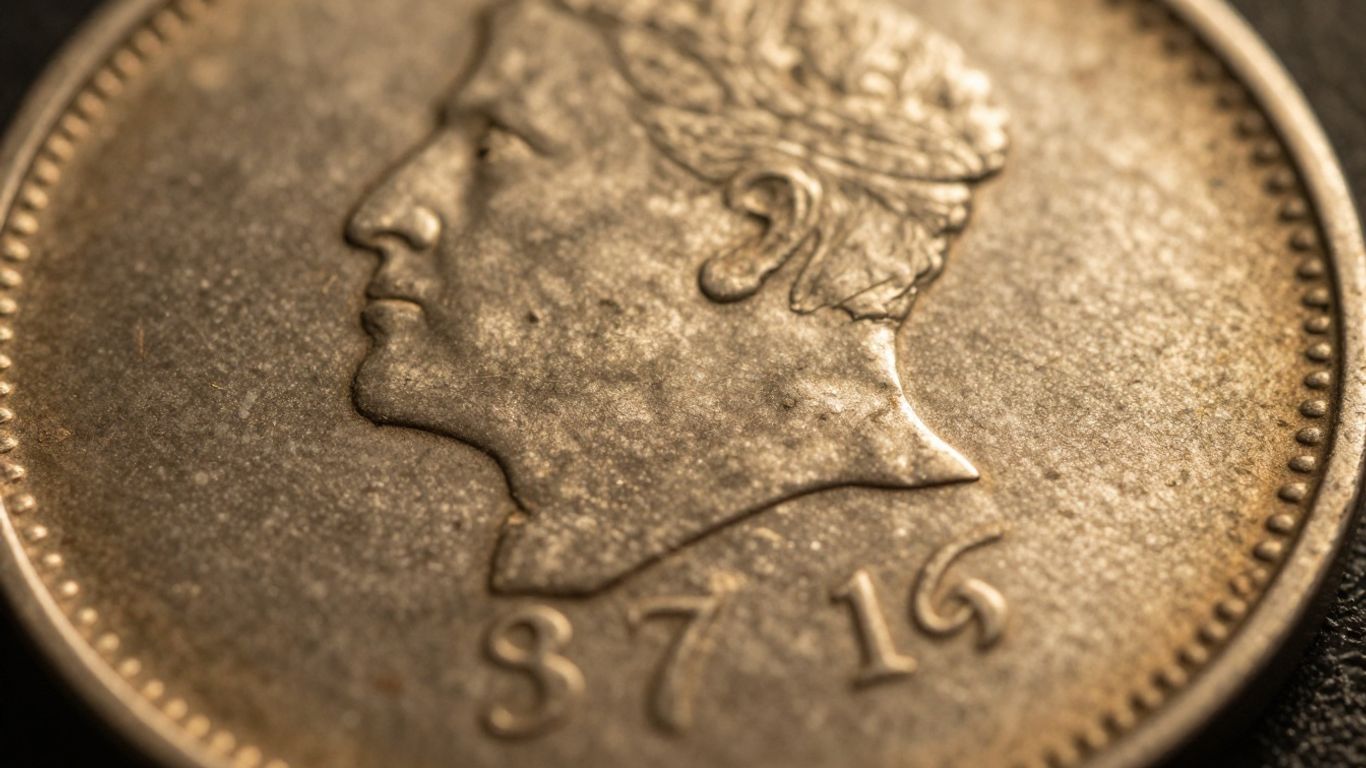
Repunched dates in Indian Head cents
Indian Head cents are among the most popular targets for those tracing repunched varieties. These coins frequently showcase subtle shifts in date placement, making them a common entry point for newcomers. For instance, the 1894 Indian Cent contains varieties that are highly sought after by those interested in documented die changes from the late 19th century.
Variations found within the Buffalo nickel series
The Buffalo nickel series provides another layer of complexity for collectors who enjoy hunting for errors. Beyond simple repunching, this era also features Buffalo Nickel overdates that complicate traditional attribution. These examples demand a high level of patience, as the transition toward more refined minting technology makes early varieties stand out significantly against their mass-produced counterparts.
Notable examples in early 20th-century silver coinage
Silver coinage from the early 20th century occasionally presents unexpected anomalies similar to those seen in base metal series. While scarcity remains a concern for these mid-century issues, the rare or controversial versions keep the market active. Occasionally, even later issues generate debate, such as the 1957-D Lincoln cent, which some enthusiasts argue represents a modern variation of an older, manual-style error.
How to identify and authenticate RPD errors
Using magnification and lighting techniques for verification
Verification depends on the ability to observe minute deviations in the date’s structure. Collectors should use high-quality magnification to avoid misinterpreting surface debris as a genuine repunch, while controlled lighting can reveal the depth and angle of the strike. These specific physical markers provide key evidence during the analysis process, helping to distinguish between intentional master hub changes and actual die-level errors. To keep this process organized, researchers often use the following verification workflow:
- Inspect the date region for signs of multiple strikes under 10x magnification.
- Cross-reference the identified shifts with high-resolution images of confirmed dies.
- Document the orientation and scale of the shift relative to the primary digit.
- Consult established hobbyist forums to see if the anomaly is already recorded.
Benchmarking against official variety databases like FS numbers
Official databases provide the essential framework for categorizing these errors through standardized numbering systems. These systems allow collectors to confirm if their find matches an existing documented state. Databases serve as the final authority in the hobby, ensuring that attributions remain consistent across different sales and transactions.
Challenges in distinguishing RPDs from mechanical doubling
Mechanical or machine doubling is a common source of confusion, as it mimic the visual complexity of a repunched date to the untrained eye. However, machine doubling is generally flat and lacks the raised, rounded appearance of an original punch. The following table helps clarify the diagnostic differences:
| Feature | Repunched Date | Mechanical Doubling |
|---|---|---|
| Edge Height | Raised and rounded | Extremely flat/shelf-like |
| Strike Clarity | Sharp details | Distorted/stretched |
| Consistency | Consistent for die | Varies by strike force |
Proper evaluation of these features prevents hobbyists from misidentifying common post-mint damage as a valuable variety.
Grading and valuation factors for collectors
Impact of error visibility on numismatic market value
Market value for these coins is rarely linear, as the desirability of a variety often hinges on the clarity of the error. A dramatic, extreme repunch that is visible to the naked eye almost always commands a higher price than a subtle, microscopic variety. Collectors who focus on public exhibitions or private collections prioritize clear presentation above all else.
Determining the rarity of specific date punch placements
Rare die placements are the foundation of high-premium coins, as production runs that lasted only a few weeks are naturally harder to locate in the wild. When assessing the value of these assets, consider how many examples have appeared at auction over the past decade. Rarity, when combined with high-grade condition, usually results in significant valuation increases.
Influence of coin preservation and strike quality on price
Even a famous repunched date can lose its value if the underlying coin has suffered from poor preservation. A collector should never overlook the base quality of the coin’s surfaces, as an error on a high-grade specimen is vastly superior to an error on a degraded or damaged piece. The strike quality acts as a multiplier on the rarity, creating a ceiling for value that even professional grading services recognize.
Challenges for numismatic hobbyists
Recognizing aftermarket damage simulating repunched dates
Aftermarket damage, such as scratches or deliberate dings, can convincingly mimic the appearance of a repunched mark if the lighting is poor. Authentic errors possess natural metal flow indicative of a stamp, whereas damage often results in displaced or crushed metal. Keeping a watchful eye on suspicious surface abrasions remains the best defense against accidental misidentification.
Navigating conflicting attribution between major grading services
Disputes between major institutions regarding attribution are occasionally unavoidable due to the subjective nature of late-stage die diagnosis. Collectors often find themselves choosing favorites based on which label displays their preferred attribution style. When discrepancies occur, rely on raw data and personal visual evidence to decide the validity of the piece.
Keeping up with newly discovered variety listings and updates
Because the collecting community is constantly sharing data, keeping up with new variety information is a perpetual task. Digital forums and membership updates from numismatic societies provide the fastest access to the latest findings. Staying active in these communities allows hobbyists to adapt their collections as nomenclature and diagnostic standards evolve over time.
Conclusion
Navigating the world of repunched date coins offers a rewarding path for those who enjoy the investigative side of history. By focusing on mechanical authentication and keeping up with evolving data, collectors can turn a simple observation into a meaningful addition to their portfolio. Success ultimately depends on a balance of technical knowledge, critical observation, and a willingness to participate in the broader community of numismatists.
Frequently Asked Questions
What is the difference between a repunched date and a doubled die?
A repunched date involves the physical punching of the date into the die, whereas a doubled die is caused by misalignment during the hubbing process when the die itself is manufactured.
Can repunched dates be found on modern coins?
Repunched dates are largely considered a phenomenon of the 19th and early 20th centuries because mints transitioned to placing dates on master hubs, effectively eliminating the manual punch method.
Why do some repunched date varieties list for more than others?
Value is determined by the combination of population rarity, the visual prominence of the error, and the overall condition of the coin’s surfaces.
How does mechanical doubling differ from a genuine RPD?
Mechanical doubling features flat, shelf-like edges caused by strike vibration, while a genuine repunch displays rounded, raised letters that match the relief of a standard date.
Is it worth getting a repunched date coin encapsulated?
Encapsulation provides authenticity and a standardized grade, which is highly recommended for rarer varieties or coins that occupy a high market value bracket.
Do I need to be a professional to identify these coins?
You do not need to be a professional, but you will need standard tools like a jeweler’s loupe, proper lighting, and some basic reference materials to confirm your findings.
What should I do if my repunched date coin looks damaged?
Carefully document the area with high-resolution photography and compare it against known variety databases; if the metal flow appears irregular rather than raised, it is likely just post-strike damage.