
Key Takeaways
Identifying miniscule features on currency requires a blend of technical expertise and reliable optics. Mastering the nuances of mintmark variations often involves careful observation, proper lighting, and systematic documentation to ensure accuracy.
- Utilize high-resolution digital imaging to detect subtle size differences.
- Standardize your lighting to eliminate shadows that obscure tiny details.
- Maintain consistent distance to ensure accuracy when using calibration slides.
- Reference established catalogs to differentiate between genuine variants and accidental damage.
- Develop a strict metadata storage process for your digital image library.
Understanding the evolution of mintmark precision
Tracking the history of mintmark production reveals a clear shift from manual, variable placement to high-precision engineering. These marks were initially hand-punched, leading to inconsistencies, but modern technology has standardized the process to a high degree of fidelity. Collectors often find that comparing historical production techniques provides context for current error analysis.
Historical significance of mint locations
Regional minting facilities historically used unique symbols to denote their origin, such as the Age of the Ridiculously Large Mint Mark observed on San Francisco issues. These identifiers served as vital tracking stamps for the central minting authorities, providing accountability across different branch locations. Understanding where a coin was struck remains fundamental to determining its numismatic importance.
Traditional manufacturing versus modern punch methods
Early dies relied heavily on individual press operators to sink the mint letter by hand, which frequently resulted in slight variations in positioning. As production demands increased, the industry moved toward integrated, machine-driven punch methods that virtually eliminated human error. This transition has greatly simplified the identification of legitimate variants versus simple production anomalies.
How mintmark size impacts numismatic rarity
Variations in punch size on older coins often stem from the reuse of tools from different denominations or periods, sometimes creating extreme value for collectors. When a specific date features a smaller-than-intended mintmark, it often highlights a unique production moment that analysts track within mintmark styles and history reports. These anomalies are rarely the result of design changes but rather reflect the practical reality of historical coin shop limitations.
Tools for examining microscopic mintmark sizes
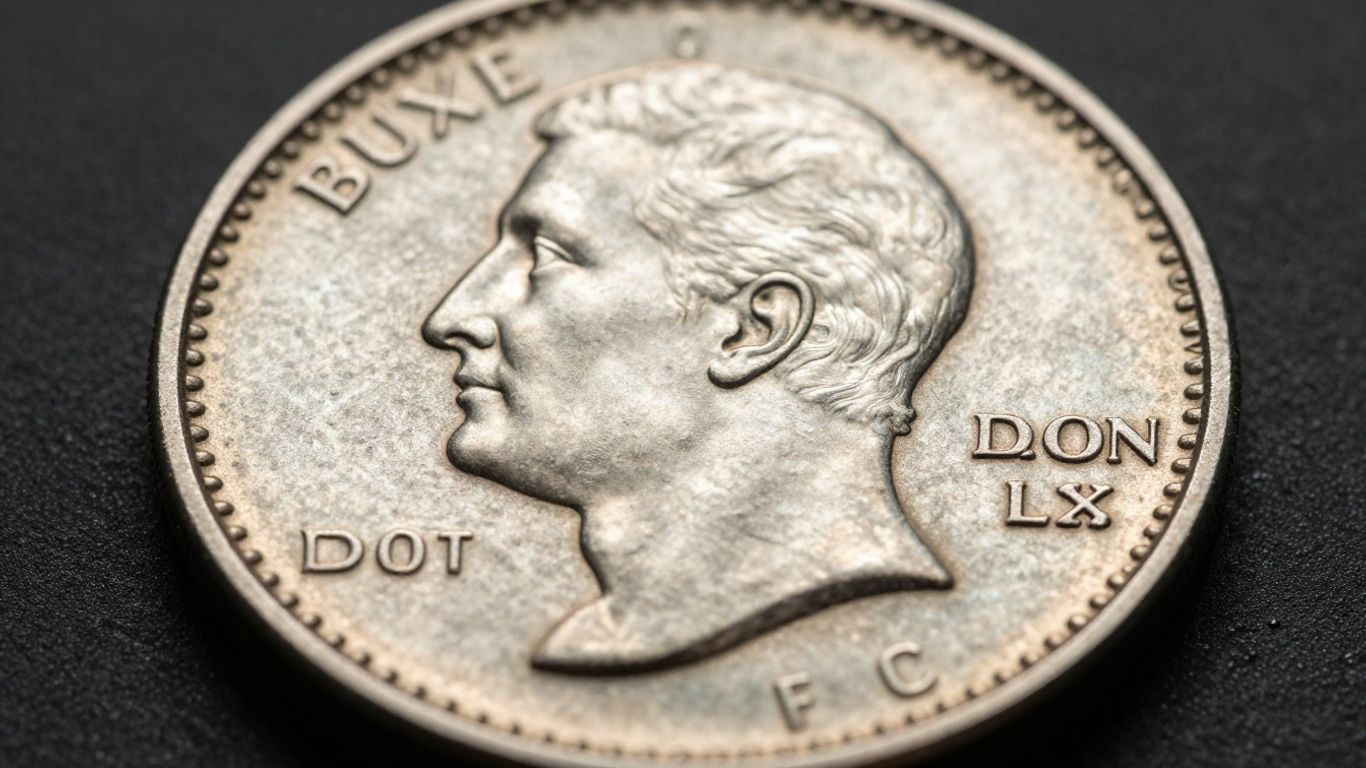
Selecting the right equipment allows numismatists to move beyond the limitations of the naked eye and explore the fine details of coin strikes. Because the hobby involves delicate items, selecting non-invasive tools should always be the priority for any serious researcher. Whether you are using a stereo scope or a digital unit, the goal remains capturing surface texture without introducing false artifacts.
Digital microscopes for high-resolution imaging
High-end digital coin microscopes provide the clarity necessary to analyze the depth and sharpness of a mintmark letter. These devices often come with integrated measurement software that makes determining the physical dimensions of a mark much more straightforward. Proper usage of such tools ensures that you can objectively quantify minute differences.
Handheld magnifiers versus stationary loupes
While handheld magnifiers allow for quick, field-based assessments, they lack the stability required for serious research on microscopic mintmark sizes coins. Stationary loupes or trinocular systems offer the fixed focal plane needed to ensure that measurements remain consistent across multiple sessions. For routine evaluations, a stable platform is essential to avoid jitter that can obscure tiny edge details.
Calibration slides for accurate spatial reference
Using a micron-graded calibration slide allows users to verify that their imaging software is correctly interpreting scale. This calibration is essential whenever you move the objective lens or change the zoom setting significantly. Without a verified reference point, any measurement obtained through digital imaging is essentially guesswork.
Techniques for measuring mintmark dimensions
Establishing a rigorous methodology ensures that measurements of tiny objects are reproducible regardless of the time or environment. This rigor is the backbone of categorizing coin types effectively. By applying standardized protocols, researchers can communicate their findings with high confidence.
Using software for digital measurement overlays
Modern imaging suites allow you to draw precise vector lines across the surface of a coin to record vertical and horizontal dimensions. These overlays act as digital calipers that prevent the physical damage of manual inspection tools. Once the software is set to the correct scale, users can extract highly accurate readings.
Assessing depth perception through lighting angles
Managing light is one of the most effective ways to reveal the three-dimensional characteristics of a stamped mark. Adjusting the angle of your light source can highlight the raised edges of a mintmark, making it easier to determine if the mark is genuine or a later addition. This is a critical diagnostic step for identifying variants that are not immediately visible under direct light.
Comparison against standardized coin catalogs
Comparing your findings against established benchmarks is how professionals confirm that a size variation is indeed a genuine factory error. Standardized guides provide a baseline for what a typical punch should look like in a given year. The relationship between your measured item and the verified catalog item helps you determine rarity.
Identifying micro-variants versus die errors
Discerning the difference between a deliberate design change and a mechanical failure on the die is a cornerstone of numismatic research. Errors often exhibit specific physical traits that differ from intentional variants, which are usually consistent across entire batches of coins. This is especially true for modern coins where production is highly automated.
Recognizing double dies in small mintmarks
Double dies occur when the impression tool strikes the die multiple times, creating a tell-tale shift in the letter’s shadow. Within small mintmarks, these shifts are often so subtle that they essentially require 10x or 20x magnification to distinguish from wear. Recognizing the specific shape of the doubling helps confirm that the error originated at the mint.
Distinguishing strike quality from design variants
A poor strike can sometimes mimic the appearance of a smaller mintmark, leading to common misidentifications among enthusiasts. You can filter for these errors by examining the detail of the surrounding fields and legends on the coin face. If the rest of the coin shows equivalent loss of detail, the mark size is likely a function of strike quality.
Indicators of repunched mintmarks
Repunched marks often show distinct outlines or secondary indentations beneath the surface of the primary mark. These are indicative of situations where the punch was manually realigned due to alignment issues during the production run. The most common indicators are as follows:
- Multiple visible serifs on the exterior edges of the mark.
- A visible ghosting effect where a previous impression remains visible.
- Slight deviations in the orientation of the letter compared to standard examples.
- Unusual metallic buildup around the base of the letter.
Best practices for documenting mintmark findings
Consistent documentation transforms raw observations into a useful archive for future reference and study. Whether building a local database or contributing to online forums, the goal is always clarity. A well-organized collection allows you to track patterns over time.
Proper lighting setups to prevent image distortion
Lighting is not merely about brightness but about the control of photons hitting the uneven surface of the coin. Use diffused light to minimize glare, which can make a normal-sized mintmark appear smaller or washed out. The table below outlines standard lighting configurations for various coin finishes:
| Finish Type | Light Angle | Diffusion Method | Typical Best Practice |
|---|---|---|---|
| Proof | Low Angle | Polarizing Filter | Ring Light Only |
| Uncirculated | Mid Angle | Softbox Diffuser | Diffused Overhead |
| Worn/Circulated | Steep Angle | Matte Panel | Side Lighting Only |
Establishing a consistent grading baseline
Adopting a standard, such as the Sheldon scale, provides a predictable framework for evaluating the condition of your specimen. When mintmarks are part of the equation, your grading must account for the wear on the mark itself compared to the rest of the coin. Consistent baseline usage keeps your analysis aligned with the broader market.
Digital file management and metadata storage
Tagging your high-resolution images with specific metadata—such as date, mint mark type, magnification, and light angle—is vital for future retrieval. A searchable repository allows a researcher to quickly pull all relevant data when questioning a new find. This level of professional organization adds significant value to any collection.
Common challenges in sizing tiny mintmarks
Even with advanced optics, identifying and sizing tiny mintmarks presents significant difficulties due to the nature of metal degradation. Environmental impacts and physical wear can hide or dramatically alter the appearance of these surface features. Recognizing these obstacles is the first step in avoiding over-eager misidentification.
Impact of coin wear and environmental damage
Over time, surface abrasions can gradually erode the raised edges of a mintmark, causing it to appear smaller than it was at the time of striking. Environmental factors like chemical exposure can also build up residue that masks the fine details of the mark’s shape. Experienced collectors look for clean surfaces or examine less-worn areas of the coin to confirm dimensions.
Differences based on metal composition
Different metal alloys possess unique hardness levels that dictate how they respond to the punching process and subsequent environmental wear. Copper-based coins are generally more prone to damage than silver or gold, which results in more warped and difficult-to-analyze mintmark signatures. Being aware of the base metal properties helps in adjusting expectations for mark consistency.
Avoiding eye strain during extended examinations
Extended periods of micro-examination can lead to significant digital eye strain, especially when using backlit screens. Frequent breaks and proper ergonomic seating are practical requirements for anyone involved in long bouts of research. Ensuring your work area is well-lit but not overly bright reduces the harsh contrast between the screen and your surroundings.
Conclusion
Mastering the skill of measuring and identifying mintmarks requires a balance of proper equipment, systematic methodology, and a sharp eye for detail. By focusing on consistent lighting, reliable digital scales, and informed comparison against catalogs, collectors can move from casual glancing to true numismatic study, eventually turning the identification of hidden variants into a routine part of their hobby.
Frequently Asked Questions
Does every coin have a mint mark?
No, many coins, particularly those minted in Philadelphia, were historically issued without any mint mark at all.
Can I use a standard 3x magnifying glass for these coins?
While a 3x glass can help with general visibility, it lacks the resolution required for reliable measurement of microscopic variations.
What do I do if my measurement is slightly off from the catalog?
First, re-calibrate your equipment; if the discrepancy persists, consider that strike quality and wear often account for minor variations.
Is repunched a desirable error?
Yes, repunched mintmarks are highly sought by collectors as they represent a specific historical anomaly in the minting process.
Are modern mint marks easier to identify?
Yes, due to computerized production methods, modern mint marks are generally more consistent and easier to authenticate than those from the 19th century.
How does ambient lighting affect my measurement?
Ambient light can create shadows or reflections that effectively widen or narrow the perceived borders of the mintmark.
Is software necessary for authenticating mint marks?
Software provides an objective layer of proof that manual inspection cannot match, which is critical for verifying high-value rarities.