
Thinking about selling your New Orleans mint coins in San Antonio? It can be a bit confusing to figure out where to go and who to trust. You want to make sure you get a fair price for your collection. This guide will help you understand the process and find the right people to talk to, so you can sell your New Orleans mint coins in San Antonio with confidence.
Key Takeaways
- When you want to sell New Orleans mint coins in San Antonio, look for buyers who specialize in rare coins and offer free appraisals.
- Expert buyers know what to look for, like rarity, condition, and historical significance, to give you a fair offer.
- The selling process usually involves an appraisal, an offer, and then either a personal visit or a secure mail-in service for your coins.
- Buyers are interested in various types of coins, including rare U.S. and foreign coins, certified coins, and even items like paper currency and bullion.
- To get the best price, understand your coins’ condition and market demand, and work with buyers who offer no-obligation appraisals and immediate payment.
Where To Sell New Orleans Mint Coins In San Antonio
Understanding The Value Of Your New Orleans Mint Coins
When you have New Orleans Mint coins, figuring out what they’re worth is the first step. These coins carry a special history because they were made in a specific place and time. The value isn’t just about the metal they contain; it’s also about how rare they are, their condition, and if collectors want them. Some coins might look ordinary, but if they’re from a limited mintage or have a unique error, their price can jump up. It’s a good idea to get a sense of what makes a coin valuable before you even think about selling.
Why Choose Expert Buyers For Your Collection
Selling your coins to people who really know their stuff makes a big difference. Expert buyers understand the history and the market for coins like those from the New Orleans Mint. They know what collectors are looking for and can spot details that might be missed by someone less experienced. This specialized knowledge helps ensure you get a fair price for your collection. They aren’t just looking at the silver or gold content; they’re assessing the coin’s overall numismatic appeal.
The Benefits Of Selling New Orleans Mint Coins Locally
Selling your New Orleans Mint coins in San Antonio means you can connect with local dealers. This can make the process simpler. You might be able to visit a shop in person, which can feel more secure than mailing valuable items. Plus, local buyers often have a good understanding of the regional collector base and what might be in demand right here in Texas. It cuts down on shipping worries and can lead to a quicker sale.
Expert Buyers For Your New Orleans Mint Coins
What Expert Buyers Look For
When expert buyers look at your New Orleans mint coins, they’re not just seeing old metal. They’re assessing a piece of history and a potential investment. They’re interested in a wide range of items, not just the obvious rarities. This includes:
- Rare U.S. Coins: Think early American issues, gold coins, and silver dollars with significant collector appeal.
- Foreign Coins: Coins from other countries, especially older or less common ones, can also be of interest.
- Certified and Graded Coins: Coins that have been authenticated and graded by reputable services like PCGS or NGC often command higher prices.
- Bullion: Even if not particularly rare, gold and silver coins or bars have intrinsic value.
They’re looking for coins that have value beyond their face amount, whether that’s due to rarity, condition, historical significance, or precious metal content. They want to acquire coins that their own clients are seeking.
How Expert Buyers Appraise Your Coins
Appraising coins involves a careful examination. Expert buyers use several factors to determine a coin’s worth. It’s a process that combines knowledge, experience, and market awareness.
Here’s a general idea of what goes into an appraisal:
- Identification: First, they confirm the coin’s exact type, date, and mint mark. For New Orleans coins, this means noting the ‘O’ mint mark.
- Condition (Grading): This is a big one. Coins are graded on a scale, often from 1 (poor) to 70 (perfect). Factors like wear, scratches, toning, and overall eye appeal play a role.
- Rarity: How many of these coins were originally minted? How many are known to still exist today?
- Market Demand: What are collectors currently paying for this specific coin in this condition?
- Precious Metal Content: For gold and silver coins, the melt value is a baseline.
Buyers use specialized knowledge and resources to assess these elements. They compare your coin to recent sales data and consult industry guides. It’s a detailed process aimed at fairness.
Getting A Fair Offer For Your Collection
Getting a fair offer means working with someone who knows what they’re doing. You want a buyer who is transparent and knowledgeable about the New Orleans mint coins and the broader coin market. They should be willing to explain their valuation process. A good buyer will consider the coin’s condition, rarity, and current market trends. They should also be interested in your entire collection, not just the most valuable pieces. The goal is a transaction where both parties feel they’ve received a good outcome.
Here’s what to expect:
- No-Obligation Appraisals: Reputable buyers will offer a free appraisal without pressuring you to sell.
- Clear Explanations: They should be able to tell you why they arrived at a certain offer.
- Competitive Bids: They aim to make an offer that reflects the coin’s true market worth, often because they have clients actively seeking such items.
Selling Your New Orleans Mint Coins: The Process
When you’re ready to part with your New Orleans Mint coins, understanding the selling process is key to a good experience. It’s not just about finding a buyer; it’s about how you get from having the coins to having cash in hand. This usually starts with getting a clear idea of what your coins are actually worth.
Initial Appraisal And Offer
The first step involves getting an appraisal. You can often do this by providing information about your collection. This might mean sending in a list of the coins you have, or even just some clear pictures. Some buyers are happy to chat over the phone to get a general idea. After they review this information, an expert buyer will follow up. They might have questions to get more details. Then, they’ll work on figuring out the value, using various resources to make sure it’s accurate. You should receive a written appraisal and an offer based on this.
It’s important to remember that the initial offer is just that – an offer. You are not obligated to accept it, and a reputable buyer will make this clear from the start.
Personal Visits For Coin Evaluation
For larger or more complex collections, or if you prefer a face-to-face interaction, many buyers offer personal visits. A buyer might travel to your location, especially if they have representatives in the San Antonio area. You don’t need to spend a lot of time organizing your coins beforehand; the buyer will examine each item. Once they’ve gone through everything, they’ll typically make an offer right then and there.
Secure Mail-In Service Options
If a personal visit isn’t practical, or if you’re simply more comfortable with it, a secure mail-in service is often available. This is a good option if you’re not local or if the collection is too small to warrant travel. You can ship your coins to the buyer’s office. This service should always be fully insured, ideally at the buyer’s expense, to protect your valuable items during transit. If you decide not to sell after the appraisal, the buyer should return your collection to you, also at their expense. This method provides a way to get a professional appraisal without the need for travel.
Here’s a general breakdown of how the process might look:
- Initial Contact: Reach out to potential buyers with details about your collection (list, photos, or phone call).
- Appraisal & Offer: The buyer reviews the information and provides a written appraisal and offer.
- Transaction Method: Agree on how to proceed – either a personal visit or a mail-in service.
- Finalization: If you accept the offer, payment is arranged, and the coins are transferred.
What Types Of Coins Do Buyers Seek?
Rare Coin Collections Of All Types
When you’re looking to sell your coins, it’s good to know what buyers are generally interested in. Most professional coin buyers are on the lookout for a wide variety of numismatic items. This isn’t just about the super rare, high-value pieces, though those are certainly sought after. They are often interested in entire collections, regardless of size. So, whether you have a few dozen coins or several hundred, it’s worth getting them appraised. They look for items that have both collectible appeal and potential bullion value.
U.S. And Foreign Rare Coins
Buyers are typically interested in both American and international coins. This can include anything from early American currency, like those from the 1800s, to coins from Europe, Asia, or even ancient civilizations. The origin of the coin is just one factor; its rarity, condition, and historical significance all play a part in its desirability. Don’t assume that just because a coin isn’t from the U.S., it has no worth. Many foreign coins can be quite valuable, especially older ones or those with limited mintages. It’s always a good idea to have them looked at by an expert.
Certified And Graded Coins
Coins that have been professionally authenticated and graded by reputable services like PCGS or NGC are often preferred. These services provide an objective assessment of a coin’s condition and authenticity, which simplifies the appraisal process for buyers. A certified coin comes with a guarantee of its grade and details, reducing risk for both the seller and the buyer. While raw, or ungraded, coins can still be valuable, certified coins often command higher prices due to this added layer of assurance. If you have coins in protective slabs, they are generally easier for buyers to evaluate quickly. This can be a significant advantage when you’re looking to sell your collection.
Beyond Coins: Other Collectibles Buyers Purchase
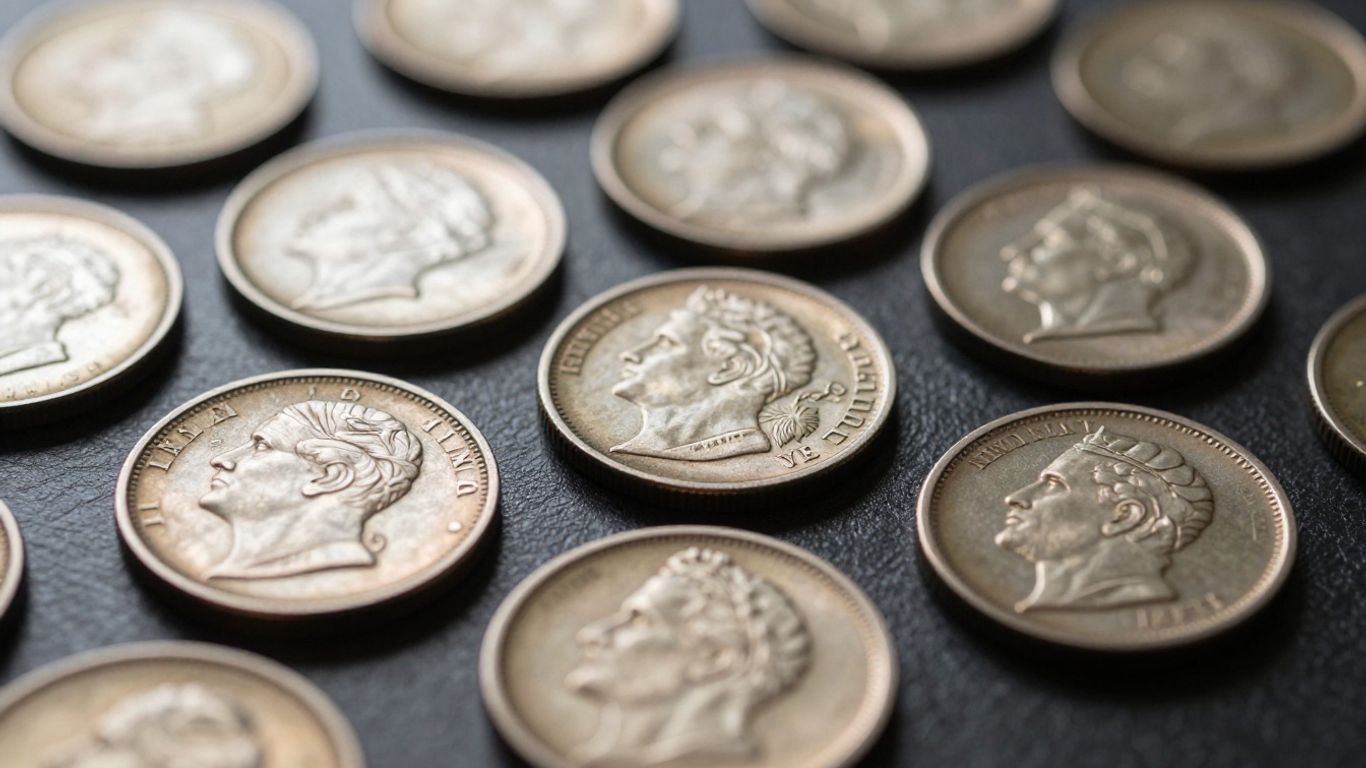
While New Orleans Mint coins are a specialty, many reputable coin buyers in San Antonio are interested in a broader range of collectibles. If you have other items that might hold value, it’s worth exploring what else these experts might be looking for. This can often lead to a more significant overall sale.
U.S. Paper Currency
Beyond coins, collectors and dealers often seek out U.S. paper currency. This includes a wide variety of notes, from older, larger-sized bills to more modern small-sized notes. Even Confederate currency can sometimes be of interest to specialized buyers. If you have any old money tucked away, it might be worth getting it appraised alongside your coins.
Gold And Silver Bullion
Precious metals in the form of bullion are always in demand. This means gold and silver bars, rounds, and even bullion coins are items that buyers frequently purchase. The value here is often tied directly to the spot price of the metal, though some collectible bullion pieces can command a premium. It’s a straightforward category where condition plays a role, but the metal content is the primary driver of value.
Mint Sets And Proof Sets
Collectors also often look for official U.S. Mint products like mint sets and proof sets. These sets, typically released annually, contain uncirculated or specially struck coins. While they are generally produced in larger quantities than rare individual coins, complete or well-preserved sets can still hold considerable appeal for buyers looking to complete their own collections or stock inventory. Buyers are usually interested in both modern and older issues of these sets.
Ensuring A Smooth Transaction When Selling
Selling your New Orleans Mint coins should be a straightforward process, not a headache. Reputable buyers aim to make things easy for you, from the first contact to the final payment. They understand that you want a fair deal without unnecessary complications.
No-Obligation Appraisals
Before you commit to anything, you should always get a no-obligation appraisal. This means a buyer will look at your coins and tell you what they think they’re worth, and what they’d be willing to pay, without any pressure for you to sell. It’s a chance for you to get information and compare offers. Think of it like window shopping for your collection – you can see what’s out there without having to buy.
Hassle-Free Selling Experience
What does a hassle-free experience look like? It means clear communication, respectful handling of your collection, and a process that respects your time. Buyers who want your business won’t make you jump through hoops. They’ll explain their process clearly and be available to answer your questions. Whether you visit them in person or use a mail-in service, the goal is for you to feel comfortable and confident.
Immediate Payment For Your Coins
Once you agree on a price, you shouldn’t have to wait around for your money. Prompt payment is a hallmark of a professional coin buyer. Whether it’s cash on the spot for an in-person sale or a quick electronic transfer or check for a mail-in transaction, getting paid quickly means the deal is truly done. This immediate financial settlement is a key part of a smooth and satisfying sale.
Finding Reputable Coin Buyers In San Antonio
Researching Local Coin Dealers
When you’re ready to sell your New Orleans Mint coins, finding the right buyer in San Antonio is key. It’s not just about getting a price; it’s about getting a fair one from someone who knows what they’re looking at. Start by looking into local coin shops. A quick search online can give you a list of places in the area. Think about shops that have been around for a while; they often have a good reputation.
Checking Professional Affiliations
Beyond just a local presence, see if these dealers are part of any professional groups. Organizations like the American Numismatic Association (ANA) or the Professional Numismatists Guild (PNG) have standards for their members. Belonging to these groups suggests a dealer is serious about their business and follows ethical practices. It’s a good sign if they display these affiliations openly.
Reading Reviews From Other Sellers
Don’t underestimate the power of what other people say. Look for online reviews for coin dealers in San Antonio. See what past customers have experienced. Were they treated fairly? Did they feel the appraisal was honest? While one or two negative reviews might not mean much, a pattern of complaints is definitely something to pay attention to. Positive feedback often highlights transparency and good communication.
Selling valuable coins can feel a bit daunting. You want to make sure you’re dealing with someone trustworthy who understands the history and condition of your New Orleans Mint coins. Taking the time to find a reputable buyer means you’re more likely to get a price that reflects what your collection is truly worth, without any unnecessary stress.
Maximizing Your Return On New Orleans Mint Coins
When it comes to selling your New Orleans Mint coins, getting the most for them is the goal, right? It’s not just about finding a buyer; it’s about finding the right buyer and presenting your collection in a way that shows its true worth. Think of it like selling a classic car – condition and market awareness make a big difference.
Understanding Market Demand
Coin values can shift based on what collectors are looking for right now. Some years or mint marks might be hotter than others. Buyers who keep a close eye on the market trends are usually the ones who can offer more because they know where the demand lies. They understand that a coin that’s popular today might fetch a better price than one that’s less sought after, even if they seem similar on the surface.
The Importance Of Coin Condition
This is a big one. The physical state of your coins plays a huge role in their value. Even minor wear can significantly impact what a coin is worth. Buyers look for coins that are well-preserved, with clear details and minimal damage. If your coins have been handled a lot or show signs of cleaning, it can lower their appeal. Keeping your coins in their original condition, or in protective holders, is key to a better return.
Working With Buyers Who Pay More
Not all coin buyers operate the same way. Some might offer a quick, lowball price, while others are willing to put in the time to properly assess your collection and give you a more accurate, higher offer. Look for buyers who specialize in the type of coins you have, especially those with a history of dealing with New Orleans Mint issues. These specialists often have a network of collectors who are actively seeking these specific coins, allowing them to pay a premium.
Here are a few things to consider when looking for that top dollar:
- Specialization: Does the buyer focus on U.S. coins, or even specifically on older mints like New Orleans?
- Reputation: Do they have good reviews from other sellers? A solid track record often means fair dealing.
- Appraisal Process: Do they take the time to examine each coin, or do they offer a general price for the whole lot?
- Market Knowledge: Do they seem up-to-date on current coin prices and trends?
Sometimes, a coin’s true value isn’t immediately obvious. It might be tied to a specific historical event, a limited mintage, or a particular error that only an experienced eye would recognize. Taking the time to find a knowledgeable buyer can mean the difference between a modest sale and a surprisingly profitable one.
Preparing Your Coins For Sale
Before you meet with a buyer or send your collection off, taking a little time to get your New Orleans mint coins ready can make a big difference. It’s not about cleaning them – please don’t do that! Cleaning can actually hurt their value. Instead, it’s about organization and presentation.
Organizing Your Collection
Having your coins in some sort of order makes it easier for a buyer to assess what you have. This doesn’t mean you need a fancy catalog, but a little effort goes a long way. Think about grouping them by:
- Mint Mark: Since these are New Orleans mint coins, you might already have them grouped by "O" mint mark. If you have coins from other mints, keep those separate.
- Year: Grouping coins by the year they were minted is a standard practice and helps in identifying specific issues.
- Denomination: Separate your half dollars, quarters, dimes, etc.
- Condition (if known): If you have a general idea of which coins are in better shape, you can group those together. However, avoid making definitive grading judgments yourself.
Documenting Your Inventory
Creating a simple list of what you have is incredibly helpful. You don’t need to be a professional numismatist to do this. Just jot down:
- The coin’s denomination (e.g., Morgan Dollar, Seated Liberty Half Dollar).
- The year it was minted.
- The mint mark (in this case, "O" for New Orleans).
- Any notes about condition or if it’s in its original holder.
This list serves as a reference for both you and the buyer. It shows you’ve put thought into your collection and makes the appraisal process smoother. If you have photos of your coins, especially any that look particularly special or are in their original packaging, have those ready too.
Handling Coins With Care
This is perhaps the most important part. The way you handle your coins can impact their value. Always handle coins by their edges, using a soft cloth or gloves if possible. Avoid touching the surfaces, as oils from your skin can cause damage over time. If your coins are in protective holders, leave them in place. Removing them can sometimes cause more harm than good, especially if the holder is old or brittle.
When preparing your coins for sale, the goal is to present them in a way that allows a buyer to easily see their potential. This means keeping them organized and handling them gently. Resist the urge to clean or alter them in any way, as this can significantly reduce their worth. A little preparation can lead to a much better selling experience and outcome.
Why Avoid Selling For Less Than Your Coins Are Worth
The Risks Of Uninformed Selling
Selling something as specific as New Orleans Mint coins without knowing their true worth can lead to some serious disappointment. It’s like selling a vintage guitar without realizing it’s a rare collector’s item. You might get a quick sale, but you’ll likely leave a lot of money on the table. Many people assume all old coins are valuable, but the reality is more complex. Factors like rarity, condition, and historical significance play a huge role. Without understanding these, you’re essentially guessing at the value, and that’s a risky game.
Identifying Overlooked Value
Sometimes, the most valuable coins are the ones that don’t immediately scream ‘rare’. A coin might look ordinary, but if it’s from a specific year with a low mintage, or if it has a unique error, its value can skyrocket. New Orleans Mint coins, in particular, have a rich history tied to a specific time and place in American coinage. Buyers who specialize in these coins know what to look for – the subtle details that indicate a coin’s true potential. They can spot the difference between a common date and a scarce one, or identify a coin that might be overlooked by a less experienced eye.
Trusting Expert Appraisals
Getting an appraisal from a knowledgeable buyer is your best defense against selling your coins short. These professionals have spent years studying the market, attending auctions, and evaluating countless coins. They understand the nuances of coin grading, the impact of market demand, and the historical context that affects value. A good appraisal isn’t just a number; it’s an explanation of why your coin is worth what it is. It’s about getting a fair price based on informed knowledge, not just a quick offer.
- Condition: Even minor wear can significantly impact a coin’s value.
- Rarity: Low mintage numbers or specific historical events can make a coin scarce.
- Demand: What collectors are actively seeking right now plays a big part.
- Authenticity: Genuine coins are always worth more than fakes or altered pieces.
When you’re ready to sell, seeking out buyers who demonstrate a clear understanding of numismatics is key. They can provide a detailed breakdown of your coin’s worth, helping you feel confident in the offer you receive. This knowledge is what prevents you from accepting a price that doesn’t reflect the coin’s actual market value.
Final Thoughts on Selling Your Coins in San Antonio
So, if you’ve got New Orleans mint coins sitting around in San Antonio, you’ve got options. It’s not just about finding anyone; it’s about finding someone who knows what they’re looking at and will give you a fair shake. We’ve talked about how important it is to do a little homework and find those buyers who are serious about numismatics. Remember, these coins have a story, and the right buyer will appreciate that. Don’t rush the process, and make sure you feel good about the offer you get. Selling your collection can be a good experience if you go about it the right way.
Frequently Asked Questions
What makes New Orleans Mint coins special?
Coins made at the New Orleans Mint are special because they were made in a specific location with a unique mint mark (‘D’). Some of these coins are quite old and rare, making them interesting to collectors.
Why should I sell my coins to expert buyers?
Expert buyers know the true value of coins. They have experience and knowledge to properly check your coins and offer a fair price, unlike someone who might not understand their worth.
How do expert buyers figure out how much my coins are worth?
Experts look at several things, like how old the coin is, how many were made, its condition (like scratches or wear), and if it’s rare. They use guides and their own knowledge to decide the price.
What types of coins are buyers most interested in?
Buyers are usually interested in all sorts of coins, especially older ones, ones made of gold or silver, and coins that have been officially checked and graded by companies like PCGS or NGC.
Do buyers only purchase coins?
No, many coin buyers also purchase other collectibles like old paper money, gold and silver bars or coins (called bullion), and special sets made by the U.S. Mint.
What is the process for selling my coins?
First, you get your coins looked at for free to get an offer. You can either meet the buyer in person or send your coins to them safely through the mail. They will then give you an offer.
How can I be sure I'm getting a good deal?
To get the best price, make sure you sell to a buyer who is known to be honest and pays well. Research local dealers, check if they belong to professional groups, and read what other people say about them.
What should I do before selling my coins?
It’s a good idea to organize your coins and maybe make a list of what you have. Handle your coins carefully to avoid damaging them, as their condition affects their value.