
San Antonio, Texas, might not be the first place that comes to mind when you think about collecting coins from Asia, but this vibrant city holds a surprising number of opportunities for enthusiasts. Whether you’re just starting out or you’re a seasoned collector, finding specific asian coins san antonio tx can be an exciting treasure hunt. This guide aims to point you in the right direction, offering tips on where to look, what to study, and how to connect with others who share your passion for these unique pieces of history.
Key Takeaways
- San Antonio has resources for those interested in asian coins san antonio tx, from local shops to online sources.
- Learning about different types of Asian coins and their history is important for collectors.
- Reference books and guides can help you identify and value the coins you find.
- Connecting with local coin clubs can provide valuable advice and networking opportunities.
- Properly storing and displaying your collection will help preserve its condition and value.
Exploring Asian Coins in San Antonio, TX
San Antonio, Texas, might not be the first place that comes to mind when thinking about Asian numismatics, but this city holds a surprising number of opportunities for collectors. Whether you’re just starting out or looking to add a rare piece to your collection, there’s a good chance you can find what you’re looking for right here. The world of Asian coins is vast and fascinating, covering everything from ancient Chinese cash coins to modern Japanese yen.
Discovering Rare Asian Coin Collections
Finding unique Asian coins often involves a bit of detective work. Many local dealers may not specialize in Asian currency, but they can sometimes acquire interesting pieces through estate sales or private collections. It’s always worth asking about their inventory, even if it’s not prominently displayed. You might be surprised by what hidden gems you uncover.
Key Resources for Asian Coin Collectors
To effectively build your collection, having the right resources is important. This includes knowing where to look and how to identify what you find. For those in San Antonio, a good starting point is to connect with local coin shops. Some shops might have a broader selection than others, and the owners can often point you in the right direction or even know other collectors who specialize in Asian coins. You can also look into appraisal services if you’re unsure about the value of a piece you’ve found. Texas Coins is one such service in the area.
Navigating the San Antonio Coin Market
San Antonio’s coin market is diverse. While it might not have a huge concentration of Asian coin specialists, the general coin community is active. Attending local coin shows, if available, can be a great way to meet dealers and other collectors. These events often bring together a variety of specialists, and you might find someone with a passion for Asian numismatics. Building relationships within the local coin community can open doors to new collecting opportunities and shared knowledge.
Essential Reference Materials for Asian Coin Enthusiasts
To really get into collecting coins from Asia, you need some good books and guides. It’s not just about looking at pretty pictures; you need to know what you’re looking at. Having the right resources helps you figure out what’s real, what it’s worth, and where it came from. Think of these as your trusty sidekicks in the world of numismatics.
Catalogs of World Coins
When you’re starting out, or even if you’ve been collecting for a while, general world coin catalogs are a great place to begin. They give you a broad overview of what’s out there. The most well-known is probably the "Standard Catalog of World Coins" series, often referred to as the Krause catalogs. These are massive, covering coins from different countries and time periods. They list coins with their descriptions, dates, mint marks, and often provide a price guide, though remember those prices are just a starting point.
- Krause Publications’ Standard Catalog of World Coins: This series is broken down into different volumes based on date ranges (e.g., 1601-1700, 1801-1900, 1901-present). It’s the go-to for identifying coins from almost anywhere.
- Yeoman’s Guide Book of United States Coins: While focused on US coins, it’s a classic and shows the kind of detail you can expect from good catalogs. Many countries have similar "red books" or "blue books" that are highly regarded by collectors.
- Numismatic Dealer Directories: These can be useful for finding sources, but also for seeing what types of coins are actively traded.
Specialized Asian Coin Guides
Once you start focusing on Asia, you’ll quickly realize that general catalogs only scratch the surface. Asia is huge and has a long, complex history of coinage. You’ll need books that dig deeper into specific regions or countries. For example, books focusing on Chinese, Japanese, Indian, or Southeast Asian coinage will offer much more detail than a general catalog. These specialized guides often discuss:
- The historical context of the coins.
- Specific mints and their marks.
- Varieties and rare types within a series.
- Detailed grading information relevant to that region’s coinage.
Some older, but still very informative, resources might include works like Kann’s "Illustrated Catalog of Chinese Coins" or guides specific to the coinage of the Qing Dynasty or the Japanese Edo period. Finding these can sometimes be a treasure hunt in itself!
Numismatic Periodicals and Journals
Keeping up with the coin world means staying current. This is where numismatic periodicals come in. They feature articles on new discoveries, market trends, historical research, and reviews of new books. They are also a great place to learn about upcoming coin shows and auctions.
- The Numismatist: Published by the American Numismatic Association (ANA), this is a long-standing journal with articles on a wide range of numismatic topics.
- Coin World: A weekly newspaper that covers current events, market analysis, and features on various coin types, including those from Asia.
- Specialized Asian Numismatic Journals: Depending on your focus, you might find journals dedicated specifically to the coins of China, Japan, or other Asian regions. These are often published by numismatic societies in those countries or by academic institutions.
Building a solid reference library is an ongoing process. Don’t feel pressured to buy everything at once. Start with the basics and gradually add more specialized books as your collection and knowledge grow. The information within these pages will be your guide as you explore the fascinating world of Asian currency.
Remember, the goal is to learn and enjoy the process. These resources are tools to help you do just that.
Identifying and Valuing Asian Currency
Understanding Historical Asian Coinage
When you start looking at coins from Asia, you’ll quickly see there’s a huge variety. It’s not just about one type of coin; it’s a whole world of history and design. Think about China, for example. They’ve been making coins for thousands of years, with everything from ancient bronze pieces with square holes in the middle to more modern silver dollars. Then you have Japan, with its own unique system of currency that changed over time, like the old gold Koban coins. India also has a really long history of coinage, with coins from different empires and dynasties, each with its own look and feel. Learning about the history behind these coins is key to appreciating them. It helps you understand why they look the way they do and what they meant to the people who used them.
Recognizing Different Asian Coin Denominations
Figuring out what a coin is worth often starts with knowing its denomination, or face value. For many Asian countries, this isn’t always straightforward, especially with older coins. For instance, in China, you might see coins marked with characters that represent different units like ‘Yuan,’ ‘Jiao,’ or ‘Fen.’ Or you might find older coins that don’t have a clear numerical value but were understood by their size and material. It’s similar in other places; a small silver coin might be worth more than a larger copper one, depending on the time period and the country’s economic system. You’ll also find coins that were made of gold or silver, which have an intrinsic value based on the metal content, separate from their face value.
Here’s a quick look at some common denomination concepts:
- Base Metal Coins: Often used for everyday transactions, these are typically made from copper, brass, or nickel. Their value is usually lower.
- Silver Coins: These were often used for larger purchases or as a store of value. Their worth is tied to the silver content and historical demand.
- Gold Coins: Reserved for significant transactions or as a symbol of wealth, gold coins are highly sought after by collectors and investors.
- Paper Money: While this section focuses on coins, many Asian countries also have a rich history of paper currency, which is a separate but related area of collecting.
Resources for Authenticity and Grading
So, you’ve found a coin and you think it might be special. How do you know if it’s real and what it’s actually worth? This is where resources come in handy. For starters, there are many books out there that list and describe coins from different Asian countries. Some are quite old, like the "Illustrated Catalog of Chinese Coins" by E. Kann, which is a classic for Chinese numismatics. You can also find guides that focus on specific regions or types of coins. Online, there are databases and forums where collectors share information. When it comes to grading, which is how the condition of a coin is assessed, professional grading services are the standard. Companies like PCGS and NGC have experts who can authenticate and grade your coins, giving you a more reliable idea of their value. It’s a good idea to compare your coin to graded examples online or in books to get a sense of its condition.
Authenticating and valuing Asian coins requires patience and a willingness to learn. It’s a process of comparing what you have against known examples and understanding the factors that influence a coin’s worth, such as rarity, condition, and historical significance. Don’t be afraid to consult multiple sources and experts as you build your knowledge.
Where to Find Asian Coins in San Antonio
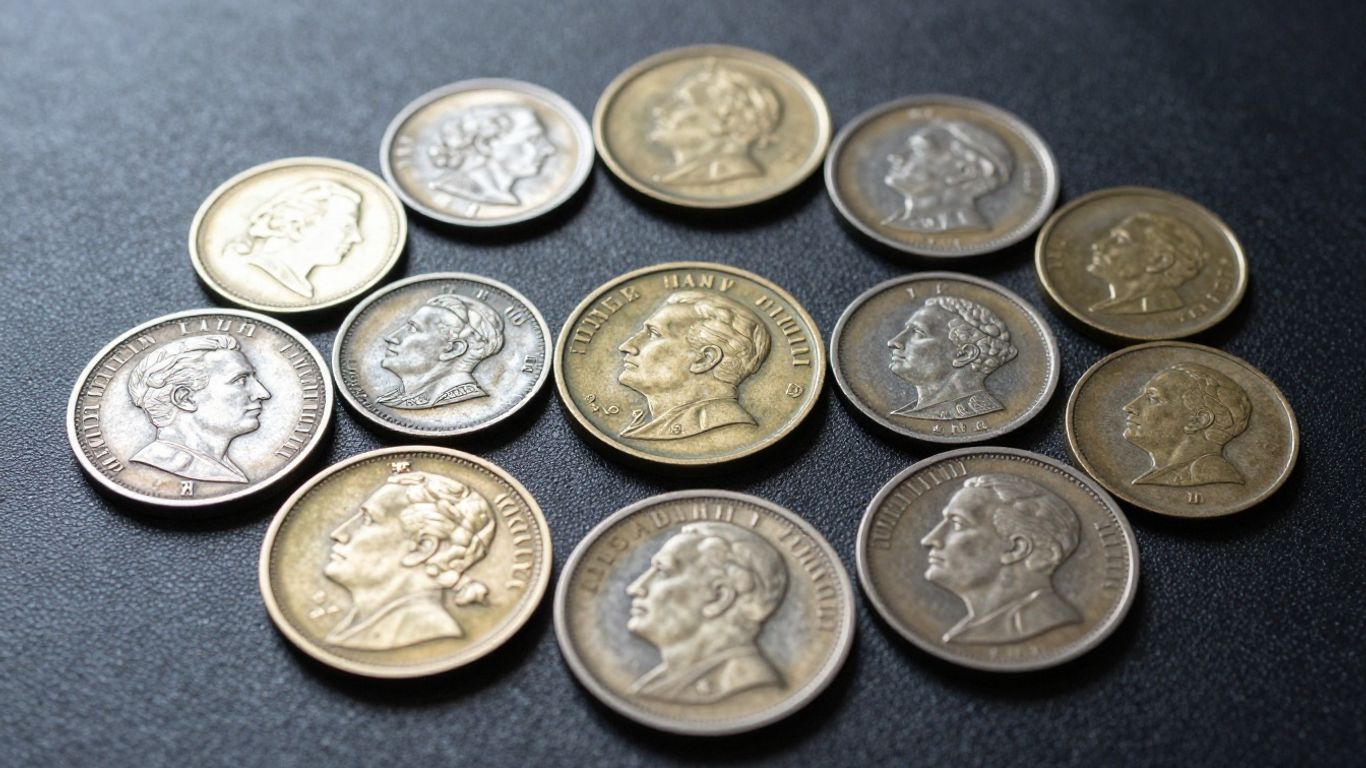
Finding Asian coins in San Antonio requires a bit of a treasure hunt, but it’s definitely doable. You won’t find a dedicated "Asian Coin Emporium" on every corner, but by knowing where to look, you can uncover some interesting pieces.
Local Coin Shops and Dealers
San Antonio has a number of coin shops that cater to collectors. While their primary focus might be on U.S. coinage, many dealers have a diverse inventory that includes foreign coins. It’s always a good idea to call ahead or visit these shops regularly. You might find that a dealer has recently acquired a collection that includes Asian currency, or they might be willing to source specific items for you. Building a relationship with local dealers can be very beneficial.
- Coin & Stamp Expo: Often features a variety of dealers, some of whom may specialize in or carry Asian coins.
- Local Numismatic Societies: Members often trade or sell among themselves, and these groups can be a great source of information on where to find specific coins.
- Pawn Shops and Antique Stores: While less common, these can sometimes yield unexpected finds, especially if the owner isn’t fully aware of the coin’s value.
Numismatic Shows and Events
Attending coin shows is one of the most effective ways to find a wide selection of coins, including those from Asia. These events bring together numerous dealers from different regions, all under one roof. You’ll have the chance to see a lot of inventory in a short amount of time and can often negotiate prices. Keep an eye on local event listings for any upcoming coin shows in the San Antonio area or nearby cities.
Shows are fantastic for comparing different coins side-by-side and talking directly with sellers. It’s a hands-on experience that online shopping just can’t replicate.
Online Marketplaces and Auctions
For a broader selection, the internet is your best friend. Websites like eBay, Heritage Auctions, and specialized numismatic auction sites offer a vast array of Asian coins. You can often find rare or specific items that might be hard to locate locally. However, when buying online, it’s important to be cautious. Always check seller reviews, understand return policies, and be wary of deals that seem too good to be true. Researching the seller and the coin’s authenticity is key.
- eBay: Offers a huge variety, from common circulated coins to rare collectibles. Use filters to narrow your search.
- Heritage Auctions: A major auction house that frequently features significant Asian numismatic items.
- Specialized Dealer Websites: Many reputable coin dealers have their own websites where they list their inventory.
Building Your Asian Coin Collection
Starting an Asian coin collection can feel a bit overwhelming at first, but breaking it down into manageable steps makes it much more approachable. Think about what really interests you. Are you drawn to the intricate designs of ancient Chinese cash coins, the silver dollars of Japan, or perhaps the more modern issues from Southeast Asia? Focusing your efforts can lead to a more cohesive and satisfying collection.
Focusing on Specific Asian Regions
Asia is a vast continent with a rich history of coinage. Trying to collect coins from every country at once is a tall order. Instead, consider narrowing your focus to a specific region. This could be East Asia (China, Japan, Korea), Southeast Asia (Thailand, Vietnam, Philippines), South Asia (India, Pakistan), or the Middle East. Each region has its own unique numismatic story and a wide array of coins to explore.
- East Asia: Known for its early metal currency, including the distinctive hole-punched cash coins of China, and the more formal coinage of Japan and Korea.
- Southeast Asia: Features a diverse range of silver and gold coins, often with intricate designs reflecting local culture and religion, as well as colonial-era issues.
- South Asia: Offers a long history of coinage, from ancient Indian dynasties to the coins of the British Raj and modern nations.
Collecting by Era or Dynasty
Another popular approach is to collect coins based on historical periods or ruling dynasties. This allows you to trace the evolution of coinage within a specific country or region over time. For example, you could focus on collecting coins from different Chinese dynasties, observing how the designs, materials, and denominations changed with each era. This method provides a clear historical narrative within your collection.
- Chinese Dynasties: From the Warring States period to the Qing Dynasty, each era offers unique coin types.
- Japanese Eras: Explore the feudal period, the Meiji Restoration, and modern Japanese coinage.
- Indian Empires: Collect coins from the Maurya, Gupta, Mughal, and British periods.
Investment Strategies for Asian Coins
While many collectors focus on the historical and aesthetic appeal of coins, some also consider the investment potential. The value of Asian coins can fluctuate based on rarity, condition, historical significance, and market demand. Researching market trends and understanding grading is important if you plan to build a collection with an investment focus. It’s often advised to start with more common, affordable pieces to gain experience before investing in rarer, more expensive items. Diversifying your holdings across different regions and types of coins can also be a prudent strategy.
Building a collection is a journey, not a race. It’s about the pursuit of knowledge and the joy of discovery. Patience and consistent effort will yield a collection that is both personally rewarding and potentially valuable.
Advanced Topics in Asian Numismatics
Counterfeit Detection for Asian Coins
When you start looking at more specialized coins, especially those from Asia, you’ll run into fakes. It’s just a thing. Sometimes they’re old copies made ages ago, and other times they’re modern rip-offs. Learning to spot these is a big step for any serious collector. You can’t just trust that a coin looks right; you have to check it. Things like weight, size, metal content, and even the sound it makes when you tap it can be clues. Look closely at the details – are the characters sharp or fuzzy? Does the patina look natural or painted on? It takes practice, and sometimes you need to compare a suspect coin to known genuine examples. Don’t be afraid to ask experts or dealers if you’re unsure about a piece.
The Role of Paper Money in Asian Collections
While coins are often the main focus, don’t forget about paper money from Asia. Many countries have a rich history of banknotes, from early government issues to more recent currency. These can be just as interesting and collectible as coins. Think about the designs, the security features, and the historical events they represent. Some Asian banknotes are incredibly rare and sought after by collectors.
Medals and Tokens from Asia
Beyond official coinage, Asia also produced a lot of medals and tokens. These might commemorate events, honor people, or serve specific purposes within a community or business. They offer another window into the culture and history of the region. Collecting these can add a unique dimension to your Asian numismatic pursuits.
Here are some areas to consider when looking at Asian medals and tokens:
- Commemorative Medals: Often issued for significant national events, royal anniversaries, or military achievements.
- Exhibition Medals: Awarded at international or local fairs and expositions, showcasing industrial or artistic progress.
- Transportation Tokens: Used for public transport, ferries, or even early forms of arcade games.
- Merchant Tokens: Issued by businesses as a form of local currency or for promotional purposes.
Getting into the more advanced side of collecting Asian coins means you’ll need to be sharp. It’s not just about buying pretty pieces; it’s about knowing what you’re buying and why it’s important. This means doing your homework, looking at details, and understanding the market.
Connecting with the San Antonio Coin Community
Local Coin Shops and Dealers
San Antonio has a number of local coin shops that are great places to start. These dealers often have a good selection of Asian coins, and they can be a source of information. Don’t be afraid to strike up a conversation with the shop owner or staff; they usually have a lot of knowledge to share. Some shops might even host informal gatherings or know about local collectors who specialize in Asian numismatics. It’s worth visiting a few to get a feel for what’s available and who knows what.
Numismatic Shows and Events
Attending coin shows, whether they are local or regional, is a fantastic way to see a wide variety of coins and meet other collectors. These events often bring dealers from different areas together, increasing the chances of finding those harder-to-find Asian pieces. You can also learn a lot just by walking around and observing. Keep an eye out for announcements about upcoming shows in the San Antonio area or nearby cities. These events are often advertised through local coin clubs or numismatic organizations.
Online Marketplaces and Auctions
While not strictly in San Antonio, online platforms are a significant part of the modern coin collecting world. Websites dedicated to coin auctions and sales can provide access to a global market, including many Asian coins. However, it’s important to be cautious and do your research when buying online. Look for reputable sellers with good feedback. Many collectors also use these platforms to research prices and trends, which can be helpful when you’re trying to value your own finds.
Building connections within the coin community can significantly enrich your collecting journey. Sharing experiences and knowledge with fellow enthusiasts, whether in person or online, opens up new avenues for discovery and learning. It’s through these interactions that you often find those hidden gems and gain insights that aren’t readily available in books.
Local Coin Clubs and Organizations
Joining a local coin club is one of the best ways to connect with other collectors in San Antonio. These clubs provide a structured environment for enthusiasts to meet regularly, share their collections, and discuss all things numismatic. You’ll find people with diverse interests, and many will have experience with or knowledge of Asian coins. The Gateway Coin Club, for instance, offers annual membership for a modest fee and provides opportunities for members to win prizes and participate in raffles at meetings. It’s a great way to become part of the local scene The Gateway Coin Club.
Networking with Fellow Collectors
Beyond formal club meetings, look for opportunities to network. This could involve attending coin shop events, participating in online forums, or even just chatting with people at coin shows. Building relationships with other collectors can lead to trading opportunities, advice on acquisitions, and even help in identifying or authenticating coins. Many experienced collectors are happy to share their passion and guide newcomers.
Sharing Knowledge on Asian Coins
Don’t hesitate to share what you learn about Asian coins. As you build your collection and knowledge base, you can contribute to discussions within clubs or online. Teaching others about specific Asian coin types, historical periods, or cultural significance can solidify your own understanding and help foster a more informed collecting community. It’s a two-way street; the more you share, the more you often learn in return.
Preserving and Displaying Your Collection
Taking care of your Asian coins is just as important as finding them. Proper preservation means your collection stays in good condition for years to come, and good display makes them enjoyable to look at. It’s not complicated, but it does require some attention to detail.
Proper Storage Techniques
When it comes to storing your coins, the main goal is to prevent damage. This means keeping them away from things that can cause harm, like air, moisture, and even certain types of plastic. Always use materials that are safe for coins. This usually means looking for "PVC-free" options. PVC, a type of plastic, can break down over time and release chemicals that damage metal surfaces, leading to green or black spots.
Here are some common storage methods:
- Coin Flips: These are small plastic envelopes, often made of Mylar, that hold one or two coins. They are inexpensive and allow you to see both sides of the coin easily. Make sure they are PVC-free.
- Coin Albums: These are books with pre-cut slots for specific coins. They are great for organizing and displaying sets, like a series of Chinese cash coins or Japanese 10 Yen pieces. Some albums are designed for specific countries or eras.
- Coin Tubes: These are cylindrical containers, usually made of plastic, that hold multiple coins of the same size. They are good for bulk storage of common coins or for coins you plan to keep in their original mint packaging.
- Individual Holders: For more valuable or rare coins, consider inert plastic capsules or custom-fit holders. These offer maximum protection.
It’s also a good idea to keep your coins in a stable environment. Avoid places with high humidity or extreme temperature changes, like attics or basements. A dry, climate-controlled room is best. Keeping a detailed inventory, perhaps even a digital one, can also help you track what you have and its condition. This is a good practice for preserving a coin collection as a family heirloom [004d].
Display Options for Asian Coins
Once you have your coins stored safely, you’ll want to show them off. There are several ways to do this:
- Display Cases: These can range from simple wooden boxes with velvet lining to elaborate glass cabinets. They protect coins from dust and handling while making them visible.
- Coin Stands: Small, clear plastic stands are perfect for displaying individual coins on a shelf or desk. This allows you to highlight specific pieces in your collection.
- Framed Displays: For a more permanent display, consider having coins professionally mounted and framed. This can create a striking visual piece, especially if you group coins by theme or origin.
When displaying, remember that direct sunlight can fade labels and potentially affect some coin materials over long periods. It’s also wise to place displays where they won’t be easily knocked over.
Maintaining Coin Condition
Keeping your coins in top shape involves more than just storage and display. It’s about handling them correctly and being aware of potential issues.
- Handling: Always handle coins by their edges. Avoid touching the surfaces, as fingerprints can leave oils that may cause corrosion over time. Using cotton gloves is a good habit for valuable pieces.
- Cleaning: Generally, it is best not to clean your coins. Cleaning can significantly reduce a coin’s numismatic value. If a coin has surface dirt that is not ingrained, a gentle rinse with distilled water might be considered, but this should be done with extreme caution and only if you are certain it won’t cause harm. For most collectors, leaving coins as they are is the safest approach.
- Environment: As mentioned, a stable environment is key. Monitor humidity levels and temperature. Consider using silica gel packets in storage containers to absorb excess moisture.
The long-term health of your Asian coin collection depends on consistent, careful attention. Think of it like caring for old photographs or delicate artwork; the right environment and handling make all the difference in preserving their integrity and appeal for the future.
By following these guidelines, you can ensure your collection of Asian coins remains a source of pride and historical interest for many years.
The Appeal of Asian Coins
Historical Significance of Asian Coinage
Asian coins are more than just metal discs; they are tangible pieces of history. Each coin tells a story about the empire, dynasty, or nation that issued it. From the earliest bronze coins of ancient China to the intricate silver pieces of the Mughal Empire, these artifacts offer a direct connection to the past. They reflect economic systems, political changes, and the very evolution of trade across a vast and diverse continent. Holding an ancient Asian coin is like holding a fragment of a bygone era.
Artistic Merit in Asian Coin Designs
The aesthetic qualities of Asian coins are often remarkable. Many feature intricate designs, calligraphy, and imagery that showcase the artistic traditions of their origin. Chinese coins, for instance, are known for their distinctive square holes in the center, often surrounded by elegant characters. Japanese coins might display delicate floral motifs or imperial symbols. The craftsmanship involved in producing these coins, especially those made from precious metals, speaks to a high level of artistry that collectors find incredibly appealing.
Cultural Insights Through Coins
Beyond their historical and artistic value, Asian coins provide a window into the cultural values and beliefs of the societies that created them. Symbols on coins can represent prosperity, good fortune, or religious beliefs. The evolution of coin designs over time can also illustrate shifts in cultural priorities or the influence of external cultures. Studying these coins allows for a deeper appreciation of the rich tapestry of Asian cultures and their unique perspectives on wealth and society.
Wrapping Up Your Coin Journey
So, that’s a look at some of the places you might find interesting Asian coins right here in San Antonio. It’s a big world out there, and collecting coins is a great way to learn about it, even from your own city. Whether you’re just starting out or you’ve been collecting for years, there’s always something new to discover. Keep your eyes open, do a little digging, and you might just find that next special piece for your collection. Happy hunting!
Frequently Asked Questions
What makes Asian coins interesting to collect?
Asian coins are fascinating because they tell stories about the history, art, and culture of different countries. Each coin can be a tiny piece of history, showing rulers, symbols, or events from long ago. They often have unique designs that are very different from coins made elsewhere.
Where can I start looking for Asian coins in San Antonio?
You can find Asian coins at local coin shops, which often have a variety of items from around the world. Also, keep an eye out for coin shows or numismatic events happening in the San Antonio area. These events are great places to see many coins and talk to dealers.
How do I know if an Asian coin is real and what it's worth?
To check if a coin is real and find its value, it’s helpful to use coin catalogs and guides that focus on Asian currency. You can also consult with experienced coin dealers or grading services. Comparing your coin to known examples and understanding its condition are key steps.
Are there specific types of Asian coins that are more popular to collect?
Many collectors focus on coins from particular regions, like China, Japan, or India, or collect coins from specific time periods or dynasties. Some people also like to collect coins based on their metal content, like silver or gold, or by their artistic designs.
What should I do if I suspect a coin might be fake?
If you think a coin might be fake, it’s best not to buy it or try to sell it. Look for coins from reputable dealers. You can also learn about common ways coins are faked and compare your coin closely to known genuine examples. Experts can help identify fakes.
How can I learn more about the history behind Asian coins?
Reading books and articles about the history of coinage in Asia is a great way to learn. Museums, numismatic societies, and online resources can also provide a lot of information about the historical background and cultural significance of these coins.
Is it important to join a coin club to collect Asian coins?
Joining a coin club, especially one with members interested in world coins, can be very beneficial. You can meet other collectors, share information, learn from their experiences, and sometimes find coins you’re looking for. It’s a good way to connect with the numismatic community.
What's the best way to keep my Asian coins safe?
To protect your coins, store them properly in protective holders or albums designed for coins. Keep them in a stable environment, away from extreme temperatures, humidity, and direct sunlight. Handling them carefully by the edges is also important to maintain their condition.