
When dealing with an estate that includes a coin collection, figuring out what it’s all worth can feel like a puzzle. It’s not just about looking up a coin’s date and seeing a number online. Real value often comes from things automated tools miss, like a coin’s condition or a rare printing error. This is where professional estate coin appraisal services become really important, especially as we look ahead to 2026. They help make sure you understand the true worth of these items, whether they’re old silver dollars or historical paper money.
Key Takeaways
- Automated coin value checkers often miss the real worth of rare coins, which is driven by factors like condition and specific minting errors.
- Professional estate coin appraisal services are vital for accurately valuing collections, distinguishing between simple metal worth and numismatic collector value.
- Understanding market trends, like the difference between bullion value and numismatic premiums, is key to assessing a coin collection’s true worth in 2026.
- Services like American Rarities offer various appraisal methods, including remote, in-person, and mail-in options, to suit different needs for estate coin appraisal services.
- Working with reputable appraisers provides fiduciaries and estate professionals with necessary documentation and avoids administrative burdens, protecting the estate’s interests.
Understanding The Need For Estate Coin Appraisal Services
Beyond The "Coin Value Checker"
Many people think they can get a good idea of their coin’s worth just by looking it up online. While these "coin value checker" tools might give you a starting point for common coins, they often miss the mark when it comes to valuable collections. These automated systems can’t see the small details that make a coin truly rare and desirable. They don’t account for things like original luster, specific toning patterns, or the subtle differences in mint marks that a seasoned collector or appraiser would spot immediately. Relying solely on these tools can lead to a significant underestimation of your collection’s actual worth, especially in the current market where rare coins are seen as serious investments.
The Limitation Of Automated Tools
Automated online tools are built on general data, and they struggle with the specifics that drive numismatic value. They might tell you the melt value of silver in a coin, but they won’t tell you if that coin is a rare "key date" or has a unique error that multiplies its worth. Think of it like trying to diagnose a complex medical condition with a general health app – it might flag something, but it can’t replace a doctor’s examination. For instance, a tool might list a silver dollar at its silver content price, completely overlooking a rare die variety that makes it worth hundreds or even thousands more. This is why a professional opinion is so important when you’re dealing with potentially valuable items.
Why Professional Appraisal Is Vital
Getting a professional appraisal is more than just a formality; it’s a necessary step for several reasons. It provides an accurate picture of your collection’s value, which is important whether you’re planning for the future, insuring your assets, or settling an estate. A qualified appraiser looks at:
- Condition (Grade): The physical state of the coin, from its strike to its surface preservation.
- Rarity: How many of that specific coin were minted and how many are known to exist today.
- Demand: Current market interest from collectors and investors.
- Historical Significance: The coin’s place in history and its appeal to specialists.
Without an expert’s close examination, it’s easy to overlook small details that can dramatically affect a coin’s sale price. A professional appraisal offers peace of mind and ensures you’re making informed decisions about your collection’s future.
For those new to coin collecting, seeking advice on choosing certified coins and finding trusted dealers is a smart first step to avoid common pitfalls beginner’s guide to coin collecting.
Navigating The 2026 Rare Coin Market
Understanding Market Trends
The rare coin market in 2026 is showing continued strength, building on trends from the previous year. Factors like the price of gold and silver are drawing new attention to coins, boosting the market overall. It’s not just about the metal content anymore; collector interest plays a big part in what makes a coin truly valuable. For anyone dealing with an estate, knowing these trends is the first step to getting a fair price for a collection. The market is dynamic, and staying informed helps ensure you’re not leaving money on the table. This is especially true when you’re looking at coins that might seem common at first glance but have a hidden collector appeal. The rare coin market is continuing its upward trend into 2026.
Bullion Value Versus Numismatic Premium
When you look at coins, there are two main ways their value is figured out: bullion value and numismatic premium. Bullion value is basically what the precious metal in the coin is worth, like gold or silver. This value changes daily based on market prices. Numismatic premium, on the other hand, is the extra value a coin has because it’s rare, in good condition, or has historical significance to collectors. Many automated tools only look at the metal content, missing out on the collector’s premium, which is often where the real money is. For example, a common date silver dollar might be worth its silver weight, but a rare date or one in perfect condition could be worth many times that amount.
The "Junk Silver" Factor
Coins often referred to as "junk silver" are typically older U.S. dimes, quarters, and half dollars made before 1965. These coins are about 90% silver. Their worth is tied directly to the current price of silver. For estate executors, identifying these bulk silver coins is important for quickly getting cash from the estate. While they might not have a high collector value, their silver content makes them a reliable source of immediate liquidity. It’s a straightforward way to convert assets into funds when needed.
Understanding the difference between bullion value and numismatic premium is key. While the metal content provides a baseline, the true rarity, condition, and historical demand from collectors often determine a coin’s significant worth. Automated tools frequently overlook these critical factors, leading to underestimations of a collection’s potential value.
Identifying Hidden Value In Your Collection
Sometimes, the most valuable items in a coin collection aren’t the ones that immediately jump out. It takes a trained eye to spot the subtle details that can turn an ordinary coin into something quite special. Automated checkers and basic guides often miss these nuances, leaving potential value on the table.
The "Key Date" Hunt
Certain coins, even if they look like common ones, can be incredibly rare due to their specific date and mint mark. Think of a 1916 Mercury Dime – a regular one might be worth a few dollars, but a 1916-D (from the Denver mint) is a major rarity, fetching thousands. Estate appraisers are skilled at identifying these "key dates" so they aren’t accidentally sold for their metal content.
Recognizing Errors and Die Varieties
Mistakes happen during the minting process, and these errors can significantly increase a coin’s worth. Things like doubled dies (where the design appears doubled), clipped planchets (coins struck on metal discs that weren’t fully round), or even errors in the metal composition (like the famous 1943 copper penny) can be worth a lot of money. Professional appraisers use special tools and knowledge to spot these anomalies.
The "Condition Rarity" Exception
Even common coins can become valuable if they are in exceptionally good condition. A coin that looks like it just left the mint, with no signs of wear and full original shine, is called "uncirculated." A small difference in the grading scale – say, from an 65 to a 66 – can sometimes double or even triple a coin’s value. This is known as "condition rarity," where the survival of a coin in such pristine shape makes it rare, regardless of how many were originally made.
Don’t assume that just because a coin is old, it’s automatically valuable. Many older coins were made in huge numbers and, unless they are a rare date or in amazing condition, they might only be worth their metal weight. It’s the combination of rarity, condition, and collector demand that truly drives value.
The American Rarities Advantage For Estate Coin Appraisal Services
When it comes to valuing a coin collection for an estate, you need more than just a quick look. You need a service that understands the weight of responsibility that comes with settling an estate. That’s where American Rarities steps in. We’ve built our name on providing a level of service that goes far beyond what you might find at a typical coin shop. Our commitment is to transparency, integrity, and getting the most accurate valuation possible for your collection.
Credentials And Proven Integrity
Settling an estate means you have a duty to be thorough and fair. We get that. That’s why we’ve worked hard to earn trust within the numismatic community and with professionals who handle estates. We are proud Life Members of the American Numismatic Association (ANA), a respected organization in the coin collecting world. You can also see our A+ rating with the Better Business Bureau, which shows our dedication to ethical business practices. Plus, our clients have given us a 4.7-star rating on Google Business Reviews. These aren’t just numbers; they represent years of honest dealings and satisfied customers. For estate planners and fiduciaries, these credentials offer the solid proof needed to show that the estate’s assets were handled properly and transparently.
Professional Asset Management
Dealing with a coin collection can be complicated. It’s not like selling a car or a piece of furniture. Each coin can have its own story and value, depending on its date, condition, and rarity. Trying to manage this yourself can be a huge task, taking up a lot of time and potentially leading to mistakes. We act as your professional partner, taking on the burden of managing these unique assets. We provide a clear, documented appraisal and offer, which is exactly what you need to satisfy legal and tax requirements. This approach helps avoid the administrative headaches and legal risks that can come with trying to sell items individually or dealing with unknown buyers. We aim to make the process straightforward and secure for everyone involved.
A Legacy Of Expertise
Our team brings decades of combined experience to the table. We’ve seen it all, from common circulated coins to some of the rarest numismatic treasures. This deep knowledge allows us to spot value that others might miss. We understand the nuances of the rare coin market, including how trends can affect prices. Whether it’s identifying a rare date, a minting error, or a coin in exceptional condition, our experts have the skills to assess its true worth. We’ve been serving collectors and estates across the country for years, building a reputation for fair dealing and accurate appraisals. You can trust that your collection is in capable hands with American Rare Coin and Bullion.
Handling a coin collection as part of an estate requires a specialized approach. It’s not just about the metal content; it’s about the history, the rarity, and the condition of each piece. A professional appraisal provides a clear picture of what the collection is truly worth in today’s market, offering peace of mind and a solid foundation for estate settlement.
Comprehensive Valuation For Diverse Estates
United States and World Rare Coins
When dealing with an estate, the coin collection might not just be limited to American currency. It’s not uncommon to find a mix of U.S. coins alongside foreign ones, spanning different eras and countries. A thorough appraisal needs to account for this global scope. We look at everything from early colonial pieces to more modern international issues. The condition of these coins is key; a coin that has survived in near-perfect shape can be worth significantly more than one in average condition. This is what we call "condition rarity." We’ve seen collections with a few seemingly ordinary foreign coins turn out to hold surprising value due to their rarity and state of preservation.
Gold and Silver Bullion
Beyond collectible coins, many estates contain significant amounts of gold and silver bullion. This can range from bags of older, 90% silver "junk" coins (like dimes, quarters, and halves minted before 1965) to modern gold or silver American Eagles, or even vintage silver bars. While the value of bullion is closely tied to the daily market price of the precious metal, knowing the exact weight and purity is important. We provide pricing based on the current spot price, making sure you get a fair assessment for these assets.
Historical U.S. Paper Currency
Don’t overlook the paper money! Old U.S. currency, such as large-size "horse blanket" notes, Gold Certificates, and Silver Certificates, is often sought after by collectors. These aren’t just valued for their face value; their historical significance and scarcity play a big role. We assess these notes based on their technical grade and rarity, ensuring that inherited paper money is valued for its numismatic and historical worth, not just what’s printed on it. It’s amazing how many estates have these hidden treasures tucked away. For example, a well-preserved large-size Silver Certificate could be worth far more than its original denomination suggests. We can help identify these pieces for you. You can find more information on how collections are handled at Markham Numismatics.
Professional Support For Fiduciaries And Estate Professionals
The Fiduciary Responsibility To The Estate
When you’re tasked with managing an estate, especially one that includes a collection of rare coins or currency, you have a serious duty to get it right. This isn’t just about sorting through old items; it’s about making sure the estate’s assets are handled properly and valued accurately. Relying on quick, informal opinions or online tools can lead to mistakes that have real financial consequences for the beneficiaries. A professional appraisal provides a clear, documented record that shows you’ve done your homework. This paper trail is essential for probate and tax purposes, offering a layer of protection for you and the estate.
Avoiding Administrative Burdens
Dealing with a coin collection can be time-consuming and complicated. You might not know the first thing about grading coins, identifying rare varieties, or understanding market fluctuations. Trying to sell individual pieces yourself can mean endless phone calls, meetings with potential buyers who might not be serious, and the general hassle of managing multiple transactions. It takes away from your other important duties. Working with a firm that specializes in estate coin appraisals means you can hand over the complex task to experts. They handle the sorting, evaluation, and even the purchasing process, simplifying things considerably.
Ensuring Legal Protection
As a fiduciary, your primary concern is to act in the best interest of the estate and its beneficiaries. This means avoiding actions that could be seen as negligent or detrimental to the estate’s value. A formal, written appraisal from a reputable firm serves as proof that you sought professional advice and acted prudently. It helps shield you from potential claims that the estate’s assets were undervalued or mishandled. A pawn shop’s quick offer, for instance, usually lacks the detail and authority needed to satisfy legal requirements or provide this kind of protection.
- Documentation: A formal appraisal provides a written record of the collection’s contents and estimated value.
- Transparency: The process is clear, showing how values were determined.
- Accountability: It demonstrates due diligence in managing the estate’s assets.
- Reduced Liability: Protects the fiduciary from claims of mismanagement.
Handling a coin collection within an estate requires a level of specialized knowledge that most fiduciaries don’t possess. Bringing in experts ensures that the collection is valued correctly, which is vital for fair distribution and legal compliance. It’s about more than just getting a price; it’s about fulfilling your responsibilities with confidence.
Your Options For A Professional Evaluation
When it comes to figuring out what your coin collection is really worth, you’ve got a few different ways to go about it. It’s not a one-size-fits-all situation, and what works best often depends on how big your collection is, how much time you have, and what you’re most comfortable with. Gone are the days when your only choice was to haul a heavy box of coins down to the local shop and hope for the best. Today, there are more convenient and secure methods available to get a solid valuation.
Private Remote Appraisal Via Technology
This is a pretty straightforward way to get started, especially if you’re busy or your collection isn’t massive. You can take clear photos of your coins, or even just send over a list of what you have. A senior appraiser can then look at these images or the list and give you a preliminary idea of value, often within a day or two. It’s a quick way to get a sense of what you might be looking at without leaving your home. This method uses current market data to give you a realistic price.
Reputable Home and Office Visits
For larger collections or estates where the value is likely quite high, a personal visit might be the best route. Reputable appraisers can travel to you, whether that’s your home, your lawyer’s office, or even a bank vault. This offers a more hands-on approach, allowing the appraiser to examine each coin closely. It feels more personal, like a local deal, but you still get the backing and security of a larger, established firm.
100% No-Risk Mail-In Service
If you prefer a digital approach but want the coins physically examined, a mail-in service is a solid option. You send your collection using a secure, insured shipping process. The company usually covers the shipping costs and provides tracking so you know exactly where your coins are. Your collection is fully protected while in transit and at their facility. Once they’ve assessed everything, they’ll provide you with a detailed valuation. It’s a way to get a professional appraisal without having to meet anyone in person.
Choosing the right appraisal method is about balancing convenience, security, and accuracy. Each option provides a different level of interaction and speed, allowing you to select the one that best fits your personal circumstances and the nature of your coin collection.
Strategic Auction House Partnerships
While we are always interested in making direct offers for your collection, we also understand that some coins are simply too special to sell quickly. These are the "trophy" rarities, the unique varieties, or the exceptionally well-preserved gold coins that deserve a wider audience. For these items, we have built strong, long-term relationships with leading auction houses.
These partnerships allow us to place your most significant coins on the global stage, reaching collectors and investors worldwide. We can manage the entire consignment process for you, from initial cataloging to final sale. Often, due to our established relationships, we can secure preferential auction fees and rates for our clients. This means more of the final sale price stays with you. It’s about making sure your highest-value assets get the attention they deserve and achieve their full market potential.
Here’s what these partnerships can mean for your estate:
- Access to a Global Buyer Pool: Auction houses have established networks of serious collectors and dealers who actively participate in sales, both in person and online. This broad reach is key to finding the right buyer for a rare coin.
- Expert Cataloging and Presentation: Your coins will be professionally photographed and described by experts, highlighting their unique attributes and historical significance. This presentation is vital for attracting competitive bids.
- Competitive Bidding Environment: Auctions create a dynamic environment where demand can drive prices higher than a private sale might achieve, especially for truly exceptional pieces.
When a coin is truly a standout rarity, the auction route often provides the most transparent and effective way to discover its true market value. It’s a proven method for realizing top dollar when the circumstances are right. We handle the complexities, so you don’t have to worry about the details.
The Process Of Getting Coins Appraised
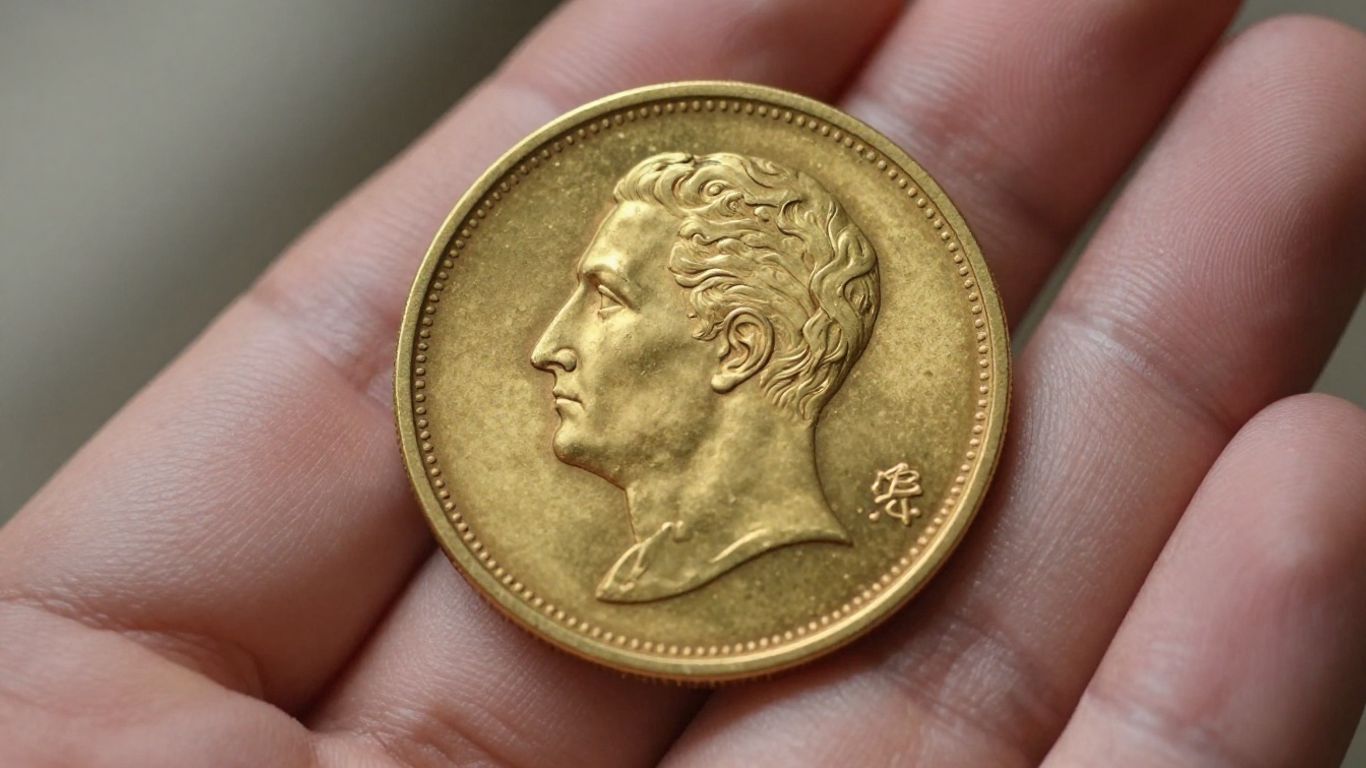
So, you’ve got a collection of coins, maybe inherited, maybe gathered over years, and you’re wondering what they’re actually worth. It’s not as simple as just looking up a number online, though. Getting a professional appraisal is a key step to understanding your collection’s real value, especially if you’re thinking about insurance or estate planning. A proper appraisal provides clarity and can safeguard heirs. This market-based valuation is crucial for understanding the true worth of a coin collection.
Organize Your Coin Collection For Appraisal
Before you even think about showing your coins to an expert, take some time to get them in order. If you plan on taking them to an appraiser in person, separating them can make their job easier. You might group them by country, by year, by type, or even by metal content like gold and silver. Whatever you do, avoid cleaning your coins. Cleaning can actually damage them and significantly lower their value. Also, try not to remove them from any original holders, albums, or binders they might be in. Leave them as you found them; the appraiser will handle them carefully. If you’re considering an online appraisal, organization is less critical, as the service will guide you through the process.
Decide On In-Person Versus Online Appraisal
This is a big decision, and it really depends on what works best for you and your collection. Both in-person and online appraisals have their pros and cons.
- In-Person Appraisal: This allows the appraiser to physically examine each coin. It’s often preferred for very large or particularly valuable collections where close inspection is paramount. You can build a rapport with the appraiser and ask questions directly.
- Online Appraisal: With advancements in technology, online appraisals are becoming increasingly popular and convenient. You’ll typically need good quality photos or videos of your coins. This method saves you travel time and can be a great way to get a preliminary valuation quickly.
- Home Visits: Some services offer the convenience of coming to your home, combining the benefit of in-person inspection with the comfort of staying put.
The choice between in-person and online often comes down to convenience, the size and nature of your collection, and your personal comfort level with technology.
Finding A Qualified Coin Appraiser
Not all coin appraisers are created equal. You want someone with proven credentials and a solid reputation. Look for appraisers who are certified by reputable numismatic organizations. Membership in groups like the American Numismatic Association is a good sign, as it indicates specialized training in coin grading, authenticity, and market knowledge. Check if they are accredited by the Better Business Bureau. It’s also wise to seek out appraisers who specialize in the types of coins you have, whether they are ancient coins, U.S. currency, or world coins. Getting multiple opinions is always a smart move to confirm the valuation and ensure you’re getting a fair assessment. You can often find recommendations through collector forums or by asking other collectors you trust.
Realize The Maximum Value Of Your Collection
Why Getting a Professional Opinion Is Worth It
So, you’ve got a box of old coins, maybe inherited from a grandparent, or perhaps you’ve been collecting for years. You’ve probably looked up a few things online, maybe even used one of those quick value checker apps. It’s easy to get a general idea, but honestly, those tools often miss the mark when it comes to truly rare items. The real value of a collection is often found in the details that only an experienced eye can spot. Think about it: a common date coin might be worth its silver content, but a rare date or a coin with a minting error could be worth a small fortune. Relying solely on automated tools is like trying to judge a book by its cover – you miss the whole story.
The Role Auctions Play In Finding Real Value
When it comes to figuring out what your coins are actually worth in today’s market, there’s no substitute for a competitive auction. This is where serious collectors, dealers, and investors put their money on the line, and that’s where you see the true price realized. It’s a transparent process that shows what people are willing to pay right now.
Here’s what a good auction partnership can do for you:
- Targeted Marketing: They know who collects what and can reach out to the right people.
- Professional Presentation: Your coins get photographed well and described accurately, making them appealing to buyers.
- Secure Handling: From the moment they receive your items until they’re sold, everything is managed carefully.
- Broad Reach: Auctions can be held in person and online, attracting bidders from all over the globe.
Making The Decision: Sell Or Keep Your Collection
After getting a professional appraisal and understanding the potential market value, you’ll be in a much better position to decide what to do next. It’s not always about selling immediately. Sometimes, holding onto a collection, especially if it’s appreciating in value or has significant sentimental importance, is the right choice. However, if liquidity is needed, or if the market conditions are particularly favorable for certain types of coins, selling through a reputable channel can be very beneficial. A professional appraisal provides the data you need to make an informed decision that aligns with your financial goals and personal wishes.
Final Thoughts on Your Collection’s Worth
So, when it comes down to it, figuring out what your coins are really worth in 2026 is a big deal. It’s not just about knowing if you have a few bucks or a fortune tucked away. It’s about making sure you get a fair shake, especially if you’re dealing with an estate. Using those online tools is okay for a quick look, but they just can’t see the whole picture like a real person can. A proper appraisal from someone who knows their stuff is the way to go. It gives you solid information, helps you avoid mistakes, and ultimately, makes sure your collection is valued correctly. Don’t guess – get it appraised.
Frequently Asked Questions
Why can’t I just use an online coin value checker for my estate collection?
Online tools are okay for common coins, but they often miss the real value. Rare coins have special dates, mint marks, and conditions that only an expert can spot. These details can make a coin worth much more than a simple lookup suggests.
What’s the difference between bullion value and numismatic value?
Bullion value is just the worth of the metal inside the coin, like gold or silver. Numismatic value is what collectors will pay for the coin because of its rarity, condition, and historical importance. This collector value is often much higher than the metal price.
What is ‘junk silver’ and how is it valued?
‘Junk silver’ refers to common U.S. coins made before 1965 that are mostly silver, like dimes, quarters, and half dollars. Their value mainly depends on the current price of silver. An appraiser can quickly identify these for you.
How important is the condition of a coin for its value?
Condition is extremely important! A coin that looks brand new, with its original shine, can be worth many times more than the same coin that has been worn down from use. Even a small difference in condition can greatly change the price.
What makes a coin a ‘key date’?
A ‘key date’ coin is one with a specific year and mint mark that was made in very small numbers. Because they are so rare, collectors really want them, making these specific coins much more valuable than other coins from the same series.
Can I clean my coins to make them look better before an appraisal?
No, please don’t clean your coins. Cleaning them, even with a soft cloth, can damage their surface and remove their natural aged look, called ‘patina.’ This damage usually makes the coin worth much less to collectors.
What if my estate has both U.S. and foreign coins, or old paper money?
Expert appraisers can handle all sorts of collections. They are trained to value not only U.S. coins but also rare coins from around the world, as well as historical paper money like old dollar bills. They provide a complete valuation for diverse estates.
Do I have to sell my coins if I get a free appraisal?
Absolutely not. Getting a free appraisal is just a way to learn the true worth of your collection. You are never obligated to sell. The goal is to give you the information needed to make the best decision for yourself or your estate.