
Finding people who buy replacement notes currency in San Antonio, TX, might seem a little tricky at first. These aren’t your everyday dollar bills that have seen a bit of wear and tear; replacement notes are usually special cases, often damaged but still potentially redeemable. Whether you’ve got a stash from a fire, flood, or just time, knowing where to turn is key. This guide will help you figure out who buys these specific kinds of notes right here in San Antonio.
Key Takeaways
- Look for specialized dealers or services that handle damaged or unusual currency, not just standard collectors.
- The U.S. Bureau of Engraving and Printing (BEP) handles redemption of mutilated currency, but private buyers might offer faster, though potentially lower, prices for replacement notes.
- When choosing a buyer, ask about their experience with replacement notes, how they determine value, and what their process involves.
- Condition is everything; severely damaged notes might be worth more to the BEP than to a private buyer.
- Consider using resources like the PMG Banknote Dealer Locator or online marketplaces, but always do your homework on any San Antonio-based replacement notes currency buyers before making a deal.
Locating Replacement Notes Currency Buyers in San Antonio
Understanding the Role of Currency Buyers
When you have replacement notes, which are essentially currency that has been damaged but still holds some value, finding the right buyer is important. These aren’t your everyday bills; they often require special handling and assessment. Currency buyers are individuals or businesses that specialize in purchasing these types of notes. They understand the process of evaluating damaged currency and know where to find markets for it. Their expertise helps ensure you get a fair assessment for your notes, even if they’re not in perfect condition.
Why Seek Professional Buyers for Replacement Notes
Trying to sell damaged or replacement notes on your own can be a challenge. Many people don’t know how to properly assess their value or where to find interested parties. Professional buyers, on the other hand, have established networks and knowledge specific to this niche market. They can often identify potential value that an untrained eye might miss. For instance, the Bureau of Engraving and Printing (BEP) receives thousands of requests annually for the examination of mutilated currency, indicating a significant volume of such notes in circulation.
Key Considerations When Choosing a Buyer
When you’re looking for someone to buy your replacement notes in San Antonio, there are a few things to keep in mind. You want to find a buyer who is reputable and knowledgeable. It’s also helpful if they are transparent about their process and how they determine the value of the notes. Some buyers might specialize in certain types of currency, so knowing what you have can help you find the best fit.
- Reputation: Look for buyers with good reviews or a history of fair dealings.
- Specialization: Do they handle the specific type of replacement notes you possess?
- Transparency: Are they open about their evaluation methods and fees?
- Location: While not always necessary, a local buyer can sometimes simplify the process. For example, Golden Cash Exchange is a business in San Antonio that deals with currency exchange.
Dealing with damaged currency can be complex. Understanding the potential value and the right channels for sale is key to a successful transaction. Professional buyers bridge this gap, offering a service that simplifies the process for individuals holding such notes.
Specialized Dealers for Banknote Collectors
Identifying Dealers with Numismatic Expertise
When you’re dealing with replacement notes, especially those that might have collectible value, it’s not always about just getting face value back. Sometimes, a damaged or unusual note can be a rare find for a collector. This is where specialized dealers come in. These aren’t your everyday currency exchangers; they understand the world of numismatics, which is the study and collection of coins, paper money, and medals. They know what makes a note desirable beyond its printed worth. Finding a dealer who genuinely appreciates the historical or rarity aspect of your currency can make a big difference in its sale.
Services Offered by Banknote Specialists
Banknote specialists do more than just buy and sell. They often provide a range of services tailored to collectors and serious investors. This can include:
- Appraisal: Getting an expert opinion on the potential value of your notes, especially if they’re old, rare, or in unusual condition.
- Authentication: Confirming that a note is genuine, which is important for both buyers and sellers.
- Grading Consultation: Advising on the condition of your notes and whether professional grading services, like those offered by PMG, would be beneficial for increasing their marketability.
- Consignment Services: Selling your notes on your behalf, taking a commission from the final sale price.
- Sourcing Specific Notes: If you’re looking to acquire certain replacement notes for a collection, they can help you find them.
Finding Dealers by Banknote Specialty
San Antonio has several places where you can find these specialized dealers. For instance, the Alamo Heights Coin Shop is known to handle paper currency alongside coins and other collectibles. It’s always a good idea to check if a dealer focuses on specific types of currency, such as U.S. notes, world paper money, or historical currency. Some dealers might even specialize in error notes or specific historical periods. You can often find lists of reputable dealers through numismatic organizations or by asking other collectors. If you’re looking for dealers who handle specific types of items, you might find resources that list them by their specialty, similar to how stamp dealers are listed in the area.
When dealing with potentially valuable replacement notes, it’s wise to seek out dealers who have a proven track record in the numismatic community. Their knowledge can help you get a fair price and ensure the transaction is handled professionally.
Here’s a quick look at what to consider when looking for a specialist:
- Reputation: Check online reviews, ask for references, or look for affiliations with numismatic associations.
- Inventory: Do they typically carry the types of notes you have or are interested in?
- Transparency: Are they open about their buying process, fees, and how they determine value?
- Specialization: Do they focus on the specific type of currency you possess or are looking for?
Navigating the PMG Banknote Dealer Locator
When you’re looking for a place to sell or buy replacement notes, especially if you’re not sure where to start, the PMG Banknote Dealer Locator can be a really helpful tool. Think of it as a directory designed to connect you with dealers who know their stuff when it comes to paper money. It’s put together by PMG, which is a big name in grading banknotes, so they have a good handle on who’s who in the collecting world.
How the Locator Helps Find Local Dealers
The main point of the locator is to make it simple to find dealers in your area. You can search by location, which is super handy if you prefer to deal with someone face-to-face. This means you can find shops or individuals right here in San Antonio or nearby who are actively buying and selling currency. It cuts down on the guesswork and helps you connect with people who are serious about the business.
Types of Banknotes Handled by Listed Dealers
This locator isn’t just for any old money. The dealers listed often handle a wide range of items, from U.S. currency to world banknotes, and even older colonial currency. If you have specific types of replacement notes, like those from a particular bank or era, you can often filter your search to find dealers who specialize in those areas. This is important because a specialist will likely have a better idea of what your notes are worth. For instance, some dealers might focus on specific states or types of notes, like those found in auctions featuring rare items, such as a specific Hawaii Emergency Note that was graded by PMG [3fe0].
Utilizing the Locator for Buying and Selling
Using the locator is pretty straightforward. You typically enter your location, and it pulls up a list of dealers. For each dealer, you’ll usually find contact information, and sometimes details about their specialties or services. This allows you to do a bit of homework before you reach out. You can see if they buy replacement notes, if they sell them, or if they offer other services like appraisals. It’s a good first step before you even pick up the phone or visit a shop. Remember, these dealers are independent, so it’s always a good idea to check them out yourself before making any deals.
The PMG Banknote Dealer Locator is a resource created to help people find dealers. It lists businesses that buy and sell various types of paper money. While PMG provides the list, they aren’t responsible for the services these independent dealers offer. It’s up to you to look into any dealer before you do business with them.
Here’s a quick look at what you might find:
- Contact Information: Phone numbers, addresses, and sometimes email or website links.
- Specialties: What types of currency they focus on (e.g., U.S. notes, world notes, specific historical periods).
- Services: Whether they buy, sell, appraise, or grade banknotes.
This tool is a solid starting point for anyone looking to connect with the currency market in a more structured way, whether you’re looking to sell notes or find specific pieces for your collection. You can even look up auction prices for certain types of notes, like Texas national bank notes, to get a sense of the market [f352].
Evaluating Potential Replacement Notes Buyers
When you’re looking to sell replacement notes, finding the right buyer is pretty important. It’s not just about getting a price; it’s about dealing with someone who knows what they’re doing and won’t try to take advantage of you. Think of it like getting an appraisal for a house – you want someone qualified.
Questions to Ask Potential Buyers
Before you hand over your currency, have a chat with a few potential buyers. Ask them about their experience, especially with replacement notes. Here are some things to consider asking:
- How long have you been buying and selling currency, specifically replacement notes?
- What is your process for evaluating the condition and value of these notes?
- Can you provide references from other sellers you’ve worked with?
- What payment methods do you typically use, and how quickly can I expect to be paid?
- Do you handle any type of currency, or do you specialize in certain areas?
Understanding Dealer Affiliations
Some dealers might be part of larger organizations or have specific certifications. This can sometimes be a good sign, indicating they adhere to certain standards. For instance, you might see dealers listed on platforms like the PMG Banknote Dealer Locator. While this doesn’t guarantee a perfect transaction, it can be a starting point for finding established dealers. It’s always a good idea to check if they are affiliated with any reputable numismatic organizations.
Due Diligence Before Engaging a Buyer
Doing a little homework goes a long way. Look for reviews online, ask around in collector communities if possible, and compare offers from a couple of different buyers. Never feel pressured to sell to the first person you talk to.
Mutilated currency, which is defined as having one-half or less of the original note remaining, or a condition that makes its value uncertain, is often a focus for specialized buyers. Common causes of damage include fire, water, chemicals, and even animal damage. These types of notes require specific knowledge to assess correctly.
It’s also wise to understand how they determine value. Are they using current market data, or is it just a guess? If you’re dealing with damaged notes, their condition significantly impacts what they’re worth, and a buyer should be able to explain this clearly. For example, if a note is torn or faded, its redemption value might be affected, and a buyer should be able to explain the process for assessing such items. You might even consider getting a professional grading if the notes are potentially valuable, though this is usually for more collectible items rather than just replacement notes for face value.
The Process of Selling Replacement Notes
Selling replacement notes, especially if they’re damaged or considered "mutilated," involves a few key steps to make sure you get a fair outcome. It’s not quite like selling a regular collectible; there’s a bit more to consider.
Preparing Your Currency for Sale
First things first, you need to get your notes ready. If the notes are damaged, like from a fire or water incident, try your best not to make it worse. Resist the urge to try and "fix" them yourself. For instance, if a note is torn, don’t tape it. The Bureau of Engraving and Printing (BEP) receives many requests for examining damaged currency each year, and they have specific ways they handle it. The condition of the note is paramount to its potential redemption value.
Here’s a quick rundown of what to do:
- Document the Damage: Take clear photos or videos of the notes, showing the extent of the damage. This can be helpful when talking to potential buyers or the BEP.
- Keep Pieces Together: If a note is in multiple pieces, keep all the fragments together. The BEP requires at least 51% of a note to be present for redemption consideration.
- Avoid Further Alteration: Do not attempt to clean, press, or repair the notes. This can significantly decrease their value or make them ineligible for redemption.
Understanding Valuation Methods
Figuring out what your replacement notes are worth can be tricky. It depends heavily on the type of note, its denomination, and the severity of the damage. For standard replacement notes that are simply in less-than-perfect condition but still largely intact, a dealer will look at factors like rarity and demand.
For severely damaged or mutilated notes, the primary valuation method is often based on the possibility of redemption by the BEP. If a note is deemed redeemable, its value is typically face value, though sometimes a premium might be paid by a specialist buyer if the redemption process is guaranteed or simplified for them. If the note is not redeemable, its value might be very low, perhaps only to collectors interested in damaged specimens for study.
Negotiating Terms with Buyers
Once you have an idea of the value, you’ll need to talk terms with potential buyers. Be prepared to discuss:
- The Price: This is the most obvious point. Know what you think your notes are worth and be ready to justify it.
- Payment Method: How will you be paid? Will it be cash, check, or electronic transfer? Understand the timeline for payment.
- Fees or Commissions: Some buyers might charge a fee for their services, especially if they are handling the redemption process for you. Make sure you understand any deductions from the final amount.
It’s always a good idea to get offers from a few different sources if possible. This helps you gauge the market and ensures you’re not settling for less than your notes are worth. If you’re looking to sell old paper money, getting a professional appraisal can help you maximize their value.
When dealing with damaged currency, remember that authenticity and completeness are key. Buyers and redemption centers need to be able to verify the note’s identity and assess its condition according to specific guidelines. Trying to hide damage or misrepresent a note’s state will likely backfire and could lead to a lower offer or outright rejection.
If you’re unsure about the process, especially with severely damaged notes, consulting with a reputable dealer or seeking information from official sources like the BEP can provide clarity. For those looking to sell, understanding the best places to sell old banknotes is a good starting point.
Online Resources for Finding Buyers
Exploring Online Banknote Marketplaces
When you’re looking to sell replacement notes, the internet opens up a world of possibilities beyond your local San Antonio area. Online marketplaces are bustling hubs where collectors and dealers from all over gather to buy and sell currency. These platforms can connect you with a wider audience, potentially leading to better offers than you might find locally. Think of sites like eBay, which has a massive numismatic section, or specialized forums dedicated to paper money. It’s important to understand the fees and selling policies of each platform before you list your notes. Some sites might take a percentage of your sale, while others have fixed listing fees. Researching these details upfront can save you money and hassle down the line.
Using Dealer Directories
Beyond general marketplaces, there are specific directories designed to help you find reputable currency dealers. Organizations like the Professional Numismatists Guild (PNG) or the International Bank Note Society (IBNS) often maintain lists of their members, many of whom are active buyers. These directories can be a great starting point for identifying dealers who specialize in the types of notes you have. You can often filter by location or specialty, making it easier to find someone who is genuinely interested in your replacement notes. For instance, if you’re looking for dealers who handle specific types of currency, these directories can be quite helpful. Some services, like the PMG Banknote Dealer Locator, are specifically designed to connect you with dealers in your area and beyond.
Benefits of Online Search Tools
Online search tools offer a convenient way to cast a wide net when looking for buyers. You can use search engines to find local San Antonio coin and currency dealers, then check their websites to see if they mention buying replacement notes or specific types of currency. Many dealers will list their contact information, hours of operation, and even what they are looking to purchase. This saves you the time and effort of making numerous phone calls. You might also discover dealers who deal in unique items, like Texas-themed Goldbacks, which could be relevant if your replacement notes have a similar collectible angle. Remember to always do your homework on any dealer you find online before committing to a sale.
When using online resources, it’s wise to cross-reference information. A dealer listed on one site might have different reviews or specialties mentioned elsewhere. Look for consistency and positive feedback across multiple platforms to gauge reliability.
Understanding Currency Condition and Value
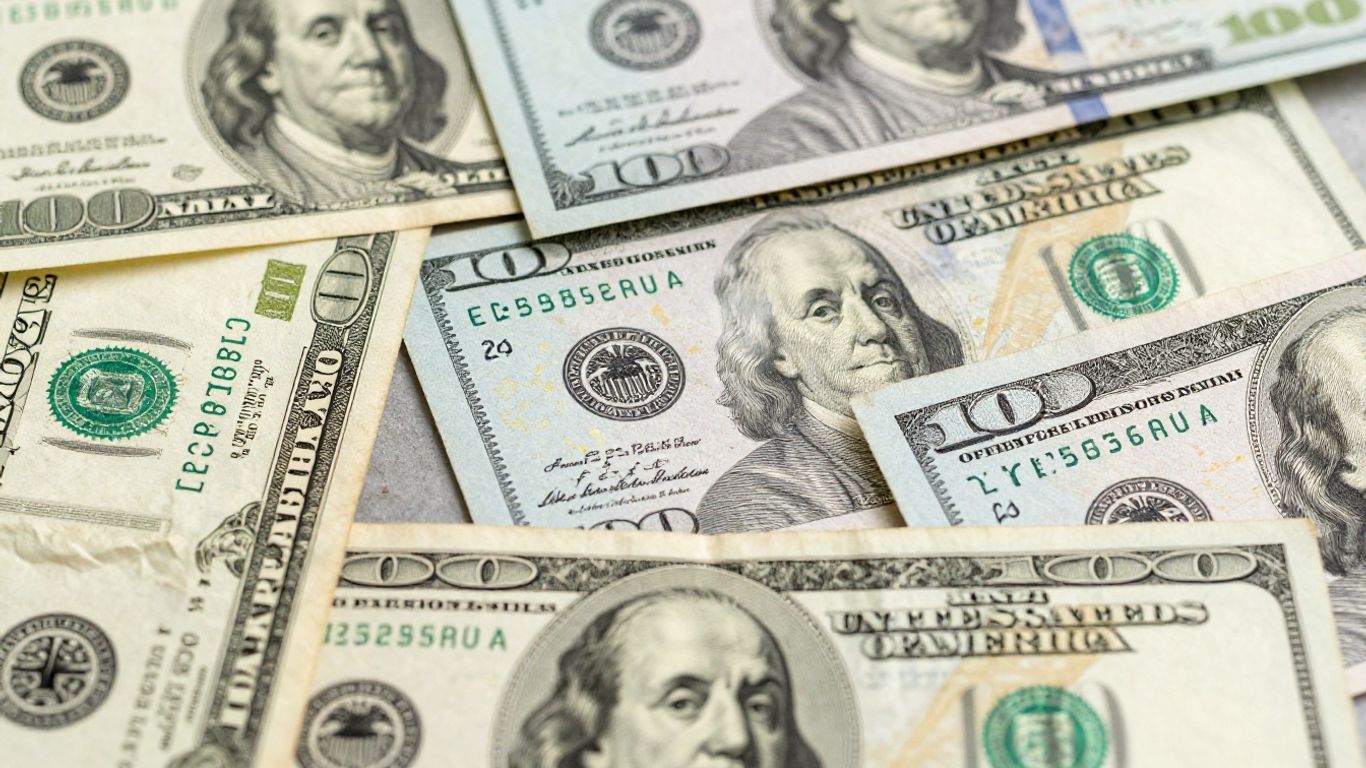
When you’re looking to sell replacement notes, understanding how their condition affects their worth is pretty important. It’s not just about the face value anymore; the physical state of the currency plays a big role. Think of it like any collectible – a pristine item is usually worth more than one that’s seen better days.
Factors Affecting Replacement Note Value
Several things can influence how much a replacement note is worth to a buyer. The most obvious is its condition. Is it crisp and new, or is it creased, torn, or stained? Beyond that, rarity can be a factor, especially if it’s a note from a limited run or has a unique printing error. The historical significance of a particular note, if any, might also add to its appeal. For those looking to get a handle on this, resources that explain how rarity and condition impact worth can be helpful, like this guide on foreign currency valuation.
The Impact of Damage on Redemption
Damage is a big one. The Bureau of Engraving and Printing (BEP) has specific rules for redeeming mutilated currency. Generally, if you have at least half of the original note, it might be redeemable at face value. However, if less than half remains, or if the damage is severe from things like fire, water, or chemicals, the value can be questionable, and redemption might not be possible. This is why keeping notes in good condition is key if you ever think they might be worth something beyond their face value.
When Professional Grading is Beneficial
For collectors or those with potentially valuable notes, getting them professionally graded can be a smart move. Services like PCGS, for example, use established grading standards, like the Sheldon Scale, to assess a note’s condition. This third-party evaluation provides an objective opinion on the note’s grade, which can significantly boost its perceived value and make it more attractive to buyers. It takes the guesswork out of the equation and offers a standardized way to understand the note’s quality.
The physical state of a currency note is a primary driver of its market value, often overshadowing its face value, particularly in the realm of collectibles and replacement notes. Buyers will scrutinize details like folds, tears, stains, and overall wear. A note that appears almost new will command a higher price than one that is visibly damaged or heavily circulated.
Here’s a quick look at how condition might be viewed:
- Uncirculated/New: No signs of wear, crisp, sharp corners.
- About Uncirculated: Minor signs of handling, but still looks very close to new.
- Extremely Fine: Some light handling, but still retains much of its original crispness.
- Very Fine: Moderate wear, noticeable folds and creases, but still a decent-looking note.
- Fine: Significant wear, multiple folds, possible minor tears.
- Very Good: Heavy wear, limp, possible small rips or missing pieces.
- Good/Poor: Severely damaged, significant portions missing, heavily soiled, or torn.
Local Options for Currency Exchange
Banks and Their Role in Currency Transactions
When you have damaged or unusual currency, your first thought might be a local bank. Many banks do offer currency exchange services, especially for foreign currency. However, their ability to handle replacement notes, particularly those that are damaged or require special valuation, can be limited. For standard foreign currency exchange, banks are a common stop. For instance, Prosperity Bank has branches that can assist with these transactions. It’s generally best to visit a branch in person for the most straightforward service.
Reputable Local Exchange Services
Beyond traditional banks, San Antonio has other places that deal with currency. Some businesses specialize in currency exchange, and they might be more equipped to assess replacement notes than a general bank. These services often focus on foreign currency but can sometimes handle older or unusual U.S. notes. It’s wise to check their specific services to see if they handle the type of notes you possess. The San Antonio International Airport also has currency exchange services, which can be convenient if you’re traveling, though they typically deal with current foreign denominations.
Considering Pawn Shops for Currency
Pawn shops can sometimes be a place to sell various items, including currency. However, their primary business isn’t currency dealing, so their knowledge of replacement notes or their value might be superficial. They might offer a quick sale, but the price offered could be significantly lower than what a specialized dealer would provide. It’s important to approach pawn shops with realistic expectations regarding valuation and the types of notes they might be interested in.
When dealing with any local exchange service, it’s always a good idea to have an idea of what your currency might be worth beforehand. This helps you gauge if the offer you receive is fair. Researching similar notes online or consulting with a known expert can provide a baseline for valuation.
Contacting Replacement Notes Currency Buyers
Reaching out to potential buyers for your replacement notes is a pretty straightforward process, but it helps to know what you’re doing. You don’t want to just call the first name you find; a little preparation goes a long way.
Direct Contact Methods
When you’re ready to connect with buyers, you’ve got a few options. Most dealers will list their phone numbers right on their websites or in directories. A quick phone call can often get you a preliminary idea of their interest and what they might pay. Some buyers also welcome direct emails, which can be good if you have a lot of details or photos to share upfront. Don’t hesitate to use multiple methods if you don’t get a response right away.
Here are some common ways to get in touch:
- Phone Calls: Good for quick questions and initial discussions.
- Email: Suitable for sending detailed information and images.
- Contact Forms: Many websites have these built-in for easy inquiries.
Inquiries and Consultations
Once you’ve made contact, you’ll likely have an inquiry or consultation. This is your chance to ask questions about their buying process, what types of notes they’re looking for, and how they determine value. A good buyer will be happy to explain things clearly. They might ask you about the condition of your notes, their denomination, and any history you might know. Some buyers might even offer a free initial consultation to look over your collection, though this isn’t always the case. It’s wise to prepare a list of your notes beforehand, noting any specific details you can recall. This helps make the conversation more productive.
Customer Service Availability
Pay attention to when these businesses are open. Just like any retail operation, currency buyers have business hours. You don’t want to be calling at midnight and wonder why no one is answering. Check their websites for operating hours, or ask when you first make contact. Some dealers might have extended hours or be available on weekends, especially if they cater to collectors who might be more active then. If you’re dealing with a larger organization, they might have a dedicated customer service line that’s available for longer periods. For instance, if you’re looking for places that deal with currency, you might find some gold exchange businesses that also handle other forms of valuable items, and they often have clear customer service policies.
When you’re looking to sell replacement notes, remember that clear communication is key. Be prepared with information about your currency, and don’t be afraid to ask questions. A reputable buyer will appreciate your preparedness and be willing to guide you through their process.
Wrapping Up Your Search
So, if you’re in San Antonio and have some old or damaged currency you’re looking to sell, remember there are places that can help. It might take a little digging, but finding a reputable buyer is key. Don’t just go with the first person you find. Do a little homework, maybe check out some online directories or ask around. Getting a fair price for your notes is definitely possible if you know where to look and what to ask. Good luck with your sales!
Frequently Asked Questions
What are replacement notes, and why would someone sell them?
Replacement notes are currency that has been damaged, like from a fire or water, to the point where they might not be worth their full face value. People sell them to buyers who specialize in handling such currency, hoping to get some value back, even if it’s less than the original amount.
Where can I find people or businesses in San Antonio who buy replacement currency notes?
You can look for specialized dealers who focus on collectible currency, sometimes called numismatic experts. Online resources like the PMG Banknote Dealer Locator can help you find local dealers. Sometimes, local banks or even pawn shops might be options, though their expertise with damaged currency can vary.
What should I ask a potential buyer before selling my replacement notes?
It’s smart to ask about their experience with damaged currency, how they determine the value, and what their buying process is like. You should also inquire about any fees they might charge. Understanding their background and how they operate is key to a fair transaction.
How do I know if my damaged currency is valuable enough to sell?
The value depends on how much of the original note is left and its condition. Even damaged notes can have value, especially if they are rare or if a significant portion of the note is intact. Buyers will assess the remaining parts and any unique characteristics.
What's the difference between a regular currency exchange and a buyer for damaged notes?
A regular currency exchange usually deals with crisp, undamaged bills for international travel or standard transactions. Buyers of replacement notes are looking for currency that’s been damaged and might be difficult for a standard bank to accept. They have specific ways of valuing and handling these unusual items.
Is it better to sell damaged notes to a collector or a general dealer?
Collectors, often found through specialized dealers, might be interested in unique or rare damaged notes. General dealers might offer a more straightforward sale based on the remaining value. It depends on what you’re hoping to get and the specific condition of your notes.
What does 'PMG' stand for, and how can their locator help me?
PMG stands for Paper Money Guaranty, a well-known service for grading currency. Their online locator tool is designed to help people find dealers who buy and sell currency. It lists dealers by location and specialty, making it easier to find someone in or near San Antonio who handles banknotes.
How should I prepare my damaged currency before trying to sell it?
Generally, it’s best not to try and repair damaged currency yourself, as this could decrease its value. Keep the notes as intact as possible and store them safely to prevent further damage. When you meet a buyer, they will guide you on the next steps for assessment.