
Diving into the world of coin collecting can feel a bit overwhelming at first. There’s so much to learn, from the tiny details on a coin’s surface to the big picture of its history. Understanding how a coin’s condition, or grade, affects its price is super important. This guide is here to break down the grade value relationships coins have, making it easier for you to figure out what makes a coin valuable. We’ll cover the basics of grading, what makes some coins rarer than others, and how to look at coins like a pro.
Key Takeaways
- The condition of a coin, known as its grade, is a major factor in its worth. Higher grades usually mean higher prices because the coin is in better shape.
- Rarity and scarcity play big roles. Coins with fewer examples made, or those that are hard to find in good condition, tend to be more valuable.
- Specific details on a coin, like the year it was made (key dates) and where it was minted (mint marks), can significantly influence its value.
- Knowing the different parts of a coin, such as the obverse, reverse, and edge details, is important for proper identification and assessment.
- Using tools like magnifying glasses and doing your research, perhaps with help from grading services, are smart ways to assess coins and understand grade value relationships in coins.
Understanding Coin Grading Scales
When you start looking at coins, you’ll quickly notice that not all coins are created equal. Their condition plays a massive role in how much they’re worth. This is where coin grading comes in. It’s basically a way to describe how worn or well-preserved a coin is. Think of it like rating a car’s condition – a brand new car is worth way more than one that’s been driven for years and has a lot of dents.
The Sheldon Scale Explained
The most common system used today is the Sheldon Scale. It was developed by Dr. William Sheldon back in 1948. This scale runs from 1 to 70. A coin graded ‘1’ is in pretty rough shape, maybe barely recognizable. On the other end, a ’70’ is a perfect, flawless coin. The idea is that a coin with a grade of ’70’ is theoretically worth 70 times more than a coin graded ‘1’. Most grading services, like PCGS and NGC, use this scale as their standard. It gives everyone a common language to talk about coin condition. You can find more details about how this scale works on various numismatic resources.
Degrees of Wear and Preservation
The numbers on the Sheldon Scale aren’t just random. They represent specific levels of wear and preservation. Generally, grades 1 through 58 are for coins that have been used in everyday transactions, meaning they show signs of wear. The lower the number, the more noticeable the wear and potential damage. Grades 59 through 70 are for coins that have never been used for spending, often called ‘uncirculated’ or ‘mint state’ coins. Even within the uncirculated range, there are distinctions. A coin might look perfect to the naked eye, but under magnification, tiny imperfections might prevent it from getting a top grade.
Here’s a simplified look at the general categories:
- Poor (1-2): Barely identifiable, major damage.
- Fair (3-4): Very worn, but the main features are visible.
- Good (6-10): Significant wear, but the design is clear.
- Very Good (15-20): Moderate wear, some details are softened.
- Fine (25-50): Light to moderate wear, most details are visible but not sharp.
- Very Fine (55-70): Light wear, only visible under magnification.
- Extremely Fine (75-85): Very light wear, almost uncirculated.
- About Uncirculated (90-95): Minimal wear, looks uncirculated.
- Uncirculated/Mint State (95-70): No wear, but may have minor bag marks or hairlines. The range from 59 to 70 specifically covers these pristine coins.
Impact of Condition on Value
So, why does all this grading matter? It directly affects a coin’s price. A coin in a higher grade, meaning it’s in better condition, will almost always be worth more than the exact same coin in a lower grade. The difference can be huge, especially for rare coins. A common coin might only see a small price increase from ‘Good’ to ‘Very Fine,’ but a rare coin could jump from being worth a few hundred dollars in ‘Fine’ condition to tens of thousands in ‘Mint State 65’ condition. It’s not just about how old a coin is; its survival and how well it has been kept are just as important, if not more so.
The condition of a coin is a primary driver of its market value. Even minor differences in wear or preservation can lead to significant price discrepancies. Collectors often seek coins that represent the best possible state of survival for a particular issue, understanding that such specimens command a premium.
Key Factors Influencing Coin Value
When you’re looking at coins, a few things really make a difference in what they’re worth. It’s not just about how old they are or what metal they’re made of. Several elements combine to determine a coin’s desirability and, consequently, its price in the market. Understanding these factors is pretty important if you want to build a solid collection or make smart purchases. The interplay of rarity, condition, and historical context often dictates a coin’s ultimate value.
Rarity Versus Scarcity
Rarity and scarcity are often used interchangeably, but they have distinct meanings in numismatics. A coin can be scarce if not many are available in good condition, even if a large number were originally minted. True rarity, on the other hand, usually points to a coin with a low mintage number from the start. Think about it: if only a few thousand were ever made, it’s inherently rarer than a coin where millions were produced, even if some of those million ended up lost or melted.
- Low Mintage: Coins produced in smaller quantities are naturally rarer.
- Survival Rate: The number of coins that have survived over time, especially in collectible condition, significantly impacts scarcity.
- Collector Demand: Even a rare coin might not fetch a high price if there isn’t much interest from collectors.
The Significance of Key Dates
Within a coin series, certain dates stand out as particularly important. These are often referred to as "key dates." They typically represent years with unusually low mintages or special historical events associated with their production. For example, a particular year might have had production issues, leading to fewer coins being struck, or it might coincide with a significant national event that makes that specific coin more desirable. Finding these key dates can be a major goal for many collectors, and their presence can dramatically increase the value of an otherwise common series. The intrinsic metal value of a coin is only one part of its overall worth.
Mintage Numbers and Their Impact
Mintage numbers are a direct indicator of how many coins were produced by a mint in a given year. A higher mintage generally means a coin is more common and, therefore, less valuable, assuming all other factors are equal. Conversely, a low mintage number suggests that fewer coins were made, increasing their potential rarity and value. It’s a straightforward concept, but it’s one of the most significant drivers of a coin’s worth. When comparing coins of the same type and condition, the one with the lower mintage will almost always be more sought after.
The number of coins produced, often called the mintage, is a primary factor in determining how common or rare a coin is. Lower production numbers typically lead to higher values, especially when combined with good condition and collector interest.
Here’s a simplified look at how mintage can affect value:
| Mintage Quantity | General Rarity | Potential Value Impact |
|---|---|---|
| Over 10,000,000 | Very Common | Lower |
| 1,000,000 – 10,000,000 | Common | Moderate |
| 100,000 – 1,000,000 | Uncommon | Higher |
| Under 100,000 | Rare | Significantly Higher |
Historical Eras and Coin Valuation
When you start looking at old coins, you quickly realize that not all of them are valued the same way. Different time periods had different ways of making coins, and that really affects what they’re worth today. It’s not just about how rare a coin is; the era it comes from plays a big part.
Pre-1800 Vintage Coin Characteristics
Coins made before the 1800s are often pretty special. They were usually made with more precious metals, and the designs could be really detailed, almost like tiny works of art. Because they’re so old, finding them in good shape is tough. This scarcity, combined with their metal content and intricate designs, makes them quite sought after. The condition of these early coins is super important for their value.
19th and 20th Century Coin Production
Things changed a lot in the 1800s and 1900s. Coin-making became more about mass production using machines. This means you’ll find more of these coins around, but it also led to some really interesting mints and specific dates that collectors go crazy for. These coins can have value for a few reasons:
- Historical Significance: They might mark important events or figures.
- Numismatic Interest: Unique designs or errors can make them collectible.
- Commodity Value: Some still hold value based on the metal they contain.
Understanding the production methods of different centuries gives you a better idea of why some coins are more common than others.
Monetary System Shifts and Coin Worth
Changes in how countries handle money also impact coin values. Think about it: if a country switches from gold to silver, or changes the face value of its currency, the old coins might become more valuable than their printed worth. This is especially true for older U.S. gold coins; their value often goes way beyond what’s stamped on them, even if they weren’t super rare when they were made. Keeping up with these shifts can help you spot a good deal. For more on how condition affects value, check out how a coin’s condition affects its value.
| Era | Key Characteristics | Value Drivers |
|---|---|---|
| Pre-1800 | Intricate designs, precious metals, high scarcity | Age, composition, preservation |
| 19th Century | Mass production begins, historical markers | Rarity of date/mint, design, historical context |
| 20th Century | Further mass production, series development, errors | Mintage, condition, specific key dates, errors |
Anatomy of a Coin: Essential Details
When you first start looking at coins, it can seem like a jumble of metal. But each coin is actually put together with specific parts, and knowing them helps you figure out what you’re looking at. It’s like learning the basic building blocks before you can really appreciate the whole structure.
Identifying the Obverse and Reverse
Every coin has two main sides. The side with the main portrait or design is called the obverse. Think of it as the ‘front’ of the coin. The other side, which usually has secondary designs, inscriptions, or a different image, is the reverse. It’s the ‘back.’ Sometimes, the images on these sides can tell you a lot about the time period or the country that made the coin. For example, seeing a specific president on the obverse tells you it’s likely an American coin from a certain era. The reverse might show a national symbol or a historical scene, giving you more clues.
Understanding Edge Lettering and Mint Marks
Don’t forget to look at the edge of the coin! Some coins have lettering, reeding (those little lines), or even designs right on the edge. This is called edge lettering and can be a key identifier. Then there are mint marks. These are small letters, usually found on the obverse or reverse, that show where the coin was actually made. For instance, a ‘D’ might mean it was minted in Denver, while an ‘S’ could indicate San Francisco. These little marks can sometimes make a big difference in a coin’s rarity and value. Learning to spot these details is a big step in understanding coin details.
The Importance of Inscriptions
Coins aren’t just pictures; they’re covered in words too. These inscriptions are super important. You’ll typically find the year the coin was made, the name of the country or authority that issued it, and its face value. Sometimes, there are also mottos or other phrases. Misspellings or unusual wording in these inscriptions can sometimes make a coin more interesting to collectors. It’s all part of the story the coin tells. Paying attention to these details helps you distinguish between common coins and those that might be more special.
Examining these elements closely is how you start to see the unique characteristics of each coin. It’s not just about the overall look, but the tiny details that make it what it is.
Tools and Techniques for Coin Assessment
The Magnifying Glass as a Collector's Ally
When you’re looking at coins, especially older ones, the little things really matter. That’s where a magnifying glass, or a loupe, comes in handy. It lets you see details you’d otherwise miss, like tiny scratches, wear on high points, or even signs of a fake. Being able to spot these small details can make a big difference in figuring out a coin’s true condition and worth. It’s like having a secret decoder ring for coins.
The Crucial Role of Research
Before you buy or even seriously consider a coin, you need to do your homework. This means digging into the coin’s history, when and where it was made, and what its design means. Knowing this stuff can give you big clues about its value. You can find tons of info online, in books, or by chatting with other collectors at local clubs. Doing your research can save you from making a costly mistake.
Here’s a quick rundown of what to look into:
- Coin History: What’s the story behind this particular coin or series?
- Minting Context: Where and when was it made? Were there any special circumstances?
- Design Significance: What do the images and symbols represent?
- Rarity and Mintage: How many were made, and how many still exist today?
Leveraging Third-Party Grading Services
Sometimes, you’ll see coins that come with a certificate. These are often from grading services that have looked at the coin professionally. They’ll tell you what grade the coin is, based on things like wear and how well it’s preserved. Getting a coin graded by one of these services can add a lot of confidence when you’re buying or selling. It’s like getting a stamp of approval from an expert. You can find out more about how coins are graded by checking out a guide to coin grading standards.
Assessing a coin’s quality involves looking at a few key things. These include how shiny it is (luster), its color, any marks or damage that take away from its appearance, and how good it looks overall. These factors all play a part in how a coin is judged.
Building a Strategic Coin Collection
Assembling a coin collection is more than just gathering shiny objects; it’s about creating a cohesive and meaningful narrative. A well-planned collection reflects your interests and grows in value, both intellectually and financially. Developing a clear theme or focus is the first step toward a successful numismatic journey. Without a strategy, you might find yourself with a random assortment of coins that don’t quite tell a story.
Developing a Collection Theme
Choosing a theme provides direction and purpose to your collecting efforts. This could be anything from a specific historical period, a particular mint, a series of coins, or even coins featuring a certain motif like animals or famous figures. Think about what genuinely excites you. Are you fascinated by the early days of American coinage, the intricate designs of European monarchs, or perhaps the evolution of a specific denomination? Your passion will fuel your research and make the collecting process more enjoyable. A defined theme also helps in making informed acquisition decisions, preventing impulse buys that don’t fit your overall plan.
Ranking Purchases for Coherence
Once you have a theme, it’s time to think about how you’ll acquire pieces. Not all coins are created equal, and some will be more important to your collection than others. You might start with more common, less expensive examples to fill out a series, then work your way up to the rarer, more significant key dates. This approach ensures that your collection develops logically and coherently. Consider creating a want list, prioritizing items based on their importance to your theme and their availability. This structured approach helps you stay focused and avoid overspending on less critical items. It’s also wise to understand the Sheldon Scale and how it applies to your chosen area, as condition plays a huge role in a coin’s desirability and price.
Understanding Grading Scales' Role
Every collector needs to get a handle on coin grading. The Sheldon Scale, ranging from 1 to 70, is the standard for assessing a coin’s condition. Understanding where your coins fall on this scale is vital for both acquisition and valuation. A coin’s grade significantly impacts its market value, sometimes by orders of magnitude. For instance, a common coin in a low grade might be worth only a few dollars, while the same coin in a high, uncirculated grade could be worth thousands. When building your collection, decide what grade range you are targeting for your chosen theme. Are you aiming for high-grade, mint-state examples, or are you more interested in historically significant coins that might show some wear? Your decision here will shape your budget and your search strategy.
Building a collection is a marathon, not a sprint. Patience and a clear plan will lead to a more satisfying and valuable numismatic pursuit.
Navigating the Numismatic Marketplace
Once you’ve got a handle on grading and know what makes a coin tick, the next big step is figuring out where to actually buy and sell. It might seem a bit overwhelming at first, but there are really just a few main places collectors tend to go. Each spot has its own vibe and its own set of pros and cons, so knowing them can help you find what you’re looking for, or get a fair price for something you’re selling.
Online Auctions and Marketplaces
These platforms have totally changed the game for coin collectors. You can find almost anything imaginable from sellers all over the world, right from your couch. It’s super convenient, and the selection is huge. Just remember to be smart about it. Always check out the seller’s reputation and look closely at the pictures. Sometimes, a coin might look better in a photo than it does in person, so sticking with sellers who offer good return policies is a good idea. For those looking for specific items, online auctions can be a treasure trove.
The Value of Local Coin Shops
Don’t underestimate the old-school coin shop down the street. These places are great because you can actually hold the coin, feel its weight, and inspect it with your own eyes before you hand over any cash. Plus, the people who run these shops are usually really knowledgeable. Building a good relationship with your local dealer can mean you get first dibs on cool finds before they even hit the shelves or get listed online. They can also offer advice and help you spot fakes.
Coin Shows and Collector Gatherings
Going to a coin show is like stepping into a collector’s paradise. It’s a buzzing atmosphere where you can meet tons of other people who are just as passionate about coins as you are. You get to see a massive variety of coins all in one place, chat with dealers, and maybe even trade some of your own pieces. It’s a fantastic way to learn, connect with the community, and find some unique additions to your collection. These events often have a wide range of items, from common circulated coins to rare, high-grade specimens.
The numismatic marketplace is diverse, offering collectors various avenues to acquire and dispose of coins. Each venue presents distinct advantages, from the global reach of online platforms to the personal touch of local dealers and the vibrant community atmosphere of coin shows. Understanding these differences is key to successful collecting.
The Intangible Value of Vintage Coins
Stories Encapsulated in Coinage
When you hold a vintage coin, you’re not just holding a piece of metal; you’re holding a fragment of history. These coins have passed through countless hands, witnessed significant events, and represent a specific time and place. Think about the journey a coin minted in the 19th century might have taken – perhaps it was used in daily commerce, saved by someone for a special occasion, or even lost and rediscovered years later. Each coin carries a unique narrative, a silent testament to the lives and times it has experienced. Understanding this story adds a layer of depth that goes far beyond its material worth. It’s about connecting with the past on a tangible level.
Connecting with History Through Coins
Collecting vintage coins offers a unique way to engage with history. Instead of just reading about historical periods, you can hold a physical artifact from that era. A coin from the Roman Empire, for instance, provides a direct link to that civilization. Similarly, a coin from the American Civil War era can evoke the struggles and spirit of that time. This connection makes history feel more real and personal. It’s like having a small museum in your pocket. This personal connection is a major draw for many collectors.
Artistry and Craftsmanship of Bygone Eras
Many older coins showcase remarkable artistry and craftsmanship that might surprise you. Before modern minting techniques became widespread, coins were often designed and struck with a level of detail and aesthetic consideration that is truly impressive. The intricate patterns, the portraits, and the symbolic imagery all speak to the skill of the engravers and artisans of their time. Examining these details, perhaps with the aid of a magnifying glass, reveals a level of artistry that is often overlooked. It’s a reminder that coins were not just currency, but also miniature works of art.
Here are some aspects that contribute to this historical connection:
- Design Elements: Look at the portraits, symbols, and motifs. What do they tell you about the culture or government that issued the coin?
- Wear Patterns: The way a coin has worn down can hint at its usage and age, adding to its story.
- Minting Techniques: Older methods often resulted in unique characteristics that are absent in modern coins.
The true value of a vintage coin often lies not in its silver or gold content, but in the historical narrative it preserves and the connection it offers to past generations. It’s a tangible piece of a story that continues to unfold with each new collector who appreciates its significance.
Mint Marks and Their Effect on Value
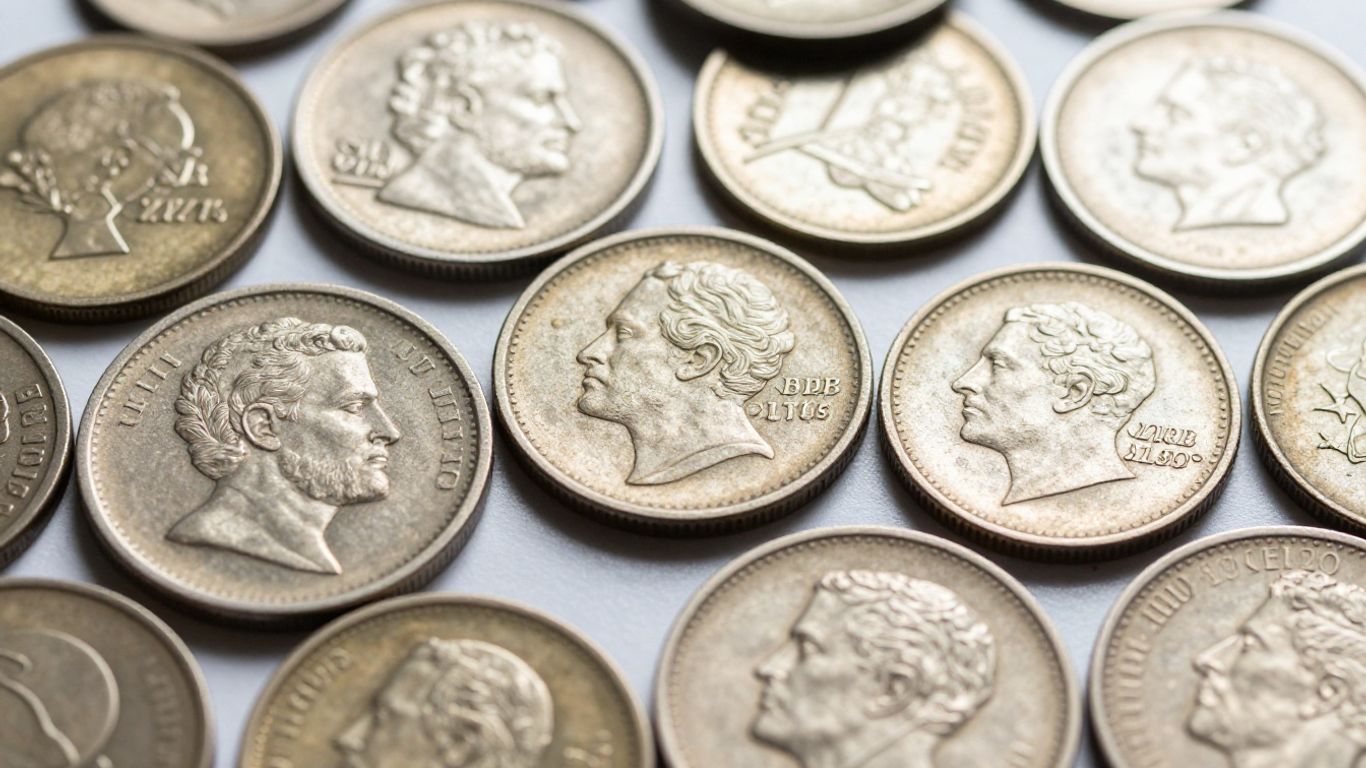
Mint marks are small symbols, usually letters, found on coins that tell you where the coin was made. For example, the "S" for San Francisco, "D" for Denver, "P" for Philadelphia, and "W" for West Point are common mint marks on American coins. While they might seem like minor details, these marks can actually have a big impact on how much a coin is worth to collectors.
Understanding Different Mint Facilities
Different mints have their own histories and production levels. The Philadelphia Mint, for instance, has been around for a very long time and often produces coins in huge numbers. On the other hand, the West Point Mint, established more recently, sometimes produces coins in much smaller quantities, especially special issues. This difference in production volume is a key reason why mint marks matter.
Factors Driving Mint Mark Premiums
Several things make a coin with a specific mint mark more desirable. Limited production runs are a big one; if a mint only made a few thousand coins of a certain type, collectors will likely pay more for it. Historical significance also plays a role – coins from older or more famous mints might carry a premium. Sometimes, a particular mint might use special techniques or produce coins with a unique finish, which also adds to their appeal. The scarcity of a coin from a particular mint, combined with collector demand, often dictates its premium value.
The Nuances of Mint Mark Value
It’s not always a simple case of one mint mark being better than another. The value can change depending on the specific coin series, the year it was minted, and the overall condition of the coin. For instance, a coin from a less common mint might be worth more, but only if it’s in excellent shape and there’s enough interest from collectors. It’s also worth noting that sometimes, the absence of a mint mark can be significant, especially for coins that were expected to have one.
The relationship between mint marks and a coin’s worth isn’t always straightforward. Many other elements, like the coin’s overall condition and current market trends, also play a significant part in determining its final price. Collectors often focus on specific mint marks, building collections that highlight the unique characteristics of coins produced at each facility.
Here’s a quick look at some common US mint marks:
- P: Philadelphia Mint
- D: Denver Mint
- S: San Francisco Mint
- W: West Point Mint
When you’re looking at coins, always check for these tiny marks. They can be a real clue to a coin’s potential value and rarity.
Specialized Coin Finishes and Their Appeal
Brilliant Uncirculated (Mint State) Coins
When you see a coin described as "Brilliant Uncirculated" or "Mint State," it means the coin has never been used for everyday transactions. Think of it as fresh from the mint, with all its original luster intact. These coins haven’t gone through the wear and tear of being passed around. This lack of circulation is a big deal for collectors because it preserves the coin’s original appearance and detail. The "brilliant" part refers to that shiny, reflective surface that catches the light. It’s what collectors often look for when trying to get the best-looking examples of a particular coin. The condition is key here, and a high Mint State grade means it’s in top shape.
The Craftsmanship of Proof Coins
Proof coins are a whole different ballgame. They aren’t made for spending; they’re made for collectors. The minting process for proofs is much more careful. They often strike the coin multiple times with specially polished dies. This gives them a mirror-like background and frosted design elements. It creates a really striking contrast that makes the coin pop. Because of this special treatment and the limited numbers produced, proof coins usually command higher prices than their regular, circulating counterparts. They are a testament to the mint’s ability to create beautiful, detailed pieces of art.
Understanding Reverse Proof Coinage
Now, reverse proofs flip the script on the traditional proof finish. Instead of a mirrored field and frosted devices, a reverse proof coin has a frosted field and mirrored devices. It’s like looking at a negative image of a regular proof. This unique look makes them stand out and appeals to collectors who want something a bit different. The U.S. Mint has produced these, and they’ve become quite popular. They offer a distinct aesthetic that adds variety to a collection. If you’re looking for coins with a unique visual appeal, reverse proof coins are definitely worth checking out.
The finish on a coin is more than just how it looks; it’s a direct result of how it was made. Different finishes, like brilliant uncirculated, proof, and reverse proof, require distinct manufacturing techniques. These techniques not only affect the coin’s appearance but also its desirability and market value among collectors.
Wrapping Up Your Coin Journey
So, we’ve looked at a lot of stuff about coins and how they get their value. It’s not just about how old they are or how much metal is in them. Things like how many were made, if they’re rare, and what condition they’re in all play a big part. Plus, knowing the history behind a coin can really change how people see its worth. It’s a bit like putting together a puzzle, but with history and a bit of economics mixed in. Keep learning, keep looking closely, and most importantly, enjoy the hunt for those special pieces of the past.
Frequently Asked Questions
What is coin grading, and why is it important?
Coin grading is like giving a coin a score based on its condition. It’s super important because a coin in better shape, meaning it has less wear and tear, is usually worth more money. Think of it like a report card for coins; a higher grade means a better-preserved coin.
What does 'rarity' mean when talking about coins?
Rarity in coins means there aren’t many of them around. This could be because they were made in small numbers (low mintage) or because most of the ones that were made have been lost or damaged over time. When something is rare, collectors often want it more, which can make it more valuable.
What are 'key dates' in coin collecting?
Key dates are specific years or mint marks for a coin series that are especially hard to find. They are usually rare because fewer were made or they were used more heavily. Collectors often try to find these key dates to complete their sets, making them highly sought after.
How do different historical periods affect a coin's value?
Coins from different times can be valuable for different reasons. Really old coins, like those before 1800, might be valuable because they are ancient and made of precious metal. Coins from the 19th and 20th centuries can be collectible due to mass production methods, specific historical events, or unique designs introduced during those times.
What are the main parts of a coin I should know?
You should know about the ‘obverse’ (the front, often with a portrait) and the ‘reverse’ (the back, with other designs). Also, look for ‘mint marks,’ which are small letters showing where the coin was made, and ‘inscriptions,’ which are the words or numbers on the coin, like the date or its value.
What tools can help me check a coin's condition?
A magnifying glass or a ‘loupe’ is a collector’s best friend! It helps you see tiny details, like scratches or wear, that you can’t see with the naked eye. This is really important for figuring out a coin’s true condition and value.
What is the difference between a Proof coin and a Brilliant Uncirculated coin?
A Brilliant Uncirculated (or Mint State) coin looks like it just came from the mint, with no signs of wear. A Proof coin is made especially for collectors; it’s struck multiple times with polished metal to get a shiny, mirror-like background and sharp details. They are made differently and have different appeals.
Besides its condition, what else makes a coin valuable?
A coin’s value isn’t just about how nice it looks. Things like how rare it is, if it’s a special ‘key date,’ the total number of coins made (mintage), its historical importance, and even where it was made (its mint mark) can all add to its worth. Sometimes, the story a coin tells is just as valuable as the metal it’s made from.