
Thinking about the value of your coin collection? It’s more than just the metal they’re made of. Professional coin certification value analysis looks at a lot of things to figure out what your coins are really worth. This guide will walk you through how that works, from checking the condition to understanding the market. We’ll cover the basics and some more advanced ideas, too. It’s all about getting a clear picture so you know what you have.
Key Takeaways
- Understanding coin certification value analysis involves looking at a coin’s condition, rarity, and market demand, not just its metal content.
- Accurate inventory and careful assessment of a coin’s condition are the first steps in determining its potential value.
- Professional grading services provide a third-party verification of a coin’s authenticity and condition, which can significantly increase its market appeal and price.
- Proper preparation, including gentle cleaning (if appropriate) and secure packaging, is important before seeking authentication or selling.
- Identifying counterfeit coins and understanding the importance of trusted authentication services are vital to avoid scams and ensure fair valuation.
Understanding Coin Certification Value Analysis
The Role of Certification in Coin Valuation
When you’re looking at coins, especially if you’re thinking about their worth, you’ll quickly run into the idea of certification. It’s not just a fancy label; it’s a way to get a professional opinion on a coin’s condition and authenticity. Think of it like getting a report card for your coin. This report, usually from a third-party service, tells you what grade the coin received and confirms it’s the real deal. This professional assessment is a major factor in determining how much a coin is worth. Without it, buyers are often hesitant, and you might not get the best price for your collection. It brings a level of trust to the transaction that’s hard to achieve otherwise.
Key Factors Influencing Certified Coin Value
So, what exactly goes into that certification and, consequently, the coin’s value? Several things matter. First, there’s the grade. This is a number, usually on a scale from 1 to 70, that describes the coin’s physical condition. A coin with a higher grade, meaning it’s in better shape with fewer marks or wear, will naturally be worth more. Then there’s authenticity – is it a genuine coin or a fake? Certification services verify this. Beyond that, factors like the coin’s rarity, its historical significance, and even its eye appeal play a part. For instance, a coin with a strong ‘cameo’ or ‘deep cameo’ effect, which is a frosty contrast between the design and the background, often commands a higher price. The metal content also matters, especially for older coins made of silver or gold, as their melt value can set a baseline.
Here’s a quick look at how grading can impact value:
| Grade Range | Description | Potential Value Impact |
|---|---|---|
| 60-68 | About Uncirculated (AU) | Moderate |
| 69-70 | Mint State (MS) / Proof (PR) | Significant |
Benefits of Professional Coin Grading
Getting your coins professionally graded offers a lot of advantages. For starters, it provides an objective assessment of your coin’s condition and authenticity. This objective viewpoint is incredibly helpful when you’re trying to figure out what your collection is truly worth. It takes the guesswork out of the equation. Professional grading services like PCGS or NGC provide a standardized grading scale, which is recognized by collectors and dealers worldwide. This standardization makes it easier to compare coins and understand their relative value. It also helps protect you from buying counterfeit coins or coins that have been misrepresented. Ultimately, professional grading builds confidence for both the seller and the buyer. It’s a vital step for anyone serious about coin collecting and investing.
When you’re looking at coins, especially if you’re thinking about their worth, you’ll quickly run into the idea of certification. It’s not just a fancy label; it’s a way to get a professional opinion on a coin’s condition and authenticity. Think of it like getting a report card for your coin. This report, usually from a third-party service, tells you what grade the coin received and confirms it’s the real deal. This professional assessment is a major factor in determining how much a coin is worth. Without it, buyers are often hesitant, and you might not get the best price for your collection. It brings a level of trust to the transaction that’s hard to achieve otherwise.
Here are some key benefits:
- Objective Valuation: Provides an unbiased assessment of a coin’s grade and authenticity.
- Market Acceptance: Certified coins are widely recognized and accepted by collectors and dealers.
- Enhanced Liquidity: Certified coins often sell faster and for higher prices.
- Protection: Safeguards against counterfeits and misrepresentations.
- Record Keeping: Creates a verifiable record of the coin’s attributes for future reference.
Essential Steps for Coin Collection Appraisal
Getting a handle on what your coin collection is actually worth involves a few key actions. It’s not just about looking at a coin and guessing; there’s a method to the madness, and doing it right can make a big difference when it’s time to sell or just know its true value. The first real step is to get organized.
Inventorying Your Coin Collection Accurately
Before you can even think about value, you need to know exactly what you have. This means creating a detailed list of every single coin. For each coin, jot down its date, mint mark (that little letter indicating where it was made, like ‘S’ for San Francisco or ‘D’ for Denver), and any distinguishing features. Taking clear photos under good light is also a smart move. This list becomes the foundation for everything else. It helps prevent you from overlooking something important, especially if you have a lot of coins.
- List each coin with its date and mint mark.
- Note any unique characteristics or errors.
- Take clear, well-lit photographs of both sides of each coin.
A well-kept inventory is more than just a list; it’s a roadmap to understanding your collection’s scope and potential. It simplifies the entire appraisal process and provides a solid reference point for future decisions.
Assessing Coin Condition and Grading
This is where things get a bit more technical, but it’s super important. The physical state of a coin, known as its condition or grade, has a massive impact on its worth. You’ll want to look for signs of wear, such as scratches, nicks, or dullness. For a more formal assessment, people often use grading scales, like the Sheldon scale, which runs from 1 (poor) to 70 (perfect mint state). Even subtle differences in wear can mean big jumps in value. For instance, a coin graded MS-65 (Mint State 65) is generally worth much more than one graded MS-60. You can often find resources online that explain these grading standards in detail. If you’re serious about appraising, you might want to look into professional coin grading services like PCGS or NGC, as their opinions carry a lot of weight.
Utilizing Basic Tools for Preliminary Valuation
While a full professional appraisal is best for high-value coins, you can get a good preliminary idea of worth using some simple tools. For modern bullion coins or older silver coins, knowing the current spot price of the metal is key. You can find this information easily online. Digital scales that measure accurately (to at least a tenth of a gram) are useful for checking the weight of coins, which can help identify fakes or confirm authenticity. There are also various apps and online calculators that can give you an estimated melt value based on the coin’s metal content and weight. This is a good starting point, especially for bulkier collections or when you’re just curious about the baseline value of your holdings. Organizing your coins by type and denomination before you start this process can make it much smoother, as recommended for preparing your collection for appraisal.
Advanced Techniques in Coin Valuation
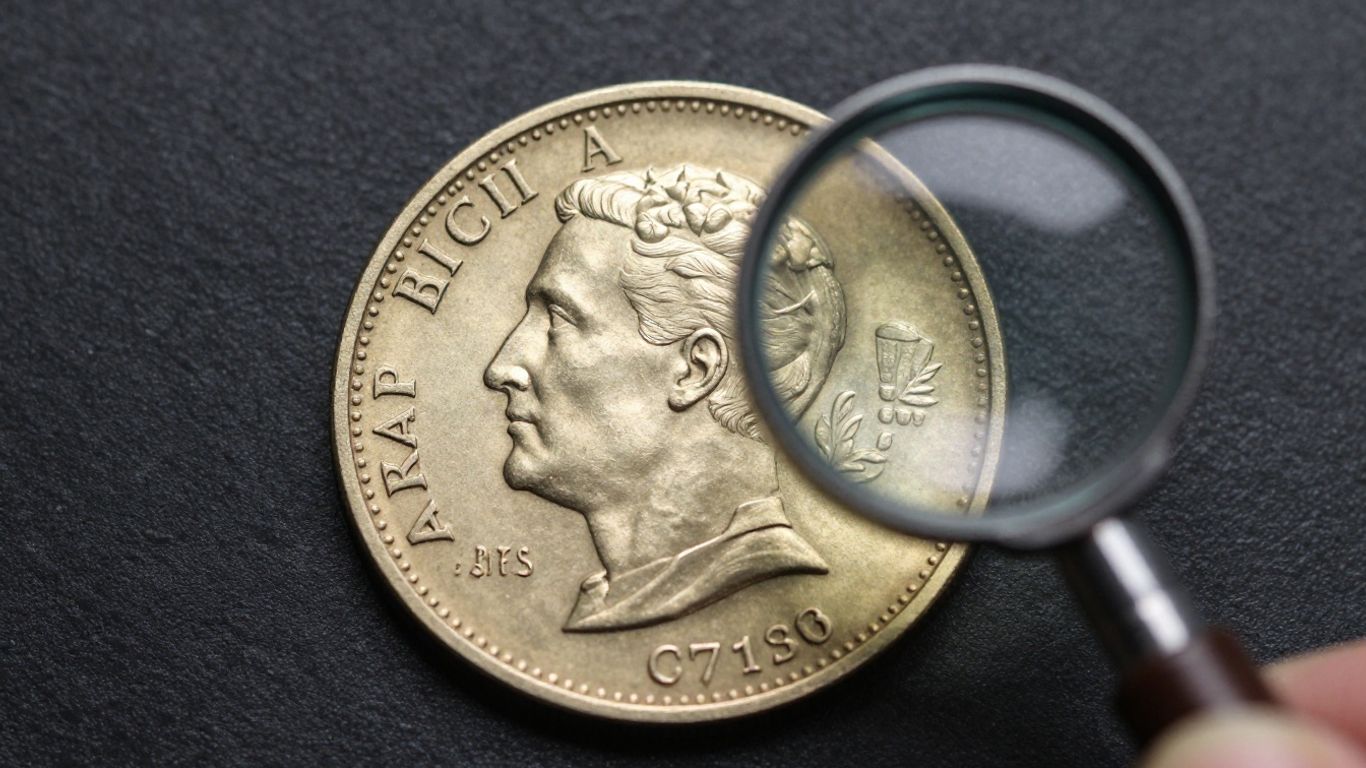
Taking your coin collection beyond just casual appraisal means stepping up with better methods and expert help. Getting a solid estimate isn’t just about peeking at a price guide—real accuracy involves professional skills, outside verification, and the latest tech tools.
Professional Appraisal Methods and Expert Involvement
A professional appraisal goes way beyond basic checking. Experts use detailed processes to judge each coin’s authenticity, grade, and rarity, giving you a much clearer picture of what your collection could fetch. Here’s what typically happens in a professional evaluation:
- Experts inspect details—both sides, rim, edge, mint marks, and old repairs.
- Grading with industry-standard scales (like MS-65 or AU-50) using bright light or magnification.
- Authenticity checks using physical measurements and, for premium coins, lab testing of metal content.
- Comparisons to recent sales data or auction records for up-to-date value.
Professional coins grading from companies such as NGC, where coins are encapsulated in tamper-evident holders, is especially helpful for rare or high-value items. According to NGC, certified coins often bring up to 40% more at sale than ungraded ones.
Having a trusted expert assess your collection not only gives you confidence but also increases its market acceptability.
The Impact of Third-Party Verification
Using third-party grading and authentication brings trust to the market. These companies give your coins a certified grade, confirm authenticity, and encapsulate them in secure, labeled holders. Here’s what changes with third-party grading:
- Buyers trust certified grades and are willing to pay for that security.
- Third-party holders (called slabs) stop tampering and help deter fakes.
- Detailed grading reports add transparency for both sellers and buyers.
Below is a short table showing the possible difference in selling price:
| Coin Status | Typical Sale Price Increase |
|---|---|
| Ungraded | Baseline |
| Professionally Graded | Up to 40% higher |
| Third-Party Authenticated | Up to 60% higher |
Leveraging Digital Tools for Precision
Technology has changed how collectors can analyze their coins. Many apps and online platforms help with preliminary grading, value estimates, and even counterfeit detection. Here’s how digital tools are making valuation easier:
- Coin databases let you search for sales prices and historical data fast.
- Mobile apps use photos to give ballpark grades based on image analysis.
- Digital scales, calipers, and microscopes reveal tiny details you might otherwise miss.
- Some platforms now harness artificial intelligence to spot unusual features that could mean a coin is fake.
For collectors learning more about assessing coins, smart grading methods can supplement these digital efforts and raise your confidence when reviewing your own collection.
It’s amazing how blending expert knowledge with new tech tools can reveal surprises in a collection—both in terms of rare finds and potential pitfalls.
Preparing Coins for Sale and Authentication
Before you even think about listing your coins for sale, taking the time to prepare them properly can make a significant difference in the price you fetch. This isn’t about making a coin look better than it is, but rather about presenting it in its best possible, unaltered state. Think of it like getting ready for a job interview – you want to look sharp and professional.
Gentle Cleaning and Preservation Methods
When it comes to cleaning coins, less is almost always more. Aggressive cleaning can damage the surface, remove patina, and drastically reduce a coin’s value. For most modern coins, a simple rinse under distilled water can remove dust and fingerprints without causing harm. For older coins, especially those with desirable toning, it’s often best to leave them as they are. If you must clean, always test a small, inconspicuous area first. For very minor surface issues, a soft cotton cloth can be used for a gentle buff, but be extremely cautious. The goal is preservation, not alteration.
- Distilled Water Rinse: Effective for removing loose debris from most coins.
- Soft Cotton Cloth: Use with extreme care for light buffing, testing first.
- Avoid Abrasives: Never use household cleaners, polishes, or rough materials.
Preserving the coin’s original surface and any natural toning is paramount. These characteristics often contribute to a coin’s aesthetic appeal and historical narrative, which collectors value highly. Any attempt to artificially enhance a coin’s appearance through harsh cleaning can be detrimental to its marketability and overall worth.
Secure Packaging and Shipping Practices
Once your coins are prepped, keeping them that way during transit is the next challenge. For individual coins, inert plastic flips or small, protective cases are ideal. For sets or multiple coins, specialized coin albums or trays can keep them separated and prevent scratching. When shipping, always use a sturdy, padded envelope or a small box. Consider using a reputable shipping service that offers tracking and insurance, especially for higher-value items. This provides a safety net and peace of mind for both you and the buyer. You might want to look into professional grading services if you haven’t already, as their encapsulated holders offer excellent protection.
Pre-Sale Storage for Optimal Condition
Even before you list your coins, how you store them matters. Keep them in a cool, dry place away from direct sunlight and extreme temperature fluctuations. Humidity is a coin’s enemy, as it can lead to toning or even corrosion over time. Using archival-quality storage materials, like Mylar flips or acid-free albums, will prevent any unwanted reactions. If you have particularly sensitive coins, like silver proofs, consider using airtight containers or a desiccant pack to control moisture. Proper storage ensures that when a buyer receives your coin, it looks just as good as when you first prepared it for sale, maintaining its appeal and value.
Identifying and Verifying Coin Authenticity
Making sure that a coin is authentic is one of the first things any collector or seller has to do before moving forward. Mistakes can be costly—fakes are found throughout the market, and a single error can turn a prized coin into a paperweight overnight. Examining authenticity isn’t just about peace of mind; it protects both value and reputation.
Spotting Counterfeit Coins and Red Flags
Spotting a fake takes patience and a keen eye. Here are some steps collectors typically follow:
- Check for unusual weight or size; counterfeits often don’t match official specs.
- Inspect design details—fuzzy or soft features often signal a fake.
- Look for seams or odd color changes at coin edges, a classic sign of casting rather than minting.
- Magnet tests can immediately weed out certain fakes—many real coins aren’t magnetic at all.
| Coin Type | Authentic Weight (grams) | Common Red Flag |
|---|---|---|
| Morgan Silver Dollar | 26.73 | Undersized or overweight |
| Walking Liberty Half | 12.5 | Magnet sticks to coin |
| Lincoln Wheat Penny | 3.11 (pre-1982) | Blurry date or weak strike |
Authentic coins stand up to every test—from precision measurements to clear, sharp designs. If even one element seems off, it’s wise to double-check before buying or selling.
The Importance of Third-Party Authentication Services
Third-party grading companies offer an extra layer of certainty. Using a reputable service like NGC or PCGS matters for these reasons:
- Certified slabs come tamper-proof and detail the grade, year, and mint mark.
- Buyers trust certified coins more, which means an easier and generally quicker sale.
- These services back up their opinions with insurance and expert review.
Turning to a professional service helps deter scammers. As noted in the collectibles authentication overview, formal grading reduces the risk of counterfeits and supports fair pricing.
Utilizing Digital Tools for Anomaly Detection
Technology is changing the game for coin collectors. From smartphone apps to AI-powered scanning tools, the new tech can point out oddities that the naked eye might miss. For example:
- Mobile apps can check known serial numbers and match coin images against massive, constantly updated databases.
- AI systems examine pixel-level details for tampering or rare minting errors.
- Online registries allow anyone to verify certification numbers quickly, as highlighted by advances in online registries and security.
Using digital resources can make coin checks less labor-intensive and boost confidence for both buyers and sellers.
Identifying authenticity doesn’t have to mean hours under a magnifying glass—by using a mix of old-school methods, third-party experts, and new tech, collectors can make smart decisions and cut down on surprises.
Documentation and Required Essentials for Sales
When you’re ready to sell your coins, having the right paperwork in order is just as important as the coins themselves. It’s not just about showing what you have; it’s about proving it and making the transaction smooth for everyone involved. Think of it as the final polish on your collection’s presentation.
Essential Documentation for Coin Transactions
Having a clear record of your coins is the first step. This means more than just a list. You’ll want to include details like the date, mint mark, and any unique identifiers for each coin. For certified coins, the grading report is your most important document. It provides an objective assessment of the coin’s condition and authenticity, which buyers rely on heavily. This documentation acts as your primary defense against disputes and helps justify your asking price.
Here’s a basic checklist of what to prepare:
- Inventory List: A detailed catalog of each coin, including its name, year, mint mark, and any identifying features.
- Grading Reports: Original certificates or slab information from reputable grading services like PCGS or NGC.
- Photographs: High-quality images of each coin, ideally showing both sides and any significant details.
- Receipts: Proof of purchase for coins acquired, especially if they are recent acquisitions.
Understanding Tax Implications of Selling Coins
Selling coins can have tax consequences, and it’s wise to be aware of them before you make a sale. In the United States, if you sell coins for more than you paid for them, you may owe capital gains tax. The rate depends on how long you owned the coin. Short-term gains (held for one year or less) are taxed at your ordinary income rate, while long-term gains (held for more than one year) are typically taxed at lower rates. For sales exceeding $600, you might receive a Form 1099-B from the buyer, which reports the transaction to the IRS. Keeping good records of your purchase prices is key to accurately calculating your gains or losses. Consulting with a tax professional is always a good idea to understand your specific situation and ensure compliance.
Proper record-keeping is not just about tax compliance; it’s about demonstrating the history and value of your collection. This diligence can significantly impact your final sale price and your peace of mind.
Building Trust Through Provenance
Provenance, the history of ownership of an item, can add significant value to certain coins, especially rare or historically important ones. If your coin has a documented history of ownership, such as belonging to a famous collection or being passed down through a notable family, this information should be included with your sale documents. This history can provide context and assurance to potential buyers, making them more willing to pay a premium. Think of it as telling the coin’s story. For instance, if a coin was part of a well-known collection, mentioning that can be a strong selling point. This is where authentication of rare coins becomes even more critical, as a solid history needs to be backed by verified authenticity.
- Family History: Document any stories or records of inheritance.
- Previous Ownership: Records from previous sales or collections.
- Exhibition History: If the coin was ever displayed in a museum or exhibition.
- Research Notes: Any historical research tied to the specific coin.
Specialized Valuations for Specific Coin Types
It’s not enough to look at coins as just metal and numbers—every type brings its own set of quirks and pricing factors. Getting the right information is key if you want results that actually reflect what your collection might bring. Let’s break down some specialized approaches to bring out the individual strengths, or pitfalls, in different coin categories.
Spotlight on Franklin Mint Valuations
Franklin Mint sets are all over the market, but what you get for yours can swing wildly. Completed sets with original packaging tend to land higher prices—adding the box alone typically bumps up the value about 15%. Basic, high-mintage sets rarely go for more than their silver content ($25–$40), yet limited runs and commemorative issues can fetch $100–$500, especially with today’s demand.
| Description | Base Value (2025) | Key Boost Factors |
|---|---|---|
| Common Franklin Mint sets | $25 – $40 | Condition, packaging |
| Rare/Commemorative sets | $100 – $500+ | Issue rarity, original docs, grade |
| Complete with provenance | +10–20% | Family history, documented origin |
- Completeness: Full sets, nothing missing, make up the backbone of premium sales.
- Packaging: Original cases and COAs are worth keeping—buyers notice.
- Documentation: Provenance adds trust, which bumps the starting price.
When you treat Franklin Mint issues as collectibles, not just scrap, you stand a good chance of avoiding leaving money on the table.
Distinguishing Common Versus Rare Issues
Sorting out which coins are just bulk silver and which are actual finds can feel like a job in itself. The trick is spotting limited runs, mint errors, or unique designs that set a coin apart.
- Everyday issues often only get melt value, especially if worn or incomplete.
- Limited editions and error coins should be double-checked against reference books and catalogs for their specifics.
- Market trends can affect even common coins—a 35% silver spot price spike changes things fast.
Accounting for Heirloom Status and Provenance
Sentimental value and verifiable history both count.
- Documentation showing a coin’s family or historical journey can add 10–20% to what buyers are willing to pay.
- Provenance backs up your story and reassures skeptical buyers. That’s a big plus when you’re talking about inherited collections or rare finds.
- For appraisals and auctions, keeping paperwork tidy usually pays off in concrete terms.
If you’re looking to really understand what makes a specific set stand out, sometimes a professional appraisal is the difference between an average offer and a standout one.
Taking a little extra time to analyze your coins by type, rarity, and story can turn an ordinary payout into a winning deal—especially when you keep documentation and packaging in mind.
Navigating the Market for Selling Coins
So, you’ve gone through the process, got your coins graded, and now you’re looking to sell. It can feel a bit overwhelming, right? There are a lot of moving parts, and you want to make sure you get a fair shake. Let’s break down how to approach selling your collection.
Choosing the Best Buyer and Sales Platform
When it’s time to part with your coins, picking the right place to sell is a big deal. You’ve got a few main options, and each has its pros and cons. Think about what’s most important to you: speed, price, or convenience.
- Online Marketplaces: Platforms like eBay are popular because they reach a huge audience. You can set your own prices and auctions, but you also have to deal with listing fees, shipping, and potential buyer issues. It takes some effort to get things right.
- Coin Dealers and Shops: Local coin shops or larger dealers can offer a quick sale. They often know the market well and can make an offer on the spot. However, they need to make a profit, so their offers might be lower than what you could get by selling directly to collectors.
- Auction Houses: For rare or high-value collections, auction houses can be a great choice. They specialize in marketing and selling valuable items, often achieving strong prices. The downside is that it can take time, and there are seller’s fees involved.
- Direct to Collector: Sometimes, you can connect directly with other collectors through forums or clubs. This can cut out the middleman, but it requires more legwork to find buyers and manage the transaction.
The key is to research potential buyers thoroughly, looking for transparency and a solid reputation. A good buyer will be upfront about their process and offer fair pricing based on the coin’s actual worth, not just its metal content. Some buyers even use advanced tools like X-ray scanning to verify metal composition, which helps ensure you’re getting paid for every bit of value. Look for buyers who offer price matching if you want an extra layer of confidence.
Understanding Market Trends and Adjustments
Coin values aren’t static; they move with the market. Keeping an eye on trends can help you decide the best time to sell. Factors like the price of precious metals (especially for gold and silver coins), overall economic conditions, and even collector demand for specific series can influence prices.
- Precious Metal Prices: If you have a lot of silver or gold coins, their value will closely track the spot price of those metals. When metal prices are high, your coins might be worth more, at least for their melt value.
- Numismatic Demand: Beyond the metal, the coin’s rarity, condition, and historical significance play a huge role. If a particular series or type of coin suddenly becomes popular, prices can jump. This is where understanding the difference between melt value and numismatic value becomes important. Tools that track live spot prices can be helpful here.
- Economic Climate: In uncertain economic times, some people might sell off collectibles, while others might see them as a safe haven. This can create fluctuations.
It’s wise to get multiple quotes when selling. Aiming for at least three bids can often lead to a more competitive offer, potentially increasing your return by around 10%. Don’t be afraid to push for the numismatic premium if your coins have it – that’s the extra value beyond just the metal.
Selling coins requires patience and a bit of savvy. Rushing the process or accepting the first offer you get can mean leaving money on the table. It’s always better to be informed and prepared.
Strategies for Quick and Profitable Sales
Sometimes you need to sell quickly, other times you can afford to wait for the best possible price. Knowing your goals will shape your strategy.
- For Quick Sales: If speed is your priority, focus on dealers or online platforms known for fast transactions. Be prepared that this might mean accepting a slightly lower price. Ensure payment methods are secure and fast, like wire transfers or insured local pickup.
- For Profitable Sales: If you have time, consider auctions or selling directly to collectors. This often yields higher prices but takes more effort and patience. Bundling related coins or sets can also make them more attractive to buyers and potentially increase the overall sale price.
- Presentation Matters: Make sure your coins are properly identified and, if graded, that the certification is clear. For raw (ungraded) coins, avoid cleaning them yourself, as this can often decrease their value. Presenting your collection well, with accurate descriptions, helps build trust with potential buyers. Getting an accurate valuation beforehand is a smart move.
Remember to consider the tax implications of your sale. Depending on how long you’ve owned the coins and your profit, you might owe capital gains tax. Keeping good records of your purchases and sales is important for tax purposes. For valuable collections, consulting with a tax professional is a good idea.
The Future Landscape of Coin Collecting
The world of coin collecting is always changing, and looking ahead, it’s clear that technology and new ways of thinking are going to play a big part. It’s not just about old coins anymore; it’s about how we find them, verify them, and even what we consider a ‘coin’ to be.
Emerging Trends in Numismatics
Several interesting shifts are happening. For starters, online platforms have really opened things up. You can now find coins from all over the world without leaving your home. This global reach means more variety and potentially better prices for collectors. We’re also seeing a continued interest in coins with a strong historical connection. Think about coins tied to major events or figures; these always seem to capture people’s attention. It’s like holding a piece of history in your hand.
- Increased accessibility through online marketplaces.
- Growing appreciation for historically significant coins.
- Focus on coins with unique error varieties or minting anomalies.
- Rise of specialized collecting niches, like ancient coins or specific mint series.
The Role of Technology in Coin Valuation
Technology is making a huge impact. Things like advanced imaging and data analysis are starting to help with authentication and grading. This means we can be more confident about what we’re buying. Blockchain technology is also being explored for tracking a coin’s history and ownership, which adds a layer of security and trust. This digital verification is becoming a key part of ensuring a coin’s authenticity and value. The market is expected to grow, with projections showing a steady increase in value over the next decade [ae2b].
The Enduring Appeal of Historical Artifacts
Despite all the new tech, the core appeal of coins remains. They are tangible links to the past. Whether it’s a coin from an ancient civilization or a more recent piece with a compelling story, people are drawn to these physical objects. They represent stories, economies, and cultures from different times. This connection to history is something that technology can’t replace. It’s this human element, the story behind the metal, that keeps collectors coming back.
The hobby is moving towards a more connected and informed collector base, where digital tools assist in research and verification, but the intrinsic value of a coin’s history and physical presence remains paramount.
Your Coin's Next Chapter
So, we’ve looked at how getting coins certified can really make a difference in their value. It’s not just about knowing what you have, but also about proving it to others. This process helps buyers feel more confident, and that often means more money for you. Whether you’re just starting out or have been collecting for years, understanding certification is a smart move. It helps you see your collection in a new light and figure out the best way to handle it moving forward. Think of it as giving your coins the best possible chance to shine.
Frequently Asked Questions
What is coin certification and why is it important?
Coin certification is when a professional company checks a coin to see if it is real and gives it a grade based on its condition. This helps collectors and buyers know exactly what they are getting and protects them from fake coins.
How does grading affect a coin’s value?
A higher grade means the coin is in better shape and is usually worth more money. Even a small difference in grade can make a big change in price, especially for rare coins.
What should I do before getting my coins appraised?
First, make a list of all your coins, including their dates, mint marks, and any special features. Take clear photos and keep your coins in safe holders to avoid damage. This will help the appraiser give you the best advice.
How can I spot a counterfeit coin?
Look for things that don’t match the real coin, like wrong weight, strange colors, or odd details. If you’re not sure, use a magnet (real silver and gold coins aren’t magnetic) or ask a professional to check it.
Are online tools helpful for valuing my coins?
Yes, many websites and apps can give you a quick idea of what your coins might be worth. They are great for a first check, but for rare or expensive coins, it’s still best to get a professional opinion.
What documents do I need to sell my coin collection?
You should have a list of your coins, any certificates of authenticity, receipts, and proof of ownership. These papers help buyers trust you and can make the sale go smoother.
How does provenance affect coin value?
Provenance means the coin’s history—who owned it and where it came from. Coins with interesting stories or famous owners are often worth more because collectors love their history.
What is the safest way to store and ship coins for sale?
Keep coins in soft holders or plastic cases to protect them from scratches. Store them in a cool, dry place. When shipping, use bubble wrap and a strong box, and always choose insured mail to protect against loss or damage.