
The world of coin collecting can be fascinating, especially when you stumble upon those unusual pieces. Among them, tripled die coin varieties stand out as particularly interesting. These aren’t your everyday coins; they have a unique history tied to the minting process. This guide is here to help you understand what makes these coins special, how to spot them, and what they might be worth.
Key Takeaways
- Tripled die coin varieties are created when a die receives three separate blows during the hubbing process, resulting in overlapping impressions on the coin.
- Distinguishing tripled dies from doubled dies or other minting errors requires careful examination of the overlapping features and the specific way the metal has been displaced.
- Identifying tripled die coin varieties involves looking for distinct visual markers, such as raised areas and spreading of the design elements, often needing magnification to confirm.
- The value of tripled die coin varieties depends on factors like rarity, the specific denomination and date, the condition of the coin, and market demand.
- Collecting tripled die coin varieties can be a rewarding pursuit, but it’s important to use reliable resources and consult with experts to avoid misidentifications and ensure authenticity.
Understanding Tripled Die Coin Varieties
Tripled die coin varieties are a fascinating area for collectors, representing a specific type of minting error. Unlike a simple doubled die, a tripled die exhibits three distinct impressions of the design on the coin’s surface. This happens when the die, the tool used to strike the coin, is struck multiple times by the hub, which is used to create the die itself. Each strike can slightly shift the hub’s position, leading to overlapping images. These errors are relatively rare and highly sought after by numismatists.
Definition and Significance in Numismatics
In the world of coin collecting, errors are often what make a coin stand out. A tripled die is a particularly interesting error because it’s not just a slight doubling; it’s a clear, often dramatic, triple impression. This means you can see three separate, though overlapping, images of the design elements. The significance lies in their rarity and the challenge they present to collectors. Finding a genuine tripled die can be a major coup for any collection, adding both rarity and potential value. It’s a testament to the imperfections that can occur even in highly controlled manufacturing processes. Understanding these varieties is key to appreciating the full scope of coin collecting, moving beyond just the standard issues to the unique anomalies that tell a story of the minting process. For those interested in specific types of errors, exploring common coin error types can provide a broader context.
How Tripled Dies Are Created During Minting
The creation of a coin die is a multi-step process. First, a master hub is engraved with the coin’s design. This master hub is then used to strike a blank die, creating a working die. If the hub strikes the die multiple times, and each strike is not perfectly aligned, it can result in a tripled die. Imagine pressing a stamp onto paper three times, but each time you shift the stamp just a tiny bit. The result is a layered, ghosted image. The metal of the die is under immense pressure, and even slight misalignments during these hubbing stages can lead to these dramatic effects. It’s a delicate balance of force and precision, and when that balance is off, errors like tripled dies can occur.
Difference from Doubled Die and Other Error Coins
It’s important to distinguish a tripled die from other common errors. A doubled die, as the name suggests, shows two impressions, usually with one being much weaker than the other. A tripled die, however, clearly shows three distinct impressions. The doubling in a doubled die is typically a single, spread-out impression, whereas a tripled die has more distinct, layered images. Other errors, like off-center strikes, die cracks, or planchet errors, are entirely different phenomena. For instance, a die crack is a fracture in the die itself, while a tripled die is about the hubbing process. Understanding these differences is vital for accurate identification and for appreciating the specific nature of a tripled die error. It’s not just about finding an error; it’s about identifying the type of error, which directly impacts its rarity and desirability among collectors. Many collectors focus on specific denominations, like building a 20th-century type set of nickels and dimes, but error coins can add an exciting dimension to any collection focus.
The Science Behind Tripled Die Errors
Understanding how coins are made at the mint helps explain why some have these interesting errors. It’s not magic; it’s a process involving metal, pressure, and sometimes, a bit of wear and tear on the machinery.
Stages of Die Creation and Material Fatigue
Coin dies are the heart of the minting process. They start as blank steel cylinders. A master hub, which has the coin’s design in relief, is pressed into the die blank multiple times under immense pressure. This transfers the design. Think of it like stamping a design onto clay, but with steel and incredible force. Over time, this repeated hammering and the sheer stress of striking millions of coins can cause the die material to fatigue. This fatigue can manifest in various ways, sometimes leading to the imperfections we see as errors.
What Causes Triple Impressions on Coins
A tripled die error happens when the die is being prepared, not when it’s striking coins. During the hubbing process, if the hub isn’t perfectly aligned or if it shifts slightly between strikes, it can create multiple impressions of the design on the die itself. For a tripled die, this means the design was impressed onto the die three times, with each impression slightly offset from the others. This offset is what creates the distinct, spread-out look of the design elements on the final coin. It’s a specific type of hubbing error that requires a particular set of circumstances to occur.
- Hubbing: The master design (hub) is pressed into the die blank.
- Misalignment/Shift: The hub doesn’t strike perfectly in the same spot each time.
- Multiple Impressions: The design is transferred to the die multiple times, creating overlapping images.
- Die Fatigue: Overuse can also contribute to the die’s surface becoming less stable, potentially exacerbating minor shifts during hubbing.
Detecting Mechanical Versus True Tripled Dies
It’s important to tell the difference between a true tripled die error and something that just looks like it. Sometimes, a coin might show doubling from other causes, like a worn die or a die that’s been damaged. These are often called mechanical doubles. A true tripled die has a very specific look. The doubling is usually spread out in a particular direction, often with one impression being much stronger than the others. You’ll see a distinct
Identifying Tripled Die Coin Varieties in Your Collection
Key Visual Markers for Tripling
Spotting a tripled die variety takes a keen eye and a bit of practice. Unlike a simple doubled die, a tripled die shows three distinct impressions of the design elements. These impressions are usually not of equal strength; one is typically the strongest, with the others appearing weaker or shifted. Look for a "shelf-like" effect or a "ghosting" of the design, especially on lettering, numerals, and key design features like Lincoln’s hair or the building on the reverse. The most telling sign is the presence of three distinct, albeit sometimes overlapping, images of a single design element.
Using Magnification and Technology
While some tripled die varieties are obvious, many require magnification to confirm. A good quality magnifying glass, ideally 5x to 10x power, is a must-have for any collector seriously looking for these errors. For more advanced identification, a digital microscope or a high-resolution camera with a macro lens can be incredibly helpful. These tools allow you to zoom in on specific areas of the coin and capture images for closer examination or to share with other collectors for a second opinion. Sometimes, comparing your coin side-by-side with known examples of a specific tripled die variety is the best way to confirm your find. Remember, the goal is to see clear, distinct extra impressions, not just a fuzzy or worn appearance.
Common Areas of Tripling on Coins
Tripled die errors can manifest in various locations on a coin, but certain areas are more prone to showing the effect. On Lincoln cents, for instance, the date, the mint mark (if present), and the mottoes "IN GOD WE TRUST" and "E PLURIBUS UNUM" are frequent candidates. You might also see tripling on Lincoln’s eye, hair, or the lapel of his coat. On the reverse, look closely at the denomination, the building’s details, and the lettering. It’s important to remember that not all parts of the coin will show the same degree of tripling. Some areas might exhibit strong, clear triple impressions, while others might show only a faint hint or none at all. This variation is normal and depends on the specific die and the minting process.
The creation of a tripled die involves a complex process where the die blank is struck multiple times by the hub, which contains the coin’s design. If the hub is not perfectly aligned or if the die material experiences unusual stress or fatigue during these strikes, it can result in multiple, slightly offset impressions being transferred to the die. This is not a simple doubling but a more intricate layering of impressions.
- Date: Look for distinct, overlapping numbers. The "7" in a "1972" tripled die, for example, will show clear triple images.
- Mottoes: "IN GOD WE TRUST" and "E PLURIBUS UNUM" often display pronounced tripling, especially in the serifs of the letters.
- Design Elements: Lincoln’s portrait features, or architectural details on the reverse, can show subtle but confirmable triple impressions.
When examining coins, especially those from the 1970s and 1980s, keep an eye out for these specific markers. Many collectors focus their search on these periods due to the prevalence of certain well-known tripled die varieties, like those found on the Lincoln cent. Understanding where to look is half the battle in identifying these exciting finds. For those interested in other types of die errors, exploring resources on doubled die varieties can provide further insight into the fascinating world of minting anomalies.
Most Notable U.S. Tripled Die Penny Varieties
When you start digging into the world of coin collecting, especially errors, you’ll quickly hear about doubled dies. But what about tripled dies? These are even rarer and can be incredibly exciting finds. While not as common as their doubled counterparts, tripled die varieties on U.S. pennies offer some of the most sought-after pieces for error collectors. Let’s look at some of the big ones.
Famous Lincoln Cent Tripled Dies
The Lincoln cent, being one of the most collected coins in the U.S., naturally has its share of famous tripled die varieties. These aren’t just minor oddities; some have become legendary in numismatic circles. The 1970-S Doubled Die Obverse (DDO) is perhaps the most famous tripled die penny, though it’s often misidentified or confused with other doubled dies. It’s known for significant doubling on the date, the word "LIBERTY," and "IN GOD WE TRUST." Finding one in good condition can be a real thrill.
Other notable Lincoln cents with tripled die errors, though less famous than the 1970-S, are still highly prized. These often involve subtle but distinct extra impressions on key design elements. Collectors often spend years searching for these elusive varieties.
Spotlight on the 1970s and 1980s Cents
The 1970s and 1980s were a particularly interesting time for minting errors, including tripled dies. While the 1970-S DDO is the star, other years in this era also produced varieties that collectors actively hunt for. These might not always be full, distinct triple impressions, but rather a strong doubling with a faint third impression, or doubling on specific letters or numbers.
Here are a few areas to keep an eye on:
- 1971-S Doubled Die Obverse: Look for doubling on "LIBERTY" and the date.
- 1972 Doubled Die Obverse: This one is famous for its strong doubling, especially on the motto. While often listed as a doubled die, some strong examples can exhibit characteristics that border on or include a third impression.
- 1983 Doubled Die Obverse: Certain varieties show noticeable doubling on the date and motto.
- 1984 Doubled Die Obverse: Similar to the 1983, specific doubled dies can appear quite strong.
It’s important to remember that many of these are technically classified as doubled dies, but the intensity of the doubling can sometimes lead to confusion or the appearance of a third image. Understanding the specific diagnostics for each variety is key.
The line between a strong doubled die and a true tripled die can sometimes be blurry. Minting processes involve immense pressure and metal flow, and under certain conditions, multiple impressions can occur. Collectors often rely on detailed comparison with known examples and expert analysis to confirm these rare varieties.
Other Lincoln Varieties Worth Searching For
Beyond the most famous examples, there are other Lincoln cent varieties from different eras that might exhibit tripled die characteristics or are simply highly collectible errors. Sometimes, a die crack or a repunched mint mark can be mistaken for doubling, so careful examination is always necessary. Discovering any significant mint error can be a rewarding experience for any collector, turning an ordinary penny into a treasure. For those interested in the broader spectrum of mint mistakes, exploring popular coin error types can provide a good starting point.
When hunting for these treasures, remember that condition plays a huge role. A high-grade coin with a clear tripled die error will always be more desirable and valuable than one that is heavily worn or damaged. Patience and a keen eye are your best tools in this pursuit.
Tripled Die Varieties in Other U.S. Denominations
Nickels, Dimes, and Quarters with Tripling
While Lincoln cents often steal the spotlight when it comes to tripled die varieties, these fascinating minting anomalies aren’t exclusive to pennies. Other U.S. denominations, including nickels, dimes, and quarters, can also exhibit tripling. These errors occur when the die strikes the planchet multiple times with slight shifts in alignment, creating those characteristic extra impressions. Identifying these on smaller denominations can be more challenging due to their size and the finer details of their designs. For instance, a tripled die nickel might show subtle doubling on Jefferson’s portrait or Monticello, while a tripled die dime or quarter could display it on Roosevelt’s profile or the eagle on the reverse. The key is to look for that distinct, shelf-like appearance on the affected design elements.
Notable Half Dollar and Dollar Coin Examples
Half dollars and dollar coins, with their larger surfaces, sometimes offer clearer opportunities to spot tripled die errors. These denominations have seen their share of interesting minting mistakes. While perhaps not as widely publicized as some cent varieties, collectors have documented instances of tripling on coins like the Kennedy half dollar and various dollar coin series. These can manifest as doubled dates, mint marks, or even significant portions of the main design elements. The rarity of these errors on larger coins can make them quite desirable. Finding one requires a keen eye and often, a good magnification tool.
Varieties From the 20th and 21st Centuries
Tripled die errors have continued to appear throughout the 20th and into the 21st centuries, even as minting technology has advanced. Modern minting processes are generally more precise, but errors still happen. Collectors might find tripled die varieties on modern clad coinage, though they are often less dramatic than their older, copper-based counterparts. Sometimes, these modern errors are subtle, appearing as slight notching or thickening of design elements rather than a full, distinct third impression. The pursuit of these contemporary errors can be exciting, as they represent the cutting edge of minting mistakes. It’s always worth checking recent mint products for these unusual finds. Discovering the most sought-after coin errors can be a rewarding part of the hobby.
The occurrence of tripled dies on denominations other than cents, while less common, adds another layer of complexity and excitement to error coin collecting. Each denomination presents unique challenges and rewards for the persistent collector willing to examine their coins closely.
Market Values and Rarity of Tripled Die Coin Varieties
Factors That Affect Coin Value
The worth of any collectible coin, including those with tripled die errors, isn’t just about its rarity. Several things play a role. The specific variety itself is a big one – some tripled dies are much harder to find than others. Then there’s the condition of the coin. A coin that looks like it just came from the mint will always be worth more than one that’s been tossed around in pockets for years. Think about it: a coin with sharp details and no major marks is a lot more appealing. The metal content can also matter, especially for older coins, though for most modern error coins, it’s the error itself that drives the value.
How Grade and Condition Impact Price
When we talk about coin condition, we’re using a grading scale. This scale goes from heavily worn (like a ‘Good’ grade) all the way up to perfect (an ‘Uncirculated’ or ‘Mint State’ grade). For tripled die varieties, the difference in price between a circulated coin and an uncirculated one can be huge. A tripled die that might be worth a few hundred dollars in worn condition could easily fetch thousands if it’s in top-notch, uncirculated shape. This is because the tripling is much more apparent and striking on a coin that hasn’t seen much wear. Collectors often seek out the best possible examples to complete their sets, so condition is king.
Here’s a general idea of how condition can affect value:
| Condition Grade | Estimated Value Range (for a common tripled die) |
|---|---|
| Heavily Circulated | $50 – $200 |
| Lightly Circulated | $150 – $500 |
| Uncirculated (MS-60) | $500 – $2,000+ |
| Uncirculated (MS-65+) | $2,000 – $10,000+ |
Note: These are general estimates. Truly rare and famous tripled die varieties can command significantly higher prices.
Recent Auction Records and Trends
Keeping an eye on recent sales is a smart move for anyone serious about collecting error coins. Auction results give us a real-time look at what collectors are willing to pay. For instance, a particularly famous tripled die variety, like the 1970-S Doubled Die Obverse (though technically a doubled die, it shares similar market dynamics), has seen prices range from a few hundred dollars for lower-grade examples to tens of thousands for top-tier specimens. The market for error coins, including tripled dies, tends to be driven by specific, well-known varieties and the overall demand from collectors. Sometimes, a coin that was once overlooked can surge in popularity due to increased awareness or a significant find. It’s always a good idea to check out recent sales data from major auction houses or reputable dealers to get the most current picture. You can find a lot of information on collecting rare coins to help you understand market trends.
The perceived rarity and desirability of a tripled die variety are often amplified by its historical context and the story behind its discovery. While the physical characteristics of the error are paramount, the narrative surrounding a coin can significantly influence its market appeal and, consequently, its price. This is particularly true for varieties that have been documented and sought after for decades.
When hunting for these special coins, remember that patience is key. You might find a common tripled die in pocket change, or you might need to attend coin shows or browse online marketplaces for rarer finds. Understanding these market factors will help you make informed decisions whether you’re buying, selling, or just admiring your collection. For those interested in the investment side of numismatics, ancient coins offer a different, though related, avenue of exploration.
Tips for Spotting Genuine Tripled Die Varieties
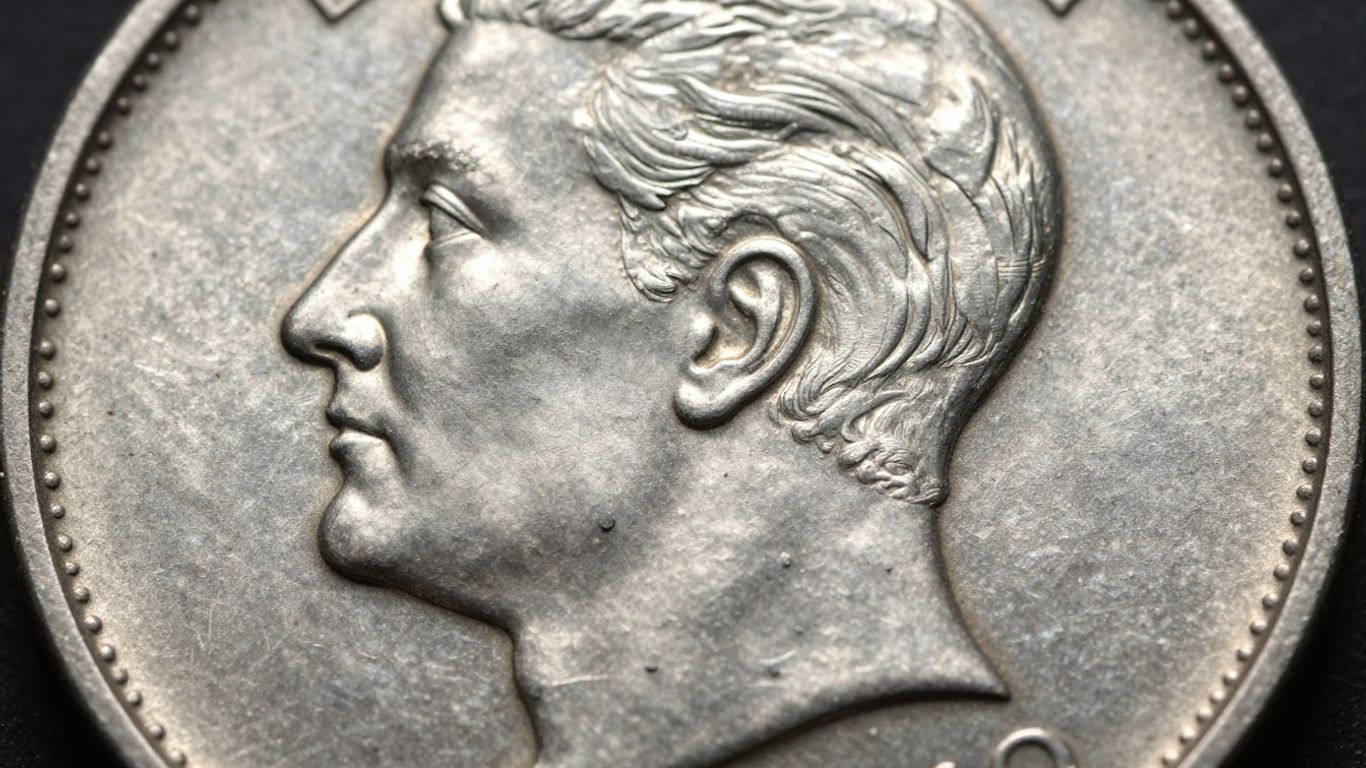
Finding a true tripled die variety can feel like striking gold, but it’s easy to get fooled by similar-looking errors or even outright fakes. Let’s talk about how to spot the real deal.
Avoiding Common Misidentifications
One of the biggest hurdles for new collectors is telling a genuine tripled die from other types of doubling. You’ll often see coins with mechanical doubling, which happens when the die slips or bounces during striking. This usually results in a shelf-like appearance, where the second impression is weaker and often only visible on one side of a design element. True tripled dies, on the other hand, show distinct, spread-out doubling that affects the entire design, often with a more rounded or split appearance to the affected letters and numbers.
It’s also important to be aware of "shelf doubling" or "plate doubling," which can occur during the die creation process itself. These can sometimes mimic the look of a tripled die, but they lack the characteristic spread and depth. Always compare your suspect coin to known examples of genuine tripled dies. Resources like online error coin databases and specialized books are invaluable here.
Using Magnification and Technology
Don’t try to spot these subtle varieties with the naked eye. A good quality magnifying glass, ideally a 5x or 10x loupe, is your best friend. Look for the characteristic spread and thickness of the doubled elements. Sometimes, a digital microscope or even a high-resolution camera with a macro lens can help you examine the coin’s surface in great detail. This allows you to zoom in and analyze the shape and separation of the doubled imagery.
When examining potential tripled dies, pay attention to specific areas. The date, mint mark, and the mottoes "IN GOD WE TRUST" and "LIBERTY" are common places where doubling is most pronounced. Remember, the doubling should be consistent across the affected areas, not just a single weak impression.
Consulting Experts and Reference Guides
When in doubt, don’t hesitate to consult with experienced numismatists or join a coin collecting club. These individuals have seen countless coins and can often spot a genuine variety quickly. They can also help you avoid common pitfalls, like mistaking a worn die for a doubled die.
Reference guides are also indispensable. Books dedicated to U.S. coin errors and varieties provide detailed descriptions, images, and diagnostic points for known tripled dies. Online resources, such as reputable coin forums and dedicated error coin websites, can also offer a wealth of information. Be cautious, however, and stick to well-established sources to avoid misinformation. Some counterfeit holders have also surfaced, so be wary of unusual packaging [0872].
Photographing and Documenting Your Finds
Once you believe you’ve found a tripled die, good documentation is key. Take clear, well-lit photographs of the coin, focusing on the areas of doubling. Include shots of the entire obverse and reverse as well. Note the date, mint mark, and any other identifying features. This documentation is not only helpful for your own records but can also be useful if you decide to have the coin authenticated or graded by a professional service. Remember that counterfeit double die pennies can display blurred or slanted letters, which are significant indicators [4654].
Here’s a quick checklist to help you evaluate a potential tripled die:
- Is the doubling spread out and distinct? Look for clear separation between the impressions.
- Does the doubling affect the entire design element? It shouldn’t be isolated to just one part.
- Is the doubling consistent across the coin? Check multiple letters and numbers.
- Does it look like a shelf or a flat impression? If so, it’s likely mechanical doubling.
- Have you compared it to known examples? Use reliable resources to confirm.
Spotting tripled die varieties requires patience and a keen eye for detail. It’s a skill that develops over time with practice and study. Don’t get discouraged if you don’t find one right away; the thrill of the hunt is part of the fun of collecting.
Collecting Strategies for Tripled Die Coin Varieties
Building a collection focused on tripled die coin varieties can be a rewarding endeavor, but it requires a thoughtful approach. It’s not just about finding these rare coins; it’s about how you go about it and what you aim to achieve with your collection.
Building a Focused Set
Many collectors find success by concentrating on a specific area within tripled die varieties. This could mean focusing on a particular denomination, like Lincoln cents, or even a specific time period. For instance, dedicating your efforts to finding all known tripled die varieties of Lincoln cents from the 1970s and 1980s can create a cohesive and manageable set. This focused approach allows you to become an expert in that niche, making your search more efficient and your collection more specialized. It also helps in understanding the market and rarity of those specific coins.
- Identify your primary interest: Are you drawn to older coins or more modern ones?
- Research thoroughly: Understand the known varieties within your chosen focus area.
- Set realistic acquisition goals: Prioritize key dates or particularly striking examples.
Diversifying with Modern and Classic Varieties
While a focused set is great, some collectors prefer a broader approach. Diversifying your collection can include a mix of classic, well-known tripled die varieties alongside newer discoveries. This strategy offers a wider range of potential finds and can provide a more balanced view of error coin history. You might include a famous classic like the 1955 Doubled Die Obverse cent (though not a tripled die, it’s a good example of a famous doubled die) alongside a more recent tripled die variety that has gained attention. This approach can also help in understanding how minting processes and error types have evolved over time. For those interested in building a type set of error coins, this diversification is key.
Where to Hunt for Hidden Treasures
Finding tripled die coins isn’t always about buying from high-end dealers. Many opportunities exist in more common places. Regularly examining pocket change, searching through bulk coin purchases, or attending local coin shows can yield surprising results. Don’t overlook coin rolls from banks, though the chances of finding a significant error are slim, the possibility is always there. Building relationships with other collectors and dealers can also provide early access to newly discovered varieties or coins that might otherwise be hard to find. Remember, patience and persistence are your greatest allies in the hunt for these elusive coins.
The thrill of discovery is a significant part of collecting error coins. While established varieties are well-documented, the possibility of finding a new or uncatalogued tripled die variety adds an exciting layer to the pursuit. Documenting any potential new finds meticulously is paramount.
Here’s a look at where you might find potential treasures:
- Pocket Change: The most accessible, though least likely, source.
- Coin Shows: Great for networking and finding a variety of coins.
- Online Auctions: Requires careful vetting but offers wide selection.
- Local Coin Shops: Building rapport can lead to insider information.
When you’re starting out, it can be helpful to look at strategies for building a 20th-century type set, as many popular error coins come from this era. This can give you a framework for organizing your search and acquisitions.
Preservation and Proper Handling of Error Coins
Why Careful Storage Matters
Keeping your tripled die coins safe is pretty important if you want them to keep their value. Think of it like storing delicate electronics; you wouldn’t just toss them in a drawer, right? Coins, especially those with minting oddities, need a bit of TLC. The wrong environment can cause all sorts of problems, from surface damage to chemical reactions that dull their shine or even cause corrosion. Proper storage protects your investment and preserves the coin’s historical integrity. Over time, even small things like fingerprints can leave marks that are tough, if not impossible, to remove without harming the coin.
Cleaning and What to Avoid
This is a big one, and honestly, it trips up a lot of collectors, especially when they’re just starting out. Resist the urge to clean your error coins, no matter how tempting it might be to make them look "better." Most cleaning methods, whether it’s rubbing with a cloth, using abrasive cleaners, or even trying to polish them, will actually damage the coin’s surface. This damage is permanent and will significantly reduce the coin’s value. For most collectors, the original surface, even if it looks a bit dull or dirty, is far more desirable than a cleaned coin. If you’re unsure about a coin’s condition or if it absolutely needs conservation, it’s best to consult with a professional numismatist or a reputable coin grading service. They can advise on the safest course of action, if any.
Presenting Tripled Dies in Displays
Once you’ve got some nice tripled die coins, you’ll want to show them off, but again, do it right. The best way to store and display coins is in inert holders. These can be individual plastic flips, Mylar holders, or specialized coin albums. Avoid PVC (polyvinyl chloride) plastics, as they can break down over time and damage your coins. For displaying, consider custom-made display cases or albums that keep the coins secure and protected from dust and environmental fluctuations. If you’re showing them to friends or family, handle them carefully, ideally with soft cotton gloves to prevent fingerprints and skin oils. This attention to detail not only keeps your coins looking great but also maintains their market appeal.
Resources and Reference Tools for Collectors
Finding and identifying those elusive tripled die coins can feel like a treasure hunt, and having the right tools makes all the difference. Think of it like needing a good map and compass when you’re exploring uncharted territory. You wouldn’t go into the wilderness without them, right? The same applies here. Having solid reference materials means you’re not just guessing; you’re informed.
Essential Books and Online Guides
When you’re starting out, or even if you’ve been collecting for a while, books and online resources are your best friends. They break down complex information into bite-sized pieces. You’ll find detailed descriptions, photos, and sometimes even checklists to help you track your progress. Some books focus on specific denominations, like Lincoln cents, while others cover a broader range of error coins. Online forums and dedicated coin collecting websites are also goldmines of information, often updated more frequently than print publications.
- The Red Book (A Guide Book of United States Coins): This is a classic for a reason. It covers virtually every U.S. coin ever minted, including key dates, mintages, and market values. It’s a great starting point for any collector.
- Error Coin Specialty Books: Look for titles specifically dedicated to coin errors. Authors like Alan Herbert have written extensively on the subject, providing in-depth analysis of various error types, including doubled dies and, of course, tripled dies.
- Online Databases and Forums: Websites like PCGS CoinFacts and NGC Coin Explorer offer extensive databases with images and information. Coin collecting forums are also great places to ask questions and get advice from experienced collectors.
Coin Grading Services and Their Role
Sometimes, you’ll find a coin that looks like it might be a tripled die, but you’re not entirely sure. This is where professional coin grading services come in. Companies like PCGS (Professional Coin Grading Service) and NGC (Numismatic Guaranty Company) have experts who can authenticate and grade your coins. They have seen countless examples of errors and can tell you with a high degree of certainty if your coin is a genuine tripled die variety. Getting a coin graded can also add to its value and make it easier to sell or trade later on. It’s a way to get a professional opinion on your find. You can also find valuable quarters by identifying key dates and minting errors here.
Best Communities and Clubs for Enthusiasts
Collecting can be a solitary hobby, but it doesn’t have to be. Joining a local coin club or an online community can be incredibly rewarding. You get to connect with people who share your passion, learn from their experiences, and even trade or sell coins. Many clubs have regular meetings where members share their latest finds and discuss numismatic news. Online communities offer a similar benefit, allowing you to connect with collectors from all over the world. These groups are fantastic places to learn about collecting and investing in rare coins.
Don’t underestimate the power of community. Sharing your finds, asking questions, and learning from others can significantly speed up your learning curve and make the hobby more enjoyable. It’s about more than just the coins; it’s about the people you meet along the way.
Tripled Die Varieties Around the World
International Coins with Tripled Dies
While the United States has a well-documented history of producing coins with tripled die errors, it’s not an exclusively American phenomenon. Many other mints around the globe have, at various times, produced coinage exhibiting similar effects. These can arise from the same mechanical stresses and die preparation issues that cause them in the U.S. Identifying these international varieties often requires a keen eye and specialized knowledge, as they may not be as widely cataloged or recognized as their American counterparts. For instance, some Canadian, British, or European mintages might feature coins with noticeable doubling or tripling, often due to similar die-making processes.
Comparing U.S. and Overseas Error Rates
It’s tricky to give exact numbers on how often tripled dies pop up in different countries. The U.S. Mint has a long history and a lot of coins out there, so we have more data and more collectors looking for these specific errors. Other countries might have fewer documented cases, but that doesn’t mean the errors don’t exist. Sometimes, it’s just a matter of fewer people actively searching for them or less information being readily available to the public. The minting technology itself plays a big role, and while many mints use similar techniques, subtle differences can affect the frequency of errors.
- U.S. Mint: Extensive cataloging and a large collector base mean many varieties are known and sought after.
- Other Mints: Fewer documented varieties, but potential for undiscovered gems.
- Technology: Similar die creation processes can lead to similar errors globally.
Global Trends in Error Coin Collecting
Error coin collecting is a global hobby, and interest in varieties like tripled dies is growing worldwide. As more information becomes accessible online and through international numismatic communities, collectors are becoming more aware of potential finds beyond their own borders. This has led to a broader appreciation for minting errors across different countries’ coinage. The thrill of finding a rare error, regardless of its origin, is a common thread among collectors everywhere. It’s a bit like a treasure hunt, and the internet has made the map a lot bigger.
The pursuit of error coins, including those with tripled die characteristics, transcends national boundaries. Collectors worldwide share a common fascination with the anomalies of minting, seeking out these unique pieces of history that deviate from the norm. This shared interest helps to connect hobbyists across different cultures and continents, all united by the quest for the unusual.
Finding these international varieties can be a rewarding challenge. It often involves studying the coinage of specific countries and mints, looking for patterns that might indicate a tripled die effect. Resources like the Cherrypicker’s Guide to Rare Die Varieties of U.S. Coins can provide a framework for understanding how to identify such errors, even if the specific examples are from different nations. The principles of die stress and mechanical duplication remain consistent, offering a universal language for error identification.
Future Prospects of Tripled Die Coin Varieties
As minting technology continues to evolve, the landscape for error coins, including those with tripled dies, is also changing. While modern minting processes aim for precision, they aren’t entirely immune to the anomalies that collectors seek. Understanding these shifts is key for anyone looking to stay ahead in the hobby.
Impact of Minting Technology Changes
Modern minting facilities employ advanced techniques to ensure consistency and reduce errors. This includes more sophisticated die preparation and striking processes. However, even with these improvements, the potential for errors like tripled dies still exists. Sometimes, new technologies can even introduce novel types of errors that weren’t possible before. It’s a constant evolution, and what was once a common error might become rarer, and new, unexpected varieties could emerge.
Opportunities in Modern Coinage
While older coins often get the spotlight, don’t overlook modern issues. Many collectors are finding that newer coins, even those from the last few decades, can harbor interesting tripled die varieties. The sheer volume of coins produced means that even a rare error can be found with diligent searching. Keep an eye on recent mintages; sometimes, it takes a few years for these less obvious errors to be widely recognized and documented. This is a great area for those who enjoy the thrill of discovery, potentially finding the next big thing in error coin collecting.
Predictions for the Error Coin Market
The market for error coins, including tripled dies, shows a steady interest. As more information becomes available online and through resources like coin variety guides, awareness grows. This increased awareness can lead to higher demand for well-documented and authenticated varieties. The key for collectors will be to stay informed about market trends and to focus on coins that have clear diagnostic markers and a solid provenance. Building a collection based on solid research and a good eye for detail will likely pay off. The future looks bright for dedicated error coin enthusiasts, especially those who are willing to put in the work to find these unique pieces of minting history. Remember, patience and persistence are often rewarded in this fascinating niche of numismatics. For those looking to build a serious collection, understanding coin authentication and grading is also paramount.
The ongoing pursuit of tripled die varieties highlights a persistent fascination with the imperfections of mass production. As minting processes advance, the nature of these errors may shift, but the collector’s drive to find and document them is likely to remain strong. This dynamic ensures that the hunt for these unique coins will continue to be an engaging aspect of numismatics for years to come.
Wrapping Up Your Penny Hunt
So, that’s the lowdown on those interesting doubled die pennies. It might seem like a lot to take in at first, but really, it just comes down to paying attention to the details. Keep your eyes peeled when you’re sorting through change or looking through old coin jars. You never know when you might stumble upon one of these special varieties. Happy hunting out there, and may your coin collection grow!
Frequently Asked Questions
What exactly is a tripled die coin?
A tripled die coin is a special kind of error coin. It happens when the metal die used to strike coins gets hit by the coin-making machine three times, or when the die itself is accidentally struck multiple times during its creation. This causes the design to appear three times on the coin, making it look like the image is doubled or tripled.
How is a tripled die different from a doubled die?
Think of it like this: a doubled die coin has an image that looks like it was stamped twice, showing two clear impressions. A tripled die coin is even more unusual because the image looks like it was stamped three times. This means you’ll see more overlapping and a thicker, more dramatic effect compared to a doubled die.
Are tripled die coins valuable?
Yes, tripled die coins can be quite valuable, especially if they are rare and in good condition. Because they are errors made during the minting process, they are not common. The more noticeable and clear the ‘triple’ impression is, and the rarer the specific coin, the higher its value can be to collectors.
How can I tell if a coin has a tripled die error?
You’ll need to look closely at the coin, often with a magnifying glass. Look for areas where the design, like letters or numbers, appears fuzzy, thick, or has multiple overlapping images. Pay special attention to the date, the words ‘Liberty,’ ‘In God We Trust,’ and ‘E Pluribus Unum.’ Sometimes, the doubling or tripling is very obvious, and other times it’s more subtle.
Where should I look for tripled die errors on a coin?
The best places to check are the areas with the most detail, such as the date, the motto ‘IN GOD WE TRUST,’ the word ‘LIBERTY,’ and the design elements like Lincoln’s portrait. These parts are often the first to show the effects of the die being struck multiple times.
Are there famous examples of tripled die coins?
Absolutely! The most famous ones are often Lincoln cents. For example, the 1970-S, 1971-S, and 1972 doubled die obverse (front side) coins are well-known, though these are technically doubled dies, not tripled. True tripled die varieties, while rarer, also exist and are highly sought after by collectors.
Can modern coins have tripled die errors?
While older coins are more commonly associated with these types of errors, modern minting processes can also produce them, though they might be rarer or harder to spot. As minting technology changes, the types of errors can also evolve. It’s always worth checking newer coins too!
What should I do if I think I found a tripled die coin?
First, examine it carefully with good lighting and magnification. Compare it to known examples of tripled die varieties. If you believe you have a genuine error, consider getting it authenticated and graded by a professional coin grading service. This will confirm its authenticity and help determine its value.