
When you’re looking at coins, you’ll often see them described as either “raw” or “certified.” This distinction matters a lot, especially when you’re thinking about price. Understanding the difference between raw versus certified coin prices can help you make better choices, whether you’re just starting out or you’ve been collecting for a while. It’s not always about which one is ‘better,’ but rather which one fits what you’re trying to do with your collection.
Key Takeaways
- Raw coins are uncertified and ungraded, offering a more budget-friendly option for collectors focused on affordability or melt value.
- Certified coins are authenticated and graded by third-party services, providing assurance of authenticity and condition, which often leads to higher prices.
- Certification adds a layer of security and market confidence, making certified coins easier to trade and often commanding a premium over raw counterparts.
- The decision between raw and certified coins depends on individual goals, with rare or condition-sensitive coins often benefiting most from certification, while common bullion might be better left raw.
- While certification costs money, for certain valuable coins, the increase in market value and reduced buyer uncertainty can justify the expense, making the raw versus certified coin prices a critical consideration.
Understanding Raw Versus Certified Coin Prices
When you start looking at coins to buy, whether for collecting or investing, you’ll quickly notice they’re generally sold in one of two ways: raw or certified. This distinction is pretty important because it directly affects how you see the coin’s value and what you’re paying for it. Let’s break down what these terms actually mean.
Defining Raw Coins
A "raw" coin is simply a coin that hasn’t been officially graded or authenticated by a third-party grading service. Think of it as a coin in its natural state, straight from the mint, a dealer’s stock, or a previous owner’s collection, without any professional assessment of its condition or authenticity. While dealers often have their own methods for checking coins, a raw coin hasn’t gone through the rigorous process that certified coins have.
- No official grade: Its condition is subjective and based on the seller’s description or your own evaluation. Learn to examine all aspects of a coin.
- Potential for variety: Many modern bullion coins, especially those minted in large quantities, are sold raw because the cost of grading often outweighs any potential increase in value.
- Buyer beware: You’re taking on more responsibility to assess the coin’s authenticity and condition yourself.
Defining Certified Coins
A certified coin, on the other hand, has been examined, authenticated, and assigned a grade by a professional, independent grading company. The most well-known services include PCGS (Professional Coin Grading Service) and NGC (Numismatic Guaranty Company). These companies encapsulate the coin in a protective plastic holder, often called a "slab," which displays the coin’s details, its assigned grade, and a unique certification number. This process adds a layer of trust and standardization.
The Role of Third-Party Grading Services
These grading services act as impartial arbiters in the coin market. Their primary job is to verify that a coin is genuine and then assign it a numerical grade, typically on the Sheldon scale from 1 to 70, indicating its condition. This standardization is what gives certified coins their distinct market position. The consensus among these services provides a common language for buyers and sellers, reducing guesswork.
The existence of these grading services is a cornerstone of the modern rare coin market. They provide a necessary layer of confidence for transactions, especially when dealing with high-value items where authenticity and precise condition are paramount. Without them, the market would be far more chaotic and prone to disputes.
Key Differences in Coin Valuation
When you’re looking at coins, whether to buy or sell, there are some big differences in how their value is figured out, especially between coins that are "raw" and those that have been certified. It’s not just about how pretty the coin looks; a lot more goes into it.
Authenticity and Verification
This is probably the biggest one. With a raw coin, you’re basically taking the seller’s word for it that it’s real and hasn’t been messed with. You have to do all the checking yourself. This means looking closely for signs of cleaning, filing, or other alterations that might make a coin look better than it is, or worse, hide a problem. It’s a lot of trust involved, and frankly, a lot of risk for the buyer.
Certified coins, on the other hand, have been looked at by a professional grading service. These services are pretty strict. They check if the coin is genuine and then assign it a grade based on its condition. This verification process is a huge deal because it removes a lot of the guesswork. You know you’re getting a real coin, and you have a pretty good idea of its condition. This assurance is why certified coins often command higher prices.
Physical Protection and Preservation
Raw coins are just… raw. They’re out there, exposed to the elements and whatever else might happen to them. Handling them, even carefully, can introduce tiny scratches or wear that might not seem like much at first, but can really affect the coin’s grade and value over time. Think about it like a brand new car versus one that’s been driven around for a while – the unprotected one is going to show wear and tear much faster.
Certified coins are usually put into a sealed plastic holder, often called a "slab." This holder protects the coin from physical damage, environmental contaminants, and even accidental handling. It’s like putting your coin in a protective case. This encapsulation not only keeps the coin in the condition it was graded in but also makes it easier to store and display without worrying about it degrading. It’s a big part of why graded coins are often preferred by collectors who want their investments to last.
Market Value and Pricing Benchmarks
Because of the uncertainty surrounding raw coins, their market value can be a bit all over the place. Buyers are often hesitant, which can lead to lower offers. You might find a great deal on a raw coin, but you also might be paying too much if you don’t know exactly what you’re looking at. It’s hard to set a firm price when the condition and authenticity aren’t guaranteed.
Certified coins, however, have much more stable pricing. The grading services provide a standardized scale, and their population reports show how many coins exist in each grade. This transparency creates clear pricing benchmarks. When a coin is certified, it’s easier for everyone to agree on its value. This standardization makes it simpler for collectors to compare prices and for dealers to trade coins, as the grade and authenticity are already established.
The difference between a coin graded MS63 and MS65 can be thousands of dollars, even if the coins look almost identical to the untrained eye. This highlights how critical professional grading is for accurately assessing market value.
The Impact of Certification on Coin Value
When you’re looking at coins, you’ll notice a big difference between ones that have been graded by a professional service and those that haven’t. This difference isn’t just about a sticker or a plastic case; it really changes how people see the coin and what they’re willing to pay for it. Certification brings a level of trust and standardization that raw coins just can’t match. It’s like buying a used car with a full inspection report versus one where you’re just hoping for the best.
Reducing Uncertainty for Buyers
For anyone buying coins, especially online or from a dealer they don’t know well, uncertainty is a big worry. You want to know exactly what you’re getting. Professional grading services act as a neutral third party. They look at the coin’s condition, its authenticity, and assign a grade based on established standards. This takes a lot of the guesswork out of the purchase. Buyers don’t have to wonder if the seller is being honest about the coin’s grade or if it’s even real. This confidence makes buyers more willing to spend money.
- Authenticity: Certified coins are verified as genuine, protecting buyers from fakes.
- Condition: The assigned grade provides a clear picture of the coin’s state of preservation.
- Consistency: Reputable services use consistent grading scales, making comparisons easier.
Without professional grading, buyers are essentially taking a gamble on the coin’s true quality and authenticity. This risk naturally leads to lower offers and a more hesitant market.
Enhancing Liquidity and Trade
Coins that are professionally graded tend to move through the market more easily. Because their condition and authenticity are guaranteed, dealers and collectors can trade them with confidence, often without needing to see the coin in person first. This makes them more liquid, meaning they can be bought and sold faster. Think about it: if you’re a dealer, it’s much simpler to buy a coin that comes with a trusted grade than one you have to evaluate yourself. This ease of trade means certified coins often fetch better prices and sell more quickly. This standardization has helped turn coin collecting into a recognized alternative asset class [d827].
Transparency Through Population Reports
One of the really neat things about professional grading services is that they publish something called a population report. This report tells you how many coins of a specific type and date have been submitted to the service, and in what grades. This is super helpful for understanding rarity. If a report shows that only a handful of coins exist in a top grade, you know that coin is much rarer than one where thousands have been graded. This transparency helps collectors make smarter decisions about what to buy and how much to pay. It also helps them understand the true scarcity of a coin, which is a major factor in its value. NGC coin grading, for example, significantly boosts a coin’s market value and liquidity [7878].
| Feature | Raw Coin | Certified Coin |
|---|---|---|
| Authenticity | Buyer must verify | Guaranteed by grading service |
| Condition | Subjective assessment | Objective, standardized grade |
| Marketability | Lower demand, slower sales | Higher demand, faster sales |
| Buyer Confidence | Low | High |
When Certification Adds Significant Value
Rarity and Condition Sensitivity
For coins that are particularly rare or where even minor differences in condition can drastically alter their worth, professional certification becomes a big deal. Think about it: a coin that looks almost perfect might be worth a lot, but one that’s truly flawless could be worth exponentially more. Grading services like PCGS or NGC have the trained eyes to spot these subtle differences. They can tell if a coin is an MS65 or an MS66, and that jump in grade can mean a huge price difference. Without that official stamp of approval, buyers might be hesitant to pay top dollar because they can’t be sure about the exact condition. It’s like buying a used car – you’d feel a lot better if it came with a detailed inspection report from a trusted mechanic, right? This is especially true for coins where the number of examples surviving in top condition is very low.
Coins with High Potential Grades
If you have a coin that you suspect might be a gem, getting it certified can really pay off. Sometimes, a coin that looks great to you might be even better in the eyes of a professional grader. If a coin is submitted and comes back with a high grade, like an MS67 or higher, its market value can skyrocket. This is where the investment in grading fees can really be recouped, and then some. It’s a gamble, sure, but for coins that have that potential, it’s a calculated one. The grading report acts as proof of that high quality, making it much easier to sell at a premium price. It helps buyers understand the rarity of a coin in a specific, high grade.
Precious Metal Content Versus Numismatic Value
When a coin’s primary value comes from its precious metal content, like gold or silver, certification might not add as much. A one-ounce gold coin is worth roughly the price of an ounce of gold, no matter who graded it. However, if that coin also has historical significance, a low mintage, or is in exceptionally pristine condition, its numismatic (collector) value can far exceed its melt value. In these cases, certification is key. It verifies the coin’s condition and authenticity, allowing collectors to confidently pay a premium for its numismatic appeal over its base metal worth. For instance, a rare silver dollar might contain less than $30 worth of silver, but if it’s graded as a high-quality specimen, it could be worth thousands. Certification helps bridge that gap between melt value and collector value.
Professional grading provides a standardized measure of a coin’s condition and authenticity. This objective assessment reduces risk for buyers and can significantly increase the price a coin commands, especially for rare or high-grade specimens. It transforms a coin from a simple piece of metal into a verifiable collectible asset.
When Raw Coins May Be Preferable
Raw coins aren’t always the second choice. Sometimes, buying coins in their original, uncertified state just makes more sense – both for your wallet and your collecting strategy. There are a few cases where raw coins have clear advantages over certified ones.
Affordability for Budget-Conscious Collectors
If you’re new to the hobby, or you just want to stretch your collecting budget, raw coins can be the way to go. Without the added price of third-party grading and encapsulation, raw coins usually sell for less than certified coins. This lower entry point lets you buy more coins, try different series, and maybe take a chance on some pieces you wouldn’t otherwise consider.
- No grading fee added to the purchase price
- Easier to buy in bulk for album and set building
- Sometimes, the difference in cost is significant, especially for modern or common coins
Here’s a quick table showing typical price differences:
| Coin Type | Raw Price (approx.) | Certified Price (approx.) |
|---|---|---|
| Modern Silver Eagle | $30 | $50+ |
| Common Wheat Penny | $1 | $10+ |
| Standard Gold Maple | $2,200 | $2,350+ |
Collectors on a tight budget often find raw coins offer a way to build significant collections without overspending.
Investing in Bullion for Melt Value
For investors who just care about the metal itself, raw coins are almost always the most practical choice. The price of a certified bullion coin usually doesn’t add enough resale value to cover the cost of grading, except in rare cases. When you want to buy gold or silver coins for their weight alone, raw coins are the standard option for most precious metal buyers.
Consider these common points:
- No added premium from certification
- Easy to buy and sell at or near spot price
- Focus stays on metal content, not condition or grade
Personal Preference for Self-Evaluation
Some collectors just like the experience of assessing coins themselves. The challenge of finding well-preserved examples, the thrill of the hunt, and the satisfaction of adding your own finds to an album are all part of the fun. You get hands-on interaction with history and sharpen your eye for grading and spotting details.
- Enjoy the traditional aspect of collecting
- Build grading skills by handling different coins
- Take pride in "cherry-picking" coins with strong eye appeal or hidden potential
For many hobbyists, choosing raw coins is about direct involvement and the joy of discovery, not just the bottom line.
In the end, raw coins aren’t always about cutting corners – they can actually offer flexibility, education, and unique opportunities for profit or personal satisfaction that certified coins can’t match.
The Cost Factor in Coin Certification
Getting a coin professionally graded isn’t free, and that’s a big part of the equation when you’re deciding between raw and certified coins. You’ve got to think about whether the price you’ll pay for grading actually makes sense for the coin itself. It’s not always a straightforward calculation, and sometimes, the cost can eat up any potential profit or added value.
Submission and Grading Fees
Reputable grading services like PCGS and NGC charge fees for their work. These costs can vary quite a bit depending on the type of coin, its potential value, and how quickly you need it back. For common coins or those with a lower market value, the grading fee alone might be more than the coin is worth, making certification a losing proposition. It’s like paying more to get a cheap item authenticated than the item costs initially.
Here’s a general idea of what you might expect:
- Standard Grading: For most coins with a value under a certain threshold (e.g., $1,000-$5,000), fees can range from $20 to $50 per coin.
- High-Value Coins: If your coin is particularly rare or valuable, the grading fees will be higher, often calculated as a percentage of the coin’s declared value.
- Bulk Submissions: Collectors submitting many coins at once might get a slightly reduced per-coin rate, but there are usually minimum submission requirements.
Shipping and Insurance Expenses
Don’t forget about getting your coins to the grading service and back. Shipping valuable coins requires secure packaging, tracked delivery, and adequate insurance. This adds another layer of expense that can add up quickly, especially if you’re sending multiple coins or high-value items. You’re essentially insuring against loss or damage during transit, which is a necessary precaution but still a cost.
Assessing If Grading Costs Justify Value Increase
So, when does it make sense to pay for grading? It’s usually when the potential increase in market value significantly outweighs the combined costs of submission, grading, shipping, and insurance. This often applies to:
- Rare Coins: Coins with limited mintages or historical significance where a professional grade can dramatically boost their desirability and price.
- High-Grade Potential: Coins that you believe will receive a top-tier grade (like MS-65 or higher) from a reputable service. The price jump between a raw coin and a perfectly graded one can be substantial.
- Key Date Coins: Specific dates and mint marks that are known to be scarce and highly sought after by collectors.
For many common coins, especially those found in circulation or modern bullion issues, the cost of certification simply isn’t recouped. The added premium for a certified common coin might only be a few dollars, while the grading process could cost $30 or more. In these cases, buying raw is almost always the more sensible financial choice for collectors on a budget. You can explore a wide range of raw coins if you’re looking for more affordable options.
Risks Associated with Uncertified Coins
When you’re looking at coins that haven’t been professionally graded, there are definitely some risks to keep in mind. It’s not always a bad thing to buy raw coins, but you need to know what you’re getting into.
Potential for Counterfeits and Alterations
One of the biggest worries with uncertified coins is the possibility of them being fake or tampered with. Without a trusted third-party grading service like PCGS or NGC to vouch for it, you’re essentially taking someone’s word that the coin is genuine and in the condition they say it is. This means you could end up with a coin that looks real but is actually a clever fake, or one that’s had its appearance altered to seem more valuable than it is. This lack of authentication is a significant drawback for many collectors. Buying uncertified coins, especially online, carries significant risk. Coin certification ensures authenticity and protects against counterfeits, providing buyers with greater confidence in their purchases.
Inconsistent Grading Standards
Even if a coin isn’t a counterfeit, its condition might be misrepresented. Different people have different ideas about what constitutes a ‘mint state’ or ‘very fine’ coin. While professional grading services have established standards, an uncertified coin relies on the seller’s subjective assessment, which might not align with the broader numismatic community’s expectations. This inconsistency can lead to disappointment when you realize the coin isn’t quite what you thought it was.
Lower Market Demand and Fluctuating Value
Because of the uncertainties surrounding authenticity and condition, uncertified coins often face lower market demand. Buyers tend to be more cautious, and sellers might have a harder time getting the best price for their coins. The value can swing more wildly compared to certified coins, which have a more stable and predictable market presence. This makes them less attractive for investors looking for steady returns.
Without the backing of a reputable grading company, collectors are exposed to a higher chance of acquiring coins that are not genuine or have been altered. This uncertainty directly impacts the coin’s market value and the buyer’s confidence.
Here’s a quick look at some of the differences:
- Authenticity: Certified coins have a guarantee; raw coins do not.
- Condition: Certified coins have a standardized grade; raw coins rely on subjective assessment.
- Market: Certified coins generally have higher demand and more stable pricing.
- Protection: Certified coins are sealed in protective holders; raw coins are exposed to damage.
The Role of Coin Slabs
When you see coins that have been graded by a professional service, they usually come in a sealed plastic case. People call these "slabs." It’s basically a protective holder that keeps the coin safe and also shows important details about it. Think of it like a secure display case that also tells you the coin’s story.
Encapsulation and Protection
These plastic slabs do more than just look official. They’re designed to keep the coin safe from fingerprints, scratches, and environmental damage. When a coin is graded, it’s handled carefully, and then sealed in this archival-quality plastic. This means that once a coin is slabbed, it’s pretty much protected from further wear and tear. This is especially important for coins that are rare or in high grades, where even a tiny scratch can knock its value down significantly. It’s a way to preserve the coin’s condition for the long haul.
Information Displayed on Slabs
What’s actually printed on the slab? Well, it’s a good amount of info. You’ll typically see the name of the grading company, like PCGS or NGC. Then there’s the coin’s identification – its date, mint mark, and denomination. Most importantly, you’ll see the grade assigned by the service, usually on the 70-point Sheldon scale. Sometimes, there are also special designations, like "Proof" or details about specific varieties or errors. This information is key for buyers because it gives them a clear picture of what they’re getting.
Tamper-Evident Security Features
Reputable grading services put a lot of effort into making their slabs secure. They use special plastic and sealing methods that make it obvious if someone has tried to open the case. This is called a "tamper-evident" feature. If a slab looks like it’s been messed with, collectors know to be suspicious. This security aspect helps build trust in the grading process. It means that the coin inside is likely the same one that the grading service evaluated and authenticated. It’s a big part of why certified coins are often preferred for their reliability.
The development of these secure holders was a game-changer for the coin market. Before slabs, buyers had to rely more on their own judgment or the word of the seller, which led to a lot of uncertainty and potential for fraud. Slabs, combined with standardized grading, brought a new level of confidence to coin transactions.
Strategic Approaches to Coin Collecting
When you get into coin collecting, you’ll find there are a couple of main paths people take. It’s not just about buying whatever looks cool; there’s a bit of strategy involved, especially when you’re thinking about raw versus certified coins. Your approach really depends on what you’re trying to achieve with your collection.
Buying Raw for Potential Upgrades
Some collectors really enjoy the hunt for a bargain. They like buying coins that haven’t been graded by a professional service. These are often called ‘raw’ coins. The idea here is that you might find a coin that’s in better condition than its current market price suggests. If you’re good at grading yourself, or if you’re willing to learn, you could potentially buy a coin for, say, the price of a ‘Very Fine’ grade, but discover it’s actually ‘Mint State’. Then, you could get it graded, and its value could jump significantly. It’s a bit of a gamble, sure, but the payoff can be pretty good if you know what you’re looking for. This strategy requires a solid understanding of coin grading and market values. It’s also a good way to get more coins for your money if you’re on a tighter budget, allowing you to build a larger collection faster.
Purchasing Certified for Immediate Assurance
On the other hand, many collectors prefer the peace of mind that comes with buying certified coins. When a coin is certified, it means a third-party grading service has examined it, assigned it a grade, and sealed it in a protective holder, often called a ‘slab’. This process takes a lot of the guesswork out of buying. You know exactly what you’re getting in terms of grade and authenticity. For collectors who are focused on rare, high-grade items, this is often the way to go. It makes the buying process simpler and reduces the risk of purchasing a coin that’s been altered or overgraded. You’re paying a premium for that assurance, but for many, it’s well worth it. This is especially true when looking at coins with significant numismatic value, where condition is everything.
Building a Balanced Collection of Both Types
Honestly, the most common and often the smartest approach is to build a collection that includes both raw and certified coins. You might buy certified coins for your key collection pieces – the ones you consider the most important or valuable. These are the coins where authenticity and precise grading are paramount. Then, you can fill out the rest of your collection with raw coins, perhaps focusing on more common dates or types where the grading isn’t as critical, or where you feel confident in your own assessment. This balanced method lets you enjoy the thrill of potentially finding a hidden gem among the raw coins while still having the security of certified pieces for your most prized possessions. It’s a way to manage risk and budget while still pursuing your numismatic interests.
A balanced approach allows collectors to enjoy the potential upside of raw coins while benefiting from the security and market recognition of certified examples. It’s about finding the right mix that aligns with your personal collecting goals and risk tolerance.
Making Informed Decisions on Raw Versus Certified Coin Prices
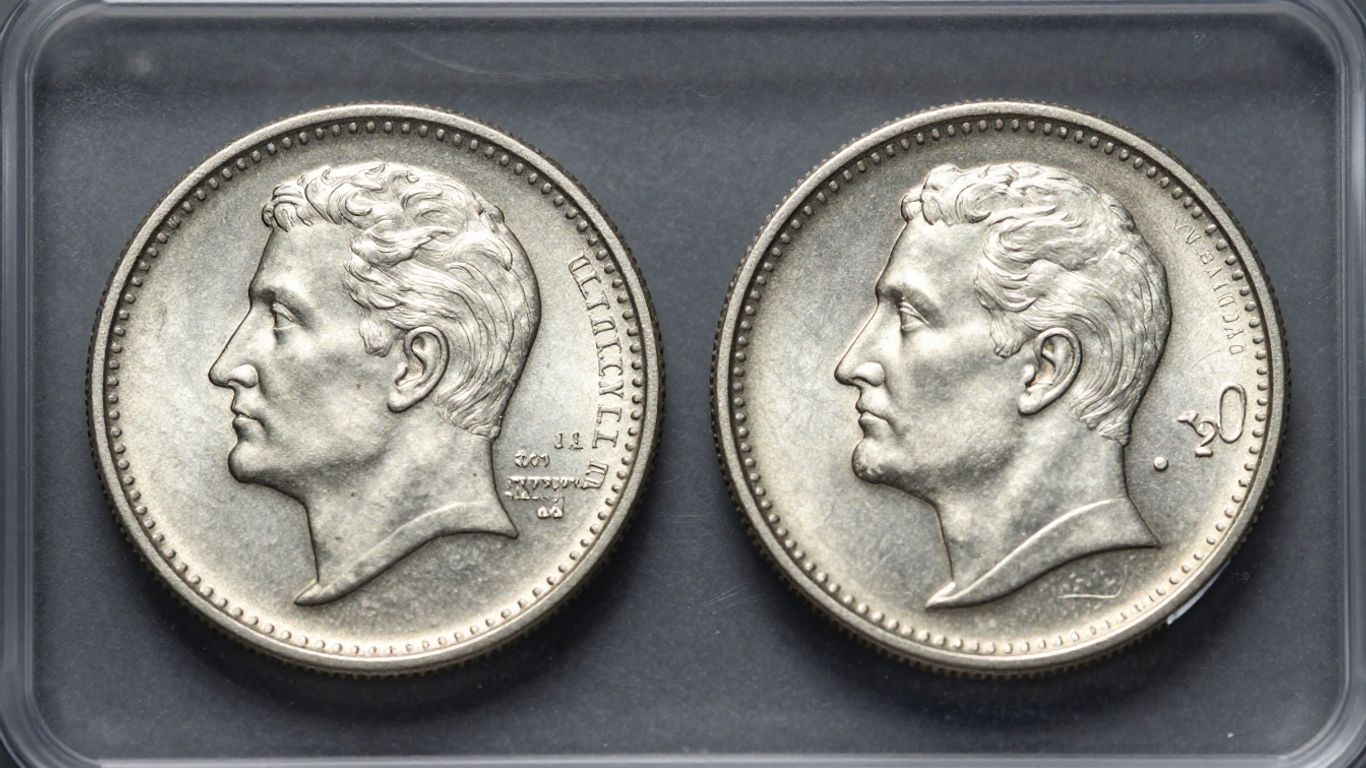
Deciding whether to buy a coin raw or certified really boils down to what you’re trying to achieve with your collection. It’s not a one-size-fits-all situation, and understanding your own goals is the first step. Think about why you collect coins in the first place. Are you looking for investment potential, historical significance, or just the simple joy of owning something beautiful?
Aligning Purchases with Collecting Goals
Your collecting objectives should guide your choices. For instance, if you’re building a set of common date silver dollars primarily for their precious metal content, buying them raw might make more sense. They’ll be cheaper, and you’re mostly concerned with the silver weight. On the other hand, if you’re hunting for a specific rare coin in a top-tier condition, a certified example from a reputable grading service is almost always the way to go. This provides a layer of security and confidence in the coin’s authenticity and grade. For those interested in the historical aspect of coins, sometimes the story behind a raw coin, even with its imperfections, holds more appeal than a perfectly graded, slabbed specimen. It’s about personal connection as much as market value.
Understanding Market Dynamics
Market trends play a big role. Certified coins often command higher prices because the grading service has removed a lot of the guesswork for potential buyers. This standardization makes them easier to trade, especially for collectors who can’t inspect the coin in person. Population reports, which detail how many coins of a certain type exist in specific grades, are a key part of this dynamic. They show you just how rare a particular coin is in its condition. Raw coins, while potentially cheaper upfront, carry more risk. You’re relying on your own eye to judge authenticity and condition, and the resale market might be less predictable. For investors looking to flip coins, the transparency of certified coins can be a significant advantage. You can often find good deals on raw coins if you know what you’re looking for, a practice sometimes called ‘cherry-picking’ [45c4].
Prioritizing Value and Investment
When it comes to value, it’s a balancing act. Certification costs money, and sellers will typically pass that cost on, plus a premium, to the buyer. So, a certified coin will almost always be more expensive than its raw counterpart. However, that premium often buys you peace of mind. You’re getting a coin that’s been authenticated and graded by professionals, reducing the risk of buying a fake or an over-graded coin. For coins where condition is paramount – think rare mint state coins – the added cost of certification is usually well worth it. The price difference between a coin graded MS63 and MS65 can be substantial, making the certification that confirms that higher grade incredibly important. For bullion coins, however, the focus is usually on melt value, making raw coins a more straightforward choice. Ultimately, the ‘better’ investment depends on the specific coin, its rarity, its potential grade, and your personal collecting strategy.
The decision between raw and certified coins isn’t just about price; it’s about risk tolerance, collecting goals, and understanding what drives value in the numismatic market. A certified coin offers a degree of certainty, while a raw coin presents an opportunity for the knowledgeable buyer.
Wrapping It Up
So, we’ve looked at what makes certified coins different from raw ones. For folks interested in really rare coins, or those who want that extra peace of mind about authenticity and condition, going certified makes a lot of sense. It costs more upfront, sure, but that protection and clear grading can really help when it’s time to sell. On the flip side, if you’re just starting out, collecting common coins, or mainly interested in the metal content, raw coins are usually the way to go. They’re easier on the wallet and perfectly fine for many collectors. Ultimately, the best choice really just comes down to what you’re hoping to get out of your coin collection.
Frequently Asked Questions
What is the main difference between a raw coin and a certified coin?
A raw coin is simply a coin that hasn’t been officially graded or put into a protective case by a professional grading company. Think of it as a coin in its original, unverified state. A certified coin, on the other hand, has been examined, authenticated, and given a grade by a trusted third-party service, and it’s usually kept in a special sealed plastic holder called a slab.
Why do certified coins often cost more than raw coins?
Certified coins usually cost more because the grading process adds value. The grading service guarantees the coin’s authenticity and condition, which removes a lot of guesswork for buyers. This assurance, along with the protective slab, means sellers can often ask for a higher price compared to a raw coin where the buyer has to take on more risk.
Are certified coins always a better investment than raw coins?
Not necessarily. It really depends on the coin and what you’re looking for. For very rare coins or ones where condition is extremely important, certification can significantly boost value and make them easier to sell. However, for common coins or those valued mainly for their metal content (like basic gold or silver bullion coins), the cost of grading might be more than the extra value it adds.
What are the risks of buying a raw coin?
When you buy a raw coin, you take on more risk. There’s a chance it could be a fake or have been altered to look better than it is. Also, grading standards can differ between collectors, so you might not agree with the coin’s condition. This uncertainty can make raw coins harder to sell later for a good price.
What is a coin slab and why is it important?
A coin slab is a strong, clear plastic case that holds a certified coin. It protects the coin from damage, dust, and handling, which helps preserve its condition. Most slabs also have labels that clearly state the coin’s details, its grade, and the name of the grading company, making it easy to identify and verify.
When might it be better to buy a raw coin?
Buying raw coins can be a good choice if you’re on a tighter budget, as they are typically less expensive. It can also be appealing if you enjoy examining coins yourself and want to make your own judgment about their condition and eye appeal. Some collectors also buy raw coins hoping to find hidden gems that might get a higher grade if submitted for certification.
How do grading companies help determine a coin's value?
Reputable grading companies, like PCGS and NGC, use a standardized system to rate a coin’s condition, usually on a scale from 1 to 70. This consistent grading makes it easier for everyone to understand a coin’s quality. They also publish reports showing how many coins exist in each grade, which helps collectors understand rarity and how that affects market prices.
Can I submit a raw coin to a grading service myself?
Yes, you can. If you own a raw coin that you believe is valuable or rare, you can send it to a professional grading service. However, it’s important to consider the cost of grading, shipping, and insurance. It’s often best to do some research beforehand to see if the potential increase in value after grading is likely to be worth the expense.