
Key Takeaways
Understanding wire edge formations coins reveals significant insights into historical minting techniques and the delicate balance between design aesthetics and manufacturing limitations. High-pressure strikes often result in distinct rim profiles that collectors value for their rarity.
- Wire edges develop when excess metal flows into the space between the die collar and the striking surface.
- The 1907 high-relief gold coinage remains the most famous historical example of experimental rim design.
- Collectors differentiate wire edges from standard rims by observing the verticality and overflow characteristics of the metal.
- Authentic wire edges are a byproduct of extreme pressure, making them a key indicator of specific production variances.
- Modern grading services meticulously inspect these edge details to verify the strike quality of rare numismatic specimens.
The mechanics of wire edge formations
Defining wire edges in numismatics
In the world of rare coins, a wire edge refers to the thin, raised metal ridge that forms around the circumference of a coin during the striking process. This phenomenon occurs when the pressure applied by the dies is so immense that metal is forced into the microscopic gap between the die face and the retaining collar. While often mistaken for a design element, it is fundamentally a technical byproduct of the striking mechanism.
Distinguishing wire edges from standard coin rims
Most modern commercial coins are crafted with a rounded, beveled rim designed for durability and ease of mechanical handling. In contrast, wire edges appear sharp, knife-like, and sometimes irregular, as they represent uncontrolled flow of planchet metal at the extreme pressure limits of the press. Identifying the difference between a deliberate rim and an accidental wire overflow requires close examination of the coin edge’s transition zones.
The physics of metal flow during striking
During the coining process, the impact of the dies causes the planchet to expand laterally until it hits the restraining collar. When the force is sufficient, the metal deforms in ways that exceed the capacity of the die design to contain it. Understanding these processes is akin to reading the coin collecting glossary where terms like abrasion and accolated help clarify the physical condition of a specimen. The metal essentially travels upwards along the wall of the collar, creating a thin, vertical flange that distinguishes a high-pressure strike from standard mass-produced currency.
Physical characteristics of high-pressure strikes
When we look at the structural integrity of these coins, we rely on precise technical data to assess how metal moved under pressure. The following table summarizes the typical physical indicators observed when a coin exhibits a true wire edge.
| Feature | Standard Rim | Wire Edge |
|---|---|---|
| Profile | Rounded, even | Thin, irregular vertical fin |
| Material flow | Contained | Extruded beyond die face |
| Tactile feel | Smooth rim | Sharp, cutting edges |
This physical profile is vital for researchers using methods similar to those found in lithium-ion battery research where precise boundary definitions determine the validity of the internal experiment. By cataloging these indicators, one can determine if the edge formed during a production run or as a result of post-mint damage.
Historical significance of wire edge coinage
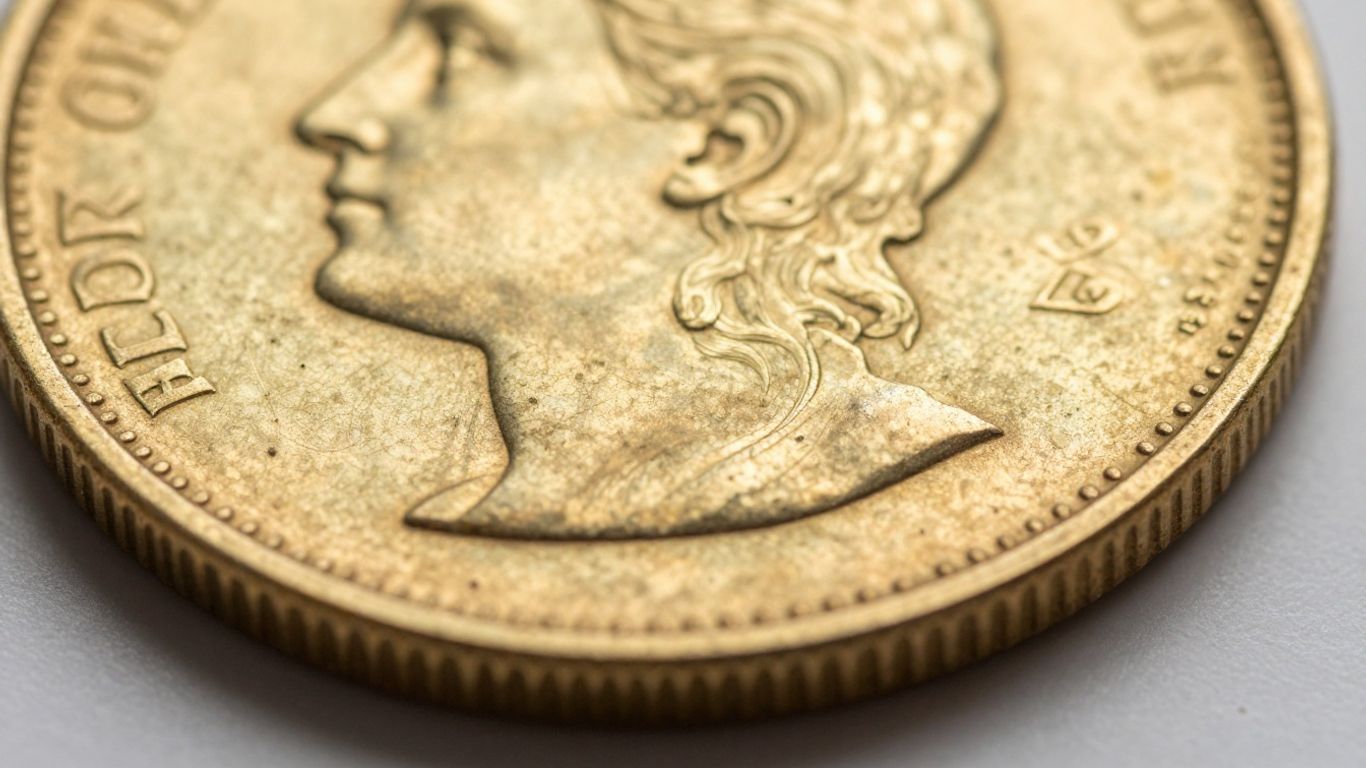
The 1907 Saint-Gaudens Double Eagle experiment
History provides a fascinating look into the 1907 high-relief gold coins, which represent the pinnacle of experimentation with rim design. The United States Mint attempted to create a near-perfect strike that could accommodate extraordinary depth, resulting in the iconic wire edge varieties that are highly coveted today. You can read more about why a rare 1907 gold piece attained such extreme auction success to understand the financial weight these historical experiments carry.
Theodore Roosevelt’s influence on coin design
President Roosevelt demanded aesthetic improvements to American coinage, pushing designers toward the high-relief models that necessitated such high striking pressures. He saw the coin as a canvas for beauty, which eventually pushed the manufacturing limits of the day far beyond the standard capacity of the machinery available in Philadelphia.
Challenges faced by the United States Mint in 1907
Technicians at the time struggled with rapid die degradation and frequent equipment failures brought on by the intense force needed for these high-relief designs. Maintaining, cleaning, and tempering the steel molds was an exhausting process, and many pieces survived with varying degrees of rim perfection as they tried to refine the high-pressure striking sequence.
Why wire edges were abandoned for mass production
While visually arresting, wire edges were problematic for circulation since they made the coins prone to dings and chipping when stored in bags. The Mint eventually returned to a standard design that flattened the relief, ensuring longer survival of the dies and more consistent, durable coins for public use.
How manufacturing pressure creates wire edges
The role of excess metal displacement
Excess metal displacement happens when the planchet volume slightly exceeds the cavity volume of the dies and collar. As the press closes, the material has nowhere to go but into the tiny clearance between the collar’s inner edge and the bottom die’s outer edge. This creates a vertical fin that persists after the strike is completed.
Die collar pressure and planchet confinement
Properly adjusting the die collar is the difference between a clean rim and a wire edge. If the planchet is not perfectly centered or if the collar is slightly worn, the metal will migrate differently around the circumference. Analyzing these production steps is similar to how custom challenge coins are made, where CAD layouts help manage the tolerances of the final metal impression.
Variations in striking force and machinery
Operators often fluctuate pressure to find the balance between a deep strike and a catastrophic failure of the press. These manual adjustments lead to inconsistency, where even within the same batch, some coins show a pronounced wire edge while others exhibit only a minor rim overflow.
Material properties of gold versus base metals
Gold is malleable, whereas harder alloys like copper-nickel or zinc-based metals flow with much higher resistance. When striking soft precious metals, the propensity for forming a wire edge is significantly higher because the material yields more readily to the shearing forces at the collar. If you are comparing hardware impacts, think of how TruLight LED lighting delivers different visual outcomes based on distinct chipset technology; the material inputs on a coin perform the same way under the pressure of the minting press.
Market impact and collector valuation
Evaluating strike quality using edge morphology
Collectors prioritize the completeness of the rim as a sign of an high-quality strike. The morphology of the edge often correlates with the crispness of the lettering and the deep details within the portrait, as only the most forceful strikes manage to push metal into both the high-relief features and the distant rim boundary.
The role of wire edges in proof and pattern coins
Patterns are experimental coins, and often they are struck with additional pressure to highlight design elements that the Mint wasn’t sure would carry over to circulation. Many of these proofs are found to have pronounced wire edges, confirming that the dies were pushed to their decorative and physical absolute maximums.
Rarity and demand among high-end collectors
There is a niche but dedicated demand for specimens that show these features clearly. Since such edges are essentially accidental, finding a high-grade example that hasn’t suffered from the fragility of the fine metal fin is a challenge that drives prices to record-breaking levels.
Assessing premium values for premium strikes
- Confirm that the rim isn’t damaged.
- Verify the strike depth correlates with the edge.
- Compare the edge against known variety benchmarks.
- Check the coin’s historical pedigree and grading records.
Please follow these steps to accurately assess if a coin’s value is enhanced by its specific edge characteristics. Many buyers on platforms seeking Non GamStop betting flexibility look for similarly unique attributes in items to diversify their hobby. It is all about finding value where others might just see a flaw.
Authentication and grading considerations
Identifying counterfeit wire edges on modern coins
Counterfeiters are aware that collectors pay premiums for wire edges, so they sometimes machine the edge of a standard coin to mimic the appearance of an overflow. Examining the transition from the field to the rim under 10x magnification is essential for identifying these artificial, horizontal, or turned edges.
How professional grading services assess edge details
Grading services utilize high-resolution imaging and physical inspection to verify whether the wire edge was generated by the die or by a tool post-mint. They look for the flow patterns within the grain of the metal that naturally occur during a strike.
Common damage patterns mistaken for wire edges
Sometimes, a coin that was dropped or damaged in a counting machine will develop a flattened or displaced edge that looks somewhat like a wire edge. Known as environmental damage, these artifacts lack the microscopic stress marks that come from the immense force of an actual die collision.
Tips for inspecting edge quality under magnification
Always examine the edge under bright, directional light while rotating the coin. A genuine wire edge will have a specific metallic shine that matches the rest of the coin, whereas tampered edges often show different wear, discoloration, or scratches that indicate they were added long after the coin left the mint. If you struggle with workspace clarity during these inspections, consider home office flooring improvements or better lighting setups to keep your precision tools steady.
Conclusion
Wire edge formations on rare coins provide a fascinating insight into the technical struggles of historical minting operations. While originally considered a mechanical byproduct to be avoided in standard circulation, these edges now serve as a testament to the immense pressures required to bring high-relief artistry to life, ultimately helping collectors authenticate the most exceptional strikes in existence.
Frequently Asked Questions
What exactly causes a wire edge on a coin?
A wire edge is caused by extreme pressure during the coining process, which forces surplus metal into the tiny gap between the die face and the collar.
Are wire edges considered valuable by collectors?
Yes, wire edges are often prized, especially on high-relief or pattern coinage, as they serve as indicators of a powerful strike and historical experimentation.
How can I distinguish a wire edge from damage?
Real wire edges have a distinctive vertical flow pattern in the metal grain, whereas accidental damage usually manifests as scratches, gouges, or asymmetrical flattening.
Were wire edges always intended by the mint?
No, in most historical cases, they were considered a flaw in the manufacturing process that indicated the need for machine or collar adjustments.
Should I avoid coins with wire edges for fear of fragility?
While wire edges are fragile, they do not necessarily detract from a coin’s value; however, one should handle such specimens with care to prevent accidental breaking of the thin metal fin.
Can wire edges be found on modern circulating coins?
Generally no, as modern manufacturing processes and minting metallurgy are highly optimized to ensure rims are uniform and safe for daily circulation usage.
Is magnifying equipment necessary for identifying wire edges?
Because they can look similar to slight rim damage or standard wear, high-quality magnification is highly recommended for accurate verification of a wire edge.