
Key Takeaways
Collecting rare numismatic specimens requires a sharp eye for the unique physical irregularities that distinguish genuine mint errors from common circulation damage. Understanding how multiple impression coins errors occur is essential for any serious collector looking to authenticate their acquisitions properly.
- Multiple strike errors represent anomalies created during the machinery’s stamping process.
- Genuine errors exhibit specific stress patterns not present in post-mint damage.
- Collectors should focus on identifying overlapping design elements to verify authenticity.
- Off-center strikes often provide clear evidence of repeated, misaligned pressure.
- Third-party certification is highly recommended for confirming significant minting anomalies.
Understanding how multiple impression coins errors occur
The minting process mechanics
Modern coinage begins with the transformation of raw metal blanks into finished currency through precise industrial stages. This involves creating consistent rims and ensuring each planchet is correctly oriented before the coining press exerts immense pressure. When the feed mechanism fails, a planchet may not exit the press correctly, leading to striking errors where the die contacts the already struck surface again.
Causes of coin feed malfunctions
Mechanical issues frequently stem from feeder fingers sticking or failing to eject the finished coin at the proper interval. A backup of circulation items can trap a piece between the dies for additional strikes. These malfunctions are often unpredictable and result in unique, highly sought-after collectible variations that Sullivan Numismatics catalogs extensively.
Distinctions between die strikes and clashes
Distinguishing between deliberate minting accidents and standard die wear is a core competency for advanced collectors. A die clash occurs when the obverse and reverse dies meet without a planchet, leaving ghostly impressions behind. In contrast, multiple strikes involve the physical movement of the coin against the dies, creating distinctly layered overlapping images that are easy to spot once you understand the mechanics.
Identifying key features of a multiple strike
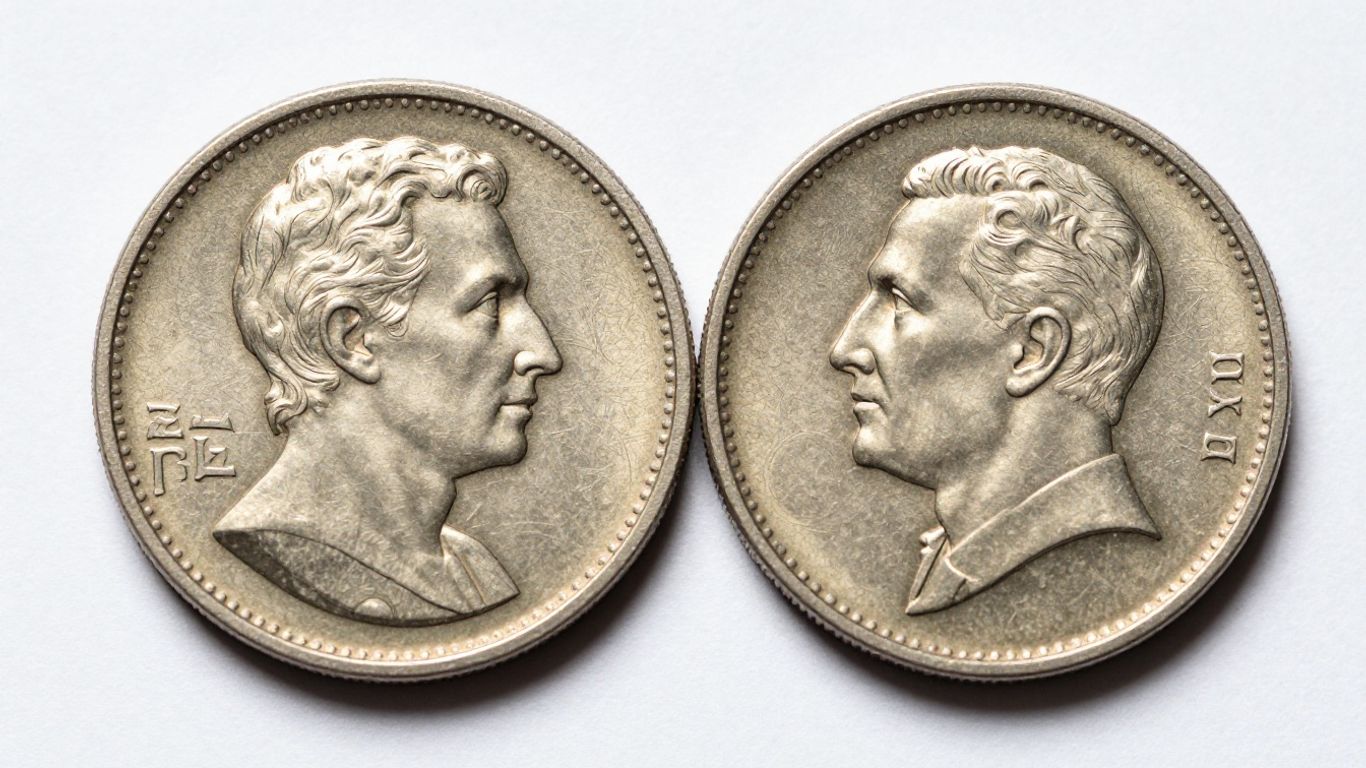
Analyzing overlapping design elements
When a coin is stamped twice, the second strike rarely lands perfectly atop the first. Collectors must verify that the design elements, such as lettering or portraits, show clear ghosting or partial secondary imprints. It is helpful to review the mint error news to compare your piece with known varieties, ensuring the overlap behavior is consistent with mechanical failures rather than modern alterations.
Assessing radial flow lines and stress marks
Striking causes intense pressure that forces metal to migrate across the die surface. You can often see fine, directional stress lines that radiate outward from the center of the strike. These microscopic features are extremely difficult to replicate outside of high-pressure minting facilities.
Evaluating changes in coin thickness
Repeated striking events compress the metal further than intended, often resulting in unusual localized thickness. We can summarize the comparison between normal and erroneous coin physical properties using the evaluation table below:
| Feature | Normal Coin | Multiple Strike Error |
|---|---|---|
| Surface Profile | Uniform and smooth | Distorted and layered |
| Design Edges | Crisp and defined | Blurred or double struck |
| Metal Thickness | Consistent | Varies due to compression |
Following these indicators helps differentiate between legitimate errors and simple environmental damage. Applying the right search-engine-friendly tools allows collectors to find historical price data for these specific anomalies, ensuring they make informed acquisitions.
Common types of multiple impression errors
Off-center strikes with subsequent impressions
This occurs when a coin fails to eject and slides, causing the dies to catch it in a significantly misaligned position. The resulting shift produces a crescents of empty metal where the die missed the planchet, accompanied by the original, partially stamped image.
Rotated die multiple strikes
Occasionally, the coin rotates slightly during the feed cycle, leading to images that appear at conflicting angles. This rare phenomenon provides a dramatic visual contrast, often leading collectors to favor these pieces for their complexity. Many hobbyists track these trends to build comprehensive numismatic references, much like one might organize Google Business Profile citations to manage professional digital footprints.
Brockages resulting from stuck coins
When a previously struck coin stays attached to the die face, it acts as a secondary die against the next planchet in the feeder. This produces a mirror-image impression known as a brockage on the subsequent coin. To visualize these complex production phases, the following checklist highlights common mechanical signs:
- Noticeable mirror-image designs on the reverse strike faces
- Deep, indented circular outlines around the central portrait
- Unnatural thickening of the coin’s edge around the strike
- Obvious inconsistencies in the relief depth across the fields
Assessing the value and rarity of error coins
Factors influencing market demand
Market interest is driven by the visual drama of the error and the popularity of the specific denomination. A common penny with a minor shift draws less interest than a silver eagle with a dramatic double-struck obverse. Collectors often find that the most valuable pieces combine extreme visual distortion with high-grade physical preservation.
Importance of strike separation and alignment
Separation between the strikes allows for a better assessment of the original design versus the secondary impression. Greater separation generally enhances the visual appeal, potentially leading to higher valuations among serious numismatists. You might even find that identifying these items is a satisfying hobby, much like someone might find it relaxing to enjoy Olive Garden Chicken Gnocchi Soup on a quiet evening.
Certification and third-party authentication
Authentication services are essential for protecting the integrity of your collection. Experts use magnification and metallic analysis to confirm that the errors are indeed legitimate, providing a certification that significantly boosts resale potential. This standard of verification is crucial for anyone investing in the error coin examples market.
Avoiding counterfeits and mint-altered coins
Detecting post-mint damage vs. true strikes
Many "errors" found in circulation are actually just coins carved or altered by hobbyists using standard shop tools. True mint strikes will show an even metallic flow across the disturbed area. If you find yourself needing to evaluate coins similar to how one might choose biberones anticólicos for their specific technical features, look for signs of surface scraping that typically accompany fake double-strikes.
Signs of mechanical reproduction
Counterfeiters often use secondary stamps or heavy hammers, which leave behind telltale signs of flat, uneven pressure. Unlike the high-velocity, even force of a real coining press, manual attempts often mar the delicate surface details of the coin.
Trusted sources for purchasing collectibles
Buying from reputable dealers who offer a lifetime guarantee of authenticity is the best defense against fraudulent items. Avoid platforms that facilitate anonymous sales where the seller’s pedigree cannot be verified. Just as you might prefer jogos de simulação for the quality of their virtual environments, you should prioritize the quality of your provider when expanding your physical coin collection.
Conclusion
Identifying multiple impression coins errors is a rewarding endeavor that connects collectors to the mechanical realities of historical production. By staying vigilant regarding the signs of authenticity and relying on expert certification, you can turn a basic interest in coinage into a sophisticated search for rare anomalies. Whether you are hunting for dramatic double strikes or subtle brockage patterns, maintain a curious and cautious approach to ensure the long-term success of your private numismatic archive.
Frequently Asked Questions
How are multiple strikes different from die doubles?
Multiple strikes occur between the dies and the planchet during the minting press operation, while die doubles are caused by a misalignment or error in the hubbing process when the die itself is being created.
Is it possible to find multiple strike errors in bank rolls?
Yes, it is possible to find these errors while searching through bank rolls, although they are quite rare compared to standard circulation strikes.
What does a brockage error look like?
A brockage error typically appears as a faint, incuse, and reversed version of the coin’s design, often caused when a previously struck coin is pressed into a new planchet.
Does the value of an error coin depend on the year?
While year and mint mark play a role, the visual drama and the uniqueness of the strike are usually the primary factors that determine the final market valuation.
Should I clean an error coin to make it clearer?
Never clean a numismatic specimen, as doing so removes original luster and severely damages the coin’s collector value permanently.
How can I tell if a double strike is actually a fake?
Fake errors often display evidence of tool marks or irregular compression, whereas real errors exhibit the smooth, consistent metallic displacement typical of professional machine presses.
Where can I get my coins authenticated?
Professional numismatic grading and authentication companies in the United States offer independent third-party services to verify the legitimacy of your strike errors.