
Key Takeaways
Understanding how to evaluate precious metals is vital for any collector or investor looking to expand their holdings. This guide provides clarity on the marks, fineness standards, and authentication methods used throughout the global bullion market.
- Gold purity is typically expressed in either karats or the millesimal fineness system.
- Official mint marks and assay certificates are the primary indicators of authenticity.
- Modern investment-grade bullion is most commonly found at .999 or .9999 fineness.
- Distinguishing between manufacturer hallmarks and purity stamps helps in verifying legal tender status.
- Physical verification techniques, such as density testing, are essential for secondary market purchases.
The basics of gold purity in bullion
Understanding karats versus fineness
Gold purity is often discussed using two primary measurement systems. The karat system, historically used for jewelry, divides gold into 24 parts, where 24K signifies pure gold. In contrast, the bullion industry frequently utilizes decimal-based millesimal fineness, which expresses purity as parts per thousand, such as .999 fineness. Learning to Understand gold purity standards allows you to bridge the gap between historical conventions and modern investment requirements.
The role of alloying metals in coin durability
Pure gold is notoriously soft, making it susceptible to scratches and wear if handled improperly. To improve structural integrity, many mints introduce copper or silver as alloying agents, resulting in coins that are durable enough for circulation or long-term handling. This metallurgical process is precisely what allows the Signature Solitaire Collection to maintain its refined aesthetic through its advanced manufacturing integration.
Why .999 and .9999 fineness are industry standards
Modern investors prioritize clarity and standardized quality above all else. By adhering to .999 or .9999 fineness, mints remove ambiguity, ensuring that the consumer receives exactly what is promised in the specifications. When you Learn about precious metal standards of this level, you gain a clearer picture of how these benchmarks guarantee the value and lasting credibility of your collection.
Common purity marking conventions
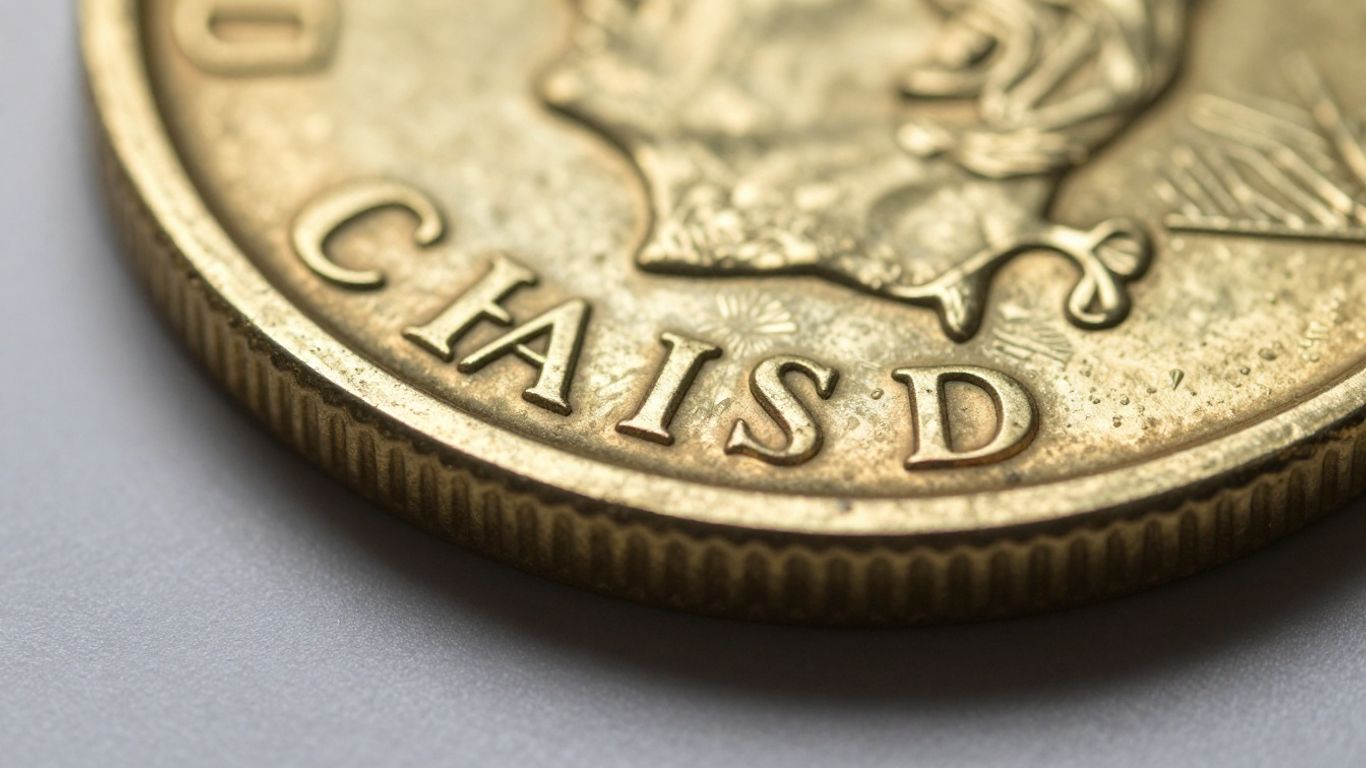
Reading hallmark stamps on modern gold coins
Stamps on the surface of a coin provide immediate visual confirmation of its specifications. While these markings can appear small, they contain the critical data needed for identification. When you Learn to decipher the intricate world of stamps, you will notice that professional mints consistently place these marks where they are least likely to wear down over time.
Interpreting numerical fineness indicators
Numerical fineness is a universal language in the financial world. Whether a coin is stamped .999 or .9999, these digits represent the exact percentage of gold content by weight. Understanding these indicators is essential for anyone evaluating precious metal purity to ensure they are making sound financial decisions based on accurate data.
Regional variations in international marking systems
Different countries have developed their own unique approaches to certifying purity. To help illustrate the discrepancy between various international standards, consider the following documentation summary:
| Region | Standard System | Typical Fineness | Note |
|---|---|---|---|
| North America | Millesimal | .9999 | Common for modern bullion |
| Europe | Hallmarks | .9167 | Historical gold standard |
| Global | Karats | 24K | Often for jewelry |
By comparing these regional markers, collectors can better assess the origin and the intended purity of their international holdings without confusion.
Authentication through certification and mint marks
The importance of official mint guarantees
When a major government-backed mint produces a coin, the institution essentially guarantees the weight and purity. This backing creates a layer of trust that independent private mints must work significantly harder to earn. Relying on these official guarantees is a standard practice for managing risk in long-term precious metal portfolios.
Comparing government-issued versus private-mint markings
Government coins often feature complex mint marks that are difficult to counterfeit, providing an inherent level of security for the holder. Private mints, however, often rely on decorative elements or unique serial numbers on their packaging. Understanding these differences between gold hallmarks and purity stamps is crucial for distinguishing between sovereign-backed tender and private-label issues.
Verifying purity through assay certificates
An assay certificate serves as a technical verification of the metal’s composition performed by an independent laboratory. For high-value purchases, this document acts as a safeguard, providing a professional assessment that exceeds standard surface stamp indicators. If you are struggling with complex market analysis, you might find the AI-researched competitive intelligence methods useful for understanding how different market actors track and verify their assets.
Differences between hallmark and purity stamps
Defining technical purity versus manufacturer credentials
There is a nuanced distinction between a mark that indicates metal concentration and a hallmark that identifies the entity responsible for the piece. A purity stamp provides raw data on the metal’s fineness level, whereas a hallmark acts as a signature, confirming the origin and the legitimacy of the manufacturer. Understanding this core difference prevents confusion when evaluating older or artisan-produced gold items.
Spotting counterfeit markings on commemorative coins
Counterfeiters often focus on mimicking the surface appearance of a coin while neglecting the precision of the actual markings. Examining a coin under magnification can reveal irregularities in the font, depth, or location of a hallmark. Always ensure your purchase process includes a way to vet the manufacturer if you are dealing with commemorative series that have lower official mint oversight.
How regulatory bodies enforce marking accuracy
Governments and trade associations maintain strict guidelines for the accurate labeling of precious metals. Manufacturers must adhere to these standards to avoid legal repercussions, as mislabeling is considered a form of consumer fraud. These regulations exist to keep the public market stable and transparent.
Challenges with vintage and circulated gold coins
Identifying worn or removed markings on historical coins
Over the course of many decades, a circulation-friendly coin may lose its clarity. When the markings become significantly faded or are unintentionally removed, verifying the coin requires more advanced diagnostic tools. You must rely on weighing the object precisely against its original design specifications to confirm identity.
Assessing purity in coins pre-dating modern standardization
Historical coins often follow purity standards that differ wildly from the modern .999 or .9999 benchmarks. For example, older European coins might utilize odd fineness ratios like .916 or even lower for trade convenience. Researching the specific history of your vintage item is the only way to avoid underestimating or overestimating its melt value.
Risks of uncertifiable purity in secondary markets
Secondary markets inherently come with unknowns, especially when dealing with unauthenticated items. To mitigate the risks of purchasing questionable gold, savvy collectors often follow these common strategies:
- Use a high-precision scale to check for expected weight variance.
- Consult historical catalogs to cross-reference common coin dimensions.
- Request documentation or a certificate of authenticity from the seller.
Following these steps helps ensure that you do not overpay for items that lack the necessary historical data or evidence of purity.
Best practices for verifying coin purity
Utilizing digital scales for weight and density testing
One of the most effective non-destructive methods for checking purity is to test for density. Because gold has a very specific atomic structure, it will displace a specific volume of water at a known weight, providing an immediate indication of whether the coin is pure or a base metal fake. Incorporating high-precision digital tools is a core part of effective exterior preparation, though in this case, it applies strictly to the metallic integrity of your investment.
Physical inspection techniques for standard stamps
Beyond technical testing, a discerning eye is your best line of defense. Use a jeweler’s loupe to inspect the edges of the coin for consistent engraving depth. A genuine coin will show crisp, clean lines where the stamp was pressed into the metal, while fakes often have soft or blurred edges where the mold failed to catch fully.
When to seek professional bullion verification services
Sometimes, the cost and complexity of verifying a high-value coin are best left to a professional assay service. If you are dealing with rare coins or items where a minor error in judgment could lead to significant financial loss, it is never worth the risk of doing it yourself. Expert verification provides peace of mind and an ironclad guarantee of your asset’s identity.
Conclusion
Navigating the world of bullion requires a combination of technical knowledge and careful observation. By familiarizing yourself with standard purity marks, understanding the role of official mint certifications, and occasionally utilizing professional verification services, you protect your capital and ensure that your collection remains a reliable store of value over time.
Frequently Asked Questions
What is the most reliable way to check gold purity?
Professional assaying and specialized density testing equipment remain the most reliable methods for verifying gold purity as they provide technical accuracy beyond surface observation.
Do all gold coins require official hallmarks?
While most investment-grade government bullion features identifying marks or symbols, the requirement for a specific assay hallmark varies by country and by the historic age of the coin.
Why does the industry prefer .9999 fineness?
This level of fineness is preferred because it eliminates confusion regarding pure gold content, making the coin highly predictable and widely accepted across international trading platforms.
Can copper in gold coins reduce their value?
Copper is added specifically to increase durability for handling, and while it creates an alloy, it does not necessarily reduce the total gold content, which is typically standard for its type.
How does the karat system relate to fineness?
Karats express parts of gold out of 24, whereas the millesimal fineness system expresses it out of 1,000, allowing for a more precise mathematical representation in modern bullion bars.
If I cannot find a hallmark, is the coin fake?
Not necessarily, as many older coins or specific commemorative items lack modern hallmark standards, though you should verify the coin’s weight and design against an official reference book.
Is higher purity always better for investment?
While higher purity often yields higher melt value, investment choice depends on your strategy, as many 22K coins provide higher durability and recognized liquidity due to their historical backing.