
Key Takeaways
Understanding the materials used in currency provides insight into historical economic priorities and technological constraints throughout the development of the American monetary system. The following points summarize the evolution of US currency composition:
- Early federal coinage relied heavily on precious metals like gold and silver to establish institutional trust.
- Mid-nineteenth century shifts were driven by rising metal costs and the need for more efficient daily circulation.
- Wartime emergencies necessitated significant metal substitutions to support defense efforts during the mid-twentieth century.
- Coin composition evolved into modern clad layers to manage high inflation and the mounting costs of raw materials.
- Contemporary minting prioritizes industrial plating and durable, cost-effective zinc alloys to ensure sustainability.
Early foundations: the era of precious metals (1792–1850)
The establishment of the gold and silver standard
The comprehensive guide to the early United States monetary system underscores that the original Coinage Act of 1792 was built on a bimetallic standard. This mandate tied the dollar directly to the fluctuating market values of gold and silver, enforcing a strict 15:1 ratio that defined the minting process for decades. It was a time when the perceived intrinsic value of a coin was synonymous with its face value, leaving little room for base metal experimentation.
Initial challenges with metal scarcity
Producers of early coinage faced significant difficulty in sourcing high-purity precious metals in the requested quantities. The rarity of available bullion often forced the mint to delay production runs, which impacted daily commerce. Much like a modern custom steel-frame home project requiring specific raw materials regardless of market shortages, the early mint had to balance supply-chain constraints with federal production mandates.
Public preference for intrinsic value
Citizens of the early republic maintained deep distrust for paper money or tokens lacking physical weight. They viewed coins as containers of wealth, preferring the heft of silver or the glow of gold in their pockets. This psychological reliance on physical substance made any departure from traditional minting standards a sensitive political topic among the populace.
Legislative triggers for composition changes
Legislators frequently reviewed mineral laws to stabilize the currency supply against inflationary pressures or metal hoarding. These adjustments were essential, as the composition evolution timeline coins exhibit suggests that laws had to adapt as quickly as merchant demands evolved. Establishing these standards required the careful navigation of international trade values and domestic economic health.
The mid-nineteenth century shift: removing silver from minor coins (1850–1865)
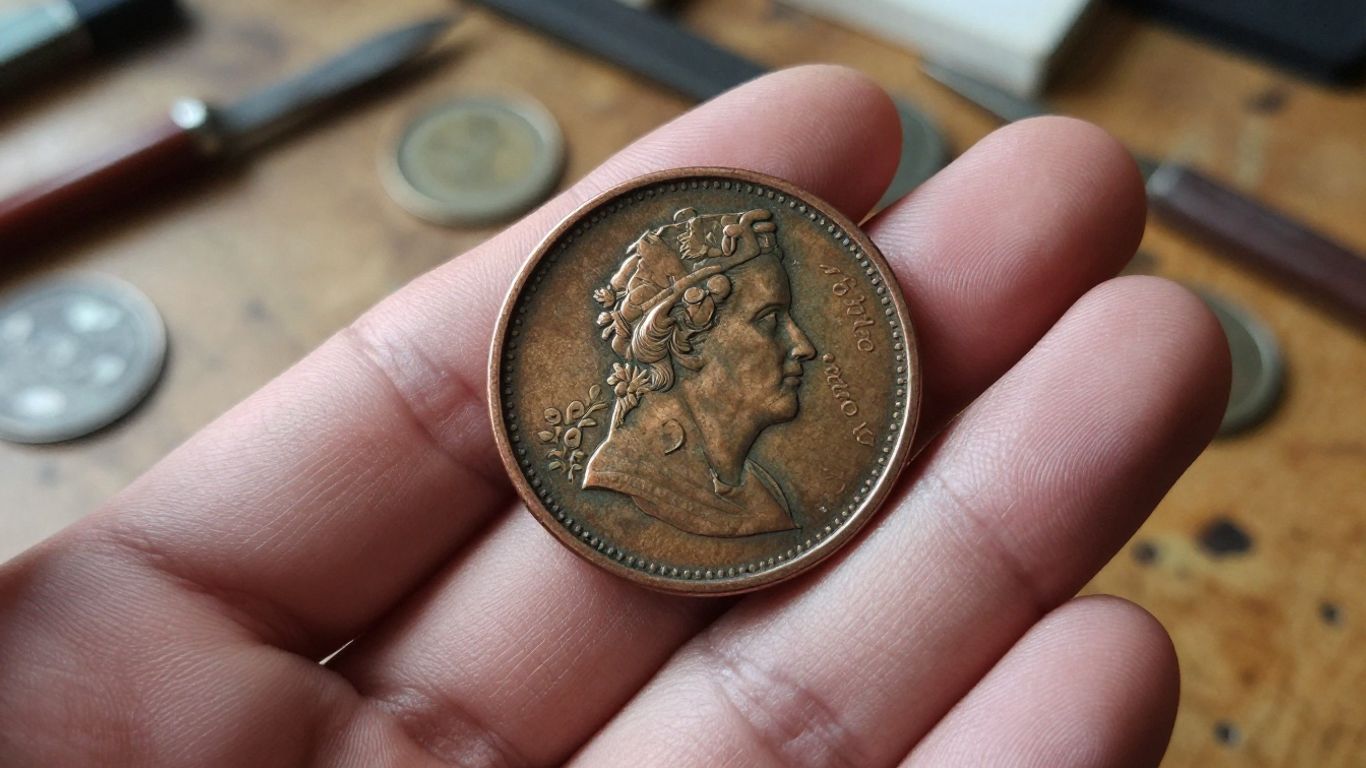
As the expanding nation grew, the demand for small change outpaced the supply of precious metal bullion available to the treasury. Collectors and historians often reference American coinage history to explain how silver became too expensive to remain the primary component for common, low-denomination pieces. Consequently, the mint began experimenting with alternative metals to satisfy the needs of the mid-nineteenth century marketplace.
The introduction of the nickel cent
The transition to nickel marked a permanent move away from the heavy, unwieldy coins of the colonial era. It proved that durability and lower costs could sustain circulation without sacrificing public trust. While experts compare such industrial changes to selecting a renovlies specialist for building longevity, early coin masters found that nickel provided the required structural integrity for coins destined to handle decades of heavy public use.
Transitioning away from large copper cents
The massive, oversized copper cents of the late 18th century became impractical for rapid urban trade. By shifting towards smaller, lighter compositions, the government streamlined currency logistics and reduced the physical burden of commerce. This adjustment allowed traders to transport larger sums of capital more effectively, mirroring how luxury printed packaging adds significant value to products by improving both durability and user utility.
Impact of the Civil War on metal supply
The widespread disruption of trade networks during the Civil War curtailed the easy access to copper, forcing the treasury to find domestic substitutes. This scarcity effectively accelerated the adoption of bronze and other nickel alloys. Leaders had to innovate under extreme duress, managing physical coinage assets as though they were balancing a mortgage budget during uncertain economic times.
Economic factors influencing composition adjustments
Economic flux necessitated the removal of precious silver from smaller denominations to prevent them from being melted down for their metallic content. The Treasury needed to keep the intrinsic cost of the coin far below its face value to protect the currency supply. By adjusting the metals used, they ensured that the circulating money stayed in people’s pockets rather than being stripped for profit.
The industrialization of coinage: bronze and nickel alloys (1865–1930)
Standardizing bronze for small denominations
Standardization became the hallmark of the late nineteenth-century mint, ensuring that all cents were consistent in weight and metallic purity. This reliability allowed businesses to automate counting processes, which reduced loss. The shift to bronze provided a reliable, long-lasting surface that resisted corrosion much better than pure copper alone.
Widespread adoption of copper-nickel compositions
Copper-nickel alloys offered superior hardness, allowing for intricate designs that wouldn’t wear down quickly. As shown in this table, different metals offered distinct advantages for the mint during the period of rapid industrialization:
| Metal Component | Durability Rank | Primary Use |
|---|---|---|
| Bronze | High | Small Change |
| Copper-Nickel | Very High | Mid-Denominations |
| Silver-Copper | Moderate | High-Value Coins |
These material shifts allowed the U.S. Mint to produce larger volumes for an urbanizing nation while maintaining strict manufacturing standards.
The role of wartime metal shortages in the early 20th century
International conflicts occasionally pressured the supply chain for copper and nickel. The mint had to iterate quickly, finding new alloy ratios that kept coins in circulation despite the unavailability of preferred materials. Each challenge refined the production process, making the final products more resilient.
Technological advancements in coin minting processes
Mechanical advances allowed mints to strike coins faster and with higher precision than ever before. Processes that were once handled by hand became automated, ensuring consistent pressure and crisp relief on every coin minted. This era defined the jump toward the massive manufacturing scale seen in the modern global economy.
Wartime emergencies: temporary alloy substitutions (1940–1945)
1943 steel pennies and zinc coatings
During extreme supply chain crunches, the mint produced pennies out of steel coated in zinc. These coins stood out dramatically against the traditional brownish-red copper hues, causing confusion in the public. While necessary, they were essentially a temporary fix designed to keep copper available solely for high-priority munitions production.
Silver content adjustments for the wartime nickel
The wartime five-cent piece required a special alloy to compensate for the extreme shortage of nickel, which was crucial for armor plate production. A blend of silver, copper, and manganese was used, resulting in a distinct look and metallic profile. These coins remain highly collected due to their unique material history.
Logistical challenges of manufacturing substitute coins
The logistical burden of retooling existing machinery to accommodate steel and zinc alloys was immense. It was akin to needing an exterior power washing to prepare a surface for paint; the machines had to be perfectly cleaned and recalibrated to prevent contamination among different batches. This process required significant labor hours and constant supervision to maintain quality.
Public perception and durability issues of substitute metals
The American public occasionally questioned the validity of these substitute materials when they began to weather poorly. Steel cents, in particular, would rust after prolonged exposure to the elements and friction. The durability issues highlighted the importance of using proven, noble alloys for long-term currency circulation.
The silver exodus: transitioning toward clad coinage (1960–1970)
The Coinage Act of 1965 explained
The Coinage Act of 1965 remains the most critical turning point in modern currency history. It acknowledged that the market value of silver had finally outpaced the face value of the coins. By abandoning the silver standard for dimes and quarters, the government prevented a mass disappearance of circulating change.
Removing silver from the dime and quarter
The resulting switch to a copper-nickel composite was revolutionary, shifting the physical reality of money forever. These new alloys were incredibly stable, lasting far longer than the soft silver coins of the past. It effectively divorced the coin from high-value commodity markets, serving the economy more reliably.
Introduction of the copper-nickel clad sandwich
The structure of the new coins consisted of a pure copper center between two layers of copper-nickel. This was done to replicate the weight and electrical properties of the previous silver coins while lowering production costs. Through this layered engineering, the mint proved it could maintain functional continuity without relying on precious minerals.
The impact of inflation on intrinsic metal value
Inflation often threatens the stability of currency when the cost to manufacture a coin approaches its denomination. The transition to clad materials provided a buffer against these rises. Managing these physical assets is a task that compares to long-term financial planning, ensuring future value against the unpredictable nature of global commodity prices.
Modern innovations and composition sustainability (1970–today)
Transitioning the penny from bronze to zinc
In the final years of the twentieth century, the price of copper made it too expensive to continue striking solid bronze cents. The switch to a zinc core plated with a microscopic layer of copper provided a cost-effective solution. The following elements represent the stages of this transition:
- Initial testing phase for material longevity.
- Legislative approval for new composition ratios.
- Large-scale rollout of high-speed coin production.
- Ongoing evaluation of wear patterns in circulation.
The rise of plated metals for cost-efficiency
Plating allows for the use of inexpensive cores while keeping the exterior appearance consistent with legacy standards. This method drastically reduces energy and raw material requirements. It shows that efficiency is now a primary driver in currency design, favoring sustainable production over purely aesthetic choices.
Evaluating the cost of production versus face value
Constant analysis of manufacturing costs reveals how tight the margin is for modern small-denomination coins. If the energy and material inputs rise above the cent’s purchase power, the government must reconsider its continued usage. These evaluations happen periodically to ensure that current coinage reflects a sensible financial strategy for the nation.
Future prospects for eco-friendly or alternative materials
Research into bio-resins and recyclable composites keeps the future of coinage open to further innovation. While traditional metals remain the gold standard, the push for lighter, greener materials may eventually change what we hold in our hands. The history of coin materials reminds us that coinage has always been a reflection of the current technological horizon.
Conclusion
The evolution of American coin composition mirrors the broader story of the United States’ industrial growth and economic maturity. By tracing the shift from raw precious metals to modern, engineered alloys, we gain a deeper appreciation for how the government ensures currency remains functional, affordable, and durable. Though the metals in our pockets may change, their purpose as the bedrock of everyday commerce remains constant.
Frequently Asked Questions
Why did the United States shift away from pure silver coins?
Rising commodity prices meant the value of the raw silver inside a coin eventually exceeded its face value, leading to the hoarding or melting of money.
What are clad coins?
Clad coins are currency pieces made of different layers of metal, typically featuring a inner core of pure copper covered by sandwiching layers of copper-nickel.
Did the Civil War affect how coins were made?
Yes, the war created massive shortages of standard coinage metals, forcing the mint to adopt alternative alloys and move toward base metals for lower denominations.
Are modern pennies solid copper?
No, modern pennies are produced as a zinc core covered with a very thin layer of copper plating for durability and appearance.
What makes a coin durable in circulation?
Durability is determined by the hardness of the metal alloy used and its resistance to corrosion through daily handling and environmental exposure.
How does the government decide when to change a coin's composition?
The government decides by analyzing the production cost relative to face value, ensuring it remains sustainable to mint billions of coins annually without loss.
Will coins eventually become entirely digital?
While digital currency usage is growing, physical coins continue to serve as a vital, non-digital method of trade for the public, and no immediate phase-out of manufactured currency is currently planned.