
Key Takeaways
Understanding the metallic composition of currency provides essential context for both historians and modern collectors. These factors represent the core of understanding silver content by era coins:
- Early American coins utilized extremely high silver fineness to establish trust in a young monetary system.
- The mid-19th century solidified a 90 percent silver standard across most U.S. circulating denominations.
- Mid-20th-century economic pressures led to the removal of silver from circulating coinage by the mid-1960s.
- Modern bullion coins prioritize extreme purity typically reaching .999 fineness for investment purposes.
- Distinguishing between historical face value and contemporary melt value is crucial for accurate numismatic assessment.
Foundations of silver content in coinage
The history of money is fundamentally tied to the intrinsic value of precious metals used in production. Civilizations relied on specific ratios of silver and base metals to maintain a reliable medium of exchange, an approach that required government oversight to prevent debasement. Understanding these historical roots helps clarify how silver content has been managed over the long term, moving from raw metal weights to highly specific coinage standards.
The evolution of currency purity
Currency purity has evolved from simple raw metal bars to strictly regulated government issues. In early economies, the weight and purity were often verified by local merchants on a case-by-case basis as public trust in centralized mints fluctuated. As trade expanded, the need for standardization became primary, leading to the creation of formal minting procedures that balanced durability with the soft nature of pure silver.
Defining fine silver versus sterling silver
Silver is naturally a very soft metal, making it impractical for daily circulation if used in its purest form. Minting authorities traditionally utilized sterling silver, which consists of 92.5 percent silver and 7.5 percent base metals like copper, to provide the necessary hardness. Distinguishing these grades is vital, as the value of 90 percent silver differs noticeably from the 92.5 percent standard common in household silverware and international coinage.
Historical significance of coin debasement
Debasement is the practice of lowering the precious metal content within coins, often to bolster state coffers during periods of intense economic strain. While this process rarely yielded long-term success, its frequency across centuries underscores why modern investors prefer standardized bullion products over vintage, potentially debased, coinage.
Early American coinage and the era of high silver purity
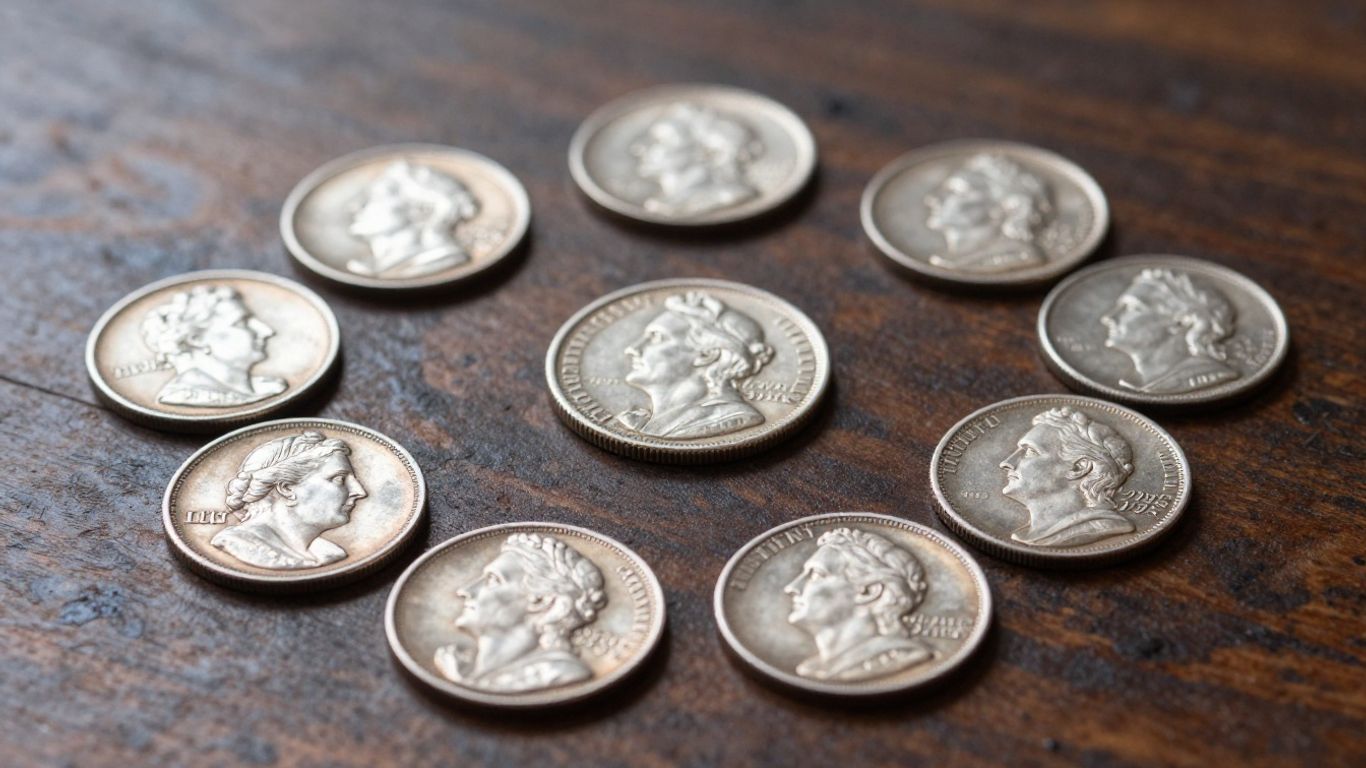
Early American currency was crafted with a focus on establishing the credibility of the new nation. The initial efforts of the United States Mint were characterized by high silver content, intended to command respect on the global stage. Investors often reach out to a dealer like Guidance Corporation to acquire these historical pieces, as they represent the foundation of the American monetary record.
The Flowing Hair and Draped Bust era
These initial series are highly prized by numismatists for their artistic detail and heavy silver composition. The mint utilized nearly pure metal to ensure that these coins were immediately accepted as equal in value to the Spanish milled dollars that commonly circulated in the colonies at the time.
Legislative standards for early U.S. silver coins
The federal government passed specific legislation to mandate the weight and fineness of early silver, ensuring that every quarter or dollar shared a predictable consistent precious metal content. This regulatory framework allowed early merchants to trust that official specie would not fluctuate wildly in its secondary market utility.
Identifying hallmark signs of early silver purity
Detecting genuine vintage silver requires examining specific physical characteristics that were not easily replicated by counterfeits of the era. Expert assessment of edge reeds, toning patterns, and specific gravity tests confirms that the silver purity aligns with the established legislative mandates of the late 1700s.
The standard of 90 percent silver in 19th-century coins
The implementation of the 90 percent silver standard became the defining characteristic of American money for over a century. This balance between utility and value ensured that coinage could survive daily circulation without rapid wear. For those interested in identifying silver coins that fit this standard, the historical reliability of these issues remains unmatched.
The Seated Liberty and Barber designs
These series replaced earlier designs and maintained the rigid 90 percent composition that the public had come to expect. While the designs grew more complex to discourage counterfeiting, the fundamental metallic composition of these coins remained steady, providing a bedrock for the mid-19th-century economy.
Comparing silver weights across denominations
Government mandates ensured that denominations shared a direct mathematical relationship regarding their silver content. This elegant system meant that calculating the potential melt price of a dollar’s worth of mixed change became highly efficient, as shown in the table below.
| Denomination | Intrinsic Silver Content | Metal Ratio |
|---|---|---|
| Dime | 0.0723 troy oz | 90% Silver |
| Quarter | 0.1808 troy oz | 90% Silver |
| Half Dollar | 0.3617 troy oz | 90% Silver |
By ensuring these ratios remained fixed across different sizes, the government simplified trade. This historical pricing mechanism allowed users to calculate total value instantly, proving that standardized production is a critical component of successful macro-economic stability.
Why 90 percent became the U.S. manufacturing standard
The selection of 90 percent silver over higher purity was primarily driven by the need for a coin that would not wear down too quickly. This standard hit the sweet spot where coins were durable enough for heavy daily use while still containing sufficient precious metal to satisfy investors and foreign trade partners.
The mid-20th-century transition toward copper-nickel alloys
The departure from precious metal coinage was a gradual process prompted by the rising costs of raw inputs. By the 1960s, the economic reality of maintaining silver content in circulating pocket change became unsustainable for the federal government.
The impact of world wars on precious metal supplies
Global conflicts placed tremendous pressure on silver stocks, as the metal was increasingly diverted for industrial and military needs. These shortages created a landscape where the government had to rethink the composition of common coins to prevent their rapid removal from circulation by citizens seeking to hoard the higher-value metal.
The 1964 turning point for circulating coinage
1964 serves as the final year that standard dimes, quarters, and dollars were struck with 90 percent silver. After this year, the composition shifted toward copper-nickel, a change that significantly impacted the collecting community. This transition marked a final break from the centuries-old tradition of intrinsic value in the American wallet.
Identifying transition years with mixed production minting
Collectors often seek out specific years during the transition, as production errors or overlapping minting schedules can create unique items. When evaluating these transition currencies, several factors emerge as critical:
- Verification of the mint mark location is required.
- Comparison of the edge coloration helps confirm alloy content.
- Weighing the coin accurately reveals if old silver blanks were used during the early months.
- Analysis of the 1965-1970 40 percent silver halves remains a key focus area.
Once identified, these transition pieces offer collectors a window into a time when internal policies and external commodity prices clashed, leading to the ultimate obsolescence of silver in circulation.
Modern collectible coins versus investment silver
Today, the use of silver in government-issued currency is essentially limited to bullion and numismatic collectibles. While modern circulating coins are strictly base-metal, the investment market for pure silver has reached its highest level of maturity.
The rise of .999 fine silver bullion coins
Investors currently focus on products that offer guaranteed weight and near-perfect purity. By ignoring the traditional alloy standards of the past, the industry now produces coins that are intended strictly for wealth preservation, rather than daily transaction use.
Distinguishing between numismatic value and silver melt value
Understanding the difference between these two metrics is essential for preventing overpayment. While melt value is calculated based on the raw spot price, numismatic value incorporates rarity and condition, creating a unique two-tiered system of pricing.
Testing silver purity for modern authentication
Modern authentication involves electronic scales, ping tests, and specific gravity analysis to ensure a coin meets its advertised purity. Users often use tools like an ounce of junk silver guide to verify that their holdings align with standard market expectations for weight and silver content.
Global perspectives on silver content by era
Different nations adapted their silver standards at distinct speeds depending on their industrial trajectory and colonial interests. While the United States leaned into the 90 percent standard for most of its history, other powers often experimented with varied fineness levels to maintain control over their domestic precious metal reserves.
British sovereignty and the changing silver standard
The shift in British coinage from pure silver towards lower alloy content reflects a common global trend following the economic exhaustion of the two world wars. This evolution in standard fineness demonstrates how global inflationary pressure eventually forced all major economies to abandon their traditional metallic anchors.
Comparing international coin standards during the 20th century
Regional differences in production resulted in a diverse group of silver coins available to modern investors. Some international mints retained high silver content longer than others, influenced heavily by their local mining capacity and proximity to primary metal markets. This variance provides a rich, albeit complex, landscape for those who wish to collect beyond the borders of North America.
Market differences in silver purity across global mints
Global mints continue to prioritize different goals, ranging from large-scale manufacturing of circulating currency to the limited production of high-end collector sets. When sourcing these, it is wise to consult internal resources, such as a privacy policy review for digital transactions or general research on global coin standards, to ensure each piece fits the desired portfolio strategy.
Conclusion
Reflecting on the evolution of silver content in coinage reveals a consistent historical trend: as economies grow more complex, they inevitably transition away from using precious metals in everyday wallet change, shifting instead toward standardized, high-purity investment bullion. By understanding these shifting standards across different eras, collectors and investors can better distinguish between simple spendable currency and valuable historical artifacts that maintain their worth far beyond a face-value figure.
Frequently Asked Questions
Why do modern coins no longer contain silver?
Modern coins do not contain silver because the intrinsic value of the metal significantly exceeded the face value of the coins once silver prices rose in the mid-20th century, making circulation commercially unsustainable.
How can I calculate the value of pre-1964 silver coins?
To calculate the value, you multiply the current spot price of silver by the total weight of the fine silver content contained within the coins, which is typically a standard percentage based on their face value.
What is considered junk silver?
Junk silver refers to any circulating pre-1965 U.S. coins that contain 90 percent silver, which are collected specifically for their metallic content rather than for their numismatic rarity.
Can I find silver in coins from 1965 to 1970?
You can find 40 percent silver in U.S. half dollars minted during these specific years, after which all silver was removed from the mainstream circulating issue.
What standard is used for modern investment silver coins?
Modern investment silver coins are almost universally struck at a .999 or .9999 fineness, providing investors with nearly pure metal for long-term storage.
Is sterling silver used for U.S. coins?
Sterling silver, which is 92.5 percent pure, was historically common in some international coinage and household items, but U.S. legal tender primarily transitioned to a 90 percent silver standard for most of its nineteenth and early twentieth-century history.
Does wear and tear affect the value of silver coins?
Significant wear and tear reduces the weight of the coin, which naturally lowers its melt value, though coins with high collector demand may still retain a premium value regardless of their metallic losses.