
Key Takeaways
Understanding the components of currency adds depth to numismatic collecting and historical research. These five points highlight the core elements covered in this guide.
- The obverse side generally features the primary portrait or national symbol of an issuing country.
- Professional numismatists avoid the term "heads" in favor of technical labels like obverse.
- Historically, obverse designs evolved from simple, symbolic profile images to elaborate, modern portraits.
- Precise identification of a coin requires distinguishing between the face, field, and edge.
- Rare variations on the coin face offer collectors significant opportunities for identification and value assessment.
The official name for the heads side of a coin
Identifying specific parts of currency is a foundational skill for any serious collector. While the average person uses informal language, professionals operate with a precise vocabulary that minimizes ambiguity in trade and research.
The numismatic term "obverse" defined
The obverse is the formal designation for the primary or frontal side of a coin, often discussed in the context of obverse and reverse distinctions in various artistic and historical disciplines. It serves as the visual anchor of the coin, almost exclusively featuring the most prominent graphic element.
Origins of the word and its Latin roots
The word originates from the Latin term obversus, meaning turned toward or facing. This linguistic heritage emphasizes that the obverse is meant to be the side presented to the viewer first, setting the tone for the rest of the piece.
Common naming conventions in global currency
Most nations agree that the obverse should house the most authoritative imagery. This is often the side that establishes the legitimacy of the object through national symbols or leaders, which is quite distinct from simple MPN meaning on eBay style identifiers used for manufactured parts. Standardized practices ensure that documentation remains consistent across international borders.
Why it is rarely called "heads" in professional settings
Using formal terms reduces the risk of misinterpretation, particularly when dealing with non-human subjects like landmarks or abstract motifs. While casual observers rely on the "heads or tails" dichotomy, academics and dealers prefer the more accurate technical nomenclature to maintain precision during complex appraisal sessions.
Evolution and history of coin obverse designs
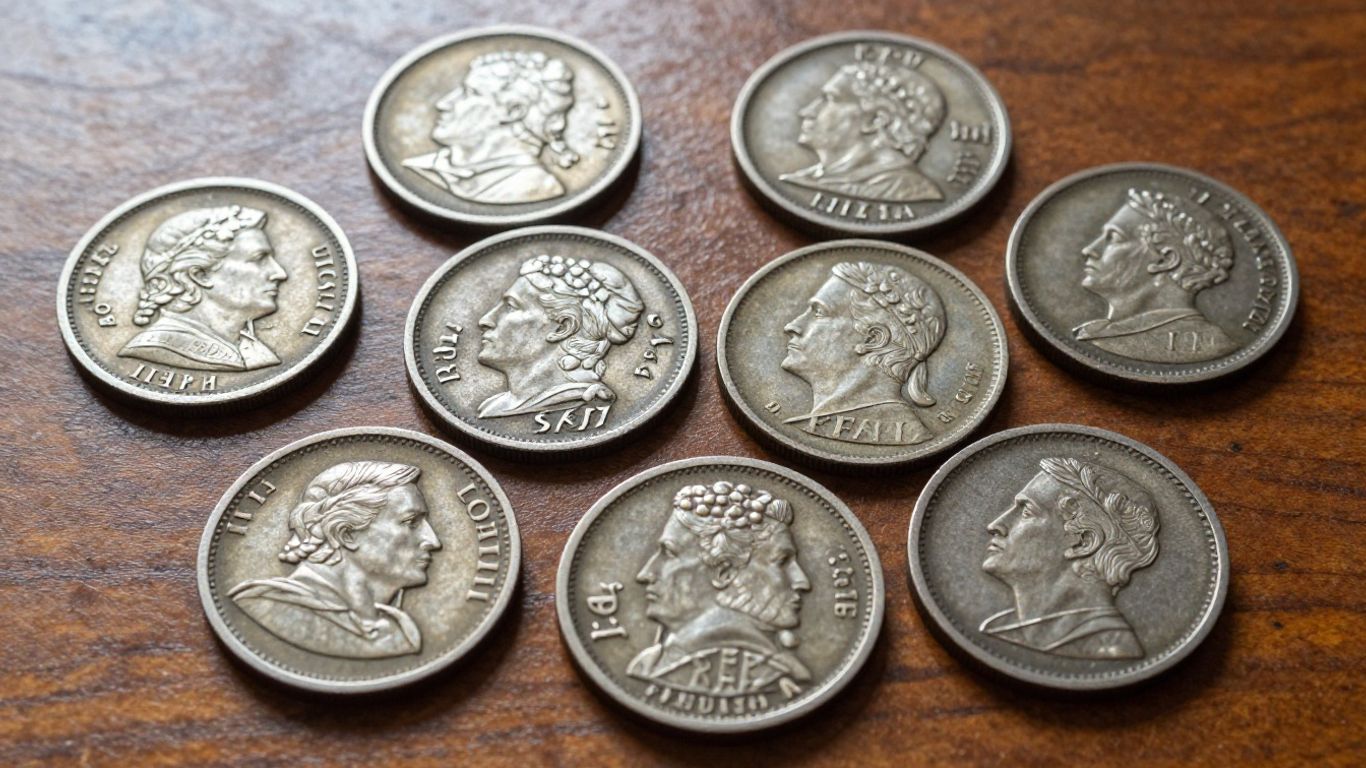
The trajectory of design from ancient times to the present reflects changing societal values and technological capabilities. Coins were often the earliest mass-distributed media, effectively functioning as symbols of power for monarchs and governments across millennia.
Ancient Greece and the debut of portraits
Early Greek craftsmen were among the first to move beyond simple animals or geometric shapes. The introduction of portraits allowed rulers to disseminate their likeness across wide regions, ensuring local populations remained aware of their central authority.
Shift from symbolic figures to historical leaders
As civilizations grew more complex, the imagery transitioned from local deities to specific emperors. This shift helped establish a sense of continuity, ensuring that every citizen recognized the individual holding power in their distant capital.
Standardizing design elements in modern minting
Modern minting processes emphasize consistency, often following strict rules regarding portrait orientation and inscription placement. This standardization allows for easier authentication and cataloging, as collectors can anticipate where particular dates and mottos appear relative to the central bust.
The impact of industrial production on face detail
The advent of steam-powered minting allowed for higher relief and finer texture than ever before. This technical improvement enabled designers to incorporate more intricate hair, facial expressions, and background detailing, fundamentally changing how high-value coins looked to the public.
Differences between obverse and reverse sides
Distinguishing between the two sides can sometimes be tricky for beginners, especially when designs use modern aesthetic standards. Most professional guides emphasize looking at the primary image to establish which side carries the most authority.
Identifying the primary subject matter of the obverse
The primary subject of the obverse usually centers on the head of state or essential national emblem while the reverse serves the functional purpose of displaying the coin’s denomination and subsidiary artwork. This breakdown is helpful for anyone studying the anatomy of a coin for the first time.
How date placement determines the main side
The year is almost always found on the obverse alongside the portrait. However, there are exceptions in historical coinage where manufacturers placed the issue year on the reverse to save space or artistic balance.
Symmetry versus asymmetry in coin anatomy
Designers often struggle with the balance of the relief relative to its surrounding field. Consider the following structural classifications regarding design layout:
| Classification | Typical Feature | Design Goal |
|---|---|---|
| Symmetrical | Centered portrait | Absolute balance |
| Asymmetrical | Offset bust | Dynamic movement |
| Peripheral | Legend-heavy | Textual focus |
These design patterns allow collectors to categorize coins based on their visual composition rather than just their date or mint mark.
Legal requirements for what must appear on the obverse
Most governments mandate that the issuing authority and year appear clearly on the coin’s surface. These requirements prevent the production of unofficial tokens and help maintain the legal status of the physical object as genuine currency.
Collecting and identifying rare coin faces
Identifying rarity requires a keen eye and a solid understanding of how manufacturing variations create unique pieces. Collectors spend considerable time reviewing the obverse since that is where the most valuable errors often manifest during the striking process.
Recognizing mint marks on the obverse
Mint marks are small characters indicating where the coin was produced and are occasionally hidden in the margins of the obverse relief. These tiny stamps are often subject to wear, making early detection vital for establishing an item’s provenance.
Grading the visual quality of portraits
Grading depends on the visibility of the highest points of the design, such as the crown, hair, or brow line. A pristine portrait indicates that the coin has seen little circulation, significantly increasing its value among enthusiasts who maintain their focus through cognitive enhancement tools for mental clarity.
Common errors and variations in face stamping
Errors such as doubled-dies, incomplete strikes, or off-center portraits provide immense value to collectors. These variations turn a standard issue piece into an outlier that provides a fascinating window into the realities of high-speed industrial minting.
Using magnification tools for detailed inspection
Collectors frequently utilize high-powered loops to check for fine-line details or microscopic flaws. This physical inspection, much like a person checking for skin barrier health or trying to master manual follow-up in a small business context, requires patience, focus, and the right equipment to ensure success.
Artistic elements found on the heads side
Artistic integrity is a major concern when governments design new coins. They want to convey authority while simultaneously capturing the aesthetic sensibilities of the current era through relief depth and border style.
The symbolism of profile portraits
Profile images were traditionally chosen because they provided the most recognizable outline for citizens who might not have seen their ruler in person. This style persists in modern coinage as a nod to tradition and artistic restraint.
Incorporating national mottos and inscriptions
Textual elements are carefully placed to avoid overcrowding the main design. These mottos provide a clear national statement, adding a layer of legislative significance to the metalwork.
Sculpting techniques for high-relief designs
High-relief coins offer a dramatic tactile experience, though they wear down much faster than flat, modern portraits. Sculptors must calculate the exact depth that remains readable even after years of pocket wear.
The role of border designs and rim detailing
Border patterns serve as a frame, containing the central portrait within the limited circular field. These decorations prevent the edge from chipping and provide a pleasing visual transition from the smooth field to the raised protecting rim.
International terminology variations for coin sides
While the concept of heads and tails is widespread, different cultures and languages have evolved their own unique labels for the two surfaces of currency.
Differences in European and Asian currency designations
Many European countries use terms rooted in Latin that reflect the historical dominance of Roman coinage. In contrast, several Asian traditions focus on descriptive terminology that defines the face based on the specific animal or object depicted rather than a human portrait.
Cultural influences on coin nomenclature
Cultural history significantly shapes how individuals describe money. A nation with a strong monarchical history will naturally use titles for the observer’s side, whereas nations prioritizing democracy often use titles related to people, nature, or democratic symbols.
Translation challenges in global numismatics
Communication between global collectors is often complicated by these linguistic quirks. Understanding that "obverse" refers to the primary side regardless of local name choice remains the best method for avoiding confusion when trading across borders.
Conclusion
Mastering the technical details of surface identification, including the difference between the face and the background, serves as a gateway into the broader world of numismatics. By moving beyond common nicknames and embracing the formal terminology used by experts, collectors can better appreciate the history, artistry, and manufacturing precision present in every coin they hold.
Frequently Asked Questions
Why do some coins have the portrait on the reverse?
While the obverse is usually reserved for the head of state, countries sometimes choose to rotate iconography for special commemorative issues or to align with specific regional numbering systems.
Is the edge considered a third side of the coin?
Yes, the edge is often identified as the third side, particularly on coins with reeded patterns or lettered inscriptions that serve as both decorative elements and anti-counterfeiting measures.
How does worn imagery affect the coin’s value?
Wear significantly impacts the grade of a coin, as details like hair, facial features, and fine inscriptions are the first to fade when a coin remains in active circulation for an extended period.
Can a coin have two front sides?
Technically no, because the definition of an obverse requires the presence of the primary design element and the year, while the reverse must usually display the denomination, preventing a true two-face symmetry.
Does the year of issue always have to be on the obverse?
It is the industry standard to place the year on the obverse, but it is not a universal law; designers may occasionally place it on the reverse if the artistic composition requires more space on the front.
What are denticles on a coin?
Denticles are the small, tooth-like projections often found along the rim of older coins, which were designed to protect the central relief and assist in the milling process during production.
Why is the field often smooth?
The field is left flat to ensure the focus remains entirely on the central device, providing a clean contrast that makes the three-dimensional portrait appear more prominent and easier to identify.