
Key Takeaways
Understanding the way coinage is produced involves identifying clear orientation and alignment standards. Here are the core concepts to remember:
- Coin alignment features opposite designs when flipped vertically.
- Medal alignment keeps both sides upright during a flip.
- Automated production standards depend on historical minting traditions.
- Rotated dies are recognizable minting errors for serious numismatists.
- Stabilization tools are essential for accurate alignment inspection.
Understanding the basics of coin alignment
Definition of coin orientation
Coin orientation refers to the specific relationship between the vertical axes of the obverse and reverse sides of a coin. When a mint strikes a coin, it determines how the two dies are rotationally positioned relative to each other during the striking process. This technical choice ensures that the resulting image remains consistent across an entire mintage, allowing for uniform production standards that collectors recognize today.
The history behind alignment standards
Historical minting practices often varied based on regional traditions and the needs for trade. Different empires established their own conventions, which evolved over centuries as coinage manufacturing transitioned from manual hammering to modern mechanical processes. Understanding coin orientation helps trace these developments, as early mints adopted unique styles to signify sovereign power or local economic regulations.
Differences between obverse and reverse positioning
Positioning at the mint often emphasizes the obverse as the primary side of the coin. While the reverse often complements the obverse, their relative alignment is set at the factory level. Collectors studying these alignment orientation types coins must consider how the dies were fixed to ensure the orientation remains constant during the mass production of circulating currency.
Main types of coin orientation
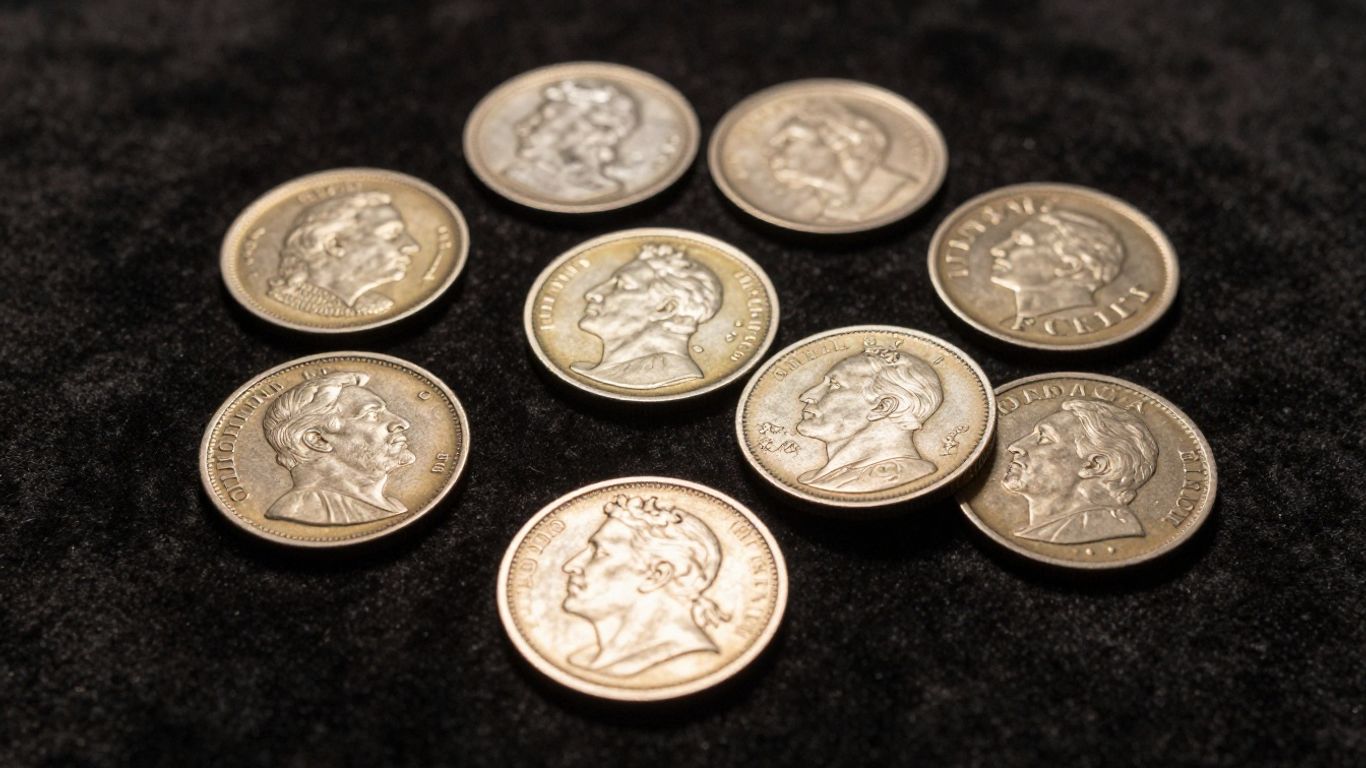
Coin alignment definition
Coin alignment is a standard where the reverse side of a coin appears inverted, or upside down, relative to the obverse when the coin is rotated along a vertical axis. This method is common in various global markets and is often compared to how U.S. coins flip during standard handling. By maintaining this consistent rotation, consistency is achieved for the end-user.
Medal alignment definition
Medal alignment dictates that both the obverse and reverse share the same upright orientation when examined. Named for its application to traditional military medals, this style ensures a steady view during display. Many sovereign mints across Europe utilize this format, ensuring that the imagery remains legible without requiring a rotation of the wrist when moving from one side to the other.
Variations in world coinage production
Different mints have historically selected alignment standards based on regional logistics and functional requirements. For instance, the use of British gold sovereigns demonstrates clear medallic alignment, contrasting with other styles. The following table summarizes how these conventions differentiate across common minting entities.
| Region | Primary Convention | Orientation Result |
|---|---|---|
| United States | Coin Alignment | 180-Degree Inversion |
| United Kingdom | Medal Alignment | 0-Degree Upright |
| European Union | Medal Alignment | 0-Degree Upright |
These variations indicate that alignment is rarely an arbitrary choice. Instead, it reflects the deliberate intent of the mint to facilitate ease of use or adhere to long-standing political traditions within the national economy.
How to check your coin alignment
Using a coin holder for stabilization
Properly assessing a coin requires a steady hand and a clear workspace. Using a specialized coin holder from experts like LEDSone UK Ltd, which provides durable components for meticulous work, can help stabilize the coin during inspection. By securing the piece, you can ensure that environmental shaking does not interrupt your examination of the die axis.
Identifying the axis of rotation
Identifying the vertical axis is simple if you hold the coin between your thumb and index finger at both the top and bottom. Once steady, perform a gentle turn along that vertical line to observe the reverse. If the design holds its orientation, you are likely looking at medal alignment, which represents a standardized production outcome for collectors across multiple international mints.
Measuring degrees of deviation
To verify alignment, collectors utilize a straightforward list of steps to determine if a piece deviates from the norm:
- Position the obverse so it faces fully upright.
- Hold the edges firmly at 12 o’clock and 6 o’clock.
- Spin the coin carefully along the vertical center.
- Observe the reverse for any measurable rotational shift.
- Compare the visual result against official mint specifications.
Following these steps ensures that you are accurately recording the die placement of your coin assets. If deviation is found, it may point to a unique error that changes the nature of the coin’s historical record.
Error coins and rotated alignment
Dies becoming loose during striking
During high-speed minting, mechanical stress can sometimes cause a die to rotate slightly from its locked position. This rare event results in a coin where the reverse is aligned at an unintended angle to the obverse. You can see how this works in this overview video.
Quantifying the significance of rotation errors
Not every instance of subtle movement constitutes a high-value rarity; however, significant errors are well documented by groups like CoinWeek. Collectors look for dramatic shifts that clearly break from the intended alignment. Accurate quantification of these rotations allows enthusiasts to categorize them for better archival and understanding of the minting process.
Market impact of rotated die errors
Financial considerations for error coins are substantial, similar to how one might analyze mortgage repayments to plan for future wealth growth. Collectors assign value based on the degree of rotation and the scarcity of the error in the specific series. Rare, extreme rotations often command high prices at specialized auctions.
Comparison of common world standards
United States minting conventions
United States coinage traditionally utilizes coin alignment for all major denominations. This consistent standard serves the public by ensuring that every coin, from the cent to the dollar, behaves identically during daily transactions. The U.S. Mint maintains this as a rigid internal protocol for production lines.
British and commonwealth alignment styles
Commonwealth countries often favor medal alignment, consistent with the traditions established by the Royal Mint. This style is deeply ingrained in the regional numismatic culture, reflecting a continuity of design that separates it from North American standards. Collectors often find that this distinction provides a vital clue when identifying the geographic origin of a foreign coin.
Historical shifts in circulation standards
Some nations have transitioned from one standard to another throughout the 20th century to harmonize with international trade. These shifts are infrequent and typically align with broader economic reforms. Understanding these historical nuances helps collectors navigate the shifting landscape of global coinage effectively.
Conclusion
Properly identifying and evaluating coin alignment provides a deeper appreciation for the complex industrial history behind the money in our pockets. Whether you are dealing with standard orientation or rare rotational errors that catch the eye of specialists, the methods for testing and verifying these traits remain consistent and useful tools for any discerning collector.
Frequently Asked Questions
Is medal alignment the same as coin alignment?
No, they are different standards where medal alignment keeps both faces upright while coin alignment inverts the reverse.
Can you change the alignment of a coin?
Coins are struck under massive pressure at mints, so the alignment is permanent and cannot be modified after the striking process.
Does alignment affect the physical value?
Standard alignment is expected and does not increase value, but large, clear rotational errors can significantly increase a coin’s rarity.
What is a die rotation error?
This is a minting defect where one of the dies used to strike the coin shifts, causing a non-standard rotation of the design.
Do all countries use coin alignment?
No, alignment standards vary widely by country, with many choosing medal alignment while others adopt coin alignment.
How can I reliably test my coin?
Hold the top and bottom of the coin and flip it vertically; if the back is upside down, it follows standard U.S. coin alignment.
Where can I find more technical information about minting?
Reference the official documentation of your national mint or consult reputable numismatic journals for in-depth data on production methods.