
Key Takeaways
Creating precise central raised elements requires a deep understanding of metal flow and die pressure, ensuring both aesthetic beauty and physical durability in coinage. This guide summarizes the core principles of minting and design.
- Precise metal flow determines the clarity of central designs.
- Raised elements serve as both artistic focal points and wear-resistant structures.
- Strategic spacing balances positive relief against negative field areas.
- Modern digital tools streamline the transition from 3D models to dies.
- Effective coin design requires careful scale calibration for different denominations.
The mechanics of relief in coin minting
Minting high-quality coinage is a process rooted in extreme pressure and precise metallurgy. The creation of a relief, specifically the central elements that define the coin’s character, relies on the ability of the metal to fill the die cavity consistently during the strike. When a blank flan is introduced to the coining press, the interaction between the hardened die and the softer metal determines the final sharpness and depth of the image.
Die striking and pressure application
Die striking involves applying thousands of pounds of pressure to a metal blank, forcing the material into every indentation of the die assembly. This force must be carefully calibrated; insufficient pressure results in a flat, incomplete design, while excessive pressure can lead to cracking or distortion of the dies themselves.
Material flow in cold-struck coins
As the die hits the planchet, the metal moves outward from the center, following the paths of least resistance within the cavity. Manufacturers often consider the flow characteristics of base metals to ensure the central relief captures fine details without trapping air or causing microscopic voids that degrade the finish.
Designing for die longevity
Designing for long-lasting dies requires attention to structural integrity and slope angles around raised features. To maximize the life of the tooling, engineers use specific techniques such as:
- Creating gradual sloped transitions at the base of relief elements to avoid sharp corners that trigger metal stress.
- Polishing the die surfaces to reduce friction during high-speed production cycles.
- Selecting robust steel alloys that can withstand repeated compression without permanent deformation.
- Implementing regular maintenance checks between large production runs to remove accumulated material residues.
By carefully optimizing the structural design of these components, mints significantly increase the yield of each individual die set before requiring a replacement.
Aesthetic and functional purposes of raised central elements
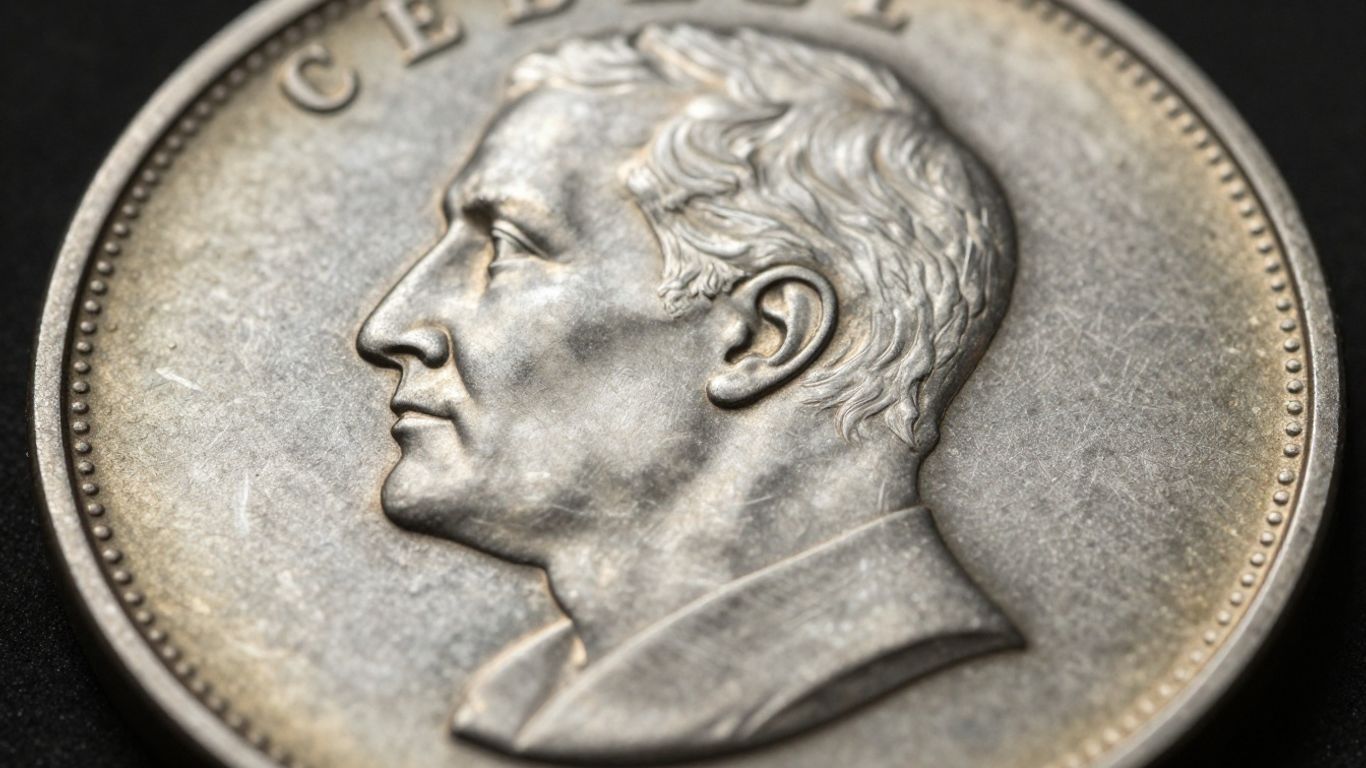
Beyond their artistic appeal, raised central elements on coins provide substantial functional benefits that influence the coin’s lifecycle. These elements dictate how light interacts with the coin’s surface and help maintain the integrity of the design even after circulating among the public for years.
Enhancing visual depth and shadow
Designers manipulate the height of relief to cast subtle shadows across the surface of the coin, which naturally draws the viewer’s eye to the central device. This depth allows for the incorporation of complex details that would otherwise appear flat or indistinct, making the coin appear more vibrant and historically significant.
Protecting key design details from wear
Raised devices perform a critical role in preserving the coin’s longevity by absorbing the impact of repeated physical handling. While the raised areas might show surface marks over time, the recessed fields remain better protected, ensuring that branding and identification remain legible for longer periods.
Branding and identity for commemorative series
Commemorative coins act as tactile representations of national heritage, often requiring distinct symbols that are instantly recognizable to the holder. In the context of producing physical commemorative sets, companies often leverage specialized display solutions to showcase these coins, choosing materials like Acrylic.SG to ensure the finish remains unobstructed and protected for viewing, much like how specialized Challenge Coin Anatomy guides explain the importance of these devices.
Design strategies for central raised focal points
Focal points serve as the anchor for the entire coin design, requiring designers to juggle visual weight alongside the technical limitations of striking machines. Successfully placing these elements often involves analyzing how the center creates a dialogue with the margins of the currency.
Balancing negative and positive space
When positioning high-relief imagery, keeping enough room between the device and the rim is crucial, as this empty space defines the boundaries of the art. Designers often compare the density of their relief across different die versions to ensure the central motif stands out as intended.
| Feature | Purpose | Design Consideration |
|---|---|---|
| Central Device | Main visual interest | Must not be overly crowded |
| Negative Field | Visual breathing room | Balanced to highlight borders |
| Peripheral Legend | Secondary information | Must remain legible at scale |
By carefully applying these principles, creators achieve a harmonious look where the central anchor does not overwhelm the smaller details found in the legend or mint marks.
Scaling elements for different coin denominations
Scaling is often a technical hurdle, as the same design must be adjusted when shrinking from a large commemorative medal down to a smaller circulating coin. This requires subtle simplifications of the geometry in the central device to ensure it remains striking without losing clarity.
Using textures to complement central relief
Textures are frequently added to the raised areas to prevent them from looking monotonous, often mimicking natural surfaces or artistic stippling. These texturing techniques add a secondary layer of visual interest that changes based on how the coin catches the light.
Distinguishing between relief types and techniques
Understanding the manufacturing process allows designers to select the best method for their project’s requirements, whether they need something understated or extremely dramatic.
High relief versus bas-relief processes
High relief processes create dramatic, sculptural depth that is perfect for collectors, but it often mandates slower press speeds and tighter controlled cooling. Conversely, bas-relief is more common for everyday circulation, offering a durable and efficient profile that stands the test of time.
Incuse versus raised design integration
Incuse designs, where the metal is sunken rather than raised, provide an interesting tactile variation but require different die structures compared to traditional relief. Each style influences how a coin interacts with environmental conditions, occasionally requiring specific thermoplastic road marking paint comparative studies for signage or biberones anticólicos for cleaning logic in broader manufacturing workflows.
Laser engraving as a modern alternative to traditional dies
Laser engraving has revolutionized how we create dies, allowing for a level of micro-detail that traditional manual tools cannot match. This approach is increasingly popular for limited-edition coins, offering a level of precision that traditional artisans previously dreamt of achieving.
Historical evolution of central coin imagery
Coinage has long served as a miniature canvas for political expression and cultural identity throughout the centuries. The transition from ancient, manual techniques to the current digital landscape highlights how much we value the permanence and detail of these small, metallic objects.
Ancient methods of manual die crafting
Historically, craftsmen would spend weeks hand-punching individual details into iron dies, resulting in coins that were unique and occasionally quite inconsistent. This manual labor meant that small variations were expected, each coin representing the hand-hewn skill of a single master artist.
The impact of mechanical pantographs on detail
During the industrial revolution, the pantograph allowed for the reduction of large sculptures into coin-sized dies, drastically improving the consistency and complexity of portraiture. This allowed national mints to produce massive volumes of currency with identical imagery, fostering trust among the population.
Transitioning to 3D modeling and digital minting
Today, designers use sophisticated software to sculpt entirely in the digital realm, allowing for minute adjustments to relief heights before any metal is actually struck. This digital-first approach ensures that the finished coin captures every nuance envisioned by the artist while maintaining the highest technical standards.
Conclusion
Mastery over central raised elements on coins bridges the gap between artistic expression and rugged engineering. Whether for commemorative pieces or everyday currency, the focus on detail, durable materials, and precise die-striking ensures that each coin effectively delivers its historical or aesthetic message to the public for generations to come.
Frequently Asked Questions
Why do some coins feel flatter than others?
Coins feel flatter when they are designed for standard high-volume circulation, where a shallower relief is necessary to prevent rapid wear and simplify the high-speed striking process.
Does a higher relief always indicate better quality?
High relief increases artistic drama, but it does not inherently mean higher quality or value; quality is best measured by the sharpness and consistency of the strikes across the entire design.
How does the metal type affect the central relief?
Different metals have different hardness levels and flow characteristics, meaning that softer metals like gold fill a die more easily than harder alloys like nickel or cupro-nickel.
Can cleaning a coin damage the raised elements?
Yes, cleaning a coin physically abrades the metal surfaces, which can smooth out the sharp edges of the raised elements and permanently strip the coin of its numismatic value.
What are the main differences between obverse and reverse relief?
There is no fundamental difference in how they are struck, but the obverse typically features the primary portrait or central device, often requiring more detail and higher relief focus.
How are textures added to coin designs?
Textures are achieved either through specialized micro-texturing on the original die or via decorative finishes and plating techniques that vary based on the desired final look.
Is it possible to repair damaged raised elements?
No, coin relief is forged as a single piece with the field; once damaged, the metal is permanently altered, and no non-invasive repair can restore the original mint-state detail.