
Ever wondered about those raised bits on a coin and what makes them stand out? It’s all about the coin device relief depth. This isn’t just about how high a design pops, but how it affects the coin’s look, feel, and even its value. We’ll break down what relief means and why it matters when you’re looking at coins, whether they’re fresh from the mint or have seen a lot of action.
Key Takeaways
- Coin relief refers to the raised parts of a coin’s design that stand above the flat background, or field. The coin device relief depth is a measure of how pronounced these raised elements are.
- The depth and sharpness of the relief play a big role in how a coin looks and how detailed its design appears. High relief coins have designs that stand out much more than low relief ones.
- When grading coins, the condition of the relief is super important. Wear can smooth out these raised details, making a coin look less impressive and lowering its grade.
- Proof coins often have very sharp and well-defined relief because they are made with special care, which makes the raised designs really pop against mirror-like fields.
- Understanding coin device relief depth helps you appreciate the artistry and manufacturing process behind coins, and it’s a key factor in determining a coin’s overall condition and value.
Understanding Coin Device Relief Depth
When you look at a coin, what first catches your eye? It’s usually the raised parts, the bits that stand out from the flat background. That’s what we call ‘relief’ in coin collecting. It’s basically how high the design elements are compared to the coin’s surface. Think of it like a tiny sculpture pressed onto metal. This height, or depth, of the design is super important for how a coin looks and even how it holds up over time.
Defining Coin Relief
Coin relief refers to the three-dimensional aspect of a coin’s design. The parts of the design that are raised above the coin’s base surface are in relief. This is in contrast to incuse designs, which are sunken into the surface. Most coin designs utilize relief, and the degree of this raised effect can vary quite a bit. It’s a key factor in how a coin feels and looks.
The Role of Relief in Coin Design
The amount of relief a coin has plays a big part in its overall appearance and how well the details show up. A coin with high relief will have designs that stand out dramatically, giving it a very sculptural feel. This can make intricate details pop and give the coin a sense of depth and presence. On the other hand, coins with low relief will have designs that appear flatter, with less dramatic contrast between the raised elements and the field. This can sometimes make the design more durable, as there are fewer high points to get worn down.
- High Relief: Designs are significantly raised, creating strong shadows and a bold, three-dimensional look. This often makes the coin feel more substantial and artistic.
- Medium Relief: A balance between high and low relief, offering good detail without being overly pronounced. This is common for many circulating coins.
- Low Relief: Designs are only slightly raised from the surface, appearing flatter and more subtle. This can sometimes be more practical for mass production and durability.
High Relief and Ultra High Relief
Some coins push the boundaries of what’s possible with relief. High relief coins are designed to have a very pronounced, almost sculptural quality. Then there’s ultra high relief, which takes this even further, with designs that can be incredibly deep and detailed, sometimes appearing almost like miniature statues. These special finishes are often used on commemorative or collector coins to make them stand out. The striking process for these coins can be more complex, often requiring multiple blows from the dies to achieve the full depth of the design. This level of detail can make collecting these coins a fascinating pursuit.
The visual impact of a coin is heavily influenced by its relief. The way light plays off the raised surfaces and settles into the recessed areas creates the coin’s character. Understanding this interplay is key to appreciating a coin’s artistry and condition.
Key Components of Coin Anatomy
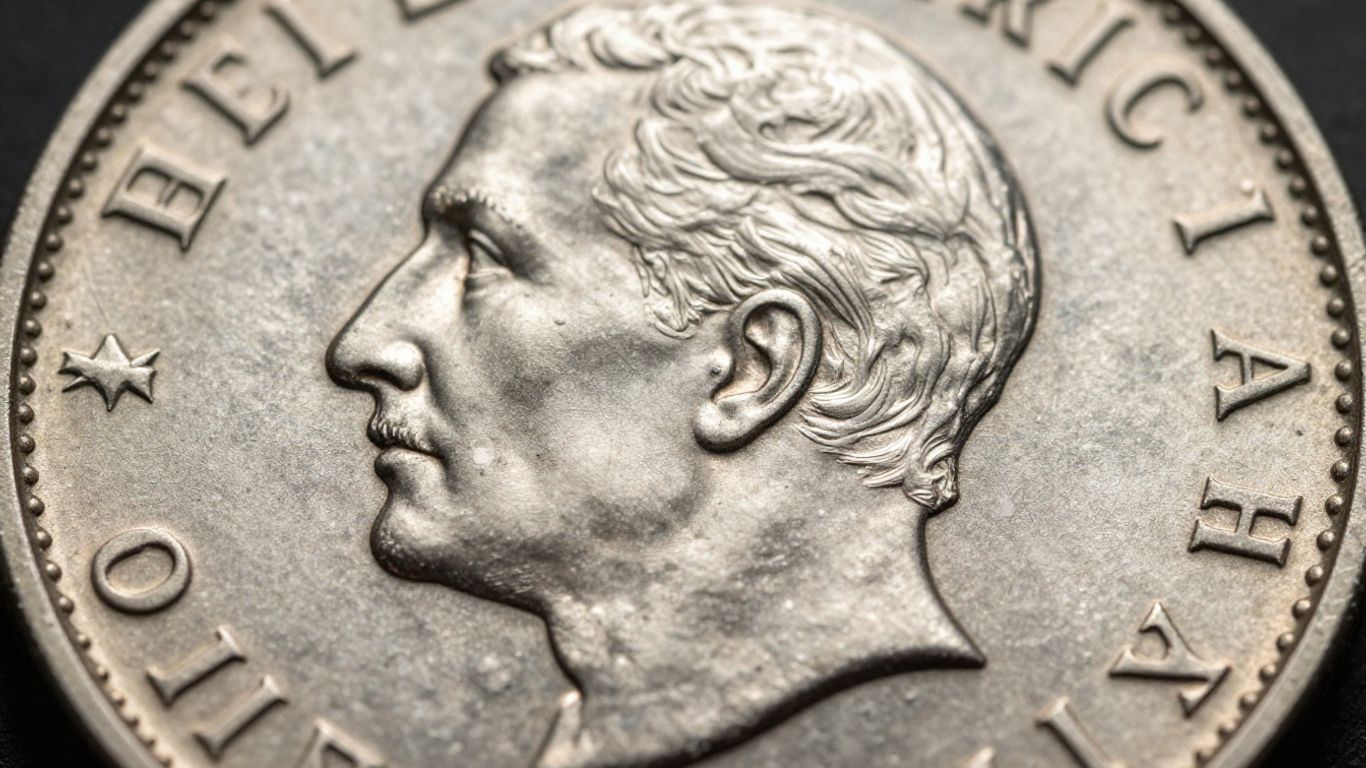
When you first look at a coin, it might just seem like a simple piece of metal. But dig a little deeper, and you’ll find it’s got its own set of parts, kind of like a tiny, metallic landscape. Knowing these parts helps you talk about coins more precisely and understand what makes them tick. It’s not just about the pretty pictures; there’s a whole structure to it.
Obverse and Reverse Identification
Every coin has two main sides. The one that usually faces up when you’re looking at it, often featuring a portrait or a national symbol, is called the obverse. Think of it as the "front" or "heads" side. The other side, the "back" or "tails," is known as the reverse. This side typically shows the coin’s denomination, the year it was made, and other design elements. Sometimes, the reverse is where you’ll find subtle differences that help collectors identify specific versions or mint marks. It’s always a good idea to get familiar with both sides of any coin you’re examining.
Understanding the Coin Edge
The edge is the outer rim of the coin. It’s not always just a plain, smooth surface. Edges can be smooth, decorated with patterns, or even have lettering or numbers inscribed on them. These variations aren’t just for looks; they can also be a security feature, making coins harder to counterfeit. The condition of the edge can tell you a lot about how much a coin has been handled. A worn or damaged edge usually means the coin has seen a lot of circulation.
The Function of the Edge Bar
Now, let’s talk about something you might not notice right away: the edge bar. This is a slightly raised border that runs around both the obverse and reverse sides, right where the design meets the edge. Its main job is to protect the coin’s design from wear and tear. Imagine it as a little shield for the raised parts of the coin. If this edge bar is intact and sharp, it’s a good sign that the coin hasn’t been heavily circulated. For proof coins, it also helps create a clean separation between the mirrored fields and the design.
The edge bar is a subtle but important feature. Its presence and condition can offer clues about a coin’s history and how well its design has been preserved.
Inscriptions and Mint Marks
Decoding Coin Legends
Coin legends, or inscriptions, are the words and numbers that appear on a coin’s surface. These aren’t just decorative; they often tell a story. You’ll typically find the issuing country’s name, the denomination, and the year of minting. Sometimes, you might also see mottos or other significant phrases. Reading these legends is a key step in identifying a coin and understanding its origin. Pay close attention to the lettering style and any abbreviations, as these can sometimes help pinpoint specific mint years or even varieties. For instance, a slight change in the font used for the date can indicate a different die was used during production.
Locating and Interpreting Mint Marks
Mint marks are small letters or symbols that tell you where a coin was made. In the United States, common mint marks include ‘P’ for Philadelphia, ‘D’ for Denver, ‘S’ for San Francisco, and ‘W’ for West Point. The absence of a mint mark on many older coins often signifies they were struck in Philadelphia. These marks are incredibly important because different mints can have vastly different production numbers for the same coin type. A coin from a mint with a lower mintage is generally rarer and can be more valuable. Finding the mint mark usually involves a bit of searching, often near the date or on the reverse side, depending on the coin’s design and era. Learning to spot these small details is a big part of understanding coin collecting.
- Philadelphia (P): Historically, most coins were made here. Often, no mint mark was used for coins from Philadelphia.
- Denver (D): Known for producing a large number of coins, especially in modern times.
- San Francisco (S): Often produces proof and uncirculated sets, but also circulation strikes.
- West Point (W): A newer mint facility, primarily known for producing bullion coins and special collector issues.
The location of mint marks can change over time and vary by coin denomination. Always consult a reliable coin catalog or online resource if you’re unsure where to look or what a specific symbol means. This information is vital for assessing a coin’s rarity and potential value.
The Field and Its Significance
Characteristics of the Coin Field
The field of a coin is essentially the blank, flat area that surrounds the main design elements. Think of it as the canvas upon which the raised images and text are placed. On circulated coins, the field often has a semi-glossy appearance, while on proof coins, it’s typically highly reflective, almost mirror-like. This smooth expanse is where imperfections like scratches, hairlines, or even cleaning marks tend to show up most prominently. The condition of the field plays a big role in how a coin is perceived, especially by collectors.
How Field Condition Affects Value
When you’re looking at a coin, especially one that’s meant to be valuable, the field is one of the first places you’ll want to examine closely. Any marks or damage in this area can significantly lower a coin’s grade and, consequently, its market price. For instance, a coin with a pristine, unmarred field will almost always be worth more than an identical coin with numerous visible scratches. This is why collectors often seek out coins with clean fields, as they indicate careful handling and preservation. The field’s condition is a direct indicator of the coin’s overall state of preservation. Understanding coin anatomy helps in proper identification and communication about specific features.
The field is the smooth surface without a motif or legend. It is reflective on proof coins, and usually semi-glossy on circulation coins. Scratches, hairlines or hologram-like wipes are particularly visible in the field and significantly influence the grade.
Here’s a quick look at how field condition can impact a coin’s desirability:
- Pristine Field: Highly desirable, often found on uncirculated or proof coins. Minimal to no visible marks.
- Lightly Marked Field: May have a few minor hairlines or bag marks, usually acceptable on circulated coins but can detract from higher grades.
- Heavily Marked Field: Significant scratches, gouges, or cleaning marks. This severely impacts the coin’s aesthetic appeal and value.
When examining a coin, tilting it under good light is key. This allows you to see how light reflects off the field, revealing any imperfections that might not be obvious at first glance. A clean field contributes greatly to the overall visual appeal and perceived quality of a coin, making it a critical factor in numismatic evaluation.
Examining Relief Sharpness and Depth
When you look at a coin, the raised parts – that’s the relief. It’s not just about how high these parts are, but also how crisp and clear the details are. Think of it like a sculpture; the finer the details and the cleaner the lines, the more impressive it usually is. This sharpness and depth are super important for how a coin looks and how it’s graded.
Assessing Relief Sharpness
Sharpness refers to how well-defined the edges of the design elements are. A sharp relief means you can see clear, distinct lines and details. On the other hand, a soft or mushy relief might have blurred edges, making it hard to make out fine features. This can happen if the dies used to strike the coin weren’t perfectly made or if the striking pressure wasn’t quite right. When you tilt a coin under a good light, you can really see the sharpness. You want to see those high points meeting the flat areas cleanly. It’s like looking at a drawing where the lines are all crisp versus one where they’re smudged.
Evaluating Relief Depth
Relief depth is pretty much what it sounds like: how much the design elements rise above the coin’s flat surface, known as the field. Some coins have a very low profile, almost flat, while others, like high relief or ultra high relief coins, have designs that really stand out. The depth affects how light plays on the coin, creating shadows and highlights that give the design its three-dimensional feel. A coin with good depth can look more impressive and detailed. It’s a key factor in how a coin is graded.
Here’s a simple way to think about it:
- Low Relief: Design elements are only slightly raised, often appearing almost flat. Light doesn’t create much contrast.
- Medium Relief: A common level where design elements are noticeable but not overly prominent.
- High Relief: Design elements are significantly raised, creating strong shadows and a pronounced three-dimensional effect.
- Ultra High Relief: The most extreme, with design elements rising very high, sometimes almost appearing detached from the field.
Impact of Relief on Visual Appeal
Ultimately, the sharpness and depth of a coin’s relief have a big say in how appealing it is to the eye. A coin with sharp, well-defined features and a pleasing depth will generally look better than one that is worn down or poorly struck. This visual quality is what draws collectors in. It’s not just about the design itself, but how that design is presented on the metal. A coin that looks almost flat might not catch your attention, but one with a design that pops out can be quite striking. You can really see this difference when you examine all aspects of a coin.
When examining a coin, pay close attention to how the light interacts with the raised design. The way highlights catch the high points and shadows fall into the recesses tells you a lot about the sharpness and depth of the relief. This visual assessment is a big part of appreciating a coin’s aesthetic qualities and its potential value.
Proof Coinage and Relief
Proof coins are special. They aren’t just regular coins that look nice; they’re made using a specific process designed to highlight every detail. This means the relief on a proof coin is usually much sharper and more defined than on a regular, business-strike coin. Think of it like the difference between a quick sketch and a finely detailed painting. The mint uses specially prepared dies and polished planchets, striking the coin multiple times to get that incredible depth and clarity. It’s a method of manufacture, not a grade, but it really makes the design pop.
Proof Production Methods
Making a proof coin is a meticulous process. It starts with the planchets, which are the blank metal discs before they get struck. For proofs, these planchets are highly polished, often to a mirror-like finish. Then, the dies – the metal tools that actually impress the design onto the coin – are also specially prepared. They’re often treated to create a frosted or matte appearance on the design elements. The striking itself is done with high-tonnage presses, and the coin is struck more than once. This multi-strike approach ensures that every tiny detail, every raised line of the relief, is perfectly formed. It’s a slow, careful process, a world away from the high-speed production of circulating coins.
Relief Characteristics in Proof Coins
The relief on a proof coin is where it really shines, pardon the pun. Because of the special production methods, the raised elements of the design stand out with exceptional crispness. You’ll notice a distinct contrast between the frosted design and the mirror-like field. This contrast makes the relief appear even more pronounced. The edges of the design elements are incredibly sharp, and the overall depth of the relief is maximized. This attention to detail is what collectors look for. It’s not just about the design being present; it’s about how perfectly it’s rendered. This level of detail is a key aspect of modern coin manufacturing [2720].
Identifying Proof Fields
Spotting a proof coin often comes down to examining the fields – the flat, open areas of the coin’s surface. On a proof coin, these fields are typically highly reflective, almost like a mirror. When you tilt the coin under a light source, you should see a clear reflection of the surrounding area in the field. In contrast, the raised design elements usually have a frosted or matte finish, creating a striking contrast. This difference in texture is a hallmark of proof coinage. If the fields are reflective and the design looks velvety or matte, you’re likely looking at a proof coin. The edges of proof coins are also notably sharp, making the details appear even more vivid.
Wear and Tear on Coin Relief
Over time, coins that circulate experience a natural process of wear and tear. This affects every part of the coin, but the raised elements of the design, known as the relief, are particularly susceptible. Think of it like a well-loved book; the cover might get scuffed, and the edges of the pages might soften. Coins are no different.
How Circulation Affects Relief
When a coin is passed from hand to hand, rubbed against other coins in pockets or cash registers, or even just handled, the highest points of the design are the first to lose their sharpness. This gradual abrasion smooths out the fine details, making them less distinct. The more a coin circulates, the more its relief will be affected. This is a normal part of a coin’s life, but it’s a significant factor when collectors assess a coin’s condition. Unlike mint errors, which are flaws from the striking process, wear and tear is a result of use. This distinction is important because wear generally reduces a coin’s value, whereas some mint errors can increase it [4c4f].
Identifying Wear on Raised Designs
Spotting wear on the relief requires a careful look. You’ll want to examine the coin under good lighting, perhaps tilting it to catch the light on the raised surfaces. Look for:
- Softened Details: Areas that should be sharp and well-defined appear rounded or blurred.
- Loss of Luster: The original mint luster might be gone, replaced by a duller, more uniform surface.
- Flattened High Points: The very tops of the design elements, like a portrait’s nose or hair, might appear worn down.
- Visible Field Marks: While not directly on the relief, scratches or bag marks in the flat areas (the field) often indicate circulation that has also impacted the relief.
The Importance of an Intact Edge Bar
The edge bar, that slightly raised ring around the design on both sides of the coin, plays a protective role. It acts as a buffer, preventing the main design elements from directly rubbing against surfaces. An intact edge bar suggests that the coin has not experienced excessive friction or damage. If the edge bar itself is worn down or damaged, it’s a strong indicator that the relief details have also suffered significant wear. This protective ring is a key indicator of a coin’s overall preservation [b199].
Wear and tear is a natural consequence of a coin’s journey through commerce. While it diminishes the pristine quality of the relief, it also tells a story of the coin’s history. For collectors, understanding the extent and nature of this wear is key to accurately grading and valuing a coin.
Grading and Relief Depth
When you’re looking at coins, especially for collecting or investing, how the design stands out – that’s relief – plays a big part in how it’s graded. It’s not just about how pretty the coin looks; it’s about how well the design was struck and how much of that original detail is still there. Think of it like this: a coin with a really strong, clear design that pops out is generally going to be viewed more favorably than one where the details are worn down and flat.
Relief as a Grading Criterion
The sharpness and height of the raised design elements are key. A coin that was struck with enough force to bring out all the fine details, and where those details haven’t been worn down by circulation, will score higher. This is why even coins that look generally good might get a lower grade if the relief is weak or mushy. It shows the coin wasn’t struck well or has seen too much handling.
How Relief Depth Influences Coin Grade
Grading services look at a few things related to relief. They check if the highest points of the design are well-defined. They also consider the contrast between the raised parts and the flat background, called the field. A coin with strong relief will have a nice separation between these areas. For example, on a coin with a portrait, you want to see clear features like the nose, ears, and hair strands standing out. If these are rounded and indistinct, the grade will suffer. The depth of the relief also matters; coins with higher relief often present a more dramatic and appealing appearance, which can positively impact their grade, assuming the details are well-struck and preserved.
Third-Party Grading and Relief Assessment
Professional grading companies use detailed scales to assess coin condition. Relief is a significant factor in this assessment. They have specific terms for how well the design is rendered. For instance, a coin might be described as having "full strike" or "weak strike" based on how the relief came out. A weak strike means the design didn’t fully form, often leaving some areas looking flat or incomplete. This is different from wear, but both reduce the coin’s grade. When coins are graded, they are often placed in protective holders, sometimes called slabs, which allow you to see the coin clearly while keeping it safe.
The condition of the relief is a direct indicator of both the minting process and the coin’s history. A well-struck coin with strong relief that shows little to no wear is highly desirable. Conversely, a coin with weak relief or significant wear on the raised elements will be valued less. This is why examining the relief is a fundamental step in evaluating a coin’s true condition and potential value.
Here’s a general idea of how relief might be considered:
- Full Relief: All design elements are sharply defined, with excellent detail and contrast. Highest grade potential.
- Moderate Relief: Most design elements are clear, but some finer details might be slightly softened or less pronounced.
- Weak Relief: Design elements are flat, indistinct, or missing in places. This can be due to a poor strike or significant wear.
When you’re looking at coins, especially those that are supposed to be in high grades, pay close attention to the relief. It’s one of the most telling features about a coin’s quality and history.
Varieties and Mint Errors
Sometimes, coins come off the minting press with a little something extra – or something missing. These aren’t just everyday coins; they’re the result of something going a bit sideways during production. We call these "varieties" and "mint errors," and for collectors, they can be incredibly exciting. Think of them as tiny accidents of history stamped onto metal.
Understanding Die Varieties
Die varieties happen when the tools used to strike the coins, called dies, have some kind of alteration. This could be anything from a small chip to a significant doubling of the design. The most famous examples often involve doubled dies, where the design appears to be struck twice, creating a noticeable overlap. For instance, certain years might have a well-known doubled die variety that collectors actively seek out. These aren’t errors in the sense of a machine malfunction, but rather a quirk in the die itself that gets replicated on many coins struck with it. Finding a rare VAM variety, for example, can be a significant find for collectors of specific series.
Impact of Striking Errors on Relief
Striking errors are where things really get interesting, and they can directly affect how the coin’s design stands out, or its relief. Imagine the coin press slamming down – sometimes, it doesn’t quite line up perfectly. An off-center strike means the design isn’t fully impressed onto the planchet, leaving parts of the coin blank. A double strike, where the coin is hit twice, can create a ghost-like impression of the design on top of the main one, sometimes making the relief appear flatter or distorted in certain areas. Then there are broadstrikes, which happen when the collar that holds the coin’s edge in place isn’t engaged. The metal has nowhere to go but outwards, resulting in a coin that’s wider and thinner than usual, often with a very shallow relief.
Planchet Errors and Their Effect
Planchet errors occur before the coin is struck. A planchet is just the blank metal disc. If the metal sheet wasn’t properly prepared, or if the blanking process goes wrong, you can get some unusual results. A clipped planchet is probably the most common, where a crescent-shaped piece is missing from the edge, usually because the blanks were punched too close together. This doesn’t really change the relief of the design that is there, but it’s a very obvious flaw. Even rarer are planchets made of the wrong metal. The 1943 Lincoln cent struck on a copper planchet instead of steel is a legendary example. These planchet errors are fascinating because they show a mistake happening at a very early stage of coin production.
Mint errors are not just mistakes; they are unique historical artifacts. Each one tells a story about the complex and sometimes imperfect process of creating the money we use every day. Their rarity and the story behind them are what make them so sought after by collectors.
Practical Coin Examination Techniques
Looking at coins closely is a skill that gets better with practice. You don’t need fancy tools to start, just a good light source and a bit of patience. It’s like learning to spot details in a painting; the more you look, the more you see.
Tilting the Coin for Relief Inspection
When you first get a coin, don’t just stare at it head-on. Hold the coin by its edges and tilt it slowly under a light source. This movement is key to seeing how the design elements, the relief, stand out from the flat background, known as the field. You’re looking for how sharp and clear these raised parts are. A coin with high relief will have designs that seem to jump out, while low relief means the design is flatter. This tilting action also helps reveal any tiny scratches or marks that might be hiding on the surface, which are often invisible when the coin is held still.
Using Light to Assess Relief and Field
Different lighting can show you different things about a coin. A single, bright light held at an angle is great for showing the contours of the relief. It casts shadows that highlight the high and low points of the design. This is how you can really judge the depth and sharpness of the coin’s features. For the field, the flat areas, you might want a softer, more diffused light. This helps you spot any dullness, cleaning marks, or even subtle bag marks that can affect a coin’s appearance and, consequently, its value. It’s all about using light to your advantage to see the coin’s true condition.
Checking for Surface Marks
This is where you become a bit of a detective. While tilting and using light, keep an eye out for anything that looks out of place. This includes:
- Hairlines: These are very fine scratches, often from improper cleaning. They can look like faint lines running across the surface.
- Bag Marks: These are small nicks or dings that coins can get when they rub against each other, especially in mint bags before they are distributed.
- Scratches: These are usually deeper and more obvious than hairlines and can significantly detract from a coin’s appeal.
- Dings and Gouges: These are more severe forms of damage, often from mishandling.
Pay close attention to the edge of the coin, too. While it might seem like just the border, the edge can tell you a lot about how much a coin has been handled. An intact edge, especially the raised rim that protects the design, suggests less wear. Damage here can be a clear sign of a coin that’s seen a lot of circulation or rough treatment. It’s a small detail, but important for understanding the coin’s overall story.
When you’re examining coins, especially if you’re looking at potentially valuable ones, it’s good to know how to spot these issues. It helps you understand the coin’s grade and what it might be worth. For those interested in learning more about coin grading, resources on coin grading methods can be very helpful.
Wrapping Up: What You've Learned About Coin Relief
So, we’ve gone over what coin relief is all about – those raised bits that make up the design. It’s pretty neat how the depth and sharpness of that relief can really tell you a lot about a coin, especially when you’re trying to figure out its condition or value. Remember, looking at the relief, along with the field and other parts of the coin, gives you a fuller picture. It’s not just about the pretty pictures; it’s about the details that matter for collectors and anyone interested in numismatics. Keep these points in mind next time you’re examining a coin, and you’ll be seeing them in a whole new light.
Frequently Asked Questions
What exactly is coin relief?
Coin relief refers to the parts of a coin’s design that are raised above the flat surface, also known as the field. Think of it as the ‘high points’ of the image or text that you can feel when you touch the coin. The amount of relief can vary greatly, from very shallow to quite pronounced.
Why is the height of the raised design (relief) important for a coin?
The relief’s height plays a big role in how a coin looks and how well its details show. Coins with high relief can have a very dramatic and impressive appearance, making the design stand out. This depth also affects how the coin wears down over time and is a key factor when experts are deciding a coin’s condition or grade.
What's the difference between high relief and ultra high relief?
High relief means the design is significantly raised, giving it a bold, three-dimensional look. Ultra high relief takes this even further, with designs that are exceptionally tall and detailed, often appearing almost sculptural. These coins are designed to make a strong visual impact.
How can I tell the front (obverse) from the back (reverse) of a coin?
The obverse, often called ‘heads,’ usually features the main portrait or national symbol. The reverse, or ‘tails,’ typically shows the coin’s value, the year it was made, and other design elements. Sometimes, looking at which side has the date can help you identify the reverse.
What is the 'field' of a coin, and why does its condition matter?
The field is the flat, smooth background area of a coin that doesn’t have any design or writing on it. On coins that have been used, scratches or marks on the field are very noticeable. A clean, undamaged field is important for a coin’s overall appearance and its value, especially for collector coins.
How does wear and tear affect the raised parts of a coin?
When coins are used a lot, the raised parts of the design are the first to show wear. They get smoothed down, losing their sharp details and definition. This wear is a major factor in determining a coin’s grade, as coins that look more worn are generally worth less than those that are still sharp and clear.
What are proof coins, and how is their relief different?
Proof coins are special collector coins made using a different process. They usually have very shiny, mirror-like fields and designs that appear frosted or matte. The relief on proof coins is typically very sharp and well-defined, showcasing the design with exceptional clarity and contrast.
How do coin experts use relief depth when grading coins?
When grading a coin, experts look closely at how much detail remains in the raised design. A coin with full, sharp relief that shows all the intended details is considered to be in better condition than one where the design has become worn down and flat. The amount of original relief preserved is a key part of assigning a grade.