
Silver coins are popular, but fakes are out there. It’s a bummer when you think you’ve got a good deal, only to find out later it’s not the real deal. Luckily, there are ways to check if your silver coins are legit. This article talks about different testing silver content in coins methods, from just looking at them to using some techy tools. We’ll cover how to spot common fakes and what to look for to make sure you’re not getting ripped off. It’s all about knowing what to do to confirm you’ve got actual silver.
Key Takeaways
- Start with a close look: Check hallmarks, stamps, and fine details for any oddities or missing parts. Sometimes the little things give it away.
- Know your enemy: Understand common fake materials like molybdenum or lead alloys, which can mimic silver’s look and feel.
- Weigh and measure: Use precise scales and calipers to compare your coin’s weight and dimensions against known specifications. It’s a simple but effective check.
- Test the density: Methods like the Archimedes principle can reveal if a coin has a different core material, like copper, hidden inside.
- Use advanced tools: Eddy current analyzers and conductivity testers can detect internal differences that visual or weight checks might miss, especially for high-quality fakes.
Initial Visual Inspection Of Silver Coins
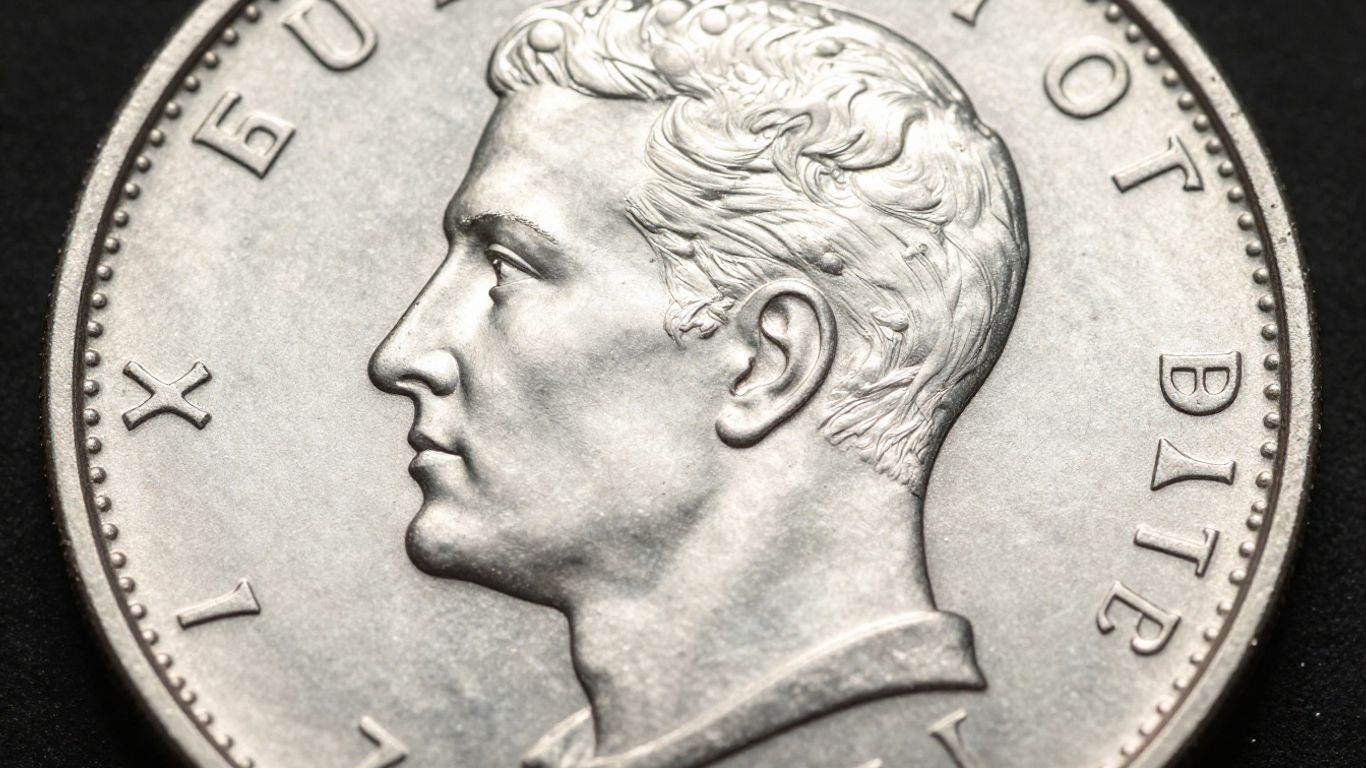
Before you even think about using fancy equipment, a good old-fashioned look can tell you a lot about a silver coin’s authenticity. It’s like meeting someone for the first time; you get an initial impression. This first step is all about paying close attention to the details that reputable mints get right.
Examining Hallmarks And Stamps
Coins, especially those meant for investment, often carry official markings. These can include the mint’s logo, purity stamps (like ‘999’ or ‘9999’ for fine silver), and sometimes even the year of mintage. Counterfeiters might get these wrong. Look for:
- Clarity and Sharpness: Are the stamps crisp and clear, or do they look fuzzy or smudged?
- Proportions and Placement: Do the hallmarks appear correctly sized and positioned according to known examples of the genuine coin?
- Font Consistency: If there’s text, does the font match what’s expected for that specific coin?
Comparing the hallmarks on a suspect coin to images of a known genuine one is a solid starting point. You can often find official specifications and images on mint websites. Checking manufacturer specifications is a good habit.
Assessing Embossing Depth And Proportions
Genuine silver coins usually have a certain feel to them, partly due to the way the designs are struck. The depth of the embossed images and the overall proportions of the coin’s features are important. Are the raised elements too flat, or perhaps too pronounced? Does the relief seem consistent with what you’d expect from a high-quality strike? Sometimes, fakes have designs that look a bit "off" – maybe the details are softer, or the overall relief is shallower than it should be. It’s about looking for that professional finish that often separates the real deal from a cheap imitation.
Magnifying Fine Details For Discrepancies
This is where a magnifying glass or a jeweler’s loupe really comes in handy. You’re looking for the tiny things that a counterfeiter might miss or get wrong. This could be:
- Micro-engraving: Some coins have very small text or patterns that are hard to replicate.
- Edge Details: Check the reeding (the ridges on the edge) or any lettering on the edge. Are they uniform and well-defined?
- Surface Texture: Look closely at the fields (the flat areas) of the coin. Are there any unusual scratches, pitting, or a strange sheen that doesn’t look right?
Counterfeits often show signs of rushed production or less sophisticated tooling. You might see inconsistencies in the fine lines of a portrait, or patterns that aren’t as sharp as they should be. Visual inspection can reveal details that are characteristic of reputable mints, but it’s just the first step.
While visual inspection is a great first line of defense, it’s important to remember that counterfeiters are constantly improving their methods. Relying solely on visual cues might not be enough, especially with more sophisticated fakes. Always be prepared to use other testing methods to confirm authenticity.
Understanding Common Silver Counterfeits
It’s a bummer when you think you’ve snagged a great deal on silver, only to find out later it’s a fake. Counterfeiters are getting pretty good, and they’re not just sticking to gold anymore. Silver coins and bars are also targets, especially since they’re popular for investment. They often "stretch" the silver with other metals like molybdenum, lead, or tin-lead mixes. Sometimes it’s copper, too. The really tricky ones use materials that have almost the same density as silver, making them hard to spot just by weight and size. This means you can’t always trust your eyes or a simple scale for these fakes.
Identifying Alloys Used In Fakes
Counterfeiters often use cheaper metals mixed with a bit of silver, or sometimes just plate a base metal with a thin layer of silver. Common culprits include copper, nickel, and zinc. These alloys might look similar, but they won’t have the same feel or sound as genuine silver. Some fakes are made with molybdenum or specific tin-lead alloys. These are particularly sneaky because their density is very close to that of silver. This allows them to match the weight and dimensions of real silver coins almost perfectly. For these, you’ll need more advanced testing methods.
Recognizing Counterfeits With Similar Density
When a fake has the same density as real silver, it throws off the usual weight and measurement checks. Think of it like a solid silver coin versus one with a core made of a different metal but the same overall size. The weight might be spot on, but the internal composition is all wrong. This is where methods like using an eddy current analyzer become really important. These devices can detect differences in the metal’s composition that aren’t visible externally. It’s a way to check what’s going on inside the coin without damaging it. For instance, some Russian silver coins have been found to be almost identical in appearance, dimensions, and weight, requiring these specialized tests to verify authenticity.
The Danger Of Molybdenum And Lead Alloys
Some of the most concerning fakes are those made with molybdenum or lead-tin alloys. Why? Because these materials have densities that are incredibly close to pure silver. This means a counterfeit coin made with these metals can have the exact same weight and dimensions as a genuine one. It’s like trying to tell the difference between two identical-looking balls, where one is solid silver and the other is a clever imitation. These types of forgeries really highlight the need for testing beyond just visual inspection and basic measurements. You might need to rely on conductivity tests or eddy current analysis to be sure. A hot air blower can sometimes reveal these fakes, as the melting point of these alloys is much lower than that of pure silver.
The challenge with modern counterfeits is their sophistication. They are designed to fool basic tests, making it necessary to employ a range of verification methods. Relying on a single test is often insufficient.
Weight And Dimension Verification Methods
When you’re looking at a silver coin, the first things to check are its physical measurements. It sounds simple, but it’s surprisingly effective at catching fakes. Counterfeiters often get these details wrong, even if they’re good at copying the design.
Precision Scale Measurement For Ounce Standards
This is where a good digital scale comes in handy. Every coin, especially those made of precious metals, has a specific weight. For instance, a standard ounce of pure silver should weigh about 31.1 grams. If your coin is noticeably heavier or lighter than it should be, that’s a big red flag. It’s worth checking the official specifications for the coin you have; mints and refiners usually publish this information. Getting this right is a key step in testing the authenticity of silver coins [ea12].
Using Digital Calipers For Coin Dimensions
Beyond weight, the size and thickness of a coin matter too. You’ll want to use digital calipers for this. These tools give you precise measurements for both the diameter and the thickness of the coin. Again, compare these numbers to the official specs. Even a tiny difference can indicate a problem. It’s amazing how often fakes are just slightly off in their dimensions.
Comparing Against Manufacturer Specifications
So, you’ve got your weight and dimension readings. Now what? You need to compare them to what the coin should be. This means looking up the official specifications from the mint or the manufacturer. These details are usually available on their websites or in coin catalogs. Having a reliable source to compare against is really important.
Here’s a quick look at some common metal densities, which can also be a clue:
| Metal | Density (g/cm³) |
|---|---|
| Silver | 10.49 |
| Molybdenum | 10.28 |
| Lead | 11.40 |
| Bismuth | 9.75 |
| Copper | 8.90 |
It’s not just about having the right weight and size; it’s about having them consistently right. A coin that feels too light or too thick is often a sign that something isn’t quite right with its composition or manufacturing.
These basic checks, while not foolproof on their own, can eliminate a lot of potential fakes right from the start. They’re easy to do and don’t require fancy equipment, just a bit of care and attention to detail. If a coin passes these initial tests, you can then move on to more advanced methods for testing silver coins [015d].
Density Determination For Authenticity
The Archimedes Principle For Silver Objects
Density is a property that tells us how much mass is packed into a certain volume. For metals like silver, this is a pretty solid indicator of what you’re actually holding. If a coin’s density doesn’t match what pure silver or a known silver alloy should be, it’s a big red flag. This is where the old Archimedes Principle comes in handy. You know, the whole "water displacement" thing? By weighing an object in air and then weighing it again submerged in water, you can figure out its volume. Combine that with its weight, and boom – you’ve got its density. It’s a straightforward way to spot fakes, especially those with a different metal core.
Detecting Copper Core Silver Forgeries
One of the most common ways counterfeiters try to pull a fast one is by using a core of a cheaper metal, like copper, and then plating it with a thin layer of silver. Copper has a noticeably different density than silver. This means a coin with a copper core, even if it looks right and weighs almost the same, will have a different overall density. You can calculate this using the weight in air and the weight when submerged in water. If the calculated density is off, it’s likely not solid silver.
Identifying Lead And Bismuth In Alloys
Sometimes, counterfeiters get a bit more sophisticated, or perhaps just desperate. They might try to use metals like lead or bismuth, either as a core or mixed into the alloy. These metals have significantly different densities compared to silver. Lead, for instance, is much denser than silver. Bismuth, on the other hand, is less dense. These discrepancies in density are usually quite apparent when you perform the water displacement test. It’s a good way to catch those less common but still possible fakes. You can check out various metal densities to see how they stack up.
Here’s a quick look at how densities compare:
| Metal | Density (g/cm³) |
|---|---|
| Pure Silver | 10.49 |
| Copper | 8.96 |
| Lead | 11.34 |
| Bismuth | 9.78 |
Remember, even slight variations can indicate a problem, especially with high-value items where precision matters. Don’t just eyeball it; get the numbers.
This method is quite effective for ruling out many fakes, but it’s not foolproof. Some really tricky counterfeits might use materials with very similar densities, or even a mix of metals to try and hit the target density. For those, you might need to look at other tests, like checking the sound a coin makes when tapped or using more advanced equipment.
Advanced Testing With Eddy Current Analysis
How Eddy Current Analyzers Work
Once you’ve ruled out many common fakes with basic checks like weight and density, you might run into more sophisticated counterfeits. These are the ones made with materials that have a similar weight, making them tricky to spot. This is where eddy current analyzers come into play. They’re pretty neat devices that can look inside a coin without damaging it. Basically, they send out a magnetic field, and that field makes tiny electrical currents, called eddy currents, swirl around inside the metal. The way these currents behave tells us a lot about what the metal is made of. Different metals and alloys create different eddy current patterns.
Utilizing GoldScreenSensor For Coins
Devices like the GoldScreenSensor are specifically designed for this kind of work, and they’re great for coins. They work by applying an alternating magnetic field at a specific frequency. This field excites those eddy currents within the coin. The sensor then measures how these currents respond. Even small amounts of foreign metals mixed into the silver can change the way the eddy currents form and behave. This change is what the sensor picks up, allowing it to distinguish between genuine silver and a fake. It’s a quick way to get a look at the coin’s internal makeup.
Non-Destructive Internal Examination
What’s really good about eddy current testing is that it’s non-destructive. You don’t have to cut the coin open or do anything that would harm its value. It’s a fast process, too. For instance, some counterfeits might have the same magnetic properties as real silver, which can fool simpler tests. However, they can’t fake silver’s electrical conductivity. Eddy current analysis picks up on these internal differences. It’s a step up from just checking the surface or the overall weight, giving you a more detailed look at the coin’s authenticity. This method is particularly useful when dealing with fakes that have a core of a different metal but are otherwise very convincing, like those with tungsten cores in gold or lead-tin in silver [a221].
Counterfeits are getting smarter, often using materials with the same density as genuine silver. This means simple weight and dimension checks might not be enough. Advanced tools are needed to probe the coin’s internal structure and composition.
Conductivity As A Key Indicator
Silver's Unmatched Electrical Conductivity
When you’re trying to figure out if a silver coin is the real deal, its electrical conductivity is a pretty big clue. Pure silver is, well, the best conductor out there. Nothing else really comes close. This means electricity just zips through it super easily. Counterfeiters can try to make things look right, but they often struggle to fake this property. It’s like trying to mimic the shine of a diamond with glass – it might look similar at first glance, but the real thing has a unique quality.
Limitations Of Magnetic Property Imitation
Some fakes try to fool you by having the same magnetic properties as silver. You might hear about the "ping test" where you tap a coin and listen to the sound, or check if it sticks to a magnet. While these can sometimes catch obvious fakes, more sophisticated counterfeits can be made to behave magnetically like real silver. This is where conductivity really shines as a test. Even if a fake coin seems to pass a magnetic test, its electrical conductivity will likely be off.
Distinguishing Real Silver Through Conductance
So, how do you actually check this conductivity? You’ll typically need a special device. These tools, often called conductivity testers or eddy current analyzers, send a small electrical current or magnetic field through the coin. They then measure how the coin responds. Real silver will have a very specific, high conductivity reading. If the reading is lower, or different in a way that suggests other metals are present, it’s a strong sign of a fake. This method is quite effective for spotting coins that have been made with a core of a different metal, even if the weight and dimensions are spot on. It’s a non-destructive way to get a look inside the coin’s material makeup. For instance, some counterfeits might use molybdenum or lead alloys, which have densities close to silver but conduct electricity poorly. You can find devices that help with this, like the GoldScreenSensor for coins.
It’s important to remember that while density and weight are good starting points, they can be fooled. Metals like molybdenum have densities very close to silver, making them tricky to detect with just a scale. This is why looking at multiple properties, like conductivity, becomes so important for accurate authentication.
Here’s a quick look at how some metals stack up in terms of density, which can sometimes be confused with conductivity issues:
| Metal | Density (g/cm³) |
|---|---|
| Pure Silver | 10.49 |
| Molybdenum | 10.28 |
| Lead | 11.40 |
| Bismuth | 9.75 |
| Copper | 8.9 |
Specific Testing For Silver Cutlery
When you come across silver cutlery, maybe from an estate sale or inherited, it’s not always straightforward to tell its real value. You’ve got everything from genuine sterling silver, marked as 925/1000, down to silver-plated items that look nice but aren’t worth much. It’s pretty important to get this right so you don’t end up with something less valuable than you thought. A quick assessment can save you from unpleasant surprises.
Identifying Hallmarks On Silverware
Look closely at any markings on the cutlery. These are called hallmarks, and they’re like a signature from the maker and a stamp of approval for the silver content. You might see numbers like ‘925’ or ‘999’, indicating pure or sterling silver. However, be wary of stamps that look official but aren’t. Some marks, like ARG 800, AMZ 800, or Super Inox 800, often show up on items that are actually just silver-plated stainless steel. These are designed to trick you into thinking they’re higher quality silver.
Distinguishing Sterling From Plated Items
One of the simplest ways to start is with a magnet. Real silver isn’t magnetic. If your cutlery sticks to a magnet, it’s almost certainly not solid silver, but likely plated or made from a different metal. For plated items, the silver layer can wear off over time, especially on edges and high-use areas, revealing the base metal underneath. You might see a different color metal peeking through. Also, consider the weight; solid silver items tend to feel more substantial than hollow or plated ones of the same size.
Using Portable Devices For Quick Assessment
For a more precise check, especially if you’re dealing with a lot of pieces or want to be sure about those tricky hallmarks, portable testing devices can be very helpful. Tools like the GoldScreenPen can quickly analyze the metal composition without damaging the item. These devices work by sending a signal into the metal and reading how it responds. They can easily differentiate between solid silver and silver-plated items, and even identify common fake alloys. This is a fast way to get a reading when you’re out and about, perhaps at an auction or flea market.
Sometimes, the simplest tests are the most effective. Don’t overlook basic checks like the magnet test or looking for signs of wear on plated items before you invest in more complex equipment.
Comparing Densities Of Metals
Density is a property that tells us how much mass is packed into a certain volume. For precious metals like silver, this measurement is a really straightforward way to check if something is what it claims to be. Think of it like this: if you have a block of wood and a block of lead of the exact same size, the lead block will feel much heavier. That’s because lead is denser than wood. The same idea applies to coins and silverware.
Density Of Pure Silver
Pure silver has a specific density, which is about 10.49 grams per cubic centimeter (g/cm³). This number is a benchmark. If a coin or piece of silverware is supposed to be pure silver, its density should be very close to this value. Slight variations can occur due to alloys, but significant differences are a big red flag.
Density Of Common Counterfeit Materials
Counterfeiters often try to fool people by using metals that have a density close to silver. This way, the fake item might feel about right in your hand and even pass a simple weight and measurement test. Some common materials they might use include:
- Copper: Density around 8.9 g/cm³. Often used as a core material, especially in plated items.
- Molybdenum: Density around 10.28 g/cm³. This is quite close to silver’s density, making it a tricky material to detect by weight alone.
- Bismuth: Density around 9.75 g/cm³. Another metal with a density that can be mistaken for silver.
- Lead: Density around 11.40 g/cm³. While denser than silver, it’s sometimes used, and its higher density can be a giveaway.
Interpreting Density Discrepancies
When you measure the density of an item and compare it to the known density of pure silver, any significant difference points to a problem. For instance, if a coin is supposed to be silver but measures a density closer to copper, it’s likely a copper piece that’s been plated. If the density is slightly off, it might indicate a silver alloy rather than pure silver, or it could be a sophisticated counterfeit using a metal like molybdenum. The Archimedes principle, which involves weighing an object in air and then submerged in water, is a reliable method for calculating density and spotting these discrepancies. This technique is a cornerstone in verifying the authenticity of precious metals, helping to avoid costly mistakes and protect your investments in bullion purity.
Detecting fakes with similar densities requires careful measurement. Counterfeiters are getting smarter, sometimes using materials like molybdenum or lead alloys that mimic silver’s weight and feel. Relying solely on visual inspection or basic weight checks isn’t enough for these advanced fakes. A proper density test, however, can reveal the truth about the metal’s composition.
The Role Of Heat In Detecting Fakes
While many tests focus on visual cues, weight, or electrical properties, heat can also be a surprisingly effective tool for spotting certain types of silver fakes. This method works by exploiting differences in how various metals react to temperature changes, particularly their melting points.
Melting Point Differences
Pure silver has a relatively high melting point, around 961.8 degrees Celsius (1763.2 degrees Fahrenheit). Many common metals used to create counterfeit silver, like lead or tin alloys, have significantly lower melting points. For instance, lead melts at just 327.5 degrees Celsius (621.5 degrees Fahrenheit), and tin at 231.9 degrees Celsius (449.5 degrees Fahrenheit).
Using Heat To Reveal Core Materials
This disparity in melting points is where heat testing becomes useful. A coin or piece of silver that appears genuine but has a core made of a cheaper metal with a lower melting point can be compromised by controlled heating. If the object begins to soften, warp, or even melt at temperatures well below that of pure silver, it’s a strong indicator of a fake. This is particularly true for sophisticated counterfeits designed to mimic the weight and dimensions of real silver, often using lead-tin alloys as a core.
Identifying Alloys With Lower Melting Points
When examining a suspect piece, applying a controlled heat source, like a hot air blower, can reveal its true nature. If the item starts to deform or melt at a temperature that a genuine silver piece would easily withstand, you’ve likely found a forgery. This technique is especially effective against those cunning fakes that have the same density as silver but are made from materials that can’t handle the heat. It’s a direct way to expose the cheaper metals hidden within.
It’s important to remember that heat testing is a destructive method and should only be used as a last resort on items you suspect are fake and are willing to sacrifice for confirmation. Always proceed with caution and proper safety measures when working with heat sources.
Here’s a quick look at some melting points:
| Metal | Melting Point (°C) | Melting Point (°F) |
|---|---|---|
| Pure Silver | 961.8 | 1763.2 |
| Lead | 327.5 | 621.5 |
| Tin | 231.9 | 449.5 |
| Copper | 1084.6 | 1984.3 |
While copper has a higher melting point than silver, it’s often used in alloys with other metals that lower the overall melting point significantly, making them detectable with heat. This method provides a different angle for authentication, complementing other tests like density determination and visual inspection.
Wrapping Up Your Silver Checks
So, we’ve gone over a few ways to check if that silver item is the real deal. It’s not always as simple as just looking at it, especially with how good some fakes are these days. Things like checking the weight and size are good starting points, and looking at any markings can help too. But for the really tricky ones, especially those made with metals that weigh the same, you might need to use something a bit more advanced, like those eddy current testers. It’s all about using the right tool for the job to make sure you’re not getting stuck with a fake. Keep these methods in mind, and you’ll be much better equipped when you’re looking to buy or just curious about what you already have.
Frequently Asked Questions
What are the first things I should look for when checking if a silver coin is real?
Start by looking closely at the coin. Check any official marks or stamps to see if they match what the real coin should look like. Also, pay attention to how clear and deep the design is. Sometimes, fakes have blurry details or incorrect shapes. Using a magnifying glass can help you spot these small differences.
What common fake metals are used to make fake silver coins?
Scammers often use metals like molybdenum, lead, tin, and copper to make fake silver. Sometimes they mix these metals or use them as a core inside a thin layer of silver. These metals can be cheaper and easier to get than real silver.
Why is density important when testing silver?
Every metal has a specific density, which is like its weight for its size. Real silver has a certain density. If a fake coin is made with a different metal core, its density might be off. This difference in density can help you tell if it’s real or fake, especially if the fake is trying to trick you by having the same weight and size.
What is the Archimedes Principle and how does it help test silver?
The Archimedes Principle explains how objects feel lighter in water. For testing silver, you can weigh the coin normally and then weigh it while it’s underwater. By comparing these two weights, you can calculate the coin’s density. This helps you see if the density matches pure silver, revealing if it has a core made of a different metal.
What is eddy current analysis and why is it useful for silver?
Eddy current analysis uses magnetic fields to check the inside of a coin without damaging it. Real silver lets electricity flow through it very easily, which affects how these magnetic fields behave. Fake coins, especially those with different metal cores, won’t react the same way. This method is great because silver is one of the best electrical conductors, making it easy to spot fakes that try to copy its properties.
Can magnets detect fake silver coins?
While some fake coins might not be magnetic, relying only on magnets isn’t enough. Some counterfeit materials can be made to not attract magnets, making them seem real. Silver itself isn’t magnetic, but its high electrical conductivity is a much more reliable sign of authenticity that’s harder to fake.
How can I test silver cutlery to see if it's real?
When testing silver cutlery, look for official stamps or hallmarks, like ‘800’ or ‘925’, which indicate the silver content. Be aware of stamps like ‘800’ that might just mean it’s silver-plated. Special portable devices can quickly check the metal’s properties to tell the difference between solid silver and plated items.
What's the danger of metals like molybdenum and lead in fake silver?
Molybdenum and lead are tricky because they have a density very close to that of real silver. This means fake coins made with these metals can weigh the same and have the same size as real ones, making them hard to detect with simple weight and measurement checks. They require more advanced testing methods.