
Here are the main points to remember about insuring your coin collection:
Key Takeaways
- Replacement value is what it costs to buy a similar item, not what it would sell for today.
- Appraisals are important for knowing your collection’s worth and for insurance claims.
- Different policies exist, like ‘agreed value’ or ‘actual cash value’, affecting payouts.
- Check what your policy covers and what it doesn’t, especially for things like travel or damage.
- Keep good records of your coins, like photos and receipts, to make claims easier.
Defining Coin Collection Insurance Replacement Value
Understanding Key Insurance Concepts
When you’re looking into insuring your coin collection, you’ll run into a few terms that might sound similar but mean quite different things. One of the most important is "replacement value." Think of it like this: if something happens to your prized coins, like a fire or a theft, replacement value is the amount of money it would take to buy new coins that are just like the ones you lost. It’s not about what you originally paid for them, or even what they might fetch at a quick sale. It’s about getting back to where you were before the loss, with items of similar kind and quality. This is a pretty big deal for collectors because coins, especially rare ones, can be hard to replace and their value can go up over time.
- Actual Cash Value (ACV): This is what an item is worth right before it’s damaged or lost, taking into account its age and wear. For coins, this could mean a much lower payout than you’d expect.
- Replacement Cost Value (RCV): This is the cost to replace the item with a new one of similar quality and type. This is generally what you want for your collection.
- Agreed Value: You and the insurance company agree on a specific value for your collection before any loss occurs. This avoids disputes later on.
How Replacement Value Differs from Market Value
It’s easy to mix up replacement value with market value, but they’re not the same thing, especially for coins. Market value is what someone would pay for your coin right now, on the open market. This can change a lot depending on trends, rarity, and even the economy. For example, a rare coin might be worth a lot today, but if the market shifts, its market value could drop. Replacement value, on the other hand, is more about the cost to acquire a similar item. For coin collectors, understanding this distinction is key to making sure your insurance policy actually covers the true worth of your collection. If you have a coin that’s hard to find, its market value might be high, but the replacement cost could be even higher if you have to search far and wide or pay a premium to a specialist dealer to find a comparable piece. It’s about getting you back to your collection’s previous state, not just what someone would pay for it today. You can find more information on how to determine the insured value of your collection here.
Why Replacement Value Is Crucial for Coin Insurance
So, why is replacement value so important when it comes to insuring your coins? Simply put, it protects your investment and your passion. If you only insured your collection for its original purchase price or a low market value, you’d be in a tough spot if you had to replace it. Imagine your entire collection is lost in a house fire. If your policy only pays out the actual cash value, you might get back only a fraction of what it would actually cost to rebuild your collection with similar coins. This could mean you can’t afford to replace the rare pieces or even common ones that have appreciated in value since you bought them. Specialized insurance for collectibles, like that offered by SmartFinancial, often focuses on replacement cost value. This means you can replace your lost or damaged items with ones of similar kind and quality, which is exactly what a collector needs. It provides peace of mind knowing that a covered event won’t financially cripple your ability to continue your hobby.
How Coin Valuation Impacts Insurance Coverage
When you’re looking into insuring your coin collection, figuring out how much it’s all worth is a pretty big deal. It’s not just about knowing the price tag; it directly affects what kind of protection you get and how much you’ll have to pay.
The Role of Appraisals in Insuring Coins
Getting a professional appraisal is often the first step in properly insuring your coins. An appraiser looks at each coin, considering its condition, rarity, historical significance, and current market demand. This detailed assessment helps establish an accurate value. This agreed-upon value is what the insurance company will use to determine your premium and, importantly, what they’ll pay out if something happens to your collection. Without a solid appraisal, you might end up underinsured, meaning you wouldn’t get enough money to replace your lost or damaged coins. It’s also a good way to understand the nuances of coin value, like how patina can affect authenticity.
Frequency and Cost of Professional Appraisals
How often you need an appraisal depends on a few things. If your collection is fairly stable and doesn’t change much, maybe every three to five years is fine. But if you’re actively buying and selling, or if you have particularly rare or rapidly appreciating coins, you might need one annually. The cost can vary widely. For a small collection, it might be a few hundred dollars. For a large, high-value collection, it could run into thousands. It might seem like a lot upfront, but think of it as an investment in proper protection.
Here’s a general idea of what influences appraisal costs:
- Number of coins: More coins usually mean a higher cost.
- Value of coins: Rarer, more valuable coins require more specialized knowledge and time.
- Appraiser’s experience and reputation: Highly sought-after appraisers may charge more.
- Location: Costs can differ based on where you are.
Determining Value for Rare and Unusual Coins
Valuing rare and unusual coins can be tricky. It’s not always as simple as looking up a price list. Factors like provenance (the history of ownership), unique mint errors, or coins with significant historical ties can dramatically increase value beyond what a standard appraisal might capture. Sometimes, the insurance policy might have specific clauses for these types of items. It’s important to discuss these unique pieces with your insurer and appraiser to make sure they are adequately covered. For instance, a coin that was part of a famous hoard or owned by a historical figure might command a much higher replacement value than its metal content or common rarity would suggest. This is where a specialist appraiser truly earns their fee, providing a detailed justification for the valuation that an insurer can understand and accept.
When insuring your collection, remember that the ‘replacement value’ is key. It’s not necessarily what you paid for the coin, nor is it always the absolute highest price it might ever fetch. Instead, it’s the estimated cost to acquire a similar coin in similar condition, should yours be lost or damaged. This figure is usually determined through professional appraisals and is the basis for your insurance policy’s coverage limits and premiums.
Types of Coin Collection Insurance Policies
Agreed Value Versus Actual Cash Value Policies
When you’re looking into insurance for your coin collection, you’ll run into two main ways insurers figure out how much they’ll pay if something happens: Agreed Value and Actual Cash Value. It’s a pretty big difference, so you’ll want to get this right.
With an Agreed Value policy, you and the insurance company decide on the exact worth of your collection before anything goes wrong. This amount is written right into your policy. If your collection gets lost, stolen, or damaged, the insurer pays you that pre-agreed amount. This is usually the preferred method for collectors because it removes a lot of guesswork and potential arguments later on. It gives you a clear picture of what you’re covered for. Many specialist providers focus on this type of coverage for collectibles.
Actual Cash Value (ACV) is a bit different. Under an ACV policy, the insurer will pay you what the item was worth at the time of the loss, minus depreciation. This means if you have a coin that was worth $1,000 last year but is only worth $800 today due to wear or market changes, you’d get $800, not the original $1,000. For a collection where items can fluctuate in value or degrade over time, this can mean you don’t get enough to replace your coins with similar ones. It’s generally less ideal for valuable collections.
Worldwide Coverage and Its Implications
Think about where your coins might go. Do you travel with them? Do you attend coin shows out of state or even internationally? If so, you’ll want to look closely at the policy’s geographic coverage. Many standard homeowner’s policies offer limited coverage outside your home, and even then, it might only be for a short period.
- Domestic Travel: If you frequently visit family or friends and take some of your collection along, ensure your policy covers it while in transit and at temporary locations within the country.
- International Travel/Shows: Attending major coin shows abroad or shipping items internationally requires specific attention. Not all policies extend coverage globally, and those that do might have limitations or require additional endorsements.
- Storage Locations: If you use a safe deposit box or a secondary storage facility, confirm that your policy covers your collection at these locations as well.
Having worldwide coverage means your collection is protected no matter where it is, which can be a huge relief if you’re an active collector. It’s a feature that many specialist insurers provide, recognizing that collectors often move their treasures around.
All-Risk vs. Named-Peril Insurance
This distinction is about what the policy covers. It’s like the difference between having a safety net for almost anything or only for specific, listed dangers.
All-Risk Insurance: This type of policy covers your collection against all types of loss or damage except for those specifically listed as exclusions in the policy document. This is generally the most robust form of coverage. Think of it as the insurer saying, "We’ll cover pretty much anything that happens, unless we explicitly say we won’t." Common exclusions might include things like gradual deterioration, war, or intentional damage.
Named-Peril Insurance: This policy only covers losses caused by the specific perils (dangers) that are listed in the policy. If a type of damage or loss isn’t on that list, you’re not covered. For example, a named-peril policy might list fire, theft, and vandalism, but if your coins were damaged by a flood and flood isn’t listed, you wouldn’t have a claim. This type of coverage is usually less expensive but offers less protection.
For a valuable and potentially portable asset like a coin collection, an all-risk policy is almost always the better choice. It provides a much broader safety net for your investment. You can find more details on safeguarding rare coin collections with specialized insurance on this page.
Choosing the right policy type is more than just picking a name; it’s about understanding the scope of protection you’re getting. An Agreed Value policy with All-Risk coverage and worldwide implications offers the most comprehensive safeguard for your numismatic treasures, but it’s important to read the fine print to know exactly what’s excluded.
Coverage Details: What’s Protected Under Coin Collection Insurance
Perils Covered by Leading Providers
When you’re looking into insurance for your coins, it’s really important to know exactly what bad stuff the policy will cover. Most policies designed for collectors go way beyond what a standard homeowner’s policy offers. Standard policies often have pretty low limits for collectibles, sometimes only a couple of thousand dollars, treating your valuable coins like just another item in your house. That’s why specialized insurance is so key. You’ll typically find that these policies cover a wide range of risks. Think about things like theft, fire, and natural disasters – those are usually standard. But good policies also cover more specific issues that can happen to coins, like accidental damage. Maybe you drop a rare coin while showing it to a friend, or perhaps it gets damaged during a move. These policies are designed to handle those kinds of accidents. Some even cover mysterious disappearances, which can be a real worry for collectors. It’s about getting protection for the unexpected, so you don’t have to stress about every little thing that could go wrong.
Inclusions and Exclusions in Coin Policies
It’s not enough to just know what’s covered; you also need to be aware of what’s not covered. Most coin insurance policies are what they call "all-risk," which sounds great, but there are always exceptions. Common exclusions might include things like damage from wear and tear over time, or issues caused by improper storage. For example, if your coins are stored in a damp environment and develop toning or corrosion, that might not be covered. Also, damage from pests or vermin is often excluded. Some policies might also exclude damage that happens gradually, like from natural aging processes. It’s really important to read the fine print on your policy documents. You want to understand the boundaries of your coverage so there are no surprises if you ever need to make a claim. For instance, while accidental damage is usually covered, intentional damage or damage resulting from neglect probably won’t be. Always check the specific list of exclusions provided by your insurer.
High-Value and Specialized Coverage Features
For those with particularly valuable or rare coins, standard coverage might not be enough. Many insurers offer options for higher limits or specialized coverage. This can include things like coverage for coins while they are being transported to or from shows, or even while on display at an exhibition. Some policies also provide coverage for the cost of professional appraisals, which is a big help in keeping your collection properly valued. You might also find features like worldwide coverage, meaning your collection is protected no matter where you are. This is especially useful if you travel frequently or plan to attend international coin shows. It’s worth discussing your specific needs with your insurance provider to see what specialized features are available. They can help tailor a policy that truly fits the unique nature and value of your collection, giving you that extra layer of security for your most prized numismatic items. This kind of tailored approach is what makes specialist collectibles insurers so appealing for serious collectors.
Leading Insurance Providers for Coin Collectors
Specialist Collectibles Insurers Explained
When it comes to insuring your coin collection, you’ve got options. Some folks might think a standard homeowner’s policy is enough, but that’s usually not the case for valuable collections. That’s where specialized collectibles insurers come in. These companies really get what it means to own and protect things like rare coins. They understand the risks involved, from theft to accidental damage, and they build policies specifically for that.
Think of it this way: you wouldn’t take your prize-winning poodle to a cat groomer, right? It’s similar with insurance. A specialist knows the ins and outs of numismatics, which can make a big difference if you ever need to file a claim. They often have experts who can properly assess the value of your coins, which is super important for getting the right amount of coverage. This specialized knowledge is a huge plus.
Comparing American Collectors Insurance, Hugh Wood Inc., and MiniCo
Let’s look at a few of the big names in the game. Each has its own strengths, so what’s best for you really depends on your collection and your needs.
- American Collectors Insurance: These guys focus solely on collectibles. They’re known for offering coverage that doesn’t depreciate, meaning your policy value stays with the coin’s actual worth. They often provide worldwide transit coverage, which is great if you travel or buy coins internationally. They don’t usually require fancy security systems for most collections, which simplifies things.
- Hugh Wood Inc. Collectibles Insurance: This provider offers a broad "all-risk" type of coverage, which generally means it covers more types of damage or loss than policies that only list specific perils. They can handle collections valued from $2,500 up to $1 million or more. A neat feature is their automatic coverage increases, which can help keep pace with a growing collection.
- MiniCo Collectibles Insurance: MiniCo is often a good choice if you’re looking for something more budget-friendly or have a smaller collection to start. They have a low minimum coverage amount, often starting around $1,000. Their process is usually pretty straightforward, with many options available online, making it easy to get a quote and policy.
Here’s a quick rundown to help you see the differences:
| Provider | Key Features | Best For |
|---|---|---|
| American Collectors Insurance | No depreciation, worldwide transit | Collectors of all levels |
| Hugh Wood Inc. | Broad "all risk", automatic increases | Serious collectors with high-value items |
| MiniCo Collectibles Insurance | Low minimums, affordable, online process | Hobbyists and beginners |
Choosing the right insurer is about more than just price; it’s about finding a partner who understands the unique nature of your collection and can provide reliable protection when you need it most. It’s always a good idea to get a few quotes and compare the details of each policy carefully.
What to Consider When Choosing a Provider
When you’re shopping around, keep a few things in mind. First, check out their claims process. How do they handle payouts? Do they have people who actually know coins assessing the damage or loss? This is super important for getting a fair shake. Also, look at the policy limits and deductibles. Make sure the coverage amount is enough for your collection’s current value, and understand what you’ll have to pay out-of-pocket if something happens. Don’t forget to ask about any specific security requirements they might have, like needing a safe or an alarm system. Finally, consider their customer service. Are they easy to reach? Do they answer your questions clearly? You want to work with a company that makes the process smooth, especially when it comes to protecting your valuable numismatic assets.
It’s also worth noting that some providers, like Brown & Brown, offer specialized insurance that can cover not just coins but other collectibles too, which might be convenient if you have a mixed collection.
Documentation and Inventory Management for Claims
To have your coin collection insurance actually work for you, you need strong documentation. If anything happens—whether it’s theft, fire, or some random mishap—your records are what the insurer will rely on to pay your claim. Without proper documentation, the claims process can go from stressful to disastrous.
Maintaining Accurate Inventories
Keeping a solid inventory is the backbone of a collectible coin insurance claim. Here are practical steps to do this right:
- Use a spreadsheet or inventory app designed for collectors.
- Record every coin’s details: denomination, year, mint, grade, and unique marks.
- Update your inventory when you make new purchases or sales.
For added safety, many collectors choose a secure cloud backup. This is helpful if you ever have to prove your collection’s contents after a major loss. If you want added protection, encrypted cloud backups are a smart strategy, as discussed regarding thorough documentation and its insurance benefits (document everything thoroughly).
Required Proofs: Photos, Receipts, and Appraisals
Insurers will ask for proof if you submit a claim. The three main forms are:
- Photographs: Clear images of both sides for each coin, with date stamps if possible.
- Receipts or Purchase Records: Proof of where and when you acquired each coin.
- Appraisals: Especially for valuable or rare coins; insurance companies may want something recent.
Here’s how these requirements could stack up:
| Proof Type | Required For Most Claims | Increases Claim Speed | Needed for High-Value Coins |
|---|---|---|---|
| Photographs | Yes | Yes | Yes |
| Receipts | Usually | Yes | Yes |
| Appraisals | Sometimes | Yes | Always |
Organizing your documentation ahead of time means you’re not scrambling under stress if something ever happens to your coins. This doesn’t have to take hours—set up a system when you start and just keep it updated.
Streamlining the Claims Process
When you need to make a claim, being prepared makes everything quicker and easier. Here’s what can help:
- Keep your inventory list and documentation all in one place (digitally and physically).
- Notify your insurer as soon as there is a loss or theft.
- Provide requested documents quickly:
- Inventory lists
- Supporting photographs
- Any purchase proof or appraisals
Some insurers now offer apps or online portals to upload your claim documents directly, speeding up the process. It’s still a good idea to review your existing home insurance policy and see how collectibles are covered, just in case (review your existing home insurance policy).
Ultimately, staying organized means you’re less likely to hit snags with your claim, and you’ll have a better shot at a fair reimbursement if the worst happens.
Security Measures Required by Insurers
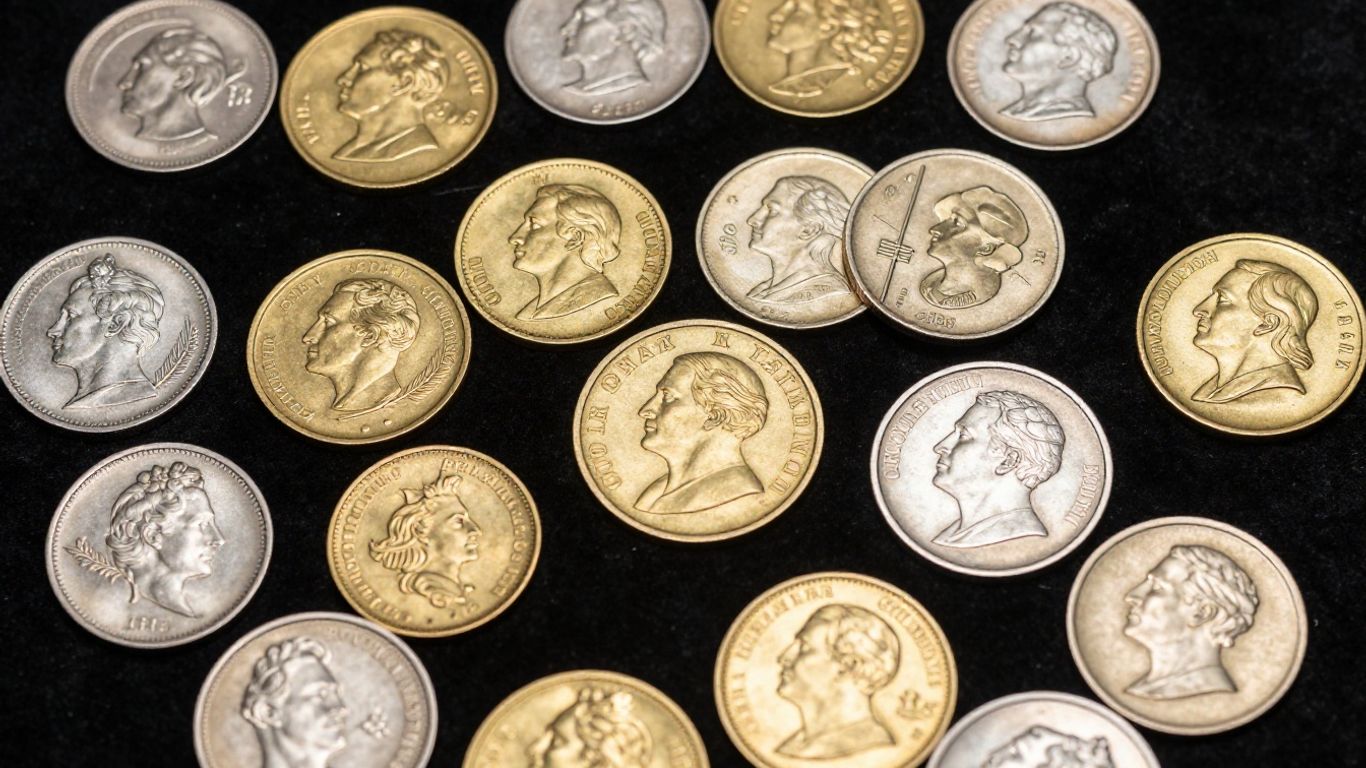
When you’re looking into insurance for your coin collection, you’ll notice that many companies want to know how you’re keeping your coins safe. It’s not just about having a good policy; they also want to see that you’re taking steps to prevent losses in the first place. This makes sense, right? If your coins are stored in a flimsy box in your garage, the insurer might see that as a higher risk than if they’re in a high-security safe. Insurers often have specific requirements for security to approve coverage or to offer the best rates.
The Impact of Safes and Alarm Systems
Many insurance providers will ask about your home security setup. Having a quality safe, especially one bolted down, can make a big difference. The type and rating of the safe matter. For instance, a fire-rated safe offers protection against fire damage, while a burglary-rated safe is designed to resist forced entry. Alarm systems, particularly those monitored by a professional service, also signal to insurers that you’re serious about security. Some policies might even offer a discount if you have a monitored alarm system installed.
Why Some Policies Require Enhanced Security
For collections valued above a certain threshold, insurers often mandate specific security measures. This isn’t just a suggestion; it’s a condition of the policy. They might require:
- A specific type of safe or vault.
- Installation of a monitored alarm system connected to a central station.
- Regular security system maintenance checks.
- Limitations on where the coins can be stored within the home.
- Requirements for detailed inventory lists, including photographs and appraisals, especially for higher-value items. This is a key part of securing your numismatic legacy.
Balancing Accessibility and Protection
It’s a bit of a balancing act, isn’t it? You want your coins to be secure, but you also want to be able to access them without too much hassle. A safe that’s incredibly difficult to open might deter thieves, but it could also make it inconvenient for you to view or handle your collection. Insurers understand this. They’re looking for reasonable security measures that significantly reduce the risk of theft or damage. Think about how often you access your collection and choose a security solution that fits your needs while meeting the insurer’s requirements. For example, some collectors opt for a combination of a secure safe for long-term storage and display cases for coins they handle more frequently, though these display cases would need to be in a secure location. It’s always a good idea to discuss your specific situation with potential insurers to understand their exact expectations. You can find more information on safeguarding your treasure by exploring different providers.
Calculating the Premium for Coin Collection Insurance
Figuring out the cost of insuring your coin collection isn’t as straightforward as you might think. It’s not just a flat rate; several things play a role in how much you’ll pay each year. The total value of your collection is a big one, but so is the risk involved. Insurers look at a lot of details to set that price.
How Collection Value and Risk Affect Pricing
The most obvious factor is the total value of your coins. If your collection is worth $15,000, your premium will naturally be higher than someone with a collection valued at $1,500. Insurers use this figure to determine the potential payout in case of a loss. However, value isn’t the only thing. They also assess the risk associated with your collection. This includes things like:
- The rarity and desirability of your coins: More sought-after coins might attract higher premiums.
- Where you keep your collection: A collection stored in a high-security safe in a secure location will likely have a lower premium than one kept in a less secure environment.
- Your location: Areas with higher rates of theft or natural disasters might see increased premiums.
- Your claims history: If you’ve filed claims in the past, it might affect your future rates.
Insurers also consider the specific types of coverage you choose. For instance, opting for ‘all-risk’ coverage, which protects against a wider range of potential issues, will cost more than a ‘named-peril’ policy that only covers specific events listed in the contract. The deductible amount also plays a part; a higher deductible usually means a lower premium, and vice versa. It’s a balancing act to find the right coverage for your needs and budget. For a collection valued at $15,000, you might expect annual premiums to fall somewhere between $105 and $225, depending on these factors. You can find more details on how specialized insurance providers cater to these unique needs.
Comparing Premiums Across Providers
It really pays to shop around when looking for coin insurance. Different companies will price their policies differently, even for seemingly similar coverage. Some insurers might specialize in collectibles and have a better understanding of numismatic risks, potentially offering more competitive rates. Others might be larger, more general insurers who offer collectibles as part of a broader package. It’s worth getting quotes from a few different places to see who offers the best deal for your specific situation. Don’t just look at the bottom line, though. Make sure you’re comparing apples to apples in terms of what’s actually covered and what the deductibles are. For example, some policies might have a lower premium but a very high deductible, which could end up costing you more if you ever need to make a claim.
Impact of Deductibles and Coverage Limits
Your deductible is the amount you agree to pay out-of-pocket before your insurance kicks in. Choosing a higher deductible typically lowers your annual premium. For example, a policy with a $500 deductible might cost less per year than one with a $50 deductible. However, if you have a loss, you’ll have to pay that $500 yourself. It’s a trade-off between lower upfront costs and higher potential out-of-pocket expenses during a claim. Coverage limits are also important. This is the maximum amount the insurance company will pay for a covered loss. You need to make sure your coverage limit is high enough to cover the full replacement value of your collection. If your collection is worth $50,000, but your policy limit is only $30,000, you’d be underinsured and would have to cover the difference yourself in the event of a total loss. It’s wise to review your collection’s value regularly and adjust your coverage limits accordingly. This ensures you’re adequately protected.
When setting your premium, insurers are essentially calculating the probability of a claim and the potential cost of that claim. Factors that reduce this probability or potential cost, such as robust security measures or a lower deductible, will generally lead to a lower premium. Conversely, factors that increase risk, like a history of claims or a collection stored in a high-risk area, will likely result in a higher premium.
For instance, if you have a collection valued at $15,000, you might find annual premiums ranging from $105 to $225. This cost is influenced by the coverage options you select, the security measures you have in place, and your past claims history. It’s always a good idea to get quotes from multiple providers to compare pricing and coverage details. You can explore options from specialized insurance providers who cater to these unique needs.
Considerations for Displaying and Transporting Insured Coins
When you have a coin collection, it’s not just about keeping it safe at home. You also need to think about what happens when you take it out, whether that’s to a coin show, a friend’s house, or even just to the bank. Your insurance policy needs to cover these situations too.
Coverage for Coins in Transit
Moving your coins, even for a short distance, carries risks. Theft, accidental damage, or loss can happen more easily when items are not in their usual secure storage. It’s important to understand what your policy covers when your collection is on the move. Some policies might have limits on how much they’ll pay out for items in transit, or they might require specific packing methods.
- Check your policy’s transit coverage: Does it cover accidental damage? What about theft while in transit?
- Understand coverage limits: Is there a maximum amount the insurer will pay for items lost or damaged during transport?
- Know the requirements: Some insurers might specify how coins should be packaged or transported to maintain coverage.
It’s vital to confirm the specifics of your transit coverage before you move any valuable coins. This ensures you aren’t caught off guard by unexpected exclusions.
Insurance While Exhibiting at Shows and Conventions
Coin shows and conventions are great places to buy, sell, and connect with other collectors. However, they also present unique security challenges. Crowds, temporary display setups, and the sheer volume of valuable items can increase the risk of theft or damage. Many specialized coin insurance policies offer coverage for items displayed at approved shows, but there are usually conditions.
- Display security: Insurers often require that your table or display case be attended at all times or secured when you step away.
- Storage at the venue: If you’re staying overnight, understand how your collection is protected in your hotel room.
- Reporting requirements: You might need to notify your insurer about your attendance at a show in advance.
Many collectors find that having a dedicated insurance policy for their numismatic assets provides a much greater sense of security than relying on standard homeowner’s insurance, especially when items are frequently moved or displayed publicly. This specialized coverage is designed with the specific risks of coin collecting in mind.
Risks of International Shipments
Sending coins internationally, whether for sale, appraisal, or to a new home, involves a complex web of regulations, customs, and potential risks. The chances of loss, damage, or even confiscation can be higher due to longer transit times, multiple handling points, and varying international laws. If you’re considering international shipments, it’s absolutely critical to discuss this with your insurance provider beforehand. They can advise on:
- Whether international transit is covered at all.
- Any specific documentation or declarations required by customs.
- The limitations or exclusions that might apply to international shipments.
- Recommended carriers or shipping methods that offer better security and tracking. For more details on safeguarding your collection, this guide offers comprehensive advice on protecting valuable coin collections through specialized insurance. It details various coverage options, discusses associated costs, and outlines the necessary documentation for safeguarding your numismatic assets.
Limitations and Exclusions to Be Aware Of
Common Exclusions in Coin Collection Policies
It’s really important to read the fine print on any insurance policy you’re considering for your coin collection. Most policies have a list of things they just won’t cover, and it’s easy to overlook these until you actually need to make a claim. For instance, many standard policies won’t cover things like gradual deterioration or damage from pests. Also, if a coin just seems to disappear without any sign of forced entry, that’s often excluded too. Some policies might also have limits on how much they’ll pay out for items made of precious metals, which can be a problem if you have a lot of gold or silver coins. It’s always a good idea to check if your policy covers mysterious disappearance or if you need a special rider for that.
Understanding Coverage Gaps
When you’re looking at different insurance options, you might notice some gaps in what’s actually protected. For example, a policy might cover theft from your home but not theft from your car if you’re transporting coins. Or, it might cover damage from a fire but not from a flood. These gaps can leave your collection vulnerable. It’s worth asking your insurance provider specifically about coverage during transit or if you plan to exhibit your coins at shows. Some policies offer worldwide coverage, but there can be limitations on specific countries or types of events.
How to Address Limitations in Your Policy
So, what do you do if you find limitations or exclusions in a policy that otherwise seems good? The first step is to talk to your insurance agent or the company directly. You might be able to add an endorsement or a rider to your policy to cover specific risks that are normally excluded. For example, if your policy has a low limit for precious metals, you might be able to increase that limit for an extra charge. Another option is to look for a specialized insurer that focuses specifically on collectibles, as they often have more tailored coverage. For instance, some policies might cover up to £25,000 per item, but for higher-value coins, you’ll need to arrange specific agreed values.
Here are some common limitations and how to potentially address them:
- Wear and Tear: Gradual deterioration or damage from normal use is usually not covered. This is hard to avoid with coins, but proper storage can slow it down.
- Market Fluctuations: Insurance typically covers the value at the time of loss, not potential future gains or losses in the market. This is why regular appraisals are important.
- Geographic Restrictions: Some policies only cover your collection within your home country. You may need to purchase additional coverage for international travel or exhibitions.
- High-Value Item Limits: Many policies have a cap on individual items. You’ll likely need to schedule high-value coins separately to get adequate coverage.
It’s easy to assume that an insurance policy covers everything related to your collection, but that’s rarely the case. Always assume there are exclusions and actively seek to understand what they are. This proactive approach can save you a lot of heartache and financial loss down the road.
Special Considerations for Institutional and Charitable Collections
When you’re dealing with a coin collection that belongs to an institution, like a museum, or a charity, things get a bit different than insuring your personal stash. These collections often have a much higher value, and they might be on public display or loaned out, which adds extra risks. Plus, the goal isn’t just personal enjoyment; it’s about preservation, education, or fundraising. This means the insurance needs to be pretty robust.
Unique Needs of Museums and Charities
Museums and charities have specific requirements that standard collector policies might not cover. Think about it: a museum might have a coin that’s historically significant, making it almost priceless. A charity might be relying on the sale of donated coins to fund its operations. The insurance needs to reflect these unique situations.
- Public Display Risks: Collections on display are more vulnerable to theft, vandalism, or accidental damage from visitors.
- Loan Agreements: If a museum loans coins to another institution, the insurance needs to cover them while they’re away.
- Donated Items: Charities often receive coin donations. The insurance needs to cover these items from the moment they’re accepted, even if their exact value isn’t immediately known.
- Educational Use: Coins might be handled by students or researchers, increasing the risk of damage.
Tailored Insurance Solutions
Because of these unique needs, institutions and charities often require specialized insurance policies. These aren’t your typical homeowner’s add-ons. They’re designed to handle large, high-value collections with complex risk profiles. Some policies might include:
- Worldwide Coverage: Essential if the institution loans items internationally or participates in global exhibitions.
- Coverage for Pairs and Sets: This is important because losing one coin from a set can drastically reduce the value of the remaining pieces. Insurers understand that a complete set is worth more than its individual parts.
- Inflation Guard: This feature automatically adjusts the coverage amount to keep pace with inflation, so your collection’s insured value doesn’t fall behind rising prices. This is a smart move for any long-term collection, especially those that might appreciate over time. For example, collectible insurance can be quite specific.
- Specialized Appraisal Requirements: While some policies might waive appraisals for smaller collections, institutions often need detailed, up-to-date appraisals from qualified numismatic experts.
Managing Large or Rotating Inventories
Institutions often have vast collections that are constantly changing. New items are acquired, others are loaned out, and some might be put into storage. Keeping track of everything and ensuring it’s all properly insured can be a huge administrative task. This is where good inventory management systems become absolutely critical. Some insurers might even require specific software or detailed digital records to manage these large, dynamic collections. It’s a lot like managing dental records for a large practice; accuracy and organization are key.
The challenge for institutions lies in balancing the need for comprehensive protection with the practicalities of managing a large, often publicly accessible, and dynamic collection. This requires a partnership with an insurer who understands these complexities and can offer flexible, robust solutions.
Securing Your Numismatic Legacy
Protecting your coin collection is super important, no matter if you’re a seasoned collector or just starting out. We’ve looked at different ways to insure your coins, from special companies to broader policies. The main thing to remember is that one size doesn’t fit all. You need to figure out what works best for you based on how much your collection is worth, where you keep it, and what kind of problems you’re worried about, like theft or damage. Getting the right insurance means your collection is safe and you can enjoy it without too much worry. Some companies might even want you to have things like a safe or an alarm system. So, whether it’s old coins or paper money, picking the right insurance is a big step in keeping your collection safe for years to come. For more help with your coins, check out resources that can guide you.
Frequently Asked Questions
What's the difference between replacement value and market value for my coins?
Think of it like this: market value is what someone would pay you for your coin right now. Replacement value is what it would cost to go out and buy a coin that’s just like yours. For insurance, replacement value is usually what you want because it helps you get a similar coin if yours is lost or damaged.
Do I really need a professional appraisal for my coins?
It’s a really good idea, especially for valuable coins. An appraisal is like getting an expert’s opinion on what your coin is worth. Insurance companies often want this to know how much to cover your collection for. It also helps if you ever need to make a claim.
What if my coin collection is stolen from my home?
Most good coin insurance policies cover theft from your home. However, insurers might have rules about how you store your coins, like needing a safe or an alarm system. Always check your policy details to see exactly what’s covered and what security steps you need to take.
Does my coin insurance cover coins I take with me when I travel?
Some policies do, but many have limits. If you travel a lot with your coins or take them to shows, you’ll want to look for ‘worldwide coverage’ or specific ‘in-transit’ protection. Otherwise, your coins might not be covered if something happens while they’re away from home.
What's an 'agreed value' policy?
An ‘agreed value’ policy means you and the insurance company decide on the exact worth of your collection *before* you get the policy. If something happens, they pay you that agreed amount. This is often better than ‘actual cash value,’ where they might pay less because of wear and tear.
Are my coins covered if they get damaged by water, like a flood?
It depends on the policy. ‘All-risk’ policies usually cover damage from things like floods or fires. But some policies only cover specific problems they list. Make sure you know what kind of coverage you have so you aren’t surprised if something bad happens.
How do insurance companies figure out how much my premium will be?
They look at a few things. The total value of your collection is a big one. They also consider how risky it is – like if you live in an area with lots of theft, or if your coins are very rare. The more valuable and risky your collection, the more you’ll likely pay.
What kind of proof do I need if I have to make an insurance claim?
You’ll need to show you owned the coins and what they were worth. This usually means having good records like photos of your coins, receipts from when you bought them, and appraisal documents. The more proof you have, the smoother the claim process will be.