
To ensure a safe and trustworthy experience when buying or selling coins, it’s important to know how to check if a coin dealer is legitimate. These key points will help you make smart choices.
Key Takeaways
- Always check a dealer’s licenses and professional group memberships to confirm they are legitimate.
- Look up what other customers say about the dealer online to gauge their reputation.
- Understand that third-party grading services like PCGS and NGC add a layer of trust to coin authenticity and value.
- Be aware of warning signs, such as prices that seem too high or a dealer who isn’t clear about how they grade coins.
- Meeting dealers in person allows you to see coins yourself and build a personal connection, which can be very helpful.
Establishing Dealer Credibility Through Verification
When you’re looking to buy or sell coins, especially if you’re new to the hobby or making a significant investment, figuring out if a dealer is on the up-and-up is super important. It’s not just about getting a fair price; it’s about making sure the coins are real and that you’re dealing with someone honest. Think of it like hiring someone to do work on your house – you want to know they’re qualified and won’t rip you off. The same goes for coin dealers.
Verifying Licensing and Professional Affiliations
One of the first things to check is if a dealer is part of any professional groups. Organizations like the American Numismatic Association (ANA) have standards that dealers agree to follow. Being a member shows they’re serious about the hobby and likely operate with some level of integrity. It’s a good sign if they can show you proof of their business license, too. It’s not a guarantee, but it’s a solid start.
- Check for membership in numismatic organizations.
- Look for an active business license.
- Ask if they have any certifications from industry bodies.
Dealing with a dealer who is transparent about their credentials and affiliations generally means they have less to hide. It’s a basic step towards building trust.
Reviewing Online Reputation and Testimonials
In today’s world, what people say online really matters. A quick search can tell you a lot. Look for reviews on different platforms – not just their own website, but independent sites too. See what other collectors are saying. Are there lots of positive comments about fair dealings and good service? Or are there recurring complaints? While a few negative reviews can happen to anyone, a pattern of bad feedback is a big warning sign. You can often find discussions on numismatic forums that might mention specific dealers.
Understanding Dealer Experience and Longevity
How long has the dealer been in business? Someone who’s been around for years, through different market ups and downs, has probably learned a thing or two. They’ve likely built a reputation and a client base for a reason. A dealer who just popped up last week might be fine, but an established one often has a proven track record. This longevity suggests they know how to handle the market and keep customers happy. It’s often a good indicator of reliability and knowledge within the coin collecting world. You can sometimes find information about their history on their website or through industry directories.
The Importance of Authenticity in Coin Transactions
When you’re looking to buy coins, whether it’s for a collection you’re building or as an investment, making sure they’re the real deal is super important. It’s not just about the money, though that’s a big part of it. Authenticity is really the bedrock of everything in coin collecting.
Historical Significance and Connection
Every genuine coin you hold is like a little piece of history. It’s a tangible link to the past, carrying stories from different times and places. For collectors, this connection is often why they get into the hobby in the first place. Owning an authentic coin means you’re holding something that has a real past, not just a manufactured item. It’s about connecting with history in a very direct way. This is why knowing how to spot a fake is so important; you don’t want to miss out on that genuine historical link because you ended up with a counterfeit. Learning to spot the differences can be a rewarding part of the collecting journey, and resources like guides on detecting counterfeit coins can be really helpful.
Financial Security and Investment Protection
Let’s be honest, coins can be a significant investment. If you spend good money on a coin that turns out to be fake, you’ve lost that money entirely. Counterfeit coins have no real value. Authenticity is what gives a coin its value as an asset. For investors, this is non-negotiable. You need to be sure that what you’re buying is genuine to protect your financial interests. This is where working with reputable dealers and using third-party grading services comes into play. They help provide that layer of confidence. Before you make any purchase, it’s wise to review the security of your connection when dealing with online sellers.
Maintaining Market Integrity
When counterfeit coins flood the market, it erodes trust for everyone. It makes it harder for honest collectors and dealers to do business. If buyers can’t be sure that coins are authentic, they’ll be less likely to spend money, which hurts the entire numismatic community. Maintaining the integrity of the market means that everyone involved, from the newest collector to the seasoned dealer, plays a part in verifying authenticity. This collective effort helps keep the hobby healthy and trustworthy for future generations. It’s a shared responsibility to keep the market fair and reliable.
Leveraging Third-Party Grading Services
When you’re looking at coins, especially those that might be valuable investments, you’ll quickly run into the idea of third-party grading. It’s basically a way to get an unbiased opinion on a coin’s condition and authenticity from companies that specialize in this. Think of it like getting a professional inspection for a house, but for coins. These services are pretty important for collectors and investors because they add a layer of trust to what can sometimes be a confusing market. They provide a standardized way to assess a coin’s quality.
Understanding PCGS and NGC Standards
Two of the biggest names you’ll hear are PCGS (Professional Coin Grading Service) and NGC (Numismatic Guaranty Company). These outfits have been around for a while and have developed pretty strict rules for how they grade coins. They look at things like how well the coin was made (the strike), how much wear it has, and if it still has its original shine (luster). They use a scale from 1 to 70, where 70 is the best possible grade. Having a coin graded by PCGS or NGC means it’s been looked at by experts who aren’t trying to sell it to you, which is a big deal. Their holders are also designed to protect the coin and have unique numbers so you can check them online.
The Role of CAC in Quality Assurance
Then there’s CAC, which stands for Certified Acceptance Corporation. CAC doesn’t actually grade coins themselves. Instead, they look at coins that have already been graded by PCGS or NGC. If CAC thinks the coin is a really nice example for its grade – meaning it looks better than most other coins with the same grade – they’ll put a special sticker on the holder. This is often seen as an extra stamp of approval, especially for collectors who want the very best. A CAC sticker can sometimes make a coin more desirable and potentially worth more because it signals top quality within its assigned grade.
Benefits of Certified and Graded Coins
So, why bother with all this? Well, certified and graded coins offer a few key advantages. For starters, they give you a much better idea of what you’re actually buying. You know the coin has been authenticated and assigned a grade by a reputable third party. This helps protect you from fakes and from overpaying for a coin that isn’t in as good condition as you thought. It also makes selling easier down the line. Buyers are often willing to pay more for a graded coin because they have that confidence. It really simplifies the process of buying and selling, making the whole market feel a bit more secure for everyone involved. It’s a good idea to check out how these holders protect coins to see the security features.
Navigating Online Dealer Interactions Safely
Shopping for coins online offers a lot of convenience, but it also means you need to be extra careful. It’s not like walking into a shop where you can see and touch everything. You’re relying on pictures and descriptions, so taking steps to verify the dealer and the transaction is really important. Always check the dealer’s credentials before you send any money.
Here are some steps to take when dealing with coin sellers online:
- Check for Secure Connections: Before entering any personal or payment information, look for ‘https://’ in the website address and a padlock icon in your browser’s address bar. This shows the connection is encrypted.
- Review Dealer Verification: Look for any verification badges or statements on the dealer’s website. This might include affiliations with numismatic organizations or partnerships with grading services. You can also search for independent reviews on other platforms.
- Understand Their Policies: Read through their return policy, shipping procedures, and privacy policy. Knowing these details upfront can prevent misunderstandings later.
When I’m buying coins online, I always make sure to look for verification successful waiting messages, which indicate that the security of your connection is being checked before proceeding. This step is essential for protecting your collection and ensuring that every transaction is secure. It’s a small detail, but it gives me peace of mind. You can find more information on how to start a coin collection at [caf3].
It’s also a good idea to be aware of how the dealer handles your information. Do they have a clear privacy policy? Are they asking for more information than seems necessary for the transaction? Reputable dealers will be upfront about how they use your data and will have measures in place to protect it. If something feels off, it’s better to trust your gut and look elsewhere. Building a solid coin catalog is also a good practice, and you can learn about it at [2126].
Be wary of dealers who pressure you to act quickly or make decisions without giving you time to research. Legitimate sellers want you to be a confident buyer, not one who feels rushed into a bad deal. Take your time, do your homework, and don’t be afraid to ask questions.
Identifying Red Flags in Dealer Practices
When you’re looking to buy or sell coins, it’s super important to know what to watch out for. Not everyone in the coin business is on the up and up, and some practices can really cost you. Being aware of these warning signs can save you a lot of headaches and protect your money.
Beware of Inflated Pricing Strategies
One of the most common tricks is when dealers price coins way higher than they’re actually worth. They might try to make a rare coin sound more special than it is, or just slap a big number on it hoping you won’t know the difference. Always do your homework and check prices against reliable sources before you agree to anything. It’s like buying a used car; you wouldn’t pay sticker price without checking Kelley Blue Book, right? A dealer who pushes you to buy quickly without letting you compare prices is definitely a red flag.
Addressing Lack of Transparency in Grading
If a dealer can’t or won’t explain how they graded a coin, or why they arrived at a certain price, that’s a big problem. Grading is a big deal in coin collecting, and it directly affects value. Reputable dealers are happy to discuss the grading process, show you the certifications if available, and explain their reasoning. They should be able to point out the specific features that contribute to a coin’s grade. If they get cagey or dismissive when you ask questions about grading, it’s a sign they might be hiding something. You want to work with someone who is open about these details, not someone who makes you feel like you’re asking too many questions. This is where understanding third-party grading services becomes really important.
Recognizing Counterfeit Risks and Non-Verified Coins
This is probably the most serious red flag. Dealing with counterfeit coins can be devastating for a collection and an investment. Be extremely cautious of dealers who sell coins that haven’t been authenticated or graded by recognized third-party services like PCGS or NGC. While some dealers might have their own experts, relying solely on their word without independent verification is risky. If a dealer pushes coins that lack these credentials, especially if they claim they are just as good, you should walk away. It’s better to pay a bit more for a coin that has been certified and verified, knowing you’re getting the real deal. Always ask about the coin’s history and any verification it has.
It’s easy to get excited about a coin, especially if it looks rare or valuable. But excitement can cloud judgment. Take a step back, do your research, and trust your gut. If something feels off about a dealer or a deal, it probably is. Your collection and your wallet will thank you for being cautious.
The Value of In-Person Dealer Consultations
While the internet makes it easy to browse coins from anywhere, there’s still a lot to be said for actually going to see a dealer in person. It’s a different experience, and for many collectors, it’s the preferred way to handle important transactions. You get to see the coins with your own eyes, which is a big deal when you’re talking about something as tangible as a coin.
Direct Inspection of Coins Before Purchase
This is probably the most obvious benefit. When you’re physically present, you can pick up the coin (with gloves, of course!), examine it under good lighting, and really get a feel for its condition. You’re not relying on photos that might hide flaws or make a coin look better than it is. You can check for scratches, wear, or any other imperfections that might affect its value. It’s about having all your senses involved in the decision-making process. This hands-on approach helps avoid surprises later on.
Gaining Face-to-Face Expert Insights
Talking with a dealer in person allows for a more personal exchange of information. You can ask questions directly and get immediate answers. A good dealer can point out details you might miss, explain the significance of certain marks, or offer advice based on your specific collecting goals. It’s like getting a mini appraisal and consultation all at once. This kind of interaction can really help you learn more about the coins you’re interested in and make more informed choices. For those new to collecting, understanding coin appraisal from different perspectives is quite helpful.
Ensuring Secure Transactions Without Shipping Risks
When you buy a coin in person, you walk away with it right then and there. This means you don’t have to worry about shipping delays, potential damage during transit, or the risk of a package getting lost. It’s a straightforward exchange. You pay, you get the coin. This method cuts out a whole layer of potential problems that can come with online purchases. It’s a simple, secure way to complete a deal, especially for high-value items. You can also get a better sense of the dealer’s overall business practices when you visit their shop.
Visiting a coin dealer in person offers a tangible advantage. It allows for direct examination of the item, personal interaction with knowledgeable professionals, and a secure, immediate transaction, minimizing the risks associated with remote purchasing.
Deep Dive into Dealer Knowledge and Expertise
When you’re looking to buy or sell coins, knowing that your dealer really knows their stuff is a big deal. It’s not just about having coins on hand; it’s about their grasp of the whole numismatic world. A dealer’s knowledge impacts everything from the prices they offer to the advice they give.
Assessing Market Trend Understanding
A good dealer stays on top of what’s happening in the coin market. They know which coins are gaining interest and why, and they can spot when prices might be about to change. This awareness helps them guide you, whether you’re looking to buy a specific piece or sell something from your collection. They can tell you if now is a good time to act or if it’s better to wait.
- Keeping up with auction results.
- Following industry news and publications.
- Understanding economic factors that affect coin values.
A dealer who understands market shifts can help you make smarter decisions, potentially saving you money or helping you get more for your coins.
Evaluating Historical Coinage Knowledge
Beyond just the current market, a dealer’s historical knowledge is key. Knowing the story behind a coin—its era, its significance, and its journey through time—adds a layer of appreciation. This background information can also influence a coin’s desirability and, therefore, its value. A dealer with this kind of insight can connect you with coins that have a compelling narrative, making your collection more interesting. They can often source coins based on their historical context, not just their current price. You can find more about coin history on sites that track coin origins.
The Impact of Expert Guidance on Collections
Ultimately, a dealer’s knowledge directly affects your collection. An informed dealer can help you build a more cohesive and valuable collection by suggesting pieces that fit your interests and budget. They can also help you avoid common pitfalls, like overpaying or buying something that isn’t quite right. Their advice can shape your collecting journey, making it more rewarding and secure. Building a relationship with a knowledgeable dealer means you have a trusted advisor who can help you navigate the complexities of the coin world.
Utilizing Modern Technology for Verification
In today’s world, technology offers some pretty neat ways to check if a coin is the real deal. It’s not just about looking at it anymore; we’ve got tools that can really dig into what a coin is made of and how it was made. This stuff can be a lifesaver, especially with all the convincing fakes out there.
Employing XRF Analyzers for Metal Composition
One of the most impressive tools is the X-ray fluorescence (XRF) analyzer. Think of it as a high-tech scanner for metal. It shoots X-rays at a coin and then reads what bounces back. This tells us exactly what metals are in the coin and in what amounts. It’s super useful because counterfeiters might try to cut corners on the metal content, especially with bullion coins where purity matters a lot. An XRF scan can quickly show if a coin’s composition matches what it’s supposed to be. This method doesn’t harm the coin at all, which is a big plus.
- Non-destructive testing: No damage to the coin whatsoever.
- Precise readings: Gives detailed information about metal percentages.
- Fast results: Quick analysis to confirm metal makeup.
Understanding Advanced Security Features on Coins
Many modern coins, especially those made for collectors or as bullion, have built-in security features. These aren’t always obvious. You might find micro-engraving, special edge treatments, or even holographic elements. Sometimes, these features are so small they’re hard to see without magnification, and they can be incredibly difficult for counterfeiters to replicate accurately. Learning about these specific features for the coins you’re interested in is a smart move. It’s like knowing the secret handshake.
Keeping up with the latest security features on coins is a smart way to protect yourself. Counterfeiters are always trying to catch up, but manufacturers are constantly adding new ways to make their coins harder to fake. Staying informed means you’re one step ahead.
Leveraging Digital Resources for Research
Beyond physical tools, the internet is a goldmine. Websites from grading services like PCGS and NGC provide extensive databases of certified coins, often with images and detailed descriptions. You can compare a coin you’re considering to known genuine examples. There are also forums and communities where collectors share information and discuss potential fakes. Sometimes, just seeing a picture of a known counterfeit can be enough to make you pause. For modern coins, manufacturers often detail their security features on their official websites, giving you a direct source of information. This kind of research is a great first step before you even think about buying, and it helps you spot inconsistencies later on. It’s amazing how much information is out there if you just look for it, and it can really help you avoid costly mistakes. For example, NFC stickers are now being used to provide a secure way to authenticate products, and this kind of tech might find its way into coin authentication too.
Building Trust Through Transparent Dealings
When you’re looking to buy or sell coins, trust is a big deal. You want to know the person you’re dealing with is on the up and up. That’s where transparency comes in. It’s all about being open and honest about how things work.
Understanding Transparent Pricing and Policies
Good dealers don’t play games with prices. They’ll show you how they arrived at a price, and it should make sense with what other coins like it are going for. This means no surprise fees popping up later. They should also have clear policies about returns, grading, and what happens if something goes wrong. It’s like reading the fine print before you sign anything, but for coins. You should be able to find this information easily, maybe on their website or just by asking. A dealer who is upfront about their pricing and policies is usually a safe bet. It shows they respect your business and aren’t trying to pull a fast one. You can often check out a dealer’s BBB ratings to see if they have a history of fair dealings.
Inquiring About Grading and Authentication Methods
Don’t be shy about asking how a coin was graded and authenticated. Reputable dealers will be happy to explain their process. They might use third-party services, or they might have their own in-house experts. Either way, they should be able to tell you what standards they follow. If a dealer gets defensive or vague when you ask about this, that’s a red flag. You want to know that the coin you’re buying is what they say it is. This is especially important for valuable coins where authenticity is key. Knowing the grading standards helps you understand what you’re paying for.
The Importance of Clear Buy/Sell Agreements
For any significant transaction, a written agreement is a good idea. This document should clearly state what you’re buying or selling, the agreed-upon price, and any conditions. It protects both you and the dealer. It’s a way to make sure everyone is on the same page and there are no misunderstandings down the road. Think of it as a handshake on paper. It confirms the details and makes the whole process feel more secure. This kind of documentation is a sign of a professional operation and helps build confidence in the dealership’s credibility.
Being transparent means more than just showing prices. It’s about open communication, clear policies, and honest dealings at every step. It builds a foundation of trust that keeps collectors coming back.
Exploring Global Coinage with Confidence
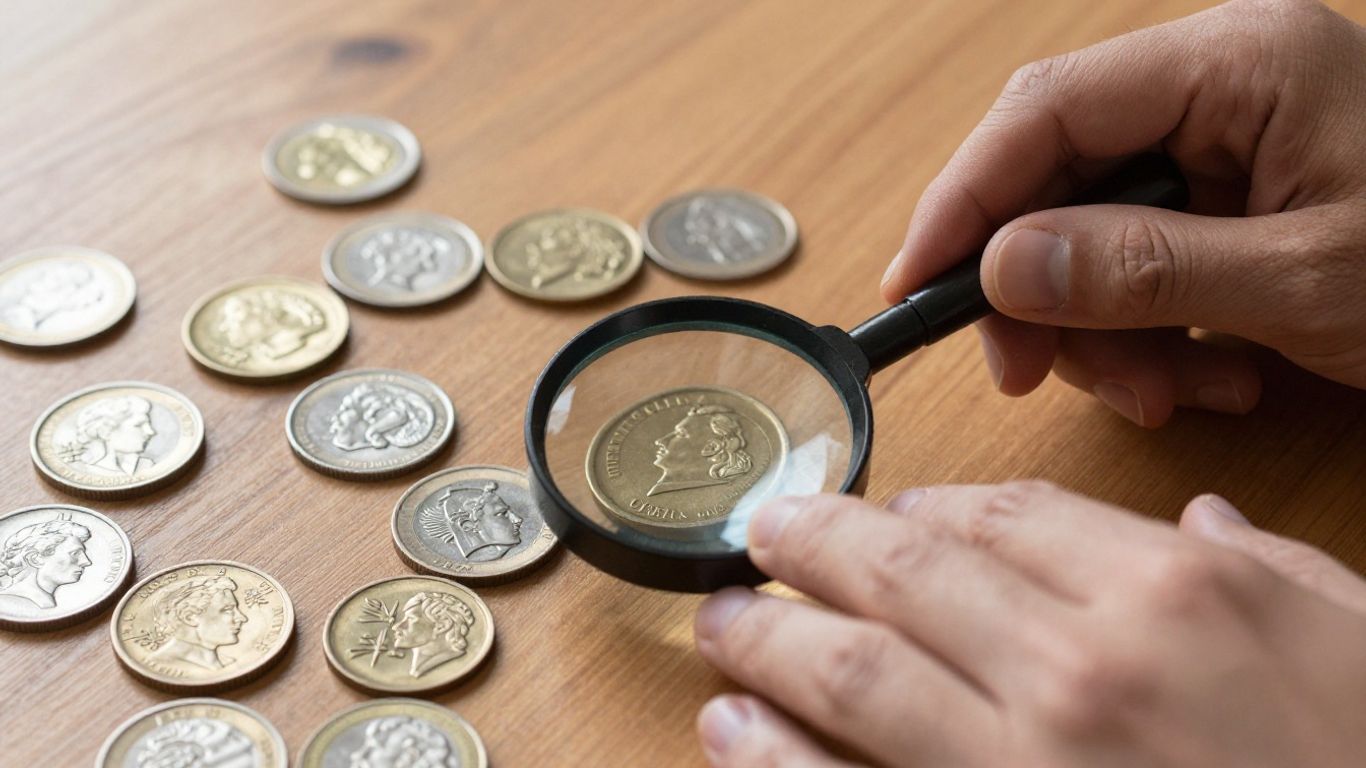
Venturing into the world of international coins can be incredibly rewarding. It’s like opening a history book, but instead of pages, you’re holding tangible pieces of different cultures and eras. From ancient Roman denarii to modern Chinese pandas, each coin tells a story. The key to enjoying this global journey is building trust and verifying authenticity at every step.
Researching World Coins and Their Provenance
When you start looking at coins from countries other than your own, things can get a bit more complex. You’re not just looking at the coin’s condition; you’re also trying to figure out where it came from and if it’s the real deal. This is where provenance, or the history of ownership, becomes really important. For example, knowing if a coin was part of a famous collection can add to its appeal and perceived value.
- Understand the Mint: Different countries have different mints, and knowing which mint produced the coin can tell you a lot about its quality and potential rarity.
- Look for Maker Marks: Some older coins might have small marks from the engraver or mint. These can be clues to authenticity.
- Check for Historical Context: Does the coin fit the time period and country it’s supposed to be from? Sometimes, a coin might look right but have details that are historically inaccurate.
Dealing with foreign coins means you need to be extra careful. It’s easy to get confused by different grading systems or even just the language on the coin. Doing your homework beforehand is a big help.
Trusting Grading Services for International Markets
Third-party grading services like PCGS and NGC are not just for U.S. coins. They have extensive experience with world coins too. When a foreign coin comes back graded and encapsulated by one of these reputable companies, it gives you a lot more confidence. It means experts have looked at it, confirmed its authenticity, and assigned a grade based on established standards. This is especially helpful when you’re buying from a dealer you don’t know well or from an online auction. You can often find these graded coins on sites like Global Coin.
Understanding Details Like Ray ID for Authenticity
Sometimes, specific identifiers or unique marks can help confirm a coin’s legitimacy, especially for modern issues or coins with special security features. While not every world coin will have something like a "Ray ID," the principle remains the same: look for verifiable details. This could be a specific die variety, a mint error that’s well-documented, or even a unique serial number on a modern bullion coin. Always try to find resources that discuss these specific details for the coins you’re interested in. It’s about gathering as much information as possible to make an informed decision. For collectors looking to expand their knowledge, resources on coin grading can be very beneficial.
Conclusion
Navigating the world of coin collecting and investing requires a careful approach, especially when dealing with coin dealers. By employing these verification methods, collectors can build confidence, protect their investments, and ensure that every transaction is both secure and rewarding. Remember, a little diligence goes a long way in preserving the integrity of your collection and the numismatic community as a whole.
Frequently Asked Questions
How can I tell if a coin dealer is real and not a scammer?
You can check if a dealer has a business license and belongs to groups for coin experts. Reading reviews from other buyers online also helps a lot. If they seem shady or their prices are way too high, be careful.
Why is it important to get coins graded by services like PCGS or NGC?
These services check if a coin is real and how good its condition is. They put the coin in a special case with a grade on it. This makes the coin more trustworthy and easier to sell later because people know what they’re getting.
What are some common warning signs when dealing with a coin dealer?
Watch out if a dealer charges way more than a coin is worth, doesn’t want to explain how they grade coins, or sells coins without proof they are real. These are big red flags.
Is it better to buy coins online or from a dealer in person?
Buying in person is great because you can see the coin before you pay for it. You also get to talk to the dealer face-to-face. Online buying is easy, but you need to be extra sure the website is safe and the dealer is trustworthy.
What does 'provenance' mean for a coin?
Provenance is like a coin’s history or background story. It tells you where the coin has been and who owned it before. A good history can make a coin more interesting and sometimes more valuable.
Can I use technology to help verify if a coin is real?
Yes, some tools can help. For example, special machines called XRF analyzers can check the metal in a coin to see if it’s the right stuff. Knowing the coin’s exact details, like its weight and size, also helps spot fakes.
What should I do if I'm not sure about a coin dealer's honesty?
If you have doubts, it’s best to walk away or do more research. Ask friends who collect coins for advice, or check with a coin club. It’s better to be safe than sorry when spending money on collectibles.
How do I make sure my online transactions with coin dealers are safe?
Always check that the website address starts with ‘https’ before you type in any personal details. Some sites ask you to complete a quick step to prove you’re a real person before you buy. This helps keep your information safe.