
Mastering secure coin packaging methods involves several key steps to ensure your valuable coins are protected from damage, loss, and tampering. Here are the most important points to remember:
Key Takeaways
- Always select the right packaging materials, including sturdy boxes, cushioning like bubble wrap, and strong packing tape.
- Proper pre-sale storage, especially in low-humidity environments, helps maintain coin condition.
- Shield coins with individual holders like flips or sleeves before placing them in larger boxes for shipping.
- Reinforce boxes with extra tape on corners and edges, and fill empty space to prevent items from moving.
- Clear labeling and proper sealing of packages are the final steps to ensure safe delivery.
Essential Materials For Secure Coin Packaging Methods
Protecting your coins when sending or storing them starts with picking the right materials. Each item plays a different part in safety and presentation. Below, we break down what you really need.
Selecting Appropriate Packaging Materials
- Use acid-free plastic flips or sleeves to avoid chemical reactions with the coin’s surface.
- Mylar or PVC-free flips are preferred for keeping coins from tarnishing.
- Soft cotton gloves prevent fingerprint marks and dirt transfers.
- For storage, coin albums made of inert materials add one more layer of shield.
Even something as basic as the wrong kind of flip or sleeve can lead to discoloration or wear, so double-check your inventory before packing up important coins.
The Role of Bubble Wrap and Cushioning
- Bubble wrap creates a barrier that shields coins from impact.
- Layering: Add at least two layers for extra shock absorption.
- Foam sheets can work in combo with bubble wrap for fragile or especially valuable coins.
- Peanuts or crumpled paper fill empty spaces so items won’t slide or bang around inside the box.
| Material | Main Benefit | Caution |
|---|---|---|
| Bubble Wrap | Shock absorption | Avoid over-tight wrapping |
| Foam Sheets | Extra cushioning | Not weather resistant |
| Packing Peanuts | Fill space, light | Can shift during movement |
| Cotton Gloves | Prevent fingerprints | Replace if soiled |
Choosing Sturdy Shipping Boxes
- A strong, crush-resistant box is your last line of defense.
- Choose a size that leaves just enough room for cushioning without making coins rattle.
- Double-walled cardboard boxes work best, especially for international or long-distance shipping.
If you’re still getting comfortable handling coins, basic handling tips like using a soft cloth or gloves really do make a difference in long-term preservation.
High-Quality Packing Tape Essentials
- Always choose heavy-duty packing tape—thin office tape isn’t enough.
- Reinforce all seams, corners, and any vulnerable joints on the shipping box.
- If possible, use tape that is also moisture-resistant, as this adds one more safeguard in wet weather.
- Reliable packing tape keeps the box sealed even under rough shipping conditions
- Look for tape at least 2 inches wide
- Don’t forget: tape over address labels protects critical information
Overall, paying attention to your packaging materials means coins arrive looking just as they did when they left. A few extra minutes checking the quality and type of supplies can stop problems before they start.
Protecting Coins During Pre-Sale Storage
Before you even think about shipping your coins, proper storage is key to keeping them in top condition. This isn’t just about preventing damage; it’s about preserving their appeal and value for potential buyers. Think of it as a holding period where you maintain the integrity of your collection.
Gentle Cleaning Techniques for Coins
When it comes to cleaning coins, less is definitely more. You want to remove any surface dust or grime without altering the coin’s natural appearance. Harsh chemicals or abrasive cloths can do more harm than good, potentially removing patina or creating micro-scratches that will be obvious to a discerning collector. For most common dust, a gentle puff of air or a very soft, lint-free brush is often sufficient. If a bit more is needed, a rinse with distilled water can help. Always test any cleaning method on a less valuable coin first to see how it reacts.
- Dust Removal: Use a soft brush or a can of compressed air (held at a distance). Avoid blowing with your mouth, as saliva can leave residue.
- Water Rinse: For light grime, a brief soak and gentle rinse in distilled water can be effective. Pat dry with a soft, lint-free cloth.
- Avoid Polishing: Never polish coins. This removes original surfaces and is a major red flag for collectors.
Utilizing Humidity-Controlled Storage
Humidity is the enemy of metal coins. High moisture levels can lead to toning, corrosion, or even more severe forms of damage over time. Keeping your coins in a stable, low-humidity environment is paramount. This might mean using a dehumidifier in the room where you store your coins, or investing in specialized storage containers that help regulate moisture.
Maintaining a consistent environment, ideally between 35-50% relative humidity, significantly slows down the degradation process and preserves the coin’s original state for sale.
Preserving Natural Toning on Silver Proofs
Silver proofs often develop a natural toning over time, which can be desirable to certain collectors. This toning is a result of chemical reactions with the environment. Aggressive cleaning or improper storage can strip away this toning, reducing the coin’s aesthetic appeal and market value. If your silver proofs have developed attractive toning, focus on storage methods that will preserve it. This means avoiding direct sunlight, which can accelerate unwanted reactions, and keeping them away from materials that might off-gas chemicals. For many collectors, these natural colors are a sign of age and authenticity, adding to the coin’s story. If you’re looking for ways to keep your digital assets secure, consider learning about Bitcoin cold storage as a parallel concept in asset protection.
- Store in inert materials like Mylar flips or inert plastic holders.
- Keep away from wood products or cardboard, which can emit harmful gases.
- Ensure good air circulation around the coins, but protect them from dust.
Proper pre-sale storage is an investment in the final sale price. It shows buyers you’ve taken care of your collection, building trust and confidence in your offerings. For those interested in digital assets, understanding secure storage methods like Bitcoin cold wallets can offer insights into the importance of offline protection.
Implementing Secure Coin Packaging Methods For Transit
Once your coins are prepped and ready to go, the next big step is getting them packed up so they can travel safely. This isn’t just about tossing them in a box; it’s about making sure they arrive at their destination looking just as good as when they left. Think of it as giving them a protective suit for their journey.
Shielding Coins with Flips and Mailers
Before anything goes into a bigger box, each coin, or small group of coins, needs its own personal space. This is where coin flips and specialized mailers come into play. Flips are usually made of plastic and come in various sizes to fit different coins. They keep individual coins from scratching against each other and offer a basic barrier. For more valuable items, you might want to look into sturdier, archival-quality flips that won’t degrade over time or harm the coin’s surface. Some mailers are designed specifically for coins, often with built-in padding or a rigid structure to prevent bending. Using these first layers is like putting on a seatbelt – it’s a fundamental safety measure.
Securing Wrapped Items with Packing Tape
After your coins are in their individual protective sleeves or flips, you’ll likely be grouping them together. This is where good packing tape becomes your best friend. You want to use a strong, high-quality tape that will actually stick and hold. Don’t skimp here; cheap tape can dry out, lose its stickiness, or even break during transit, which is the last thing you want. When you’re taping up bundles or smaller inner boxes, make sure you seal all the seams and edges thoroughly. A well-sealed package is less likely to open unexpectedly. For added security, consider wrapping the entire bundle or inner box a couple of times with the tape. This adds an extra layer of protection and makes it harder for anyone to tamper with the contents without it being obvious. If you’re sending multiple coins, you might want to group them into smaller, taped bundles before placing them into the main shipping container. This keeps things organized and adds a bit more stability.
Reinforcing Box Corners and Edges
Shipping boxes can take a beating. Corners and edges are especially vulnerable to impacts and tears. To combat this, you can add extra tape across these high-stress areas. Think of it like putting armor on the weakest points. This simple step can make a big difference in how well your package holds up. For very valuable or heavy shipments, you might even consider using cardboard corner protectors, which are specifically designed to shield these vulnerable spots. Another method that offers superior protection is double-boxing. This involves placing your securely wrapped coins in an inner sturdy box, which is then placed inside a slightly larger outer box. This double-boxing method provides an excellent buffer against shocks and impacts. It’s a bit more work, but for precious coins, it’s often worth the effort. The goal is to create a package that can withstand the bumps and jostles of transit, arriving intact. You want to make sure that whatever is inside stays put and isn’t rattling around, which could cause damage. Filling any empty space within the box with cushioning material, like packing peanuts or crumpled paper, is also a good idea to prevent items from shifting during shipping gold and silver.
The physical integrity of your coin package during transit is paramount. It’s not just about preventing damage; it’s about maintaining the perceived value and condition that buyers expect. A package that arrives looking like it’s been through a war zone can cast doubt on the contents, regardless of how well the coins were actually protected inside. Therefore, paying close attention to the structural security of the outer packaging is just as important as the inner protection for the coins themselves.
Verification Steps For Authentic Coin Packaging
Verifying that your coin packaging is genuine is not just about peace of mind—it’s the first defense against counterfeits slipping into your collection or making their way to a new buyer. Start simple: always check the weight and magnetism. For instance, if you have a Morgan Silver Dollar, it should tip the scale at exactly 26.73 grams; any deviation is a red flag. Also, real silver doesn’t respond to magnets, so running one near your coin can weed out fakes fast.
If you’re buying or selling, photographing the coin and its packaging when received creates a record you may need later—and it’s OK to jot down a quick description for your files. If something ever looks or feels wrong, don’t shrug it off.
- Use a digital scale for precise weight.
- Try the magnet test for instant results.
- Record images of coins and packaging right away.
Taking these simple steps each time you handle or ship coins cuts down on surprises and keeps your collection safe.
The Importance of Third-Party Grading Slabs
For higher-value or rare coins, basic checks might not be enough—this is where third-party grading slabs come in. Professional services like NGC and PCGS seal coins in tamper-proof holders, making it very tough for anyone to switch coins or alter packaging. These slabs aren’t just about looks; they lock in third-party authentication, which can boost a coin’s resale speed by 35%.
Here’s a look at how different slab types compare:
| Grading Company | Tamper-Proof? | Adds Market Value? | Serial Number Tracing |
|---|---|---|---|
| NGC | Yes | Yes | Yes |
| PCGS | Yes | Yes | Yes |
| ICG | Yes | Sometimes | Yes |
A coin in a recognized slab draws more trust, plain and simple. If you’re serious about buying or selling, stick with slabs for anything beyond simple bulk pieces. If your packaging comes with an authenticity certificate, keep that paperwork safe too.
Leveraging Digital Tools for Anomaly Detection
Digital tools are changing how collectors protect themselves. Simple smartphone apps now use AI to scan coins and packaging for signs of tampering, like mismatched engravings or unusual marks. Some platforms also offer blockchain verification, but for most, using apps or image search is enough.
- Scan QR codes on slabs to check registration.
- Use AI apps to compare coin engravings with verified examples.
- Keep an electronic record of coin numbers and detail photos.
If you find any mismatch or the app raises flags, pause your transaction and consult a professional.
The best collectors are cautious and curious—they check details twice, stay updated on new scams, and don’t skip digital tools when something feels off.
Advanced Techniques in Secure Coin Packaging
Beyond the basics, there are some more involved ways to package coins that can really make a difference, especially if you’re dealing with valuable collections or preparing for a significant sale. It’s about adding layers of protection and presentation that speak to the seriousness of your collection.
Strategic Bundling for Increased Value
Sometimes, grouping certain coins together can make them more appealing to buyers than selling them individually. Think about coins from the same year, mint, or a specific series. This can create a narrative and a sense of completeness that drives up perceived value. For instance, a complete set of uncirculated Lincoln cents from a particular decade might fetch more as a bundle than each coin sold separately. It’s a bit like selling a matched set of jewelry; the synergy is often greater than the sum of its parts. When bundling, make sure each coin is individually protected within the bundle, perhaps in small, clear sleeves, before the entire group is secured.
Timing Sales for Optimal Market Conditions
This might not seem like a direct packaging technique, but it’s closely related. Knowing when to sell can significantly impact the price you get, and presenting your coins well is part of that. If you’re selling a rare coin, researching market trends and historical demand can help you pick the best time. A well-packaged item, ready to go, makes it easier to act quickly when the market feels right. Consider that the market for certain numismatic items can fluctuate based on events or even seasons. Being prepared with your packaging means you can capitalize on these opportunities without delay. This preparation is key to securing your assets.
Innovative Trade-In Options for Coins
This is a more forward-thinking approach, often seen in larger dealerships but adaptable for serious collectors. Instead of just selling outright, consider offering trade-in options for other coins or even related collectibles. This requires a robust system for evaluating incoming items and, of course, secure packaging for both outgoing and incoming goods. If you’re accepting coins in trade, you’ll need the same level of care in packaging them as you would for a sale. This can build customer loyalty and expand your collection simultaneously. It’s a way to keep capital circulating within the collecting community and can be a smart move for long-term collection building. For those dealing with digital assets alongside physical ones, understanding how to protect both is important, as discussed in cryptocurrency protection strategies.
When considering advanced packaging, think about the buyer’s perspective. What would impress a serious collector? It’s often the attention to detail, the clear protection, and the sense that the item has been handled with respect. This goes beyond just preventing damage; it’s about presentation and building confidence in the item’s authenticity and condition.
Addressing Concerns in Coin Sales and Packaging
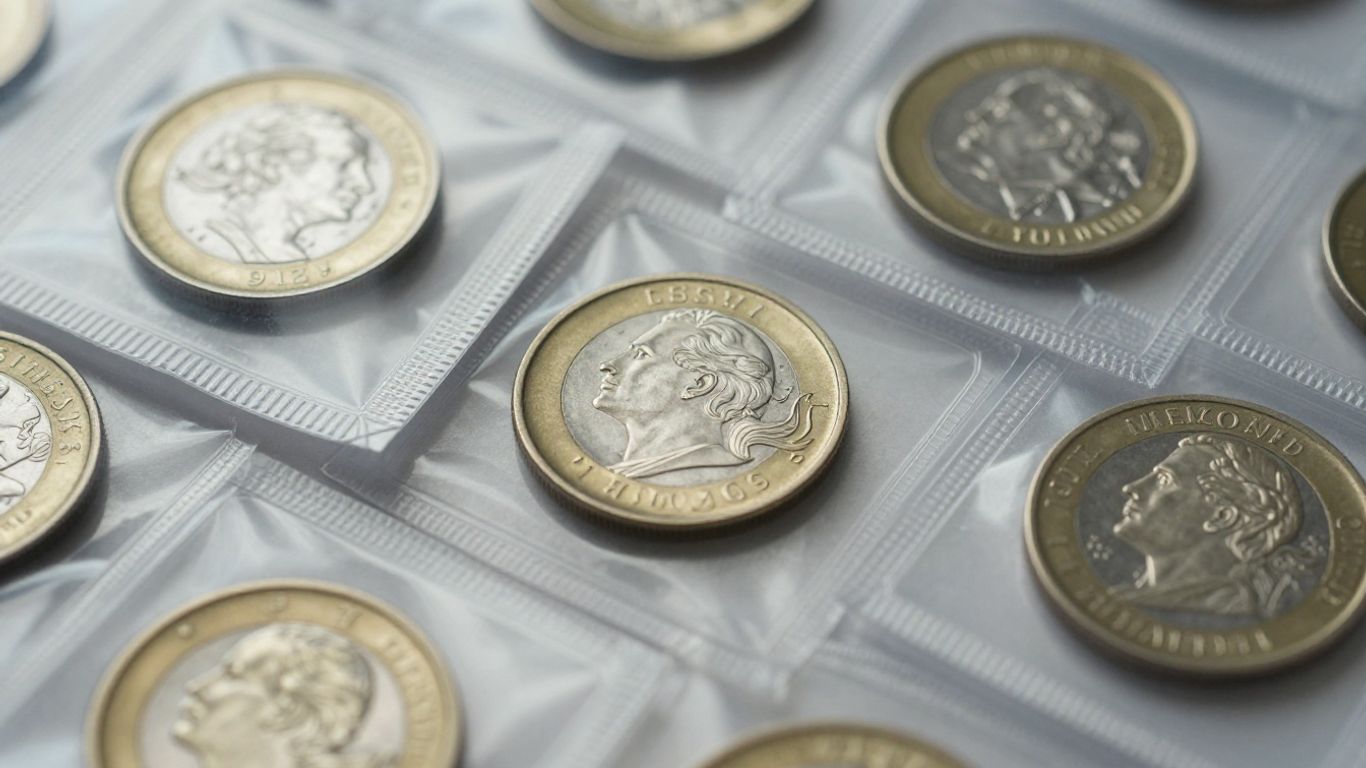
Even with careful packaging, coin sellers often run into a few problems they didn’t expect. No one wants a lowball offer, and dealing with damaged coins or treasured pieces can be stressful. Learning how to address these issues head-on will help your sales go smoothly and keep your mind at ease.
Avoiding Lowball Offers Through Verification
- Always research potential buyers by looking up their credentials. Services like the Better Business Bureau can quickly filter out questionable offers.
- If you’re selling higher-value pieces, stick to buyers that use third-party coin grading slabs, such as NGC or PCGS. These add instant credibility.
- Get several offers to compare, especially when selling premium items or collections.
| Method | Effectiveness | Notes |
|---|---|---|
| BBB Check | High | Catches most untrustworthy buyers |
| Third-Party Slabs | Very High | Almost impossible to fake |
| Multiple Quotes | Moderate | Protects against underpricing |
It’s normal to worry about low offers, but strong documentation and background checks can keep your transaction fair. You’re in charge of accepting or rejecting any sale.
Handling Damaged Silver Coin Sets
Not every coin set will be perfect, but there’s no need to panic when you find damage.
- Don’t throw out damaged coins. Even defective sets have melt value, usually $25–$40 per set, depending on silver content.
- Sometimes, a gentle cleaning or professional restoration can boost value by 10–20%.
- Consider trading damaged coins for custom-crafted jewelry or unique artifacts if resale isn’t an option.
- Documentation, such as original packaging or certificates, can still add value even if slightly worn (collectible coin packaging value).
Emotional Barriers in Selling Heirlooms
Letting go of family coins isn’t just about the money; it often feels like saying goodbye to memories. Here’s what helps:
- Consider partial sales or trade-ins—this lets you keep a small piece of a collection to remember by.
- Redesigning a coin into jewelry can honor the past while creating something wearable.
- Compile a story, with photos and notes, to pass down if you decide to sell.
Selling an heirloom doesn’t erase memories—it just opens the door to new experiences and possibilities, whether it’s an upgrade or a fresh start.
If you’re looking for more background on why keeping coins in their original packaging matters for resale value, see the importance of original packaging for gold coins.
Finalizing Secure Coin Packaging: Sealing and Labeling
Getting to the final steps of coin packaging is about more than just tossing some tape on a box. The way you seal and label your package can make the difference between a flawless delivery and a disappointing outcome. It’s the last line of defense against accidental opening, moisture, or handling mishaps. Taking a little extra time here shows care to the recipient—and protects your coins during the last leg of transit.
Properly Sealing Shipping Boxes
Sealing is where things can really go wrong if not done carefully. Here’s what you want to keep in mind:
- Use high-quality packing tape—at least 50mm wide, reinforced if possible. Don’t use masking tape or duct tape; they just don’t hold up.
- Secure all seams, especially the center and any exposed edges. Run strips along each joint and double-tape the bottom, which takes the most stress in transit.
- Add extra protection with tamper-evident tape or security labels. If the seal is broken or altered, any tampering will be obvious thanks to products like special tamper-indicating adhesives.
| Tape Type | Suggested Usage | Security Level |
|---|---|---|
| Standard Packing Tape | Sealing seams | Basic |
| Reinforced Shipping Tape | Box corners, heavy boxes | Higher |
| Tamper-Evident Tape | Final exterior seam | Maximum |
Spending those extra moments with quality tape and smart placement means you won’t worry about the box popping open or unnoticed tampering.
Clear and Visible Package Labeling
Labeling isn’t just for looks—it tells the handlers what’s inside and makes sure it ends up at the right address. Here’s a simple order:
- Write addresses clearly, ideally printed for accuracy. Include sender and receiver info in large, legible print.
- Use “FRAGILE” and "Handle with Care" warnings on multiple sides of the package.
- Protect address labels using clear tape to prevent smudging or weather damage.
If documentation is required, like a customs declaration, it should be visible and easy for carriers to locate. Doing this can actually speed up delivery and help avoid misplacement or confusion in the handling process.
Attaching Necessary Shipping Documentation
Every carrier handles paperwork a little differently, but a few rules always apply:
- Attach shipping or insurance forms in a clear, waterproof pouch.
- Place customs or content declarations securely on the outer face—never bury forms inside.
- Double-check that barcodes or tracking numbers remain scannable after taping.
If you want to be extra cautious, consider scanning your documents before shipping, so there’s always a record if something vanishes in transit. For more specific recommendations on things like tape standards and sealing techniques, check out secure shipment packaging guidelines.
Going the extra mile with how you finish the package shows that protecting the coin set matters to you and builds trust with buyers or recipients. They’ll notice the thoughtful details—and so will anyone handling the box along the way.
Ensuring Coin Integrity with Additional Protections
Beyond the basic packaging, a few extra steps can really make a difference in keeping your coins safe. Think of it like adding a little extra armor to an already strong suit. It’s about being thorough and anticipating any bumps along the way.
Using Cardboard Corner Protectors
These might seem small, but cardboard corner protectors are surprisingly effective. They’re designed to fit snugly onto the corners of your shipping box, giving them a bit more rigidity. This is especially helpful if your package might get stacked or jostled during transit. They help prevent the corners from getting crushed, which can sometimes compromise the entire box structure. It’s a simple addition that adds a noticeable layer of defense.
Creating Cardboard Slipcases for Unframed Items
For coins that aren’t in rigid third-party grading slabs, a custom cardboard slipcase can be a great idea. You can make these yourself or find pre-made ones. They essentially create a snug sleeve for the coin’s individual packaging, like a flip or a soft holder. This adds another barrier against scratches or bending, and it also makes the item easier to handle and inventory. It’s a neat way to present unframed coins while still giving them that extra bit of protection. For more on secure packaging, check out individual coin protection.
Filling Empty Space to Prevent Shifting
This is a big one. When you pack your coins into a box, any empty space is an invitation for trouble. Coins can shift around, bang against each other, or even get damaged if they have too much room to move. You want your package to feel solid, like everything is snug and secure. Here are some ways to fill that void:
- Packing Peanuts: These are lightweight and fill up space well, but they can sometimes shift themselves. It’s best to use them in conjunction with other methods.
- Crumpled Paper: Plain packing paper, newspaper, or even kraft paper can be crumpled up to fill gaps. It’s a cost-effective option.
- Bubble Wrap: Larger pieces of bubble wrap can be used to fill larger voids, providing both cushioning and space-filling.
- Foam Inserts: For higher-value collections, custom-cut foam inserts offer the most secure fit, holding each coin or package in place.
The goal here is to create a package where nothing moves. When you shake the box gently, you shouldn’t hear or feel anything sliding around inside. This stability is key to preventing damage during the unpredictable journey from sender to receiver. It’s a detail that shows you care about the condition of the coins you’re sending.
By adding these extra layers of protection, you significantly increase the chances that your coins will arrive in the same condition they left. It’s a proactive approach that builds confidence for both you and the recipient, and it’s a hallmark of professional coin handling. Leading mints are also investing in advanced security features to combat counterfeits, which is another layer of protection for the entire market. Learn about mint security.
Building Trust Through Secure Coin Packaging Methods
Credential Checks for Buyers and Sellers
When you’re getting ready to sell coins, especially valuable ones, it’s not just about how well you pack them. It’s also about who you’re selling to and who you’re buying from. Making sure the other person is legit is a big part of keeping things safe and building confidence. For buyers, checking out a seller’s reputation is smart. Look for feedback on platforms, see if they have a business license, or if they’re part of any coin dealer associations. This helps avoid dealing with folks who might try to pull a fast one. On the flip side, if you’re the seller, you want to know your buyer is serious and won’t back out or claim something went wrong later. Verifying credentials, like checking business ratings through the Better Business Bureau, can really cut down on potential problems. It’s a simple step that goes a long way in making sure the transaction feels secure for everyone involved.
The Role of Guarantees in Transactions
Guarantees are like a safety net for both the buyer and the seller. For the buyer, a guarantee means that if the coin isn’t as described, or if something happens to it during shipping, they have recourse. This could be a money-back guarantee, a promise of replacement, or a commitment to resolve issues. It makes them feel more comfortable spending their money. For sellers, offering a guarantee can set you apart from others. It shows you stand by your product and your packaging. It can also help justify your pricing, as buyers know they’re getting a certain level of protection. Think about offering a satisfaction guarantee, perhaps for a limited time after delivery. This kind of promise can really make a buyer feel more secure about their purchase, and it shows you’re confident in the quality of your coins and how you’ve prepared them for their journey. It’s a way to show you care about the whole process, not just the sale itself.
Ethical Practices in Coin Sales
Being ethical in the coin business means being honest and fair in every step. This starts with accurate descriptions of your coins. If a coin has been cleaned, or has a minor flaw, it’s important to mention it upfront. Don’t try to hide anything. This honesty builds a reputation for trustworthiness, which is priceless in the long run. It also means pricing your coins fairly. While you want to get a good price, being greedy or trying to take advantage of someone’s lack of knowledge can backfire. Ethical sellers also respect the buyer’s right to inspect the item and are transparent about their return policies. When it comes to packaging, ethical practices mean using appropriate materials to protect the coin, just as we’ve discussed throughout this article. It’s about respecting the item and the person who is buying it. Ultimately, building a strong reputation on ethical practices means that people will trust you, come back for more business, and recommend you to others. It’s a win-win situation for everyone involved in the coin collecting community. Remember, a good reputation is built over time, one honest transaction at a time, and secure packaging is a big part of that.
Conclusion
Taking the time to properly package your coins is more than just a step in the selling process; it’s a vital part of protecting your investment and building trust with buyers. By using the right materials, employing careful techniques for both storage and shipping, and understanding verification steps, you can significantly reduce risks and ensure your coins arrive safely. Remember, secure coin packaging methods are a hallmark of a professional and trustworthy seller. It shows you care about the items you’re selling and the people you’re selling to, which ultimately leads to more successful transactions and a better reputation in the long run.
Frequently Asked Questions
What's the best way to wrap a single coin before putting it in a box?
For a single coin, you can put it in a small plastic flip or a soft pouch. Then, wrap that in a bit of bubble wrap. This gives it a soft cushion so it doesn’t get scratched or banged around inside the bigger package.
Do I really need special boxes for shipping coins?
You don’t necessarily need boxes made *just* for coins, but you do need strong ones. Think about a sturdy cardboard box that’s not too big. It should be just right so the coins don’t slide around too much, but not so tight that you can’t add padding.
What if I'm selling a whole set of coins?
If you have a set, it’s best to keep them together if they came that way. You could put them in a coin album or a special case first. Then, wrap the whole set in bubble wrap and place it in a sturdy box. Make sure there’s no extra room for them to move.
How much bubble wrap should I use?
It’s better to use more than less! Wrap the coins or coin sets with at least two layers of bubble wrap. Make sure the bubbles are touching the coins. This helps absorb bumps and shakes during shipping.
Is packing tape really that important?
Yes, it’s super important! Use strong packing tape, not the kind you use for gifts. Tape all the seams and edges of the box really well. This stops the box from opening up by accident and keeps moisture out.
What should I write on the package?
You should write the address clearly. It’s also a good idea to write ‘Fragile’ or ‘Handle with Care’ on a few sides of the box. This tells people who handle the package that there’s something delicate inside.
Can I reuse old shipping boxes?
It’s usually best to use new or like-new boxes. Old boxes can be weak or have hidden damage. If you do reuse a box, make sure it’s really strong and doesn’t have any rips or crushed corners. Add extra tape to be safe.
What's the biggest mistake people make when packaging coins?
A common mistake is not using enough padding or not sealing the box properly. Coins can get damaged if they move around too much or if the box breaks open. Taking a little extra time to pack well makes a big difference.