
When you’re looking to invest in precious metals, you’ll quickly run into two main categories: bullion and numismatic items. It can get a bit confusing, especially when you start looking at prices. Understanding the difference between bullion versus numismatic spreads is key to making smart choices. This article breaks down what those terms mean and how they affect your investment.
Key Takeaways
- Bullion’s value comes from its metal content, with prices closely following the spot price of gold or silver, plus a small premium. Numismatics, however, derive value from rarity, historical significance, condition, and collector demand, often resulting in much higher premiums.
- Investors often choose bullion for its simplicity, transparency, and lower transaction costs. Its pricing is straightforward, and it generally offers better liquidity for resale.
- Numismatic coins appeal to collectors for their unique stories, historical importance, and potential for significant appreciation beyond the metal’s value. They offer the thrill of owning a piece of history.
- Premiums are the extra cost paid above the spot price, while dealer spreads represent the difference between a dealer’s buy and sell prices. Both affect your break-even point and overall profitability.
- Understanding product types, market conditions, and dealer pricing models is vital. Generic bullion often has tighter spreads, while popular coins and silver products can have wider percentage spreads. Always compare prices and consider trusted dealers.
Understanding Bullion Versus Numismatic Spreads
Defining Bullion: Value in Metal Content
Bullion products—like gold bars and most modern coins—are all about the worth of the metal itself. You pay primarily for their weight and purity. These coins and bars closely follow the spot price of their metal, so changes in the global market instantly show up in their value. For example, a 1 oz gold bar’s price typically equals the spot price of gold, plus a small premium to cover the dealer’s markup and manufacturing costs.
Bullion’s appeal is about simplicity: you get what you see—gold, silver, or platinum—at rates that track the market.
Defining Numismatics: Value in Story and Scarcity
Numismatic coins take a different path. Their value goes beyond their metal content and dives into what makes them unique. Numismatics include historic coins, rare mintages, commemoratives, coins with special conditions, and pieces collectors crave. Here, factors like rarity, demand, mint errors, or a coin’s back story can boost its price far above its melt value.
Numismatic pricing is more unpredictable. These coins carry hefty premiums—sometimes multiple times the actual gold or silver value.
Typical Price Differences (Example)
| Product Type | Spot Price | Dealer Sell Price | Premium Over Spot |
|---|---|---|---|
| 1 oz Gold Bar | $2,000 | $2,050 | $50 (2.5%) |
| Rare Gold Coin | $2,000 | $3,000 | $1,000 (50%) |
The Core Difference: Metal Versus Narrative
Bullion’s price is mostly about the metal weight. Numismatics, meanwhile, are about the story and exclusivity. This creates entirely different spread structures:
- Bullion spreads are tight (a few percent at most), making them easy to trade or liquidate.
- Numismatic spreads are wide and can swing a lot, depending on market mood and collector interest.
- Bullion is favored for stability, while numismatics are often for those with a passion for history or the thrill of chasing hidden gems.
Choosing between bullion and numismatics really means asking yourself: Am I buying metal or a piece of history? Each has its own risks, rewards, and costs that can impact your bottom line more than you’d expect.
Why Investors Choose Bullion
Simplicity and Transparency in Pricing
When you’re looking at bullion, the price is pretty straightforward. It’s mostly tied to the current market price of the metal itself, often called the "spot price." This makes it easy to see what you’re paying for and what you’re getting. You’re not really paying for a story or a specific year; you’re paying for the gold or silver content. This transparency is a big draw for investors who want to know exactly where their money is going.
- Value is directly linked to the metal’s market price.
- Premiums over spot are generally low and predictable.
- Pricing is easily verifiable across multiple sources.
Minimizing Premiums and Transaction Costs
Compared to collectible coins, bullion usually has much smaller markups, or "premiums," over the spot price. This means more of your investment goes directly into the precious metal itself, rather than into the dealer’s profit margin or the coin’s collectible status. Lower premiums mean you need less of a price increase in the metal to break even or make a profit. It’s a more efficient way to gain exposure to precious metals if your main goal is wealth preservation or hedging against inflation.
Bullion’s appeal lies in its direct correlation to the underlying metal’s value, minimizing extraneous costs that can eat into potential returns.
Liquidity and Ease of Resale
One of the biggest advantages of bullion is how easy it is to sell. There’s a massive global market for gold bars and common bullion coins like American Eagles or Canadian Maple Leafs. When you decide to sell, you can typically find a buyer quickly, often through the same dealers you bought from. This high liquidity means you can convert your investment back into cash relatively easily if needed, without a significant loss in value due to the selling process itself.
The Appeal of Numismatic Coins
Rarity, Historical Significance, and Condition
Numismatic coins are special because they offer more than just their metal weight. Their value comes from a mix of factors that make them interesting to collectors. Think about old coins, maybe from before the 1970s, that aren’t made anymore. These coins are limited in number, and as time goes on, some get lost or damaged, making the ones left even rarer. This scarcity is a big reason why their prices can go up, separate from the price of gold or silver itself.
Beyond just being old, the story behind a coin matters. Was it minted during a significant historical event? Does it feature a famous person or a unique design? These details add layers of interest. The condition of the coin is also super important. A coin that’s been well-preserved, with clear details and no major scratches, will always be worth more than one that’s seen better days. Grading services help assess this condition, giving collectors a standardized way to compare coins.
Collector Demand and Potential for Appreciation
When a coin has a compelling story, is hard to find, and is in great shape, collectors take notice. This demand from people who want to own that specific piece of history can drive prices up. It’s not just about the gold or silver content anymore; it’s about the coin as an object of desire. This collector interest can lead to appreciation that goes beyond what the metal market alone would dictate. For example, certain years or types of coins might become highly sought after, causing their premiums to climb significantly over time, regardless of whether gold prices are soaring or dipping.
The Thrill of the Hunt and Owning History
For many, collecting numismatic coins is about more than just potential profit. There’s a real excitement in searching for that perfect coin, the one with a low mintage or a unique characteristic that speaks to you. It’s like a treasure hunt. Owning these coins means holding a tangible piece of the past. They have a narrative, a connection to historical moments or figures that a simple gold bar just can’t provide. It’s a way to connect with history on a personal level, making the investment feel more like a passion project.
The numismatic market can be a bit more complex than bullion. Value can be subjective, and selling might take longer because you need to find another collector who wants that exact coin. It’s a different kind of investment, one that often blends financial goals with personal interest and a love for history.
Analyzing Premiums and Spreads
When you look at the price of gold or silver, you’ll notice it’s usually higher than the current market price, often called the ‘spot price’. This difference is made up of two main parts: the premium and the dealer spread. Understanding these is key to knowing what you’re actually paying for your investment.
What is a Premium on Gold and Silver?
The premium is essentially the extra cost added to the spot price. Think of it as covering the expenses involved in turning raw metal into a sellable product. This includes things like minting costs, fabrication, secure packaging, shipping, and insurance. It also accounts for dealer operations, like inventory risk and hedging. Sometimes, market demand plays a big role too; popular items or those in short supply can see higher premiums. For instance, a government-minted coin might have a higher premium than a generic bar because of its brand recognition and perceived security.
Understanding Dealer Spreads
The dealer spread is the difference between the price a dealer will sell you a product for (their ‘ask’ price) and the price they will buy it back from you for (their ‘bid’ price). This spread is how the dealer makes their profit on the transaction. It’s a crucial number for investors because it represents your round-trip cost if you were to buy and sell the item almost immediately. A wider spread means a higher cost to you over time. For example, if gold is at $2,000/oz, a dealer might sell you a coin for $2,120 but buy it back for $1,980. That $140 difference is the spread.
Factors Influencing Premiums and Spreads
Several things can affect how high premiums and spreads are. The type of product matters a lot. Generic gold bars usually have the tightest spreads, while popular gold coins might have slightly wider ones. Silver products, because they have a lower price per ounce, often show wider percentage spreads due to handling and shipping costs making up a larger portion of the price. Numismatic coins, which have value beyond their metal content due to rarity and historical appeal, can carry significantly higher premiums. The size of your order and how you pay can also influence pricing; larger orders and bank wire payments often get better rates. Market conditions are also a huge factor. During times of uncertainty or high demand, premiums can shoot up dramatically. Tariffs and international trade policies can also increase costs, pushing premiums higher, especially for imported items. It’s worth comparing buy-back prices as well as sell prices when you’re looking to invest, not just focusing on the initial premium.
It’s easy to get caught up in the spot price, but that’s rarely what you’ll pay or receive. Always factor in the premium and the dealer’s spread to get a true picture of your investment cost and potential return.
Here’s a general idea of how spreads can vary:
- Generic 1 oz Gold Bars: Typically have the tightest spreads, often in the low single-digit percentage range.
- Popular 1 oz Gold Coins: Usually see slightly wider spreads, commonly in the mid-to-high single-digit percentage range.
- Silver Bars and Rounds: Tend to have wider percentage spreads, often in the mid-single-digit to low double-digit range.
- Numismatic Coins: Can have much wider and more variable spreads due to their unique nature and collector demand.
Navigating Dealer Pricing Models
When you’re looking to buy gold or silver, you’ll notice that prices aren’t just based on the current market price of the metal. Dealers have their own ways of setting prices, and understanding these models is key to getting a fair deal. It’s not just about the headline number; there’s more to it.
Online Dealers Versus Local Coin Shops
Online dealers often have lower overhead costs, like rent and fewer staff, which can sometimes translate into slightly lower prices for common items like gold bars or silver rounds. They can move a lot of product quickly. Local coin shops, on the other hand, might have a bit higher prices. But, they offer the chance to see the product in person, get your items right away, and they can be easier to deal with if you have a mix of items or smaller amounts to sell back later.
The Impact of Scale and Overhead
Think about it: a big online operation can buy in massive quantities, which usually gets them better prices from the refiners. They also spread their operating costs, like website maintenance and marketing, across a huge volume of sales. This scale often allows them to offer tighter spreads and lower premiums on popular items. A smaller local shop doesn’t have that same volume, so their costs per ounce might be higher, and they might need a slightly wider margin to stay in business.
Evaluating Buy-Back Prices
Don’t just look at what a dealer charges to sell you something. It’s just as important to see what they’ll pay you when you want to sell it back. This difference between their selling price (ask) and their buying price (bid) is the dealer’s spread. A wider spread means you’re paying more over time if you buy and sell frequently. Some dealers might have a slightly higher selling price but offer a better buy-back price, which could actually be more cost-effective in the long run. It’s about the total cost of doing business with them.
Here’s a simple way to think about it:
- Ask Price: What the dealer sells the item to you for.
- Bid Price: What the dealer will buy the item back from you for.
- Spread: The difference between the Ask and Bid price. This is the dealer’s profit margin.
Understanding the dealer’s spread is like knowing the hidden fee in a transaction. It’s the cost of doing business with that specific dealer, and it can significantly impact your overall returns, especially if you plan to buy and sell multiple times.
Calculating Your Break-Even Point
Knowing your true break-even point is more than just looking at metal prices—it’s about figuring out the total cost to buy and what you’d actually get if you sold right now. Many people miss the actual profit and loss by forgetting the impact of premiums and spreads. Here’s how you get a realistic view before putting any money down.
The Role of Spot Price
The spot price is the quoted price for immediate delivery, the baseline number you’ll see everywhere. But you’re almost never buying or selling exactly at spot. All purchases come at a price above spot and all sales are usually below it.
- Spot price acts as the reference for both bullion and numismatic coins.
- Your transaction price is determined by how much above (when buying) or below (when selling) this spot price the actual deal is.
- Tracking spot prices is useful for timing purchases but isn’t the only factor in real-world deals.
Incorporating Premiums and Spreads
Premiums and spreads are what separate your price from the spot quote. If you want to understand your investment, you need to lay out all these costs together. Here’s a simple example:
| Product | Spot Price | Buy Price (Premium) | Dealer Buy-Back Price | Spread |
|---|---|---|---|---|
| 1 oz Gold Coin | $2,000 | $2,080 (+$80) | $1,950 (-$50) | $130 |
| Silver Round | $25 | $30 (+$5) | $23 (-$2) | $7 |
- Premium: The extra cost above spot when you buy.
- Spread: The gap between what you pay the dealer and what they’ll pay you if you sold right back.
These add up and could easily take a chunk out of your profits, especially if you sell soon after buying.
Assessing Long-Term Profitability
It takes a bit of planning to see if you’ll come out ahead in the long run. To reach break-even, you need:
- The metal price to rise enough to cover both your premium and spread.
- Time in the market; quick flipping isn’t usually profitable with high premiums.
- Awareness of changing spread conditions during hot or panic-driven markets, where costs can widen further.
Many buyers walk away a little surprised when they see what their coins are actually worth during a sale—often realizing that the road to profits is a bit longer than they first pictured.
In short, your break-even point is not just about the gold or silver price going up. It only comes after you recoup both your upfront premium and the dealer spread. Stay sharp, keep an eye on spreads in real-time, and don’t overlook those hidden costs—it makes all the difference.
Product Types and Their Spreads
When you start looking at actual gold and silver products, you’ll notice that the prices aren’t just based on the metal’s current market value. There’s a difference, and it often comes down to the type of product you’re buying. Think of it like buying a plain t-shirt versus a designer one – both are shirts, but the price tag tells a different story.
Generic Gold Bars and Their Tight Spreads
These are your straightforward, no-frills gold products. We’re talking about bars from reputable refiners, often stamped with their logo and weight. Because they’re valued purely for their gold content and are produced in large quantities, the difference between what a dealer buys them for and what they sell them for tends to be quite small. You’ll often see these with premiums in the low single-digit percentages over the spot price. This makes them a popular choice for investors who want to hold physical gold with minimal extra cost.
Popular Gold Coins and Moderate Premiums
Coins like the American Gold Eagle or the Canadian Maple Leaf are a bit different. They have a recognized name, a history, and often some security features that make them more appealing than a plain bar. This added appeal means dealers can charge a bit more, and buyers are often willing to pay it. The premiums here are usually in the mid-to-high single-digit percentage range. While the premium is higher than on generic bars, these coins can sometimes be easier to sell later on, potentially leading to a better overall spread when you factor in both buying and selling.
Silver Products and Wider Percentage Spreads
Silver is where things can get a bit more interesting, especially when you look at the percentage. Because silver is much cheaper per ounce than gold, the fixed costs associated with making, packaging, and selling a silver product take up a larger chunk of the price. So, even for simple silver rounds or bars, you might see premiums that are in the mid-to-high single digits, and sometimes even into the double digits. Government-minted silver coins, while often more recognizable and easier to resell, can carry even higher premiums. It’s not uncommon for silver products to have wider percentage spreads compared to gold, simply due to the lower dollar value of the metal itself.
Here’s a general idea of what to expect, though remember these are just typical ranges and can change:
- Generic Gold Bars (1 oz): Low single-digit percentage premiums.
- Popular Gold Coins (1 oz): Mid-to-high single-digit percentage premiums.
- Silver Bars/Rounds (1 oz): Mid-to-high single-digit or low double-digit percentage premiums.
- Government Silver Coins (1 oz): Often higher premiums than generic silver, but potentially better resale.
When you’re comparing prices, don’t just look at the sticker price. Always ask yourself what the spot price is, what the premium is, and what the dealer would pay you back. That buy-sell difference, the spread, is what really tells you the cost of doing business with that dealer for that specific product. It’s the hidden cost that can eat into your profits if you’re not paying attention.
Market Conditions and Spread Volatility
Market conditions can change everything about bullion and numismatic spreads, from the premiums you pay to the price you’ll get selling back to a dealer. Understanding what causes these shifts will help you avoid mistakes and make more thoughtful decisions in any precious metal market environment.
Impact of Supply Shortages on Premiums
When the market runs low on certain coins or bars, premiums can shoot up quickly. It’s not just about the metal—it’s meeting the demand when everybody wants the same product. Here’s what supply constraints can mean for your wallet:
- Domestic coins often become more popular and pricier when imports slow down due to tariffs or logistics issues.
- Dealers may ration certain items or limit orders to spread limited stock among more customers.
- Popular products, like one-ounce silver coins, can see double-digit percentage premiums over spot during a squeeze.
A tight supply means you’ll pay even more above spot price, making timing and product choice more important than ever.
| Product Type | Calm Market Premium | Shortage Premium |
|---|---|---|
| 1 oz Generic Gold Bar | 2-4% | 5-10% |
| Popular 1 oz Gold Coin | 4-8% | 10-15% |
| 1 oz Silver Coin (Eagle, etc) | 10-15% | 20-30%+ |
In some years, dealers ran out of entry-level bullion, prompting customers to wait weeks for delivery while prices soared above spot. It’s a good reminder to research before peak buying periods.
Inflation Surges and Premium Elevation
Periods of high inflation tend to drive more people toward precious metals, especially gold and silver. As more investors race to buy, dealers face rising demand and may increase premiums—even if the underlying spot price is steady.
Factors leading to higher premiums during inflation spikes:
- Increased demand for physical delivery over paper gold.
- Dealer inventory turnover happens faster, so they hedge with higher margins.
- Wider spreads appear, as shops protect against falling or rising prices.
Buying during these surges might mean a larger gap between what you pay and what you get if you resell soon.
Navigating Panic Periods and Emotional Buys
During economic scares—think banking crises, market shocks, or geo-political events—fear pushes premiums up fast. Markets can turn irrational:
- Premiums may go up not because of cost, but because everyone rushes to buy at once.
- Some products disappear from listings or are marked with heavy premiums to slow demand.
- Dealers may temporarily stop offering buy-back prices, making spreads even harder to judge.
If you’re considering precious metals as part of your diversification plan, remember panic buying rarely leads to the best price.
When emotions drive markets, patience and a clear strategy matter more than ever. Try to set limits before you buy and watch market moves instead of headlines.
In the end, keeping an eye on spreads and market volatility helps you stay grounded, especially when everyone else is rushing for the exits—or piling in all at once.
Making Informed Investment Decisions
Deciding between bullion and numismatic coins isn’t just about picking a product; it’s about understanding your own goals and how each type of asset fits into your financial picture. Are you looking for a straightforward way to preserve wealth, or are you drawn to the historical narrative and potential for unique appreciation? Your mindset as an investor or a collector will heavily influence this choice.
Investor Versus Collector Mindset
For many, the primary goal is wealth preservation and a hedge against economic uncertainty. This is where bullion shines. Its value is directly tied to the precious metal content, making it relatively predictable and easy to understand. The premiums are typically lower, and the market is broad, offering good liquidity. Think of bullion as the bedrock of a precious metals portfolio – solid, reliable, and straightforward.
On the other hand, the collector mindset is driven by passion, rarity, and historical significance. Numismatic coins offer a story, a connection to the past, and the potential for appreciation that can sometimes outpace bullion. However, this comes with added complexity. Grading, authenticity, and market demand from other collectors play a huge role. It’s less about the metal and more about the coin’s unique attributes and desirability.
Balancing Bullion for Security and Numismatics for Passion
A well-rounded precious metals strategy often involves a blend of both. A core position in bullion can provide that essential security and liquidity. This might include widely recognized gold or silver coins like American Eagles or Maple Leafs, or even gold bars from reputable refiners. These assets are generally easy to buy and sell at prices closely tracking the spot market.
Then, a smaller portion of your portfolio could be allocated to numismatic coins. This is where you can indulge your passion for history while still seeking potential growth. When selecting numismatic pieces for investment, focus on coins with a proven track record, clear grading standards, and strong collector demand. For instance, pre-1933 U.S. gold coins, particularly in higher grades (like MS-63 to MS-65), have historically performed well. It’s about finding that sweet spot where historical appeal meets investment potential.
Here’s a quick look at how they differ:
| Feature | Bullion | Numismatic Coins |
|---|---|---|
| Primary Value | Metal content (gold, silver, etc.) | Rarity, history, condition, collector demand |
| Pricing | Closely follows spot price | Influenced by spot price plus numismatic premium |
| Premiums/Spreads | Generally lower | Can be significantly higher |
| Liquidity | High; broad market | Lower; dependent on specific coin and buyer |
| Complexity | Simple | Complex; requires specialized knowledge |
The Importance of Trusted Dealers
Regardless of whether you lean towards bullion or numismatics, working with a reputable dealer is non-negotiable. A good dealer will be transparent about pricing, explain the premiums, and help you understand the factors influencing a coin’s value. They can guide you on authenticity, grading, and market trends, helping you avoid costly mistakes.
For bullion, a dealer ensures you’re getting genuine metal at a fair price over spot. For numismatics, their expertise is even more critical. They can help you identify coins with strong investment potential, verify their grade and authenticity (often by recommending PCGS or NGC certified coins), and provide context for the price you’re paying. A trusted relationship means you can buy and sell with confidence, knowing you’re getting fair treatment. It’s about building a partnership, not just making a transaction.
Long-Term Value: Bullion Versus Collectibles
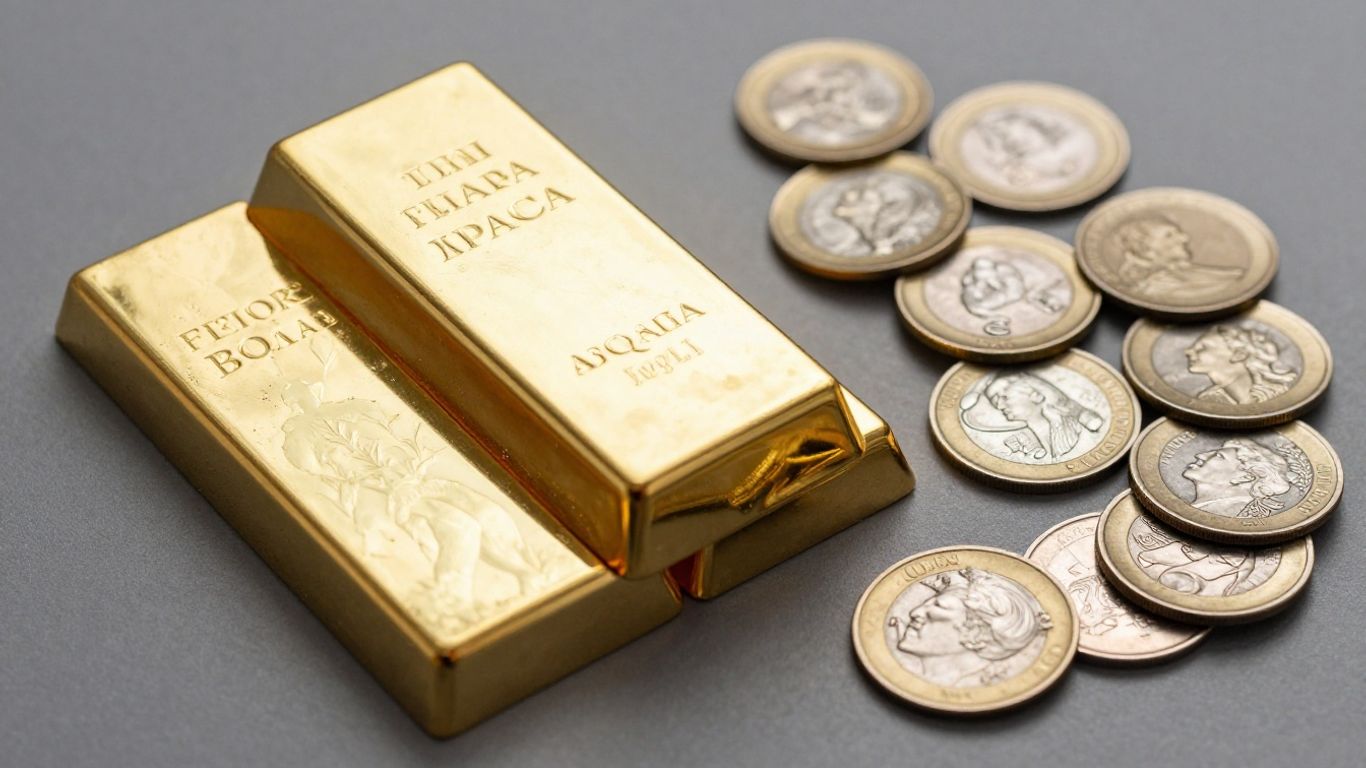
When weighing the future growth of your investments, it’s important to compare the long-term potential of bullion with that of collectible (numismatic) coins.
Appreciation from Metal Content Alone
Bullion’s value is directly tied to the current price of its underlying metal, like gold or silver. The future worth of your bullion pieces will move almost entirely with the spot price.
Bullion lets you track the precious metal market without much guesswork.
- Lower premiums when buying and selling
- Highly liquid, sellable almost anywhere
- No added value for rarity or historical factors
Capturing Rarity Premiums Over Time
Collectible coins, on the other hand, can increase in worth for reasons unrelated to just gold or silver prices. Rarity, collector demand, and unique histories can push these coins far above their melt value—sometimes dramatically so over decades.
| Aspect | Bullion (Gold Bar) | Collectible Coin (Saint-Gaudens) |
|---|---|---|
| Value Source | Metal content | Metal + Rarity/Story |
| Typical Premium Over Spot | 1–5% | 20%—several 100% |
| Price Moves With Gold? | Almost entirely | Partly—rest is collectibles demand |
| Liquidity | High | Lower/Varies |
Potential for Substantial Wealth Accumulation
There’s a reason some investors chase rare coins: the upside can be huge, especially for coins in great shape with historical significance. But, you’ll need to work harder to find buyers who appreciate these factors, and entry costs are often higher.
- Rare coins can return multiples on metal value in the right market
- Condition and story matter: the same coin can differ in value 10-fold depending on grade
- Requires patience and timing to realize large gains
If your goal is pure wealth preservation and easy selling, bullion remains the steady pick. For those willing to learn, wait, and hunt for the right buyers, collectibles could offer an extra edge—sometimes in spectacular ways you won’t see with plain gold bars.
Wrapping It Up
So, when you’re looking at gold and silver, remember it’s not just about the shiny metal itself. Bullion is pretty straightforward – you’re mostly paying for the weight and purity, making it a solid choice if you just want to hold onto wealth or bet on the metal’s price going up. It’s usually easier to buy and sell without losing too much. Numismatics, on the other hand, is a whole different ballgame. These coins are about history, rarity, and what collectors are willing to pay. They can be exciting, and sometimes they really take off in value, but they’re also more complicated and can be harder to sell quickly. For most folks just trying to build up their savings or protect against inflation, sticking with bullion makes a lot of sense. But if you’ve got a real interest in coins and history, and you’re okay with a bit more risk and a slower sale, numismatics might be your thing. It really comes down to what you’re hoping to get out of your investment.
Frequently Asked Questions
What is the main difference between bullion and numismatic coins?
Think of bullion like pure gold or silver bars – their value comes mostly from the metal itself. Numismatic coins, on the other hand, are like historical treasures. Their worth is based not just on the metal, but also on how rare they are, their history, their condition, and whether collectors want them.
Why would someone choose to buy bullion coins or bars?
People often pick bullion when they want a straightforward way to invest in gold or silver. It’s usually easier to understand the price, the extra cost on top of the metal’s value is generally lower, and it’s typically simpler to sell when you decide to cash out.
What makes numismatic coins appealing to collectors?
Numismatic coins attract people because they are often rare, have interesting historical stories, or are in excellent condition. Collectors might also see them as a way to potentially make more money if their value goes up significantly due to demand.
What is a 'premium' when talking about gold and silver prices?
A premium is the extra amount you pay above the current market price (the ‘spot price’) for a specific gold or silver item, like a coin or bar. This extra cost covers things like the cost of making the coin, shipping, and the dealer’s profit.
How does a dealer's 'spread' affect my investment?
A dealer’s spread is the difference between the price they sell a coin for and the price they’ll buy it back from you. It’s like a small fee for the service of buying and selling. A smaller spread means you lose less money when you buy and then sell the same item.
Can I always buy gold or silver right at the 'spot price'?
It’s very rare to buy precious metals exactly at the spot price. You almost always have to pay a premium on top of the spot price to cover the costs of manufacturing, distribution, and the dealer’s business expenses.
Are silver coins usually more expensive to buy than gold coins?
While gold is worth more per ounce than silver, silver coins can sometimes have higher premiums as a percentage of their price. This is because the fixed costs of making and shipping a silver coin are a bigger part of its total cost compared to a gold coin.
Should I focus on bullion or numismatic coins for my investments?
It depends on your goals. If you want a simpler investment focused on the metal’s value and easier selling, bullion is often best. If you enjoy history, rarity, and the thrill of collecting, and are willing to accept more complexity, numismatic coins might be for you. Many people choose to have a mix of both.