
So, you’ve been looking through your old coin collection and decided it’s time to see what it’s worth. Maybe you’ve inherited some coins or just accumulated them over the years. Figuring out the old coins value in San Antonio can feel a bit overwhelming, but it doesn’t have to be. This guide is here to help you understand the process, find good appraisers, and connect with buyers who will give you a fair deal for your treasures.
Key Takeaways
- Understanding the factors that determine old coins value in San Antonio, such as rarity, condition, and market demand, is the first step.
- Professional appraisals are important for getting an accurate assessment of your coins’ worth.
- Local coin shops and specialized buyers in San Antonio are good places to explore when selling your collection.
- Be prepared to present your coins in their best possible condition, but avoid cleaning them yourself as this can decrease value.
- Always seek multiple offers and prioritize transparency and integrity when choosing a buyer for your old coins in San Antonio.
Understanding Old Coins Value In San Antonio
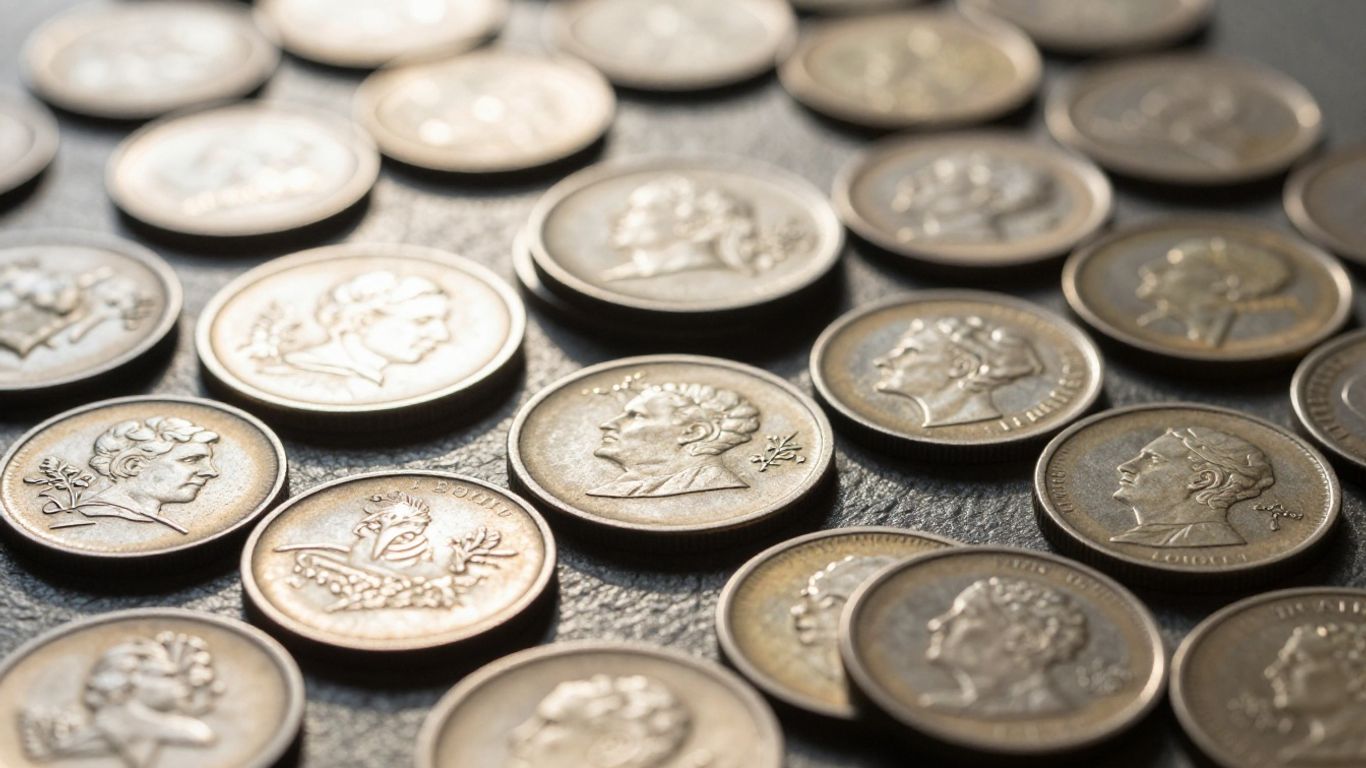
Figuring out what your old coins are worth isn’t just about looking at a price chart or a quick web search. In San Antonio, there are a few things you’ll want to know before you try to get an appraisal or make a deal. The value of a coin often depends not just on the type of coin, but on its history, condition, and the interest it gets from other collectors in the area. Let’s break this down step by step.
What Determines Coin Value?
Coin values are shaped by a mix of qualities, not just one feature. Here’s what really matters:
- Metal Content: Is the coin made from gold, silver, copper, or something else?
- Mintage Numbers: How many were actually made and how many are left?
- Demand: Are collectors actively searching for your particular coin?
- Historical Background: Was the coin made during a notable event or time period?
| Factor | Why It Matters |
|---|---|
| Metal Type | Precious metals influence base value |
| Year Minted | Rare years and mints raise demand |
| Circulation Status | Uncirculated coins typically hold a premium |
The Role of Rarity and Condition
Rarity and condition go hand-in-hand when you’re checking a coin’s value. A rare coin in bad shape might not get as much attention as a slightly more common coin that looks almost new.
- Most collectors are looking for coins that are scarce or tough to find.
- Coins are graded on their condition, from completely worn down to nearly perfect.
- Even a tiny scratch or bit of cleaning can take hundreds off a coin’s price.
If you think your coin is special or untouched, let an expert make the final call—sometimes, damage you don’t notice makes a big difference in the offer you’ll get.
Market Demand and Historical Significance
Market demand tends to change: one year everyone’s wild about silver coins, the next they’re looking for something from another century. Coins with interesting backstories, ties to famous events, or local San Antonio history often catch a higher price here than elsewhere.
When checking value, keep in mind:
- Prices rise and fall with market trends and collector interest.
- Coins connected to Texas history or local heritage might fetch more locally.
- Unique stories or certificates of authenticity help tell the coin’s story and may boost value.
In summary, getting to know what drives value in the San Antonio coin market gives you a better shot at realistic expectations. It’s not all guesswork—understanding rarity, condition, and local demand can help you make smarter choices when it’s time to sell.
Getting Your Coins Appraised In San Antonio
When it comes to finding out what your coins are really worth in San Antonio, the process can feel a little overwhelming. There are several ways to get coins appraised, each offering a unique mix of convenience, accuracy, and personal touch.
Professional Coin Appraisals
Professional appraisals give you a trustworthy assessment of your collection’s value. In San Antonio, coin appraisal services are widely available and run by folks who understand the market inside out.
- Best suited for rare or high-value coins
- Provides documentation of appraisal value
- Often used for insurance or estate planning purposes
It’s important to choose an appraiser with specific numismatic experience rather than just general antiques knowledge.
In-Person Appraisals at Local Dealers
Walking into a local coin shop can be the simplest way to get a quick, expert opinion on your coins. San Antonio has plenty of coin dealers who will examine your coins on the spot, tell you their opinions, and sometimes even make you an offer.
Here’s what to expect during an in-person appraisal:
- Bring your coins directly to the shop (don’t clean them beforehand–this can lower their value).
- Dealer examines each coin for authenticity, condition, and rarity.
- You receive a verbal estimate and, occasionally, a written offer to buy.
- Immediate feedback
- Opportunity to ask questions face-to-face
- Possibly faster sales process than other methods
Online Appraisal Options
If time is tight, or you want input from outside your immediate area, online appraisals are another option. Many services now offer free or low-cost evaluations through photos and detailed inventory lists emailed to experts.
Here’s a simple comparison of in-person vs. online appraisals:
| Attribute | In-Person Appraisal | Online Appraisal |
|---|---|---|
| Speed | Instant or same day | 1-3 business days |
| Interaction | Direct with expert | Email or video only |
| Required Effort | Bring coins to shop | Photograph and list |
| Collection Size | Any, best for small | Best for small-medium |
If you’ve got a larger or more complex collection, a reputable company may even offer at-home assessments in and around San Antonio, saving you the logistical headache of packing and moving it all.
Getting your coins appraised in San Antonio doesn’t have to be a hassle. Whether you prefer the personal touch of a shop visit or the convenience of an online review, the process is straightforward, and options are plenty—just remember to check for credentials before moving ahead.
Where To Sell Your Coins In San Antonio
So, you’ve decided it’s time to sell some of your old coins. It can feel a bit overwhelming trying to figure out the best place to go, especially in a city like San Antonio with its own history in collecting. The good news is, finding a buyer isn’t as complicated as it might seem. The key is to find someone who knows coins, offers a fair price, and makes the whole process straightforward.
Local Coin Shops and Dealers
For many people, the most direct route is to visit a local coin shop. These businesses often specialize in buying and selling numismatic items. You can bring your coins in person, get them looked at, and often receive an offer on the spot. This allows for immediate interaction and the chance to ask questions directly to the dealer. It’s a good way to gauge their knowledge and feel comfortable with the transaction.
Here are a few places in San Antonio that deal with coins:
- Royalty Coins Inc: Located at 431 E Commerce St, they are open Monday through Friday from 10 AM to 5 PM.
- Texas Coins: You can find them at 6866 Bandera Rd, operating Monday through Thursday from 10 AM to 5 PM.
- Nacogdoches Gold and Silver Exchange: Situated at 13323 Nacogdoches Rd, their hours are typically Tuesday through Friday, 10 AM to 5 PM, and Saturdays from 12 PM to 5 PM.
- B&D Gold Buyer: Located at 7108 Military Dr W, they have extended hours, open Monday through Saturday from 11 AM to 7 PM.
- Accurate gold buyers – 210 GOLD GUYZ: Found at 8034 Culebra Rd, their hours can be a bit varied, so it’s best to check ahead.
- Alamo Gold Diamond Rolex Buyers: At 5609 San Pedro Ave, they are open seven days a week from 10 AM to 6 PM.
- Golden Cash Exchange: Located at 5515 Northwest Loop 410, they are open Monday through Friday from 10:15 AM to 7 PM, and Saturdays until 6 PM.
Specialized Coin Buyers
Beyond general coin shops, there are also buyers who focus on specific types of coins, such as gold, silver, or rare and historic pieces. These specialists might offer more competitive prices for particular items because they have a deeper understanding of that niche market. If you have a collection that leans heavily towards one type of coin, seeking out a specialized buyer could be beneficial.
Selling an entire collection at once can be more efficient than selling coins one by one. This is especially true for larger collections. Many dealers work with collectors and estates to buy whole collections, aiming for a transparent and fair process based on current market conditions.
Selling Entire Collections
If you have a substantial collection, you might consider selling it as a whole. This can often be more convenient and potentially more profitable than piecing it out. Many dealers are interested in acquiring complete collections, and they will handle the appraisal and sale process for you. This approach simplifies things considerably, especially if you’re not familiar with the individual value of each coin. When looking to sell your collection, reaching out to local dealers who express interest in bulk acquisitions is a good starting point.
Types of Coins Buyers Seek In San Antonio
When you’re looking to sell your old coins in San Antonio, it helps to know what collectors and dealers are most interested in. While every coin has a story, some types tend to attract more attention and higher offers than others. Buyers are generally looking for coins that have value based on their metal content, rarity, condition, and historical importance.
Gold Coins
Gold coins are almost always in demand. This includes both modern bullion coins like American Eagles and older U.S. gold coins such as Double Eagles, Eagles, and Half Eagles. The intrinsic value of the gold content is a significant factor, but the coin’s rarity and condition can also add a numismatic premium. If you have gold coins, especially those in good shape or from specific mint years, they are likely to be of interest to buyers.
Silver Coins
Similar to gold, silver coins hold value due to their metal content. Common items include U.S. silver dollars (like Morgan and Peace dollars), half dollars, quarters, and dimes minted before 1965, when the silver content was removed from circulating coinage. While the melt value of silver is a baseline, collectible silver coins, particularly those in uncirculated or high-grade condition, can fetch prices well above their silver weight. Buyers often look for key dates and mint marks within these series.
Rare and Historic Coins
This category is broad and encompasses coins that are sought after for reasons beyond their metal. Rarity plays a huge role here. This could mean coins with very low mintage numbers, errors during the minting process, or coins that are historically significant. For example, early American coins, colonial currency, or coins associated with important historical events can be highly desirable. The condition of these rare coins is paramount; even minor wear can significantly impact their market price. Buyers specializing in this area often have a deep knowledge of numismatics and can recognize the true potential of a unique piece.
- Key factors for rare and historic coins:
- Rarity: Low mintage figures or unique varieties.
- Condition: The coin’s state of preservation, often graded by professional services.
- Historical Context: Association with significant events or periods.
- Demand: Interest from collectors in the specific coin type.
Understanding what makes a coin desirable to buyers is the first step in getting a fair appraisal. While gold and silver have inherent worth, it’s the combination of rarity, condition, and historical appeal that often drives the highest prices for collectible coins.
Finding Reputable Coin Buyers
When you’re ready to sell your coins, finding someone you can trust is a big deal. It’s not just about getting the most money, though that’s certainly important. It’s about feeling good about the whole process, knowing you’re dealing with someone honest and knowledgeable. San Antonio has a number of places that buy coins, and picking the right one can make all the difference.
Checking Dealer Reputation
Before you hand over your collection, take a moment to check out the dealer. What’s their history in the coin world? Do they have a good standing in the numismatic community? Look for dealers who have been around for a while and have positive feedback from other collectors. Online reviews can be a good starting point, but also consider asking around at local coin clubs or shows if you’re part of those. A dealer with a solid reputation usually means they treat their customers fairly and know what they’re talking about.
Ensuring Transparency in Transactions
Transparency is key when selling something as potentially valuable as a coin collection. A good buyer will be upfront about how they evaluate your coins and how they arrive at their offer. They should be willing to explain their process, discuss the factors influencing the value – like rarity, condition, and market demand – and answer any questions you might have. Avoid anyone who seems pushy, makes vague offers, or pressures you to sell immediately. Getting a detailed explanation of their offer is a good sign they have nothing to hide. It’s also wise to get multiple offers from different buyers to compare and make sure you’re getting a fair deal. If you’re looking for places that buy silver coins in San Antonio, there are a few well-known spots to check out, like Alamo City Silver Coin and Jewelry.
Seeking Expert Knowledge and Integrity
Does the buyer really know their stuff, especially when it comes to the specific types of coins you have? Some buyers specialize in certain areas, like gold coins, or perhaps even more niche items like so-called dollars. If you have a collection that includes foreign coins and paper money, make sure they have experience with those too. A buyer with deep knowledge will not only offer a better price but can also provide interesting insights into your collection’s history and significance. Integrity means they’re honest about the value and don’t try to take advantage of your lack of knowledge. Look for buyers who are members of professional numismatic organizations, as this often means they adhere to a code of ethics.
Here’s what to look for in a buyer:
- Experience: Do they have a proven track record, especially with the types of coins you own?
- Clarity: Are they open about their appraisal methods and offer details?
- Fairness: Do their offers seem in line with market value, and are they willing to negotiate?
- Professionalism: Do they belong to reputable numismatic associations?
Selling coins can feel a bit overwhelming, especially if you’re not an expert. Finding a buyer you trust makes all the difference. They should guide you through the process, answer your questions, and make you feel confident in your decision. It’s about building a relationship based on mutual respect and fair dealing.
The Selling Process For Your Collection
Selling a coin collection in San Antonio involves a series of steps that help you get fair value and feel comfortable with the outcome. Every seller has a reason—maybe you’ve built a collection over decades, or you’ve suddenly inherited a box full of coins and don’t know what’s in there. Either way, the path from discovery to sale has a few clear stages.
Understanding the Offer Process
Once you’ve chosen a coin dealer or buyer, here’s what usually happens:
- Initial Contact: Reach out to the dealer and set up a meeting (in-person or online) to discuss what you have.
- Bring in or submit your coins. For in-person visits, you’ll carry your collection to the shop. Online, you’ll likely send photos, descriptions, or possibly mail your coins.
- The dealer will examine your coins, checking for type, rarity, age, and condition.
- You’ll receive a valuation. The dealer presents an estimate of what your coins could fetch in the current market, along with an offer if they’re interested.
| Step | What Happens |
|---|---|
| Initial Contact | Set up a meeting or send info/photos |
| Inspection & Review | Dealer examines the collection |
| Valuation & Offer | Dealer explains estimated value, may make an offer |
In most cases, a reputable dealer explains their reasoning and welcomes your questions. If they rush you or seem secretive, consider looking elsewhere.
Negotiating Fair Prices
Don’t hesitate to negotiate. Many dealers expect a little back-and-forth. Here are some tips:
- Compare offers from at least two or three places.
- Ask the dealer to explain how they arrived at the number.
- Mention any documentation you have (receipts can help prove value or legitimacy).
The more information you bring, the stronger your position during negotiation.
Secure Payment Options
You’ll want a safe, reliable way to get paid. In San Antonio, established buyers offer several options:
- Cash
- Check (sometimes immediate, sometimes after coin verification)
- Direct bank transfer
Confirm when and how you’ll be paid before you hand over your coins. If you’re selling online, make sure the buyer provides insured shipping and a clear timeline for payment after receipt.
Taking the time to understand the process can help you avoid mistakes and feel more confident, whether you’re selling a single rare coin or an entire inherited collection.
Valuation Services For Specific Coin Types
Appraising So-Called Dollars
So-called dollars are interesting pieces, often commemorating events or significant moments in history. Their value depends on several factors, not just the metal content. Rarity, collector demand, and story behind the piece can play a huge role. If you have so-called dollars, a professional appraisal is smart. Appraisers will look at:
- How many pieces were minted and how many survive
- The condition and grade of each token
- Market trends and current buyer interest
- Provenance and any available documentation
Appraisals can provide a detailed breakdown of what each token could bring at sale. A certified grade by companies like PCGS or NGC can add credibility and boost sale prices.
| Coin Type | Common Value Range | Factors Impacting Value |
|---|---|---|
| So-Called Dollars | $20 – $500+ | Event, rarity, state of repair |
| Commemoratives | $30 – $1,000+ | Historical tie, demand, grade |
Even if a token looks plain, its backstory might make it a favorite for collectors in San Antonio, boosting its price.
Evaluating Foreign Coins and Paper Money
Foreign coins and old bills can be tougher to evaluate because the buyer pool is smaller and demand shifts quickly. The right appraiser will know what’s popular with U.S. collectors and what’s not. When getting a quote, ask about:
- Country of origin and historic period
- Currency reforms or coinage changes affecting rarity
- Condition, including any damage or cleaning
- Market demand in U.S. versus international collectors
If you find old foreign coins or paper in a collection, don’t assume they’re worthless—sometimes these items fetch surprising amounts at auction, especially if they’re from defunct countries or feature rare errors.
Understanding Coin Grading
Grading is the backbone of almost any coin valuation. Grading scales run from 1 (poor) to 70 (perfect). Even a small bump in grade can mean a massive jump in sale price.
Here’s a quick look at how grades affect market price for a typical U.S. silver coin:
| Grade | Typical Price (USD) |
|---|---|
| VG-8 | $30 |
| VF-20 | $55 |
| AU-50 | $100 |
| MS-63 | $250 |
| MS-66 | $1,000+ |
A few grading tips:
- Never clean coins—it can drop their grade
- For rare pieces, consider getting them slabbed by a major grading service
- Some buyers will pay premiums for professionally encapsulated coins
Even if your collection seems average, expert grading often reveals hidden gems worth much more than you might expect. If you’re new, ask the appraiser to walk you through grading—not just for value, but so you can talk confidently with buyers.
Maximizing Your Coin Sale In San Antonio
So, you’ve decided it’s time to sell some of those old coins you’ve gathered. It can feel a bit overwhelming trying to figure out the best way to get the most for your collection. The good news is, with a little preparation and knowing where to look, you can make the selling process smoother and more profitable. It’s not just about finding a buyer; it’s about finding the right buyer and presenting your coins in the best possible light.
Preparing Your Coins for Sale
Before you even think about showing your coins to a potential buyer, take some time to get them ready. This doesn’t mean cleaning them aggressively – in fact, improper cleaning can significantly lower a coin’s value. Instead, focus on organization and basic care.
- Organize your collection: Group coins by type, date, or mint mark. This makes it easier for you and the buyer to assess what you have.
- Document everything: Create a list of your coins, noting any identifying marks, dates, or known historical context. If you have original packaging or certificates of authenticity, gather those too.
- Handle with care: Always hold coins by their edges to avoid transferring oils from your skin, which can cause damage over time.
Remember, many collectors and buyers prefer coins in their original, uncleaned state. Aggressive cleaning can remove patina, which is often desirable and indicative of a coin’s age and history. It’s usually best to leave any significant cleaning to the professionals, if it’s even necessary at all.
Getting Multiple Offers
Don’t settle for the first offer you receive. Just like selling a car or a house, getting quotes from several different buyers is a smart move. This helps you gauge the market and understand the true worth of your collection.
- Visit local coin shops: San Antonio has several reputable dealers. Schedule appointments or drop in to get initial appraisals.
- Consider online buyers: Reputable online platforms can offer competitive prices, especially for rarer items or larger collections. They often have lower overheads.
- Attend coin shows: If there’s a coin show happening in or near San Antonio, it’s a great place to meet multiple dealers at once and get a variety of opinions.
Choosing the Right Buyer for Your Needs
Once you have a few offers, it’s time to decide who to sell to. The highest offer isn’t always the best deal if the buyer isn’t reputable or the process is difficult.
- Reputation matters: Look for dealers with good reviews and a long-standing presence in the numismatic community.
- Transparency is key: A good buyer will clearly explain how they arrived at their offer, detailing the factors that influence the price.
- Comfort level: Ultimately, choose a buyer you feel comfortable working with. A positive and honest transaction is worth more than a few extra dollars.
San Antonio's Numismatic Community
San Antonio has a pretty active group of people who collect and trade coins. It’s not a huge metropolis like New York or Los Angeles when it comes to coins, but there’s definitely a scene here. You’ve got local coin shops, private dealers, and a growing number of collectors who know their stuff. This local network can be really helpful when you’re looking to sell or even just learn more about your coins.
Local Coin Dealers to Consider
When you’re ready to sell, knowing who to talk to makes a big difference. San Antonio has several places that deal with coins. Some are more focused on precious metals like gold and silver, while others handle a wider variety of numismatic items, including rare and historic pieces. It’s a good idea to check out a few different dealers to see who you feel most comfortable with and who seems to have the most knowledge about what you’re selling.
Here are a few spots you might want to look into:
- Royalty Coins Inc: Located downtown, they’ve been around for a while and deal with various coins.
- Texas Coins: This place on Bandera Road is another option for coin buyers.
- Alamo Heights Coin Shop: Situated in Alamo Heights, they offer services for coin collectors.
- Cory’s Fine Jewelry & Rare Coins: They handle both jewelry and rare coins, which might be useful if your collection has a mix.
The Benefits of Selling Locally
Selling your coins right here in San Antonio has its perks. For starters, you can often take your coins directly to a dealer for an in-person appraisal. This means you can see exactly what they’re looking at and ask questions on the spot. It also means you might get paid right away, especially if you’re selling common silver or gold items. Plus, dealing with someone local can sometimes feel more personal and trustworthy than shipping your items off to an unknown online buyer.
Building a connection with a local dealer can be beneficial. They might offer more personalized advice and be more willing to work with you on pricing, especially if you plan to sell more items in the future. It’s about finding a good fit for your specific needs.
Navigating the San Antonio Market
San Antonio’s coin market is pretty straightforward. You’ll find dealers who are interested in the melt value of gold and silver, and you’ll find others who are more focused on the numismatic value – what the coin is worth to collectors. The key is to figure out which type of buyer is best for your particular coins. If you have common silver dollars, a dealer focused on precious metals might offer a fair price based on silver content. But if you have a rare, uncirculated coin, you’ll want to find a buyer who understands its collector value. Don’t be afraid to do a little homework on your coins before you visit a dealer; knowing a bit about what you have can help you have a more productive conversation and get a better offer.
Customer Satisfaction and Trust
When you’re ready to sell your old coins, finding a buyer you can really trust makes a huge difference. It’s not just about the money, though that’s certainly a big part of it. You want to feel good about the person or business you’re dealing with, especially when it comes to items that might hold sentimental or significant historical value. A good buyer will make the whole experience feel smooth and straightforward.
What to Look for in a Buyer
So, what exactly should you be looking for? First off, check their knowledge. Do they seem to know a lot about coins, not just the common ones, but maybe even the more unusual pieces you might have? A buyer who can talk intelligently about your coins, their history, and what makes them special is usually a good sign. They should also be upfront about their process. This means clear explanations of how they appraise coins, what factors influence the price, and what their offer is based on. Transparency is key to building trust.
Here are a few things to keep in mind:
- Expertise: Do they specialize in the types of coins you have, or do they have a broad knowledge base?
- Honesty: Are they open about their appraisal methods and pricing?
- Patience: Do they pressure you to sell immediately, or do they give you time to consider?
- Professionalism: Do they belong to any numismatic organizations or have certifications?
Reading Reviews and Testimonials
Before you commit to selling, take a little time to see what other people say about the buyer. Online reviews can offer a glimpse into past customers’ experiences. Look for patterns in feedback – are people generally happy with the prices they received and the way they were treated? Sometimes, a buyer might have a few negative reviews, but if the vast majority are positive and mention fair dealings, that’s usually a good indicator.
It’s wise to look beyond just the star ratings. Read the actual comments to understand the context of any feedback, both good and bad. This gives you a clearer picture of what to expect.
Building a Relationship with Dealers
Selling coins doesn’t have to be a one-time, impersonal transaction. For collectors who plan to buy and sell over time, building a relationship with a reputable dealer can be quite beneficial. A dealer who knows your interests might be able to alert you to coins you’re looking for, or offer better terms if they know you’re a repeat customer. Think of it like finding a good mechanic or a trusted jeweler; someone you can rely on for fair advice and service. This kind of rapport is built on consistent, positive interactions where both parties feel respected and fairly treated.
Wrapping Up Your Coin Selling Journey
So, you’ve gone through your collection and decided it’s time to part with some of those old coins. It might seem a bit daunting at first, trying to figure out where to go and who to trust. But really, finding a good place to sell your coins in San Antonio isn’t as complicated as it sounds. We’ve looked at a few options, and the main thing is to find someone who knows their stuff, offers a fair price, and makes the process easy for you. Whether you’re selling a few silver dollars or a whole box of foreign currency, a little research goes a long way. Don’t be afraid to ask questions and make sure you feel comfortable with the buyer. Happy selling!
Frequently Asked Questions
Where can I sell old coins in San Antonio?
You can sell old coins at local coin shops, gold and silver exchanges, and specialized coin dealers in San Antonio. Some popular places include Texas Coins, Royalty Coins Inc, and Nacogdoches Gold and Silver Exchange. Many of these shops offer in-person appraisals and immediate payment.
How do I get my coins appraised in San Antonio?
To get your coins appraised, you can visit a professional coin dealer or appraisal service in San Antonio. Some dealers offer free evaluations, while others may charge a small fee. You can also find online appraisal options where you send photos or details of your coins for a virtual estimate.
What types of coins are buyers interested in?
Buyers in San Antonio are usually interested in gold coins, silver coins, rare coins, and old paper money. Coins with historical value, high gold or silver content, or those that are hard to find often attract more attention and higher offers.
How do I know if a coin buyer is trustworthy?
Check for reviews and testimonials from other sellers. Reputable buyers often have a long-standing presence in the community and are members of professional organizations. It’s smart to ask questions about their process and make sure they are clear and honest about pricing.
Should I clean my coins before selling them?
No, you should not clean your coins before selling. Cleaning can damage the surface and lower the value. It’s best to leave coins in their original condition and let the buyer or appraiser examine them as they are.
Can I sell my entire coin collection at once?
Yes, many dealers in San Antonio are willing to buy whole collections. Selling everything together can be faster and easier, especially if you have a large group of coins. Some buyers even offer at-home appraisals for bigger collections.
Do buyers in San Antonio purchase foreign coins and paper money?
Yes, many coin buyers in San Antonio also buy foreign coins and old paper money. They can evaluate coins and currency from other countries and let you know their value based on rarity and demand.
How is the value of a coin determined?
A coin’s value depends on its rarity, condition, demand, and metal content. Coins that are rare or in excellent condition are usually worth more. Historical background and market trends also play a big part in how much a coin can sell for.