
Thinking about selling Carson City Mint coins in San Antonio, TX? It’s a smart move, as these coins, marked with the ‘CC’ mint mark, are often quite special. Whether you have a gold piece or a silver rarity, knowing where to go and what makes them valuable can help you get a fair price. This guide is here to help you figure out the best spots in San Antonio to sell your Carson City coins and get the most for them.
Key Takeaways
- When looking to sell Carson City Mint coins in San Antonio, TX, focus on dealers and shops with knowledge of U.S. gold and silver coinage, especially those with ‘CC’ mint marks.
- The value of your Carson City coins depends heavily on factors like their specific mint date, condition (grade), rarity, and historical significance.
- Consider professional grading (like from PCGS or NGC) and third-party authentication (such as CAC) to confirm your coin’s quality and potentially increase its market appeal.
- Researching potential buyers in San Antonio, checking their reviews, and understanding their specialization will help you find a reputable place to sell.
- Don’t rush your sale; timing and proper preparation, including understanding your coin’s history and market value, can significantly impact the final price you receive.
Understanding Your Carson City Mint Coins
The Significance of Carson City Mint Mark ('CC')
When you look at a coin, you might notice a small letter or symbol on it. This is called a mint mark, and for coins made in Carson City, Nevada, that mark is ‘CC’. This little ‘CC’ is a big deal for collectors. It tells you the coin was made at a specific time and place, during the Wild West era, when the Carson City Mint was operating. These coins are often sought after because they represent a piece of American history, especially from the Western expansion period. The ‘CC’ mark itself adds a layer of rarity and historical interest that coins from other mints might not have.
Key Factors Influencing Coin Value
Several things can make a Carson City coin more or less valuable. It’s not just about how old it is. Here are some of the main points people look at:
- Rarity: Some ‘CC’ coins were made in smaller numbers than others. The fewer that exist, the more people might want them.
- Condition: This is a big one. A coin that looks like it just came from the mint, with no scratches or wear, is worth much more than one that’s been handled a lot.
- Demand: How many collectors are actively looking for this specific coin right now? If a lot of people want it, the price can go up.
- Historical Significance: Some ‘CC’ coins are tied to important events or periods, which can make them more desirable.
The value of a coin isn’t just its metal content; it’s a combination of its history, how many were made, and how well it has been preserved over time. Understanding these elements helps in getting a fair price.
The Importance of Coin Condition and Grade
When people talk about coin condition, they’re really talking about how much wear and tear the coin shows. This is often described using a grading scale. A coin that’s in top-notch shape, with sharp details and no visible damage, will get a higher grade and be worth more money. For example, a coin might be described as "Mint State" (meaning it looks like it left the mint) or have a numerical grade from 1 to 70, with 70 being perfect. For Carson City coins, especially gold ones, even small differences in condition can mean a big jump in price. Collectors often pay a premium for coins that are in better condition because they look better and are harder to find that way.
Here’s a simplified look at grading:
| Grade Category | Description |
|---|---|
| Uncirculated | No wear, full details, original mint luster. |
| About Uncirculated | Very slight wear, sharp details. |
| Extremely Fine | Slight wear on high points, details still clear. |
| Very Fine | Moderate wear, some details softened. |
| Fine | Significant wear, major details visible. |
| Good | Heavy wear, outlines of design visible. |
Where to Sell Carson City Mint Coins in San Antonio
Finding the right place to sell your Carson City Mint coins in San Antonio is important. These coins, marked with the distinctive ‘CC’, are special because they come from a historic mint. You want to make sure you’re selling them to someone who knows their worth. The key is to find buyers who understand the numismatic value, not just the gold content.
Reputable Coin Dealers Specializing in U.S. Gold
When you have Carson City coins, especially gold ones, looking for dealers who focus on U.S. gold coins is a smart move. These professionals are familiar with the nuances of gold coinage, including the specific appeal of ‘CC’ mint marks. They often have a steady stream of collectors looking for these types of coins, which can lead to a more competitive offer.
- Look for dealers with a long-standing presence in the San Antonio area.
- Check their specialization – do they frequently mention U.S. gold or Western coinage?
- Ask if they have experience with Carson City Mint issues specifically.
Local Coin Shops with Numismatic Expertise
Beyond the big gold specialists, many local coin shops in San Antonio possess a deep knowledge of numismatics. These shops often serve a broad range of collectors and may have a good understanding of what your ‘CC’ coins are worth. It’s a good idea to visit a few to get a feel for their inventory and the expertise of their staff.
A local coin shop might not always have the highest offer, but they can provide a quick and straightforward sale. Their familiarity with the local market and collector base can be an advantage.
Auction Houses for Rare and High-Value Coins
If your Carson City coins are particularly rare or valuable, an auction house might be your best option. Auction houses can reach a wide audience of serious collectors, both locally and nationally. This can drive up the price for exceptional pieces. They handle the marketing, display, and sale process, taking a commission for their services.
- Research auction houses that have a strong track record with U.S. coins.
- Inquire about their consignment process and fees.
- Understand their marketing strategy for coins like yours.
Valuable Carson City Mint Coin Examples
The Carson City Mint only operated for a short period, but in that time it produced coins that really stand out to collectors today. If you’re figuring out what you’ve got, or looking to understand why certain coins get so much attention—and command such high prices—here’s what makes some Carson City Mint coins special.
The 1870-CC Liberty Double Eagle
The 1870-CC $20 gold piece is legendary among coin collectors. It’s the first double eagle produced in Carson City, and their low mintage makes them rare finds. A few hundred were minted, and even fewer survive.
Key points to remember with the 1870-CC Double Eagle:
- Low original mintage (just 3,789 coins)
- Most survivors are heavily worn
- Higher grades bring a big premium
- Any proof of its history (like prior auction records) can increase interest
| Year | Coin Type | Mintage | Est. Value (Good/Fine) |
|---|---|---|---|
| 1870-CC | Liberty Double Eagle ($20) | 3,789 | $250,000+ |
If you have this coin, even in well-worn condition, collectors and dealers will want to see it. It’s one of those pieces where scarcity trumps almost everything else.
Other Scarce Carson City Gold Issues
Carson City made other gold coins, too. Most were produced in small numbers compared to other mints. These coins share a few traits:
- The "CC" mintmark on the reverse side
- Many show heavy use, so uncirculated examples are special
- Some years (like 1871-CC and 1872-CC Eagles and Half Eagles) are especially tough to find
Here are some notable Carson City gold coins:
| Coin Type | Key Dates | Notable For |
|---|---|---|
| Liberty $10 Eagle | 1870-CC | First-year issue, scarce |
| Liberty $5 Half Eagle | 1870-CC | Low mintage |
| Liberty $20 Double Eagle | 1870s-1880s | Short production span |
Collectors often want these coins for their CC mark alone, but the condition and year can make a huge difference in price.
Understanding Territorial Gold Coins
Territorial gold coins were minted before the Carson City Mint opened, mostly by private assayers. They’re rare and quite separate from official US Mint pieces but sometimes show up in discussions about Western gold.
What makes territorial coins unique:
- Not struck by the US Mint—these came from private minters or local assay offices
- Often heavy and odd denominations (like the famous $50 "slugs" from California)
- Valued for their Old West gold rush connection, different designs, and rarity
Selling a territorial gold coin usually means finding a buyer who loves the history as much as the metal. Shops and auction houses in San Antonio with strong numismatic backgrounds are your best bet.
Even if your coin isn’t in perfect shape, its story and rarity could set it apart from modern issues. Always check what exactly you have before selling—it could be a historic gem from the days when the American West was booming.
Preparing Your Coins for Sale
Getting your Carson City mint coins ready for the market is a step that many sellers overlook, but it can make a significant difference in the final price you receive. Think of it like getting a classic car ready for a show; a little polish and attention to detail go a long way. This preparation isn’t about altering the coin, but rather presenting it in the best possible light and providing potential buyers with the information they need.
Professional Grading and Authentication
For valuable coins, especially those from the Carson City Mint, professional grading is often a wise investment. Services like PCGS (Professional Coin Grading Service) and NGC (Numismatic Guaranty Company) authenticate your coin and assign it a numerical grade based on its condition. This grade is a standardized measure that collectors understand and trust. A professionally graded coin removes much of the guesswork for a buyer, potentially leading to a higher offer. It’s important to remember that grading is subjective to some extent, but these services have established reputations for consistency. If you’re dealing with particularly rare or historically important pieces, like some of the Carson City Mint coins, this step is almost non-negotiable.
The Role of CAC Certification
Beyond the initial grading, consider CAC (Certified Acceptance Corporation) certification. CAC doesn’t assign grades; instead, they review coins already graded by PCGS or NGC. If CAC believes a coin is a superior example for its assigned grade, they will authenticate it with a small green sticker. This sticker acts as a strong endorsement, signaling to buyers that the coin is of high quality within its grade. Many collectors specifically seek out CAC-approved coins because they represent a lower risk and often command a premium. While it’s an additional cost, for the right coin, the added confidence and potential price increase can be well worth it.
Documenting Provenance and History
Provenance, or the history of ownership for a coin, can add significant appeal and value, especially for rare Carson City issues. If you have any documentation that traces the coin’s journey through previous collections or sales, gather it. This might include old auction catalogs, receipts, or even letters from previous owners. A well-documented history can provide a compelling narrative that enhances a coin’s desirability. If your coin has a notable past, such as being part of a famous collection, this information should be highlighted. Even simple records showing when you acquired the coin and from whom can be helpful. This information helps build trust and can justify a higher asking price, as it suggests the coin has been recognized and valued by others over time.
Maximizing Your Sale Price
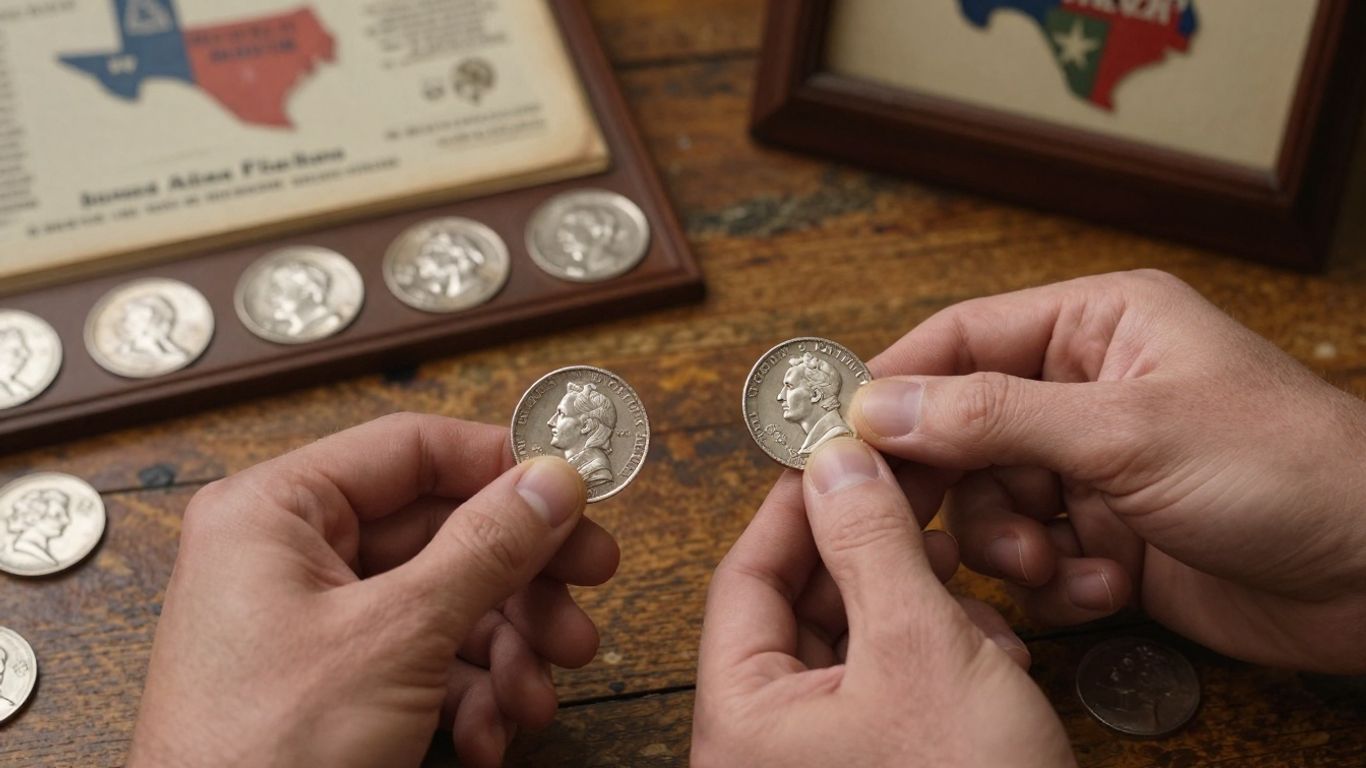
Getting the most out of your Carson City Mint coins means more than just picking a buyer and hoping for the best. Thoughtful planning and a patient approach can be the difference between a strong payday and walking away disappointed. Here’s how to approach selling so you don’t leave money on the table.
Avoiding Forced Sales
Desperation can work against you. When buyers sense that you need to sell quickly, you’ll almost always get a lower offer. Instead, plan ahead if you can. Here are some points to keep in mind:
- Avoid mentioning to potential buyers that you’re under pressure to sell.
- Take time to research so you don’t feel rushed into a bad deal.
- If possible, let the sale process last at least 45-60 days for typical coins, and longer if your collection is more specialized.
Taking control of your timeline means you won’t be forced into hasty decisions—and buyers are less likely to take advantage.
Timing Your Sale for Optimal Returns
Believe it or not, the timing of your sale can play a big part in your final payout. Some months—and even specific coin shows or conventions—can see higher demand and more active buyers. Consider these tips:
- Coin collecting seasons tend to heat up in January during major conventions like the FUN show, and again in July/August for the summer ANA events.
- Avoid selling when collectors are distracted by holidays or vacation seasons, as demand might be softer.
- Stay flexible; if market news suggests a particular date or season is hot for Carson City coins, it may be worth waiting.
| Coin Sale Season | Typical Demand Level |
|---|---|
| January (FUN Show) | High |
| July-August (ANA) | High |
| December Holidays | Low |
| Early Spring | Moderate |
Pricing Strategies for Rare Coins
Pricing rare Carson City pieces isn’t as simple as checking a price guide. Each coin comes with its own story, and recent sales can strongly influence the market.
- Review recent auction results for comparable coins in similar grades.
- Check whether your coin has a CAC sticker or comes in an older certified holder; both can boost value.
- Leave some profit for the next buyer, especially if you’re selling to a dealer—this keeps relationships positive and may lead to quicker, higher offers in the future.
Here’s a quick checklist for pricing:
- Compare recent auction data.
- Note any special certifications (CAC, PCGS, NGC, etc.).
- Assess market buzz around your coin type.
- Consider getting multiple offers to gauge the fair market.
A fair, well-researched price backed by solid data can attract motivated buyers who understand what your coin is really worth.
Identifying Potential Buyers in San Antonio
Researching Dealers' Specializations
When you’re ready to sell your Carson City Mint coins, finding the right buyer is a big step. Not all coin dealers are created equal, and some will be much better suited to handle your specific type of coin. You’ll want to look for dealers who have a solid track record with U.S. gold coins, especially those from branch mints like Carson City. A dealer who specializes in this area will have a better understanding of your coin’s rarity, condition, and historical significance, which all play a part in its worth. It’s a good idea to check their websites or give them a call to see what they focus on. Do they mention Carson City coins specifically? Do they deal with gold coins from that era? These are good questions to ask.
Checking Online Reviews and Reputation
Before you walk into a shop or agree to a sale, take some time to see what other people are saying about them. Online reviews on platforms like Google, Yelp, or even specialized numismatic forums can give you a good sense of a dealer’s reputation. Look for comments about fair pricing, honest dealings, and how they treat customers, especially those selling rare items. A dealer with consistently positive feedback is generally a safer bet. A strong online presence and a history of satisfied customers are good indicators of trustworthiness.
Networking Through Coin Clubs and Organizations
San Antonio likely has local coin clubs or numismatic societies. These groups are fantastic resources for connecting with serious collectors and reputable dealers in the area. Attending a meeting or reaching out to the club’s leadership can provide you with recommendations for buyers who are knowledgeable about Carson City Mint coins. Members often share their experiences and can point you toward individuals or businesses known for their integrity and fair practices. It’s a more personal way to find someone who truly appreciates what you have.
Specific Coin Considerations for Sellers
When you’re thinking about selling special coins from the Carson City Mint or other rare U.S. issues, you’ll need to look at the details of each coin. Each has its own demand, history, and quirks that serious buyers in San Antonio (and beyond) will notice. Below are some specific coins you may encounter and what you should keep in mind before you sell.
The 1851 Humbert Fifty Dollar
This coin is a standout example of early gold struck in California, famous for its weight and the distinctive octagonal shape. The Humbert $50 can sell for large sums—sometimes over six figures depending on grade and variety—but to get a fair offer, you must be prepared:
- Confirm authenticity and have professional grading paperwork in order.
- Document if it’s a "Reeded Edge" or "Lettered Edge" variety; buyers pay premiums for certain types.
- Be clear about any repairs or damage—restoration history can lower offers.
| Variety | Approximate Value Range* |
|---|---|
| Lettered Edge | $50,000 – $200,000 |
| Reeded Edge | $60,000 – $250,000 |
| High Grade/CAC | $200,000+ |
*Values are rough and swing widely with condition and provenance.
You might be surprised how much paperwork and precise documentation can affect a coin’s offer price, especially on something as rare as a Humbert $50.
The 1907 Ultra High Relief Double Eagle
This coin is one of the icons of American numismatics, not just because of its size but due to Augustus Saint-Gaudens’ intricate design. Only a handful exist. If you ever have the chance to sell one, keep these points in mind:
- Nearly all are known and tracked in major databases—provenance must be rock-solid.
- Find a buyer with experience; regular coin shops probably won’t be able to provide a competitive market price.
- Consider high-profile auction houses that reach global collectors.
You should expect a thorough, time-consuming process—selling a coin this rare typically takes at least 45-60 days to ensure proper exposure, as described in practical advice on maximizing coin value.
The 1887 Liberty Double Eagle
Sometimes considered overlooked, the 1887 $20 gold piece is scarce yet not as immediately recognizable as Carson City coins. Here’s what matters if you’re listing one:
- Certification by PCGS or NGC is important—most dealers won’t make strong offers if it’s raw.
- The coin brings a notable premium in Mint State—AU and below see much smaller jumps between grades.
- Watch for signs of cleaning: an obviously ‘wiped’ Liberty gold piece usually sees a price drop.
Selling Checklist for Rare Double Eagles
- Professional grading with documentation
- Clear, detailed photographs
- Recent auction comps for reference
- No rush—patience leads to stronger offers
By taking these coin-specific steps, you give yourself a better shot at a fair price and a smooth transaction. Spending a little time preparing and finding the right venue makes all the difference, especially when the coin isn’t just rare—it’s unique in the eyes of numismatists.
Beyond Gold: Other Valuable Mintages
While Carson City gold coins often steal the spotlight, it’s important to remember that other mintages, even those not made of gold, can hold significant numismatic interest and value. Collectors often seek out specific issues from various mints for their rarity, historical context, or unique characteristics. Understanding these can broaden your perspective when evaluating your coin collection.
The 1919-S Standing Liberty Quarter
The Standing Liberty Quarter series, minted from 1916 to 1930, is admired for its artistic design. The 1919-S issue, specifically, is a sought-after date for collectors. The ‘S’ mint mark indicates it was produced at the San Francisco Mint. What makes this coin particularly interesting to collectors is its relative scarcity compared to other dates in the series, especially in higher grades. The condition of the "head" on Liberty is a key factor in its grading and desirability.
- Mint Mark: The ‘S’ for San Francisco is a primary identifier.
- Condition: Look for coins with strong "full head" detail, showing minimal wear.
- Rarity: Higher graded examples (like MS66) are less common and thus more valuable.
- Surface Preservation: Clean, original surfaces without significant marks are preferred.
The 1919-S Standing Liberty Quarter is a prime example of how a silver coin, not gold, can become a significant target for numismatists due to its specific minting details and survival rate.
The 1895 Morgan Dollar (Proof Only)
The Morgan Dollar series is one of the most popular in U.S. numismatics. However, the 1895 issue stands apart because it was produced exclusively as a proof coin. This means no business strikes were intended for circulation. Consequently, the 1895 Morgan Dollar is considerably rarer than most other dates in the series. Its value is heavily influenced by its condition, with proof grades like Cameo and Deep Cameo being particularly desirable.
When considering the sale of an 1895 Morgan Dollar, focus on its proof quality and eye appeal. Dealers who specialize in U.S. silver dollars or rare U.S. coins will be best equipped to assess its market worth.
The 2000-D Sacagawea Dollar (Error Potential)
While modern base metal dollars like the Sacagawea series might not immediately seem like high-value collectibles, certain errors can make them exceptionally interesting. The 2000-D Sacagawea Dollar is a notable example. While common examples are worth only face value, specific minting errors, such as "mule" strikes (where a coin is struck with dies not intended for it) or "off-center" strikes, can dramatically increase a coin’s value. These errors are often discovered by collectors who examine coins closely.
- Error Type: Identify if the coin has a known mint error (e.g., double strike, off-center strike, wrong planchet).
- Mint Mark: The ‘D’ indicates it was minted in Denver.
- Condition: Even with errors, the overall condition of the coin matters.
- Rarity of Error: Some errors are far more scarce than others.
If you suspect you have a valuable error Sacagawea dollar, it’s wise to consult with a coin dealer who has experience with modern mint errors. They can help determine if the anomaly is significant enough to warrant a higher price.
The Appraisal Process for Your Coins
Before you even think about selling your Carson City mint coins, getting a solid appraisal is a really smart move. It’s not just about getting a number; it’s about understanding what you have and what makes it special. Think of it as getting to know your coin’s story before you tell it to a potential buyer.
Why Appraisals Are Crucial Before Selling
An appraisal gives you a clear picture of your coin’s worth in the current market. Without one, you’re essentially guessing, and that can lead to selling your valuable coins for much less than they’re actually worth. It helps you set realistic expectations and avoid the disappointment of a lowball offer. Plus, knowing the details an appraiser uncovers can help you present your coin more effectively to dealers or collectors.
What Experts Look For in an Appraisal
Appraisers examine several key aspects of your coin. They’ll look at the mint mark, of course, but also the specific date and any known varieties. The condition of the coin is a big one – they’ll assess wear, strike quality, and any surface issues. They also consider factors like eye appeal, toning, and whether the coin has been previously cleaned or altered. Finally, they’ll research recent sales of comparable coins to arrive at a fair market value.
Here’s a quick look at what goes into an appraisal:
- Date and Mint Mark: Confirming the exact year and "CC" mint mark.
- Condition (Grade): Assessing wear, luster, and overall preservation.
- Rarity and Variety: Identifying specific die varieties or scarce issues.
- Eye Appeal: Evaluating the coin’s visual attractiveness and toning.
- Market Comparables: Researching recent sales of similar coins.
A good appraisal isn’t just about a price tag; it’s about a detailed report that explains why a coin is worth what it is. This information is gold when you’re ready to sell.
Choosing a Qualified Appraiser in San Antonio
When you’re looking for someone to appraise your Carson City coins in San Antonio, do a little homework. You want someone who specializes in U.S. coins, particularly gold and silver issues from mints like Carson City. Look for dealers or appraisers who are members of reputable numismatic organizations. Checking online reviews and asking for references can also point you toward trustworthy professionals. Don’t be afraid to ask about their experience with "CC" mint coins specifically. A quick conversation can tell you a lot about their knowledge and how they approach their work.
Navigating the Coin Market
Understanding Market Trends
Keeping up with what’s popular in the coin world can really help when you’re looking to sell. Sometimes, certain types of coins, like those from the Carson City Mint, get a lot of attention. This can be because of their history, their rarity, or maybe just a surge in collector interest. Watching what coins are selling well at major shows or in auctions can give you a good idea of what buyers are looking for right now. It’s not about chasing fads, but more about understanding the general flow of interest.
The Difference Between Bullion and Numismatic Value
It’s important to know that not all coins are valued the same way. Some coins are primarily valued for their metal content – think of gold or silver coins. This is called bullion value. Then you have numismatic value, which is what a coin is worth to a collector. This value comes from its rarity, condition, historical significance, and demand. Carson City Mint coins, especially those in good condition, often have a numismatic value that far exceeds their melt value. You need to figure out which type of value applies most to your coins.
Building Relationships with Buyers
Selling coins isn’t just a one-time transaction; it can be about building connections. If you find a dealer or collector who appreciates your coins and treats you fairly, it’s worth keeping that relationship going. A buyer who understands the specific appeal of your Carson City coins, for instance, might offer a better price than someone just looking to flip them. Think about it like this:
- Fairness is Key: Always aim for a deal that feels right for both sides. Leaving a little room for the buyer to make a profit can lead to repeat business.
- Communication Matters: Be clear about what you have and what you expect. Good communication prevents misunderstandings.
- Reputation Counts: A good reputation as a seller means buyers will trust you more, and trust often translates into better prices.
When you’re ready to sell, try not to appear desperate. If potential buyers sense you need to sell quickly, they might use that to their advantage and offer less than your coins are truly worth. Giving yourself enough time to find the right buyer can make a significant difference in the final amount you receive.
Final Thoughts on Selling Your Carson City Coins
So, you’ve got some old Carson City Mint coins and you’re wondering what to do with them. We’ve looked at a few places in San Antonio where you might be able to sell them. It’s not always a simple process, and finding the right buyer who knows what they’re looking at is key. Do a little homework, maybe get a couple of opinions, and you should be able to find a fair deal for your pieces of history. Good luck out there!
Frequently Asked Questions
What makes Carson City Mint coins so special?
Carson City Mint coins are special because they were made in a small mint in Nevada that operated from 1870 to 1893. Coins with the ‘CC’ mint mark are popular with collectors because they are rare and have interesting stories from the days of the Wild West.
How can I tell if my coin is from the Carson City Mint?
Look for the letters ‘CC’ on your coin. This mint mark is usually found on the back of the coin, below the eagle or near the bottom. If you see ‘CC,’ your coin was made in Carson City.
Where should I sell my Carson City Mint coins in San Antonio?
You can sell your Carson City Mint coins at local coin shops, dealers who specialize in U.S. gold coins, or trusted auction houses. It’s a good idea to choose places with good reviews and experience with rare coins.
Should I get my coin graded before selling it?
Yes, getting your coin professionally graded helps you know its condition and value. Graded coins are easier to sell, and buyers trust them more. Services like PCGS or NGC are well known for grading.
What is CAC certification and does it matter?
CAC stands for Certified Acceptance Corporation. A CAC sticker on your graded coin means experts agree it’s a high-quality example for its grade. Coins with CAC stickers often sell for higher prices.
How do I find out how much my coin is worth?
You can get an appraisal from a qualified coin expert in San Antonio. They will look at your coin’s type, grade, rarity, and history to give you a fair value. Checking recent auction results for similar coins also helps.
When is the best time to sell rare coins?
The best times to sell coins are usually early in the year, around major coin shows, or in the summer when big auctions happen. Avoid selling in a rush, as taking your time can help you get a better price.
Can coins other than gold from the Carson City Mint be valuable?
Yes, silver coins and even some modern coins with errors can be valuable if they are rare or in great condition. Always check with a coin expert if you’re not sure about your coin’s value.