
Key Takeaways
- Broadstrike coins occur when a coin is stamped without the collar properly engaging, leading to unique metal flow patterns.
- These errors feature expanded diameters alongside a distinct lack of reeding along the edge.
- Variations range from partial collar strikes to fully uncontained, uncontrolled broadstrikes.
- Authentication requires careful examination of the planchet, the strike quality, and the overall metal distribution.
- Collectors often prioritize coins with high visual distortion and clear evidence of the minting process.
What is a broadstrike coin?
Broadstrike coins represent a fascinating class of errors that occur when the minting equipment functions abnormally. Understanding the production mechanics helps distinguish these oddities from common circulation wear. Collectors often study these pieces to appreciate the complex mechanical dance inside a modern coining press.
Definition of the striking process
A broadstrike happens when the collar, the ring surrounding the lower die that imparts the reeding, fails to rise or function properly. When the hammer die strikes the planchet, the metal expands outward beyond the intended dimensions because it lacks lateral containment. This results in a larger, flatter coin that lacks the vertical reinforcement of the collar.
Difference between broadstrikes and off-center strikes
While a broadstrike is technically centered in its own way, an off-center strike occurs when the planchet is not correctly positioned over the anvil die. You can learn more about these distinctions through the resources at Pinehurst Coins, which details how minting mistakes alter a coin’s physical structure. A true broadstrike maintains the design centering, whereas an off-center strike will have large missing segments of the design entirely.
Physical characteristics of the error
These pieces often display a thin, flared edge and a notable increase in diameter compared to standard mint issues. Identifying these specific traits is the first step in validating whether a unique piece warrants further investigation as a legitimate minting error. You can find visual markers in the provided guide here:
| Feature | Standard Coin | Broadstrike Coin |
|---|---|---|
| Edge Reeding | Present | Absent |
| Diameter | Consistent | Expanded |
| Metal Flow | Vertical | Outward-oriented |
This table highlights why these coins stand out so starkly from standard production. The lack of confinement forces the metal outward, changing the fundamental chemistry of the blank during the strike.
Types of broadstrike coin variations
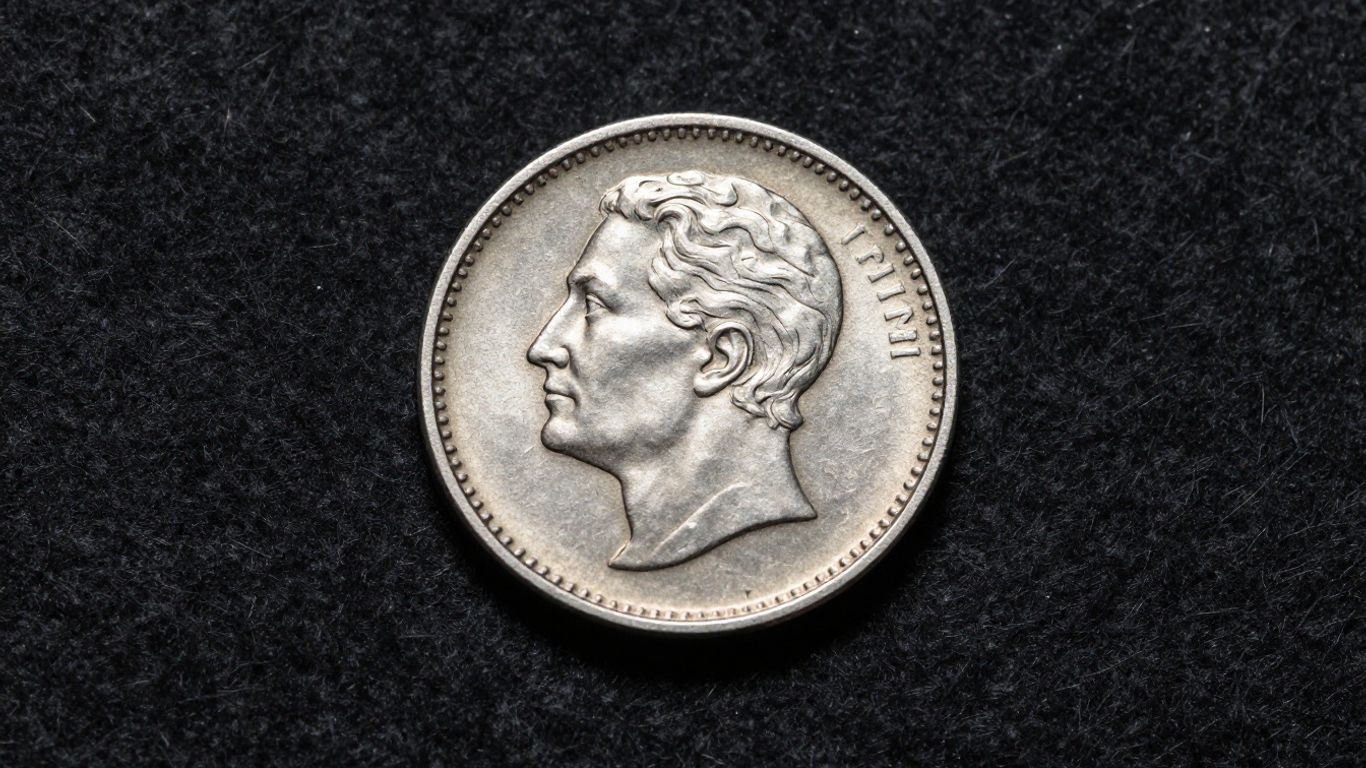
Collectors often categorize these errors based on the severity of the collar interference. These variations are useful for building a specialized collection focused on manufacturing irregularities. Understanding these stages allows collectors to better document their acquisitions.
Partial collar broadstrikes
In a partial collar strike, one side of the coin interacts with the collar while the remaining area expands outward uncontrollably. This creates a distinctive, tilted appearance known as a "tilted partial collar." The uneven pressure creates a unique, wedge-like aesthetic that is highly sought after by focused hobbyists.
Full collar broadstrikes (uncontained)
Full collar broadstrikes lack all peripheral containment, resulting in a perfectly round but oversized and flattened coin. Because the planchet expanded freely in every direction, the resulting image often appears somewhat mushy or stretched. These versions are considered the most pure form of the error since the die pressure was applied without any edge resistance.
Multi-struck and rotated broadstrikes
In some instances, a planchet may be struck multiple times, with each impact occurring under different conditions within the chamber. These pieces are particularly rare and complex, requiring a deep understanding of error classification. To better understand these technical anomalies, researchers rely on Error-Ref.com to catalog the extensive variety of production defects encountered in the field.
Identifying authentic broadstrike errors
Authenticating a potential broadstrike requires attention to detail. Many amateur attempts to mimic these errors through manual flattening are often easy to spot. Always handle your specimens carefully to preserve the original mint state.
Checking for the absence of edge reeding
Because the collar provides the design to the edge, an authentic broadstrike will always have a smooth, featureless surface at the periphery. If you find traces of grooves or distorted reeding, it likely indicates a counterfeit or a coin that was damaged post-minting.
Evaluating the diameter and metal flow
Authentic pieces show a natural, outward metal flow that radiates from the center of the coin. This flow is consistent with the pressure of a hydraulic press pushing the metal into the open space. The metal on the surface should look uniform in its expansion.
Avoiding counterfeit or altered errors
Distinguishing a true error from a post-mint alteration is a critical skill for any serious collector. You should always look for the subtle signs of machine-induced pressure rather than manual physical force. The CONECA glossary provides essential definitions for understanding these anomalies compared to synthetic damage.
Factors affecting broadstrike coin value
Value in the error market is driven by scarcity and aesthetic impact. While there is no fixed price for these items, collectors tend to converge on specific preferences. Market data generally suggests that major, error-prone denominations command higher interest.
Denomination and date significance
Significant historical dates or unique denominations typically hold more weight because they are often more recognizable to general collectors. A common cent with a broadstrike is often worth far less than an earlier, larger coin exhibiting the same manufacturing error.
Degree of distortion and visual appeal
Visual appeal is subjective, but significant, clear distortion is almost always preferred. Coins where the design remains legible despite the stretching are often considered to be the most desirable among serious enthusiasts. This creates a balance between the magnitude of the error and the artistic quality of the preserved design.
Market demand for specific error types
- The degree of off-center shift relative to the broadstrike.
- The clarity and preservation of the date and mint mark.
- The total absence of edge detail or reeding remnants.
- The presence of secondary errors like die fatigue or cracks.
These factors influence how a piece is ultimately priced by dealers and at auction. Collectors prioritize pieces that offer a window into the hectic, high-speed reality of a minting facility at work.
Best practices for collecting broadstrikes
Building a collection requires patience, organization, and a commitment to protecting your assets. Establishing a solid system early saves endless frustration later. Engaging with local clubs is often the best way to gain hands-on experience.
Grading and professional certification
Professional certification provides peace of mind when investing in rare error varieties that are difficult for the average person to verify. Having a third-party expert analyze and grade the piece ensures that the provenance is accurately documented before you try to sell or trade it.
Proper storage and protection methods
Broadstrikes are sensitive to environmental damage, just like any other coin. High-quality inert plastic holders are essential for preventing oxidation of the surface metal. Keeping your coins in a controlled environment ensures that they remain in the exact condition they were in when they left the mint.
Cataloging your collection for provenance
Organizing your inventory allows you to track market trends and historical pricing for specific error types. You can use tools provided at CoinSnap to help maintain professional spreadsheets for your ever-growing collection.
Conclusion
Collecting broadstrike coin variations offers a deep look into the mechanics of currency production, rewarding those who take the time to study the specific traits of minting errors. Whether you are searching for the subtle signs of a partial collar strike or a rare, uncontained full broadstrike, each discovery acts as an important piece in your numismatic journey. Stay curious, verify your findings through professional resources, and focus on preserving the integrity of your collection to ensure these unique anomalies continue to be appreciated by future generations of collectors.
Frequently Asked Questions
How does a broadstrike coin happen during the minting process?
A broadstrike occurs when the retaining collar fails to rise around the planchet before the strike, allowing the metal to push outward beyond its intended diameter.
Are all broadstrike coins valuable to collectors?
Not all are highly valuable, as the price is determined by the size of the coin, the severity of the error, and whether the design remains clear.
Can I find a broadstrike coin in my pocket change?
It is possible but rare, as modern inspection processes and quality control at the mint usually catch these errors before they enter standard circulation.
How is a broadstrike different from a blank planchet?
A blank planchet is a disc of metal that was never struck, whereas a broadstrike has been struck but lacked the necessary edge confinement to limit its expansion.
Should I clean a broadstrike coin before selling it?
Never clean any coin, as cleaning can strip away the original surfaces and significantly reduce the numismatic value of the error, regardless of how dirty the coin appears.
Does the year of the coin affect its broadstrike value?
Yes, older coins or those from key date issues are generally worth more than common, modern date coins exhibiting identical striking errors.
Where is the best place to buy authentic broadstrike coins?
You should always look for reputable coin dealers, specialized error coin auctions, or well-established numismatic trade shows that provide professional authentication.