
Key Takeaways
- Die clash marks occur when minting dies strike each other without a planchet.
- These errors leave mirror-image ghost impressions on the coin surface.
- Proper identification requires high-magnification tools to distinguish genuine strikes.
- Factors like die wear and metal alloy influence the clarity of these markings.
- Collectors often prioritize unique anomalies like rotated or misaligned clashes for their value.
Understanding the mechanics of a die clash
In the high-pressure environment of a mint, the machinery operates with precise synchronization to strike millions of blanks. A die clash occurs when this delicate balance is disrupted, causing the hardened steel obverse and reverse dies to crash together in the absence of a planchet. The resulting impact transfers the design of each die onto its counterpart in reverse, creating a permanent, incuse image that subsequently appears on every coin struck until the dies are serviced or replaced by the mint. To understand the die clash marks coins phenomenon fully, one must evaluate both the mechanical timing of the press and the chemical composition of the striking medium.
Definition and causes of die contact
The fundamental cause of a die clash is a loss of clearance within the coining press, often precipitated by a failure in the feeding mechanism. When the automatic feeder misses a cycle, the hammer die descends without a metal planchet to absorb the force, leading to direct steel-on-steel contact.
The role of planchets in the minting process
Planchets serve as the cushioning agent that prevents direct die-to-die contact during the forging process. When these are missing, the high-relief areas of each die press directly into the opposing fields, which is essentially how a Clash Marks error is born.
Differentiating between true clash marks and circulation damage
Distinguishing between genuine clash marks and simple scratches requires careful observation of the incuse detail and its orientation. While circulation damage is often random and lacks depth within the metal’s lattice, authentic clash marks exhibit deliberate, precise geometric patterns that reflect the opposing die’s design. Use the following criteria to evaluate potential errors:
| Feature | Genuine Clash Mark | Circulation Damage |
|---|---|---|
| Orientation | Mirror image | Random |
| Edge Definition | Crisp, recessed | Rough, irregular |
| Consistency | Uniform pattern | Varies on surface |
Collectors should be aware that distinguishing these features often requires as much patience as learning to use a Chicken Gnocchi Soup recipe for a perfect broth, emphasizing that preparation and methodology remain the key to success. Proper identification prevents the misclassification of common wear as rare error types.
Identifying typical die clash marks
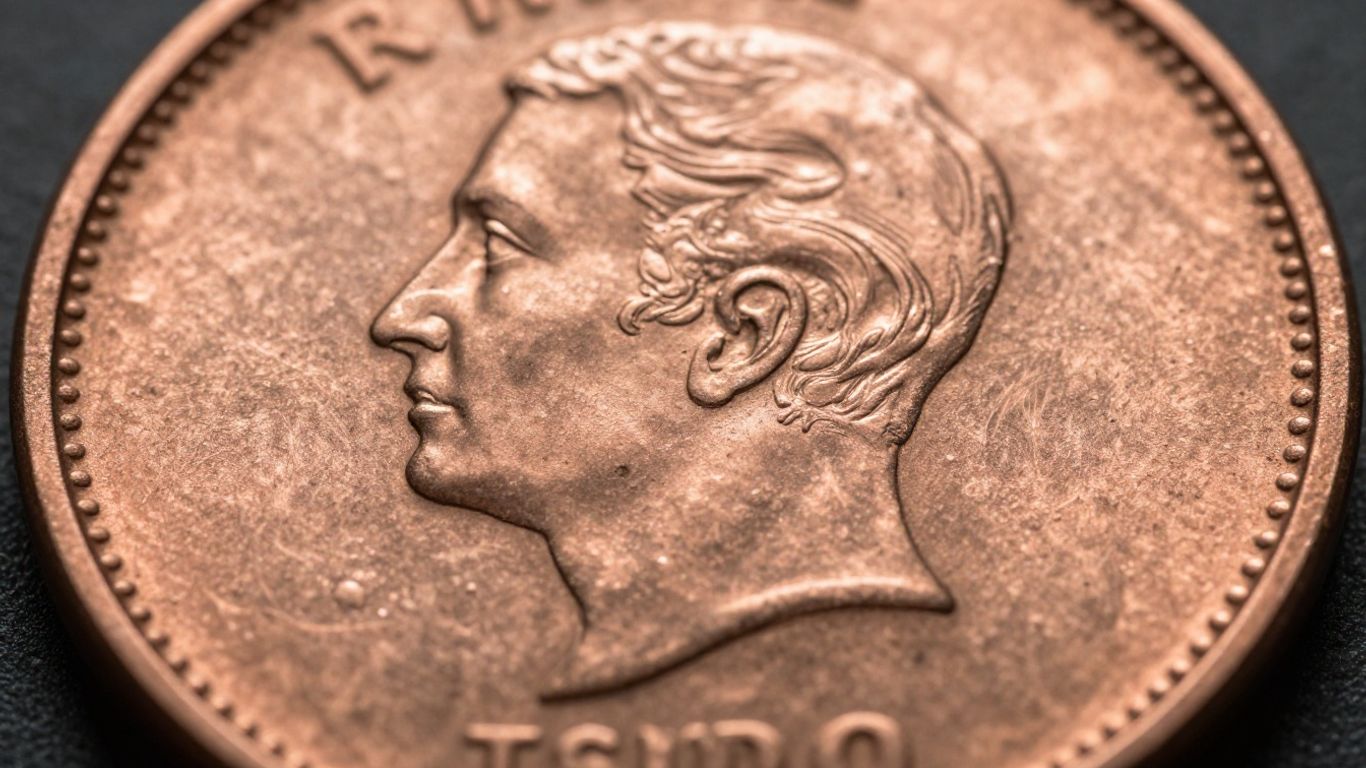
Recognizing these errors involves a keen eye for what typically belongs on a coin versus what is an intrusion from the other side. By comparing your specimen to known die imagery, you can identify where specific elements have been ghosted into the field of the coin.
Recognizing ghost images on the coin surface
Ghost images manifest as faint, sunken impressions that mimic the silhouette of design elements from the opposite face. These impressions are often strongest in the center of the coin, where the distance between the dies is smallest during the strike cycle.
Common locations for clash marks on specific mintages
Certain denominations display higher frequencies of clashes due to the specific pressure and hardware settings used for that series. As noted on Atypical Die Clashes, understanding these patterns allows novice observers to narrow their hunt for interesting varieties quickly.
Using magnification to verify strike marks
High-power loupes or digital microscopes are essential tools for verifying the nature of these strikes. When examining a coin, pay attention to the flow lines and the way the metal has been displaced. Collectors often find that like mastering Roots of Pacha mechanics, the hobby of numismatics rewards those who invest time in developing their observational skills through practice and research.
Factors influencing the clarity of clash marks
Several physical attributes determine how prominently a clash mark appears on a finished coin. These factors interact to define the aesthetic state of the resulting error, ranging from sharp, distinct impressions to barely visible disturbances on the surface.
Die wear and its impact on image definition
As dies are used repeatedly, their edges become rounded, which softens the sharpness of any clash-induced marks. An early-state clash will appear much more defined than a late-state one where the die face has degraded significantly.
Variations in metal hardness between coin alloys
Different metals behave uniquely under pressure, with softer alloys like copper tending to take more detailed impressions than harder metals like nickel. This variance creates a predictable range of error types across different years and minting eras.
The effect of post-production cleaning or polishing
Cleaning a coin can unfortunately remove the delicate incuse markers that confirm the error’s authenticity. Much like the warnings provided in the guía técnica para elegir fragrances for babies emphasize delicate handling, collectors must treat their error coins with extreme care to avoid damaging the historical evidence of the minting process.
Distinguishing unique varieties of clash marks
Some errors deviate from the standard alignment, creating rare and sought-after secondary varieties. These specimens are highly prized for their unique visual history and the unusual conditions required to produce them.
Rotated die clashes versus standard alignments
Standard clashes occur when the die orientation is fixed, but rotatability in the die housing can cause clashes to appear off-center or tilted relative to the main design elements.
Understanding "mad" die clashes and severe misalignment
Radically misaligned die clashes occur during extreme press malfunctions, often documented in Lincoln cents from the 1990s. These are distinct from typical errors because they reflect a major failure in die seating or vertical adjustment.
Analyzing evidence of multiple strike incidents
Sometimes, a die will clash multiple times before being serviced, creating a layers-of-history effect on the coin surface. You might notice these anomalies by checking resources like the rare coin error databases to catalog the specific strike sequences observed.
Value and collectibility of clashed coins
Determining the premium of a clashed coin requires an appreciation for both its objective rarity and its aesthetic appeal to the eyes. Prices fluctuate significantly based on market trends and the visibility of the anomaly on the coin.
Factors determining the monetary premium of error coins
Beyond basic rarity, the following list highlights what determines the value of a clashed specimen:
- Intensity: Does the clash mark cover a large portion of the design?
- Position: Are the marks concentrated in important central areas?
- Appeal: Does the strike look visually striking or confusing?
- Certification: Is the coin graded and authenticated by a slab service?
Each of these metrics adds to the overall desirability. Following local SEO practices for attribution makes it much easier for collectors to track the market and discover how specific errors have performed at auction in recent years.
Assessing rarity versus visual appeal
While some errors are technically rare, they may hold little interest if the marks are illegible. Conversely, a clear and dramatic clash can command significant interest from enthusiasts regardless of whether it represents a statistically frequent occurrence.
Grading considerations for clashed specimens
Third-party grading services evaluate the technical grade of the coin alongside the presence of the error. A finely preserved specimen with a clear, well-attributed clash mark is far more valuable than one with surface damage or wear that obscures the detail.
Documenting and preserving your error collection
Safeguarding your collection is the final step in a successful numismatic journey, ensuring that your investment retains its condition for the future. Proper documentation also assists researchers in mapping the history of press malfunctions across different years.
Proper storage techniques to prevent surface degradation
Using inert plastic holders prevents moisture and air exposure from altering the coin’s surfaces. By applying SEO workflows to your own record-keeping, you can effectively track the variety, grade, and provenance of each item in your collection, mimicking the order and consistency of professional archivists.
Essential tools for attribution and verification
Having the right technical gear ensures that your attributions remain accurate. From high-quality lighting to specialized measuring software, these tools help verify if a piece is a standard clash or a true atypical variety.
Resources for tracking known error varieties
Maintain access to reliable databases that monitor new discoveries in the error community. Sharing your findings strengthens the collective knowledge base and helps improve the hobby for everyone.
Conclusion
Identifying and collecting clashed coins provides a fascinating look into the unexpected complexity of the minting process, transforming standard currency into unique pieces of history. By understanding the mechanical causes, documenting the different varieties, and ensuring proper preservation, collectors contribute to the ongoing effort of mapping these errors for future generations. Whether you are hunting for radical misalignments or subtle ghost images, the journey of discovering these metallic anomalies remains an unmatched pursuit of precision and historical curiosity.
Frequently Asked Questions
Are all die clash marks rare?
Most common clashes occur in large production runs and are not particularly rare, though certain severe or atypical varieties are highly sought after by collectors.
Can cleaning a coin remove the evidence of a die clash?
Yes, aggressive cleaning or dipping can destroy the subtle surface detail and luster required for accurate attribution, potentially ruining the coin’s value as an error type.
Do die clashes happen on modern coins?
Die clashes are less common on modern coins due to advanced electronic error detection systems, but they still occur occasionally when machines are misaligned.
How do I tell if a mark on a coin is a clash or a scratch?
Real clash marks are recessed and mirror the images of the opposite die, whereas scratches appear as sharp, uneven lines that do not correspond to any official design element.
What is a MAD clash?
This stands for a Misaligned Die clash, referring to a scenario where the dies collide while being shifted horizontally or tilted, resulting in unusual and off-center ghost images.
Where are the best places to look for these errors?
You can often find them in bank rolls or through specialized coin dealers, but many serious collectors prefer purchasing pre-authenticated coins at auctions.
Should I certify a coin if I think it has a die clash?
If you believe you have discovered a rare or particularly distinct clash, it is usually worth the cost of professional grading to solidify its provenance and market value.