
Key Takeaways
This article examines the historical and functional evolution of coin edges, focusing on the shift from simple designs to sophisticated anti-fraud measures.
- Plain edges were the standard for ancient hammered currency.
- Coin clipping drove the need for edge innovations to preserve metal value.
- The Royal Mint played a pivotal role in refining mechanical edge design.
- Modern mints use varied edge patterns to enhance security and tactile identification.
- Numismatic interest in plain edge errors highlights the tension between manufacturing precision and unique coin variants.
Early origins of plain edge coins
Ancient minting techniques
In the earliest days of coinage, metal was shaped through manual forging and hammer strikes rather than mass-produced mechanical presses. Designers focused heavily on the obverse and reverse faces, often leaving the edges unaddressed as a natural byproduct of the casting process. Many early minted pieces retained the rough, uneven texture characteristic of hand-struck metal, signaling their reliance on weight rather than face value.
- Early metallic blanks were hand-cut from thin sheets.
- Hammering force was inconsistent across different production runs.
- Weight verification served as the primary method of validation.
- Edge treatments were non-existent in these early stages.
As seen in the coin edge types guide, these ancient methods prioritised raw metallic content over standardized physical form. The lack of uniformity on the edges reflected a period where precise mechanical consistency was not yet technically feasible, leading to the creation of the plain edge coins history we study today.
The era of hand-struck currency
The distribution of currency relied on physical exchange where the intrinsic worth of the metal was paramount. Collectors often look back at these hand-struck pieces as tactile artifacts of a bygone era, where every coin felt slightly different from its neighbor. There was little concept of a regulated edge, as the goal was simply to deposit enough gold or silver into the die to strike the image successfully.
Why early coins lacked edge details
Early minting had not yet integrated the collar die, which would later allow for consistent peripheral designs. Without the protective constraint of a collar, the planchet would expand unpredictably under the stress of the strike. This absence of edge development was, therefore, not a choice but a limitation inherent to the rudimentary technology of the time.
The threat of coin clipping
Defining the practice of clipping
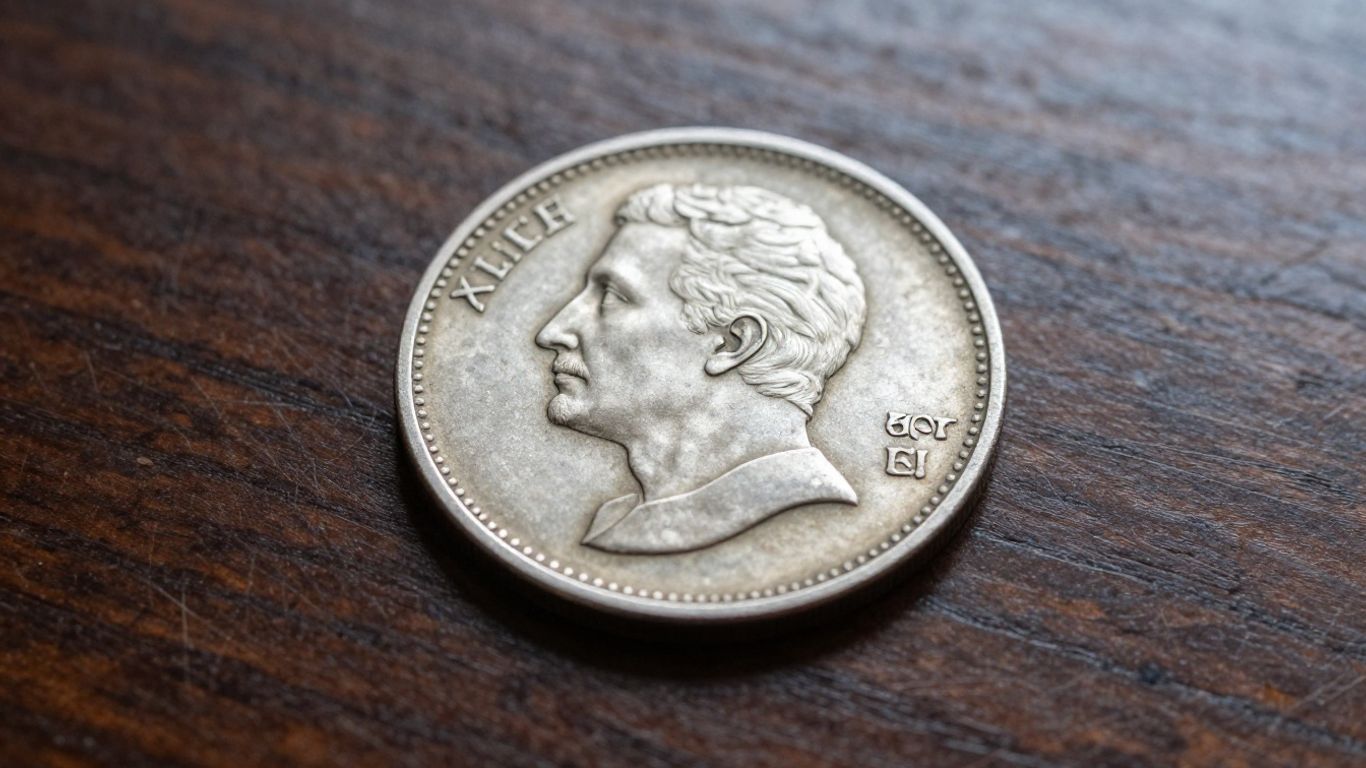
The act of shaving small strips from the edge of a coin allowed counterfeiters to accumulate precious metal while keeping the coin in circulation. This insidious practice threatened the stability of the entire monetary system, as people could no longer trust the value of what they held in their hands.
After reading about why coins have ridges, it becomes clear that preventing such theft was essential for national economies. By subtly reducing the weight of gold or silver money, criminals eroded communal trust.
Economic impact on silver and gold circulation
The loss of metal weight through clipping created a domino effect that damaged institutional confidence in currency. Merchants grew skeptical of high-value denominations, frequently requiring coins to be weighed at the point of sale. This created an operational burden for businesses, similar to the administrative locksmith business guide hurdles for modern firms managing lead qualifications.
Early attempts to deter metal tampering
Authorities initially attempted to mark the edges of coins as a primitive warning system to identify tampering. While these attempts were inconsistent, they laid the groundwork for more sophisticated mechanical interventions. The goal was to reach a state where any damage to the edge would be visibly apparent to the average merchant.
The transition from plain to milled edges
Isaac Newton and the Royal Mint reform
Isaac Newton, during his tenure at the Royal Mint, oversaw sweeping reforms that dramatically increased the security of the circulating currency. He recognized that the existing, easily tampered-with edges were a liability that enabled widespread fraud. His efforts helped transition the state from manual, error-prone production to high-precision machine minting.
| Production Stage | Characteristic | Security Level |
|---|---|---|
| Hand Striking | Rough Edges | Low |
| Early Milling | Initial Texture | Moderate |
| Collar Strike | Integrated Reeded Patterns | High |
This shift, as explored in the history of reeded edges, transformed the physical security of money. The standardized edge became a hallmark of national fiscal authority versus amateur counterfeiting.
The introduction of the collar die
The collar die acted as a rigid wall that maintained the shape of the coin blank throughout the striking process. By forcing the metal to flow into, rather than away from, the edges, the mint could imprint textures that were nearly impossible to replicate at home. This mechanical leap ensured that the edge could carry meaningful, tamper-evident patterns.
Mechanical precision vs. manual production methods
Moving away from hand-striking allowed for consistent mass-production without the significant loss of detail or edge integrity. This precision made it possible for modern coins to feature designs that prevent the extraction of silver or gold. It effectively ended the era where private money loans or trade were the only ways to ensure value in inconsistent asset-backed markets.
Cultural and functional significance of plain edges
Decorative plain edges in commemorative coinage
While reeded edges are associated with security, plain edges are frequently reserved for commemorative pieces. This smooth finish acts as a decorative element that draws attention to the purity of the planchet itself. It highlights a certain aesthetic elegance which is often preferred by private collectors who want a clean, minimalist display.
Distinctive qualities of contemporary plain edge currency
Modern currencies often use smooth edges on lower-denomination coins like pennies to save on minting costs. This design choice differentiates them from higher-value coins in a tactile way. Because these coins lack grooves, they are easily distinguishable by touch, serving a role similar to the information found in a coin edges video.
The tactile difference between smooth and reeded edges
The contrast between a smooth surface and a grooved one provides essential clues about the value and denomination of a coin. This difference is not just for collectors; it provides a necessary functional benefit for visually impaired individuals. The ability to identify denominations without vision reflects the importance of inclusive design in currency manufacturing.
Plain edge errors and numismatic value
Understanding missing reeding on modern coins
A missing reeding error on a coin that is expected to have it can significantly increase its value among collectors. Such errors occur when a coin happens to miss the collar die during the pressing process, leaving it with an unintended smooth edge. These manufacturing quirks demonstrate the contrast between expected production standards and the realities of large-scale minting.
Factors that increase collector curiosity
Collectability is often driven by scarcity or unique variations in production. When a coin has a plain edge that should be reeded, it naturally creates a narrative for the numismatic community. Collectors often seek out these numismatics history details to complete their sets, as these oddities represent a rare departure from the standardized output.
Distinguishing intentional mint errors from wear
Identifying an intentional strike error requires distinguishing it from ground-down or worn edges. While an error coin displays perfectly smooth metal that matches the luster of the faces, a worn coin often shows signs of metal removal or surface degradation. This differentiation is vital for any serious collector looking to invest in authentic pieces.
Modern applications of edge designs
Security features in global circulating currency
Security remains the primary impetus for complex edge designs, with modern mints utilizing a variety of techniques. Beyond just standard reedings, the global financial landscape has incorporated edge lettering and intermittent patterns to deter professional counterfeiters. These features have evolved significantly from the early metallic markings to high-tech, laser-inspected designs.
The use of edge lettering as a countermeasure
Adding text directly onto the edge of a coin creates another layer of security that is difficult to forge. It serves as a visual and tactile barrier, ensuring that even if the obverse and reverse are copied, the edge remains a distinct, verified characteristic. The process requires precise, advanced equipment that is largely inaccessible to illicit operators.
Comparing plain edge usage across world mints
Different national mints adopt different standards for their edges based on local tradition and security needs. Some countries maintain a preference for plain edges on specific denominations to reduce the overall complexity of production, while others standardize reeded or lettered edges across nearly every coin type. This variation offers a global view of how individual governments prioritize cost, function, and aesthetic design.
Conclusion
The evolution of coin edges from simple, irregular shapes to complex, secure designs reflects a long history of human ingenuity in the face of fraud. While innovations like the collar die were created to protect the integrity of silver and gold, these features have also become an integral part of how we perceive, handle, and classify currency globally.
Frequently Asked Questions
Why do some modern coins feature plain edges?
Plain edges are often used on lower-value coins to keep the production process simple and cost-effective, or they may be a stylistic choice for commemorative and proof-quality issues.
How does a collar die imprint a pattern?
During the minting process, the collar die acts as a support around the blank, and as force is applied by the top and bottom dies, the metal flows into the collar, capturing the edge design.
Can I identify my currency as fake by checking for reeding?
While consistent reeding is a sign of authentic minting, modern sophisticated counterfeiters may attempt to mimic edge patterns, so reeding alone is not a guarantee of a coin’s legitimacy.
What is a mule coin in relation to edge errors?
A mule coin occurs when two disparate dies intended for different coins are paired, and in some cases, these pieces may also feature incorrect or missing edge details due to the mismatched production setup.
Are plain edges common on gold bullion?
While some gold coins are reeded to deter shaving, many modern gold bullion pieces use plain edges to maintain a classic, clean aesthetic that showcases the quality of the precious metal.
Does wear and tear affect the appearance of reeding?
Yes, over time, the sharp edges of the reeds can soften or diminish in clarity due to constant handling, which can make it harder for a collector to identify the original minting process.
How do edge inscriptions differ from reeding?
Edge inscriptions involve the physical engraving of letters or dates onto the peripheral face of the coin, whereas reeding consists of a series of repeating, vertical grooves around the edge.