
Key Takeaways
Recessed edge lettering is a precise minting process that adds unique inscriptions to the circumference of coins, requiring complex mechanical alignment. Collectors track these coins for specific anomalies, with varying impacts on their overall numismatic value.
- The introduction of lettered edges stems from legislative mandates dating back to the late 18th century.
- Recessed designs like dropped letters represent distinct minting errors caused by die debris.
- Edge lettering requires specialized segment dies that coordinate with the main planchet strike.
- Proper storage is essential, as recessed edges are highly susceptible to friction and abrasive surface wear.
- Appraising these coins involves analyzing the clarity, depth, and centering of the decorative or legal inscriptions.
Understanding the history of recessed edge lettering
Coin minting technology has traveled a long path, shifting from hand-hammered blanks to high-speed automated systems. While early coins mostly focused on obverse and reverse imagery, the inclusion of text on the edge became a technical hurdle designers sought to overcome. This evolution marks a transition toward tighter security features and clearer legal identification on modern currency.
Evolution of coin minting techniques
The fundamental challenge in early manufacturing was the physical space available for artistic detail. As web design patterns in the digital space echo a need for clear communication, historical mints struggled with how to incorporate long phrases without marring the faces of the coin. The mastery of edge-striking necessitated advancements in metallurgy and mechanical engineering that eventually allowed for precise impressions in circular configurations.
Congressional acts and the introduction of lettered edges
Legislators have long dictated the required look of national currency to prevent counterfeiting. Per the inscriptions on U.S. coins history, the transition to adding text on the perimeter served as a strategic layer of protection against clipping precious metal, a common crime in the colonial era. By mandating these specific markings, the government forced mints to adopt complex collars that could handle the added strain of edge-lettering during high-speed production cycles.
Comparing traditional reeded edges to lettered edges
Traditional reeded edges were designed primarily to discourage fraud by exposing any attempt to shave metal from the sides. In contrast, modern recessed edge lettering provides both a security benefit and a platform for historical narrative. While reeding serves as a simple tactile deterrent, lettered edges function like a Mustang Roof system that provides durable, long-term integrity for the overall structure of the coin design.
Identifying recessed edge lettering errors
Collecting error coins requires a sharp eye, especially when the mistake is hidden away on the narrow side of a disc. Spotting these subtleties involves examining the coin under specific lighting conditions to verify if the anomaly stems from the original minting process or external physical damage. By organizing your find against known records, you can determine if a rare discovery is worth professional certification.
Analyzing dropped letter anomalies
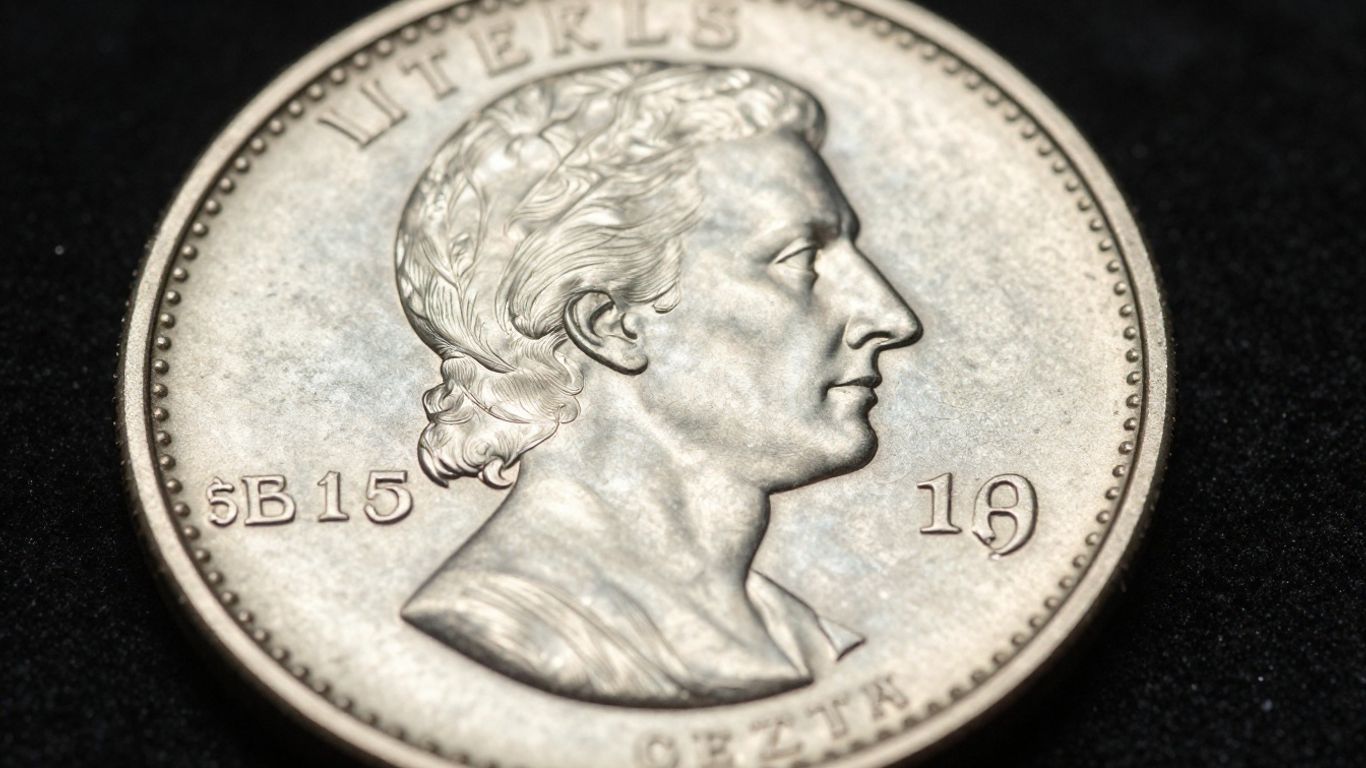
Researching a rare dropped letter error provides insight into how mint machinery fails in unique ways. Over time, debris or grease trapped within the recesses of a die can compress, then accidentally drop onto the edge of the planchet during the striking process. This creates an incuse figure that appears inverted or offset, offering a fascinating glimpse into the mechanics of high-volume mass production.
Signs of incomplete or weak impressions
When the die does not meet the coin with sufficient pressure, the resulting text may look ghosted or blurry. This can happen due to poor calibration in the collar or incorrect timing during the cycle. It is worth noting that for those unable to visually scan small details, an audio reader can help summarize descriptions of such errors in archival databases for accessibility purposes.
Distinguishing factory errors from post-mint damage
Distinguishing between a legitimate mistake and common wear is critical. If you scrutinize the damaged edge coins you collect, look for metallic flow lines that suggest the metal was struck into place versus signs of scratches or dings occurring after the coin left the facility. The following table identifies common indicators for verification:
| Feature | Factory Error | Post-Mint Damage |
|---|---|---|
| Recess Edge | Consistent Depth | Uneven or Jagged |
| Metal Flow | Original Luster | Scratched Finish |
| Surrounding Text | Clear and Crisp | Distorted Appearance |
- Check under high magnification for evidence of friction marking.
- Compare against established error databases to identify known frequency.
- Examine the base of the letters for smoothed metal artifacts.
- Consult with professional numismatic graders when unsure of authenticity.
How recessed edge lettering is applied
The role of the segment die in the minting process
Applying edge text requires a segment die that wraps entirely around the blank planchet during the moment of impact. This modular assembly must withstand an incredible amount of pressure without shifting, which would otherwise ruin the alignment of the letters. These segments, usually made of hardened steel, must be periodically rotated or replaced to prevent the text from becoming dull.
Timing of the edge inscription during striking
Modern presses are designed to coordinate the lateral expansion of the metal with the vertical strike of the obverse and reverse dies. If the timing is slightly off, the letters might be squashed or partially missing, leading to the variations collectors so often pursue. This synchronized pressure ensures that the recessed details reach the proper depth without compromising the central design of the currency.
Technical challenges in edge-lettering high-volume coins
Maintaining uniformity across millions of pieces is a logistical nightmare for any national mint. Factors like metal hardness, die temperature, and press speed all contribute to the final quality of the impression. Consequently, slight variations in the strike are often expected, though major deviations are categorized as interesting collector varieties.
Collecting and valuing recessed edge lettering coins
Grading criteria for edge details
Professional graders evaluate the edge with as much intensity as the front and back of the coin. They look for sharp, clean edges on the lettering that have not been rounded off by years of circulation. A coin with a perfect edge impression will always carry a higher premium for serious enthusiasts.
The impact of edge quality on overall coin value
A pristine recessed edge can significantly increase the resale potential of a standard issue coin. Because the edges are prone to catching dents and scrapes in daily life, those that remain in mint condition for decades are considered quite unique. This scarcity drives interest among those building high-grade collection portfolios.
Market demand for specific year and mint mark errors
Collectors often search for coins from specific years where equipment settings were known to be inconsistent. These high-demand items are frequently swapped in forums associated with groups like the CONECA forum discussion, where experts share photos and diagnostic tips. Understanding which years and mints have documented edge lettering issues is the best way to develop a focused and profitable collection strategy.
Preserving and storing coins with edge lettering
Best practices for handling coins with exposed lettering
Handling these coins requires care to prevent oils from your skin from interacting with the metallic surfaces. Always wash your hands before touching your collection, or use lint-free cotton gloves. Minimizing direct contact helps prevent both surface corrosion and the inadvertent accumulation of dirt in the recessed letters, which can be difficult to clean without professional help.
Choosing appropriate storage solutions to prevent edge wear
Standard coin flips may put unnecessary pressure on the edge, especially if they are tight or made of low-quality PVC. It is advisable to use hard plastic capsules that protect the circumference of the coin from physical contact with other items. By creating a secure environment at home, you ensure the coin remains stable and protected in its own dedicated space.
Cleaning techniques to avoid damaging recessed details
Most experts advise against cleaning your coins, as removal of the natural patina can destroy much of the value. If dirt has become lodged in the recessed lettering, a professional conservation service is usually the only safe way to address it. Attempting to scrub these details manually will almost always result in microscopic scratches that ruin the rarity of the original strike.
Conclusion
Collecting coins with intricate edge features offers a unique challenge that blends historical curiosity with technical precision. By mastering the art of identifying genuine anomalies and prioritizing careful conservation, collectors can maintain the long-term value and aesthetic integrity of their numismatic acquisitions for years to come.
Frequently Asked Questions
What are recessed edge lettering coins?
Recessed edge lettering refers to coins that feature text, dates, or decorative motifs struck directly into the outer circumference or perimeter of the coin’s edge.
Why do some coins have lettering on the edge?
Edge lettering was traditionally used as a security measure to prevent individuals from clipping off slivers of precious metal from the coin’s edge, which was a common form of fraud in the past.
How can you distinguish an error from natural wear?
Factory errors typically show crisp, clean metal flow within the lettering that matches the surrounding design, whereas damaged edges caused by misuse usually exhibit irregular, jagged scratches and flattened, dull surfaces.
Are dropped letter errors common?
Dropped letter errors are considered relatively rare, as they depend on the specific and unusual circumstance of die debris falling into the minting chamber at the precise moment of striking.
Can cleaning a coin improve its value?
No, cleaning a coin generally harms its value by removing natural toning and creating microscopic scratches on the surface, which is something that professional graders can detect instantly.
What is the best way to store coins with edge designs?
Individual, rigid plastic capsules that do not pinch the edges are the most secure way to store these coins, as they prevent friction and physical contact with other objects or storage materials.
Do all lettered edge coins have high value?
Not necessarily, as the value of these coins is determined by a combination of the coin’s overall grade, the rarity of the specific error or variety, and the current market interest among collectors.