
Key Takeaways
Deep cameo coins represent the pinnacle of numismatic eye appeal, defined by a distinct, mirror-like contrast between their fields and raised design elements. Understanding the nuances of these designations helps collectors make informed decisions when evaluating high-value specimens.
- The deep cameo designation indicates a near-perfect contrast level between the mirrored surface and the frosted device.
- Grading services like PCGS and NGC utilize specific, distinct terminology to label these high-contrast coins.
- Production quality in modern minting remains the primary driver behind the consistency of these visible finishes.
- Market values for top-tier specimens reflect rarity, eye appeal, and historical demand among serious investors.
- Proper storage and protection are essential to maintain the integrity of the fragile, reflective proof surfaces.
What are deep cameo designations?
Collectors often search for deep cameo designations coins to capture those visually striking pieces that stand out from ordinary circulation assets. Achieving this high-contrast look requires specialized minting precision, where the flat areas achieve a mirror-like sheen while the raised imagery appears white and frosty. This aesthetic separation is not accidental; it is the culmination of decades of technical refinement in the minting industry.
Defining the contrast between fields and devices
The fundamental premise of a proof finish relies on the relationship between the fields, which are the background areas, and the devices, which constitute the raised artistic elements. In the highest quality specimens, the fields are polished until they function like fine mirrors, while the devices receive a delicate blasting treatment that makes them appear nearly white in comparison. This dramatic visual separation is what defines the "cameo" appearance, a hallmark of superior numismatic craftsmanship.
Origins of the modern proof coin minting process
Modern proof production traces its roots to a meticulous, multi-step process that differs significantly from standard minting. Early efforts, as detailed by Scottsdale Bullion & Coin, demonstrate that historical mints experimented with variations in pressure and die preparation to achieve better clarity. As technology evolved, the minting process began to treat every coin as an individual work of art, involving repeated strikes to ensure total metal displacement into the die grooves.
Visual characteristics defining the cameo frost
The frost on a proof coin is the direct result of controlled die etching. Under lighting, true cameo specimens appear to glow from within because light reflects off the mirror-like fields while being scattered by the microscopic surface texture of the devices. This contrast is the defining feature that elevated standards in the trade, much like how one identifies quality in diverse fields such as Sibotica ingredient sourcing.
Understanding the grading process for cameo finishes
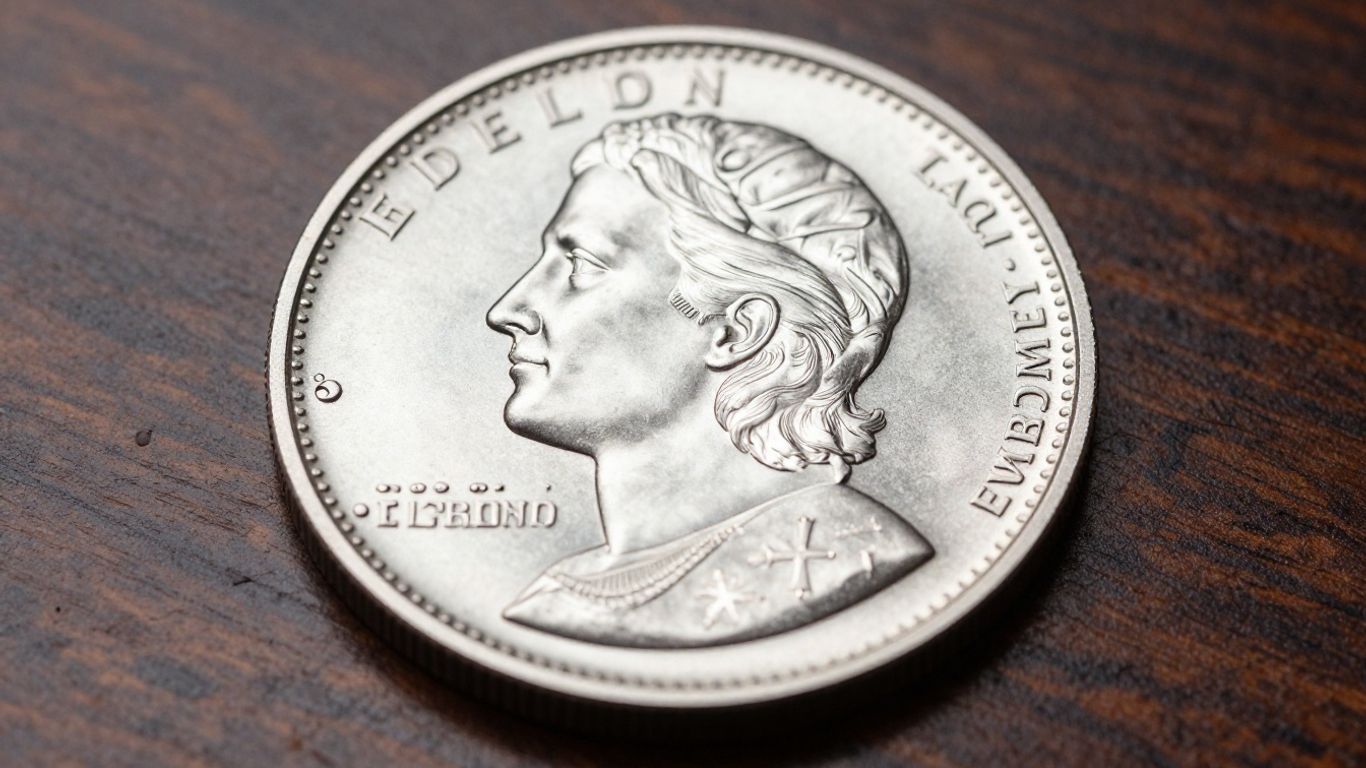
Grading agencies perform rigorous inspections to verify whether a coin truly meets the criteria for high-contrast designations. The process involves examining the surfaces under intense light to ensure that no haze or surface marks interrupt the mirror field quality. Identifying the difference between a minor finish and a true deep cameo requires highly trained eyes and strict adherence to internal standards, not unlike the logistical precision required in corporate event video production to ensure every frame captures the intended energy.
The role of sandblasted dies in coin production
Die production begins with specialized sandblasting techniques that create the textured foundation for the devices. By masking the field areas and blasting specific parts of the die, press operators prepare the tool to impart that signature frosted look onto the planchet during the striking process. The depth of this sandblasting is critical to ensuring the resultant frost remains durable through thousands of strikes.
Importance of die longevity and maintenance
Maintaining the contrast of a coin depends heavily on the condition of the dies, which inevitably degrade after repeated usage. The following factors influence die performance during a production run:
- The frequency of die re-polishing cycles.
- The consistency of the hydraulic pressure used in each strike.
- The specific metallurgy of the die blank being etched.
- The environmental controls within the clean room facility.
Ensuring strict die maintenance schedules allows mints to produce a higher volume of premium-quality coins before the frost begins to lose its sharp edges.
Distinguishing technical strike quality from surface eye appeal
Technical strike quality refers to how completely the metal fills the die, while eye appeal concerns the aesthetic impact of the finish. A coin might be technically perfect but lack the contrast required for a deep cameo designation. Consequently, collectors must look beyond just the numerical grade and consider the vibrancy of the contrast as a separate, essential metric of quality.
Comparing service-specific terminology
Terminology varies significantly between major grading services, which can confuse beginners entering the market. While the underlying physical characteristic is consistent, the naming convention hinges on the internal branding and specific standards of the company certifying the coin.
PCGS standards for deep cameo labeling
PCGS utilizes the term "Deep Cameo" to identify those proof specimens that exhibit the most intense contrast between the frosted devices and the mirrored fields. Their assessment is legendary for being stringent, ensuring that only those coins with truly breathtaking visual appeal receive this specific designation.
Why NGC uses Ultra Cameo instead of deep cameo
NGC has historically opted for the term "Ultra Cameo" to define the same standard of high contrast. This distinction is essentially linguistic rather than procedural, yet it remains vital for collectors building registry sets to understand. As discussed by Douglas Winter Numismatics, such labels often command a premium because of the high expectations associated with these specific naming conventions.
Translating designations across different third-party grading archives
Collectors often have to manually bridge the gap between terminology used by various third-party services. Understanding how PCGS Deep Cameo and NGC Ultra Cameo overlap is essential when searching for the finest examples across the broader numismatic marketplace. It is much like navigating regional differences in niche service costs, similar to the planning required when using a SwappaHome travel guide to uncover reliable local housing standards.
Factors influencing the market value of deep cameo coins
The market for high-contrast proof coins is driven more by extreme rarity and visual condition than by mere bullion content. A small difference in visual appeal can often lead to a massive variation in sale price, making these coins a unique study in value perception.
Rarity and population reports for proof specimens
Population reports serve as the definitive guide to how many coins of a certain grade and finish exist. When a coin has a very low survivor count in a top deep cameo grade, it naturally commands higher prices at auction due to the intensity of collector competition. This scarcity is a key factor to consider, whether you are dealing with rare coins or assessing miscellaneous high-value goods.
Impact of high-contrast eye appeal on auction premiums
Coins with exceptional contrast regularly fetch significant premiums over specimens that exhibit only moderate cameo finishes. The market has shifted toward rewarding superior eye appeal, which occasionally leads to scenarios where a coin with a slightly lower technical grade sells for more than a technically better coin because of its visual impact.
Analyzing gold versus silver deep cameo valuations
Gold proof coins often present a different value proposition because they were minted in smaller quantities historically. To illustrate the common performance metrics in the market, one might compare basic characteristics found in professional certification data:
| Metal Type | Typical Contrast Stability | Market Volatility | Collector Focus |
|---|---|---|---|
| Silver Proof | High susceptibility to toning | Moderate | High (Volume) |
| Gold Proof | Stable internal luster | Low | High (Investment) |
| Platinum Proof | Very sharp frost | Low | Niche (Rarity) |
Analyzing these categories helps investors align their purchasing strategies with their long-term financial goals and risk tolerance.
How to identify high-quality deep cameo coins
Identifying top-quality specimens requires a combination of patience and the right optical equipment. Examining the fields for micro-abrasions that don’t appear in photos is standard practice for professional collectors.
Assessing the presence of distracting marks in the fields
Because the fields of a deep cameo coin are essentially mirrors, any surface defect, such as hairlines or bag marks, becomes immediately magnified to the eye. Buyers should be wary of specimens that hide these marks behind flat or low-resolution photography. Proper assessment often requires inspecting the coin’s surfaces in shifting light to catch potential imperfections.
Using magnification to detect subtle die polish lines
Magnification reveals the fine detail of die polish lines, which can either be a sign of original mint preparation or later, more intrusive die work. While some minor polish lines are expected, excessive work can degrade the contrast, effectively thinning the frost and reducing the coin’s overall visual appeal.
Differentiating between cameo, deep cameo, and standard finishes
Standard proofs lack the depth of the mirror-frost separation found in deep cameo versions. A standard cameo might show light frosting but lack the crisp, stark intensity required for the higher designation. Collectors should practice comparing different specimens side-by-side to train their eyes to recognize these subtle but important differences.
Preserving and caring for proof-finish coins
Handling proof coins is a delicate endeavor that requires understanding the sensitivity of the surfaces. Improper care can permanently damage a coin, stripping its value and changing its visual character forever.
Proper storage techniques to prevent surface hazing
Storage environments must be stable, clean, and free of acidic materials that might cause toning or surface hazing over time. Utilizing inert, high-quality slabs is the standard recommendation for preventing contact with contaminants, a practice that mirrors the need for tidy disposal methods like junk removal to keep one’s immediate storage area organized and clear.
Risks and consequences of improper cleaning or mishandling
Cleaning a coin is the single most destructive action a hobbyist can take, as it removes the original mint luster and leaves faint, damaging micro-scratches. Once a surface has been wiped or cleaned, it can never regain its original, intended state, which immediately disqualifies it from high-value collector circles.
Benefits of professional slab protection for high-grade specimens
Professional slab protection offers a permanent, tamper-evident environment that keeps the coin safe from environmental exposure and human touch. For high-grade specimens, this is essentially a form of insurance that maintains the coin’s certification status.
Conclusion
Deep cameo coins serve as the artistic intersection of minting technology and numismatic appreciation, offering a visual experience found in few other asset classes. By understanding the rigorous standards required for these designations, collectors can confidently navigate the marketplace to build sets that are as technically sound as they are beautiful. Whether looking to SilverTowne for potential treasures or researching historical populations, knowledge remains the most effective tool in any collector’s arsenal, guiding you toward pieces that maintain their value and allure for generations to come.
Frequently Asked Questions
What does the deep cameo finish imply about a coin?
It implies that the coin was struck with intense care to create a vivid, mirrored background that contrasts sharply with the frosty, white design elements.
Is the deep cameo designation applied to all proof coins?
No, it is only applied to those specific proofs that meet a strict, high-contrast visual threshold established by the certifying company.
Can a circulated coin ever be considered a deep cameo?
Because deep cameo requires pristine, mirror-like surfaces, any circulation wear would destroy the delicate finish and make it impossible to qualify.
Does the term change based on the minting date?
While designations are consistent, the degree of contrast achievable depends heavily on the specific minting technology and die-processing methods available in the year of issue.
Why do some grading services price these coins higher?
The higher price reflects both rarity and market demand, as few coins survive in perfect, high-contrast conditions after leaving the mint.
How should I store coins with deep cameo surfaces?
Use certified, inert plastic holders in a climate-controlled environment to prevent oxidation and to minimize the risk of accidental surface contact.
Are deep cameo coins guaranteed to gain value?
No collectible is guaranteed to rise in value, but high-contrast, low-population coins have historically shown high liquidity and sustained interest among top-tier collectors worldwide.