
Key Takeaways
Understanding the nuanced craft of edge inscriptions provides a deeper appreciation for the interplay between security and artistry in numismatics. These markings once served as a primary safeguard against illicit metal removal, evolving over centuries into the decorative elements we see today.
- Edge lettering originated as an anti-counterfeiting measure to prevent coin clipping.
- Modern minting technology now allows for high-speed application of detailed edge designs.
- Collectors often prioritize coins with sharp, well-defined edge inscriptions.
- Proper storage in containers like those provided by Acrylic.SG helps maintain the condition of delicate rim features.
- Historical edge details can be analyzed to authenticate rare specimens and identify specific minting eras.
The history and origin of coin edge inscriptions
Ancient origins in early minting methods
Long before automated production, metalworkers recognized that the inherent value of precious metals invited theft. In early minting, coins were often struck from rounded blanks, leaving the outer circumference exposed and vulnerable to the clipping of small gold or silver shavings. This prompted the earliest experiments in edge decoration intended to preserve full weight.
The 17th-century shift toward functional lettering
As trade expanded, the demand for more secure currency grew, leading transitionary mints to adopt more complex edge treatments. These designs functioned as a clear warning that any tampering with the rim would be immediately visible to the public. As recounted in the Monday Morning Brief for May 8, 2023, early innovations focused on creating distinct textures that proved difficult to replicate without access to official equipment.
How inscriptions stopped the practice of coin clipping
Clipping involved shaving thin slivers from coin edges to hoard metal, a crime that compromised the currency’s integrity. By adding lettering directly onto the edge, authorities ensured that any reduction of the rim profile made the message disappear or appear incomplete. This simple yet effective security feature was a necessary deterrent in eras when the physical metal was the primary source of wealth.
The evolution of edge text in modern coinage
In contemporary currency, the necessity of security against clipping has largely been superseded by modern edge milling and reeding, yet the tradition of lettered edges survives as an aesthetic choice. Many nations now utilize edge inscriptions as a space-saving measure, moving long legal titles from the face to the rim. This transition showcases a shift from purely functional security to a more integrated approach to coin design.
Common methods for applying edge text
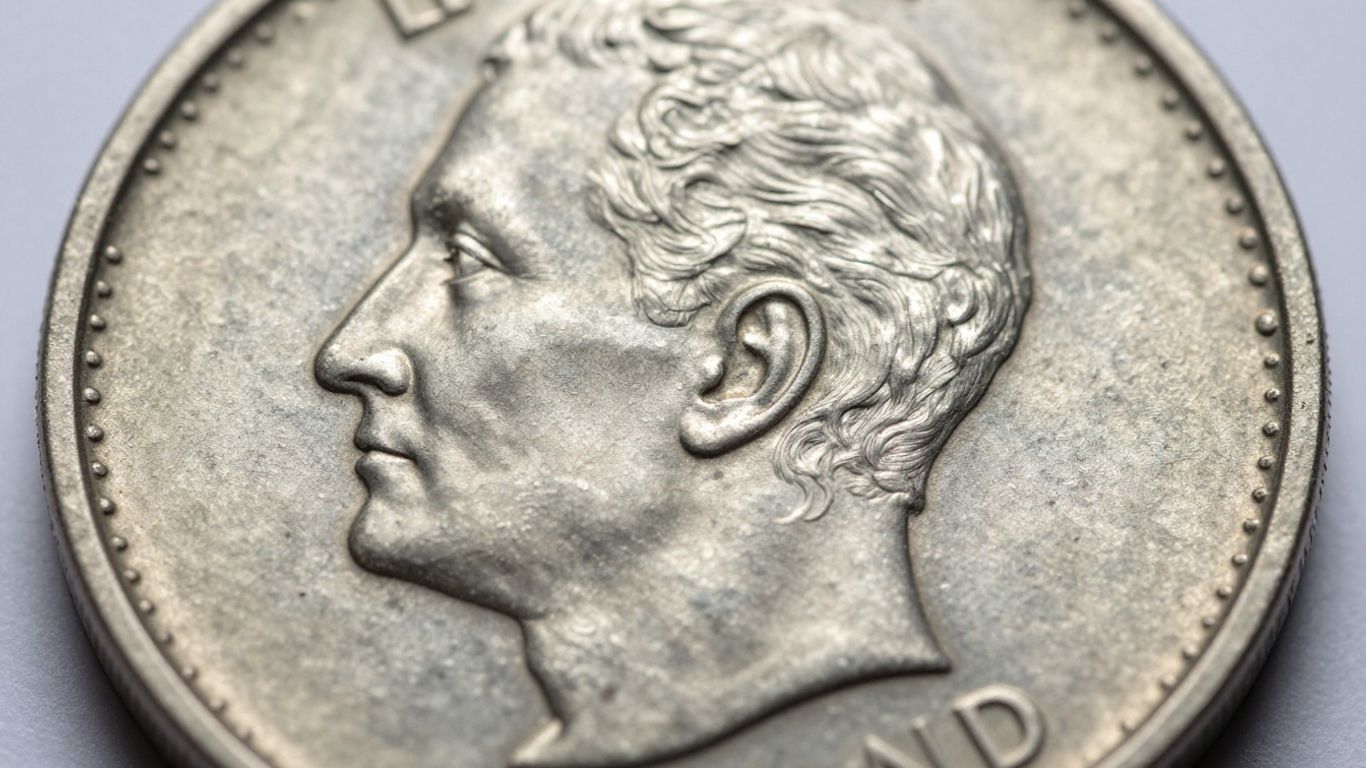
Lettered edges during the manual striking process
Historically, craftsmen applied text using heavy iron collars or specialized machines that squeezed the blank between two dies. Unlike mass production where pressure is applied in stages, these older methods relied on precise mechanical force to force metal into the recessed letters. Similar to how specific thermoplastic road markings require strict temperature control for adhesion, these early coins demanded perfect alignment to prevent blurring of the lettering.
Differences between incuse and relief lettering styles
Lettering can be either incuse, sunken beneath the edge surface, or in relief, raised above it. Incuse lettering is generally better protected from circulation wear, as the raised rim acts as a shield against physical contact with other currency. We can categorize the most common edge profiles for collectors below.
| Profile Type | Visual Characteristic | Primary Utility |
| — | — | — | — |
| Reeded | Vertical grooves | Tactile friction |
| Lettered Incuse | Sunken characters | Protection and security |
| Lettered Relief | Raised characters | Aesthetic ornamentation |
Modern machine-applied inscriptions versus traditional minting
Modern equipment applies inscriptions after the main striking, often using sophisticated rolling technology that moves at incredible speeds to ensure consistency. This contrasts sharply with the manual processes that once required individual handling of each blank. This high-speed environment balances the need for output with the necessity of keeping the image crisp.
Integrating edge technology into global minting standards
Global mints have adopted standards that allow for the seamless integration of text into the edge-finishing phase. This movement ensures that currency remains standardized across different national borders while permitting artistic flexibility for commemoratives. It marks a significant departure from experimental eras where each mint operated according to its own local techniques.
Famous examples of coins with edge inscriptions
The evolution of the British pound coin inscriptions
British coinage has long featured varying inscriptions on the edge, a practice that reflects a tradition of signaling the legitimacy of the currency. The edge inscription on £2 and £1 coins has become a subject of great interest, with many asking specifically about the orientation of the text. Scholars note that the variable positioning is a planned outcome of the manufacturing cycle rather than a design flaw.
Historical rarities like the "Godless" florin
Collectors often search for coins that missed standard production steps, such as those that were not inscribed or feature incomplete text. These anomalies offer a window into the past, highlighting the errors that occurred when machines failed or maintenance was deferred. Identifying these features requires a solid grasp of human-led Parts of a Coin cataloging, which helps distinguish a legitimate variety from simple damage.
Euro commemorative coins and their varied national edge designs
European issues often utilize the edge to signify the country of origin, adding a layer of regional identity to a unified currency. These edges often include unique symbols or motifs that surround the lettering, further distinguishing the currency. It represents a modern synthesis of traditional edge-based labeling and contemporary high-precision engraving.
Commemorative runs featuring specific dates or mottos
Special commemorative releases often feature inscriptions that commemorate anniversaries or national slogans. These runs are highly anticipated by the collecting community because the edge serves as an additional canvas for detailing the special nature of the release. It is not uncommon for collectors to use a caja de recuerdos or similar protective case to safeguard these specific releases from common environmental degradation.
Collecting coins with edge inscriptions
Identifying rare variations and minting errors
Rare variations often occur when dies are mismatched or inverted during the edge-lettering stage. Such pieces command a premium, as they represent deviations from the intended standardized output of the mint. Collectors should examine every coin under magnification to identify these subtleties.
How to inspect and grade the condition of edge text
Grading requires checking whether the lettering is worn flat or if it retains its original factory luster. Since the edge carries much of the wear during circulation, high grades are awarded only to those that show minimal handling marks. The following steps help in assessing value:
- Use a high-powered jeweler’s loupe for inspection.
- Verify the depth and clarity of each individual letter.
- Compare the inscription’s alignment against known official mint patterns.
Addressing the myths surrounding "upside down" inscriptions
Many myths persist regarding the orientation of text on the edge, with some believing it indicates rarity or a manufacturing defect. In reality, the random orientation is a byproduct of how coins are fed into the inscription machines. There is no historical consensus that intentional upside-down text was ever a feature meant to assist users.
Tips for cataloging edge-text details in your collection
Documenting the specifics of your collection ensures that you can track changes in quality over time. Consistent records help when comparing specimens, particularly when dealing with rarities. Building a detailed log is crucial for long-term collection maintenance.
The technical challenges of minting edge text
Impact of inscriptions on rim profile and coin durability
Adding text to an already thin edge requires precision to prevent the metal from being too thin at the highest point of the letters. If the lettering is too deep, the coin may suffer from structural weakness, leading to premature splitting or deformation. Balancing these factors is the primary concern for modern minting engineers.
Reducing wear and tear on lettered rims during circulation
Exposure to hard surfaces and other coins causes significant friction, which can erode lettering over time. To combat this, designers experiment with the depth of the characters, ensuring that they are recessed enough to stay protected. The goal is long-term stability rather than immediate, short-lived detail.
Balancing aesthetic intricate detail with high-speed production
High-speed production makes it difficult to maintain fine detail, as tools often become blunt after striking only a small fraction of the total mintage. Constant adjustments are necessary to ensure that the 100,000th coin looks as sharp as the first. This constant calibration remains an ongoing challenge for engineers.
Maintenance of minting dies for precise edge inscription engraving
Dies must be cleaned and replaced frequently to ensure the continuity of the inscription quality. As explored in this coin edge history analysis, worn dies lose their definition, leading to "mushy" or illegible text that degrades the coin’s value. Proper maintenance is a pillar of successful large-scale minting.
Conclusion
From their origins as essential anti-counterfeiting devices to their current role in commemorative aesthetics, edge inscriptions remain a fascinating and technically demanding element of global coinage. Collectors continue to prize these pieces for the unique history they represent and the sophisticated engineering required to produce them at scale.
Frequently Asked Questions
What caused the shift away from edge inscriptions?
Improved minting technology through the introduction of the close collar allowed for the mass production of coins that were inherently secure, rendering manual edge lettering unnecessary.
Are upside-down coin edges more valuable?
No, because the random orientation is a standard result of mechanical feeding processes and does not represent a manufacturing error or a rare variety.
Does edge lettering protect coins from theft?
Historically, it served as a primary deterrent against the illicit shaving of gold or silver, but modern coins are made of base metals where the loss of weight from clipping is not economically viable.
Can I find edge inscriptions on modern pocket change?
Yes, several circulating coins in various countries, such as recent commemorative dollar coins in the United States, still feature text on their edges.
What is the difference between incuse and relief lettering?
Incuse lettering is pushed into the surface of the coin, making it deeper, whereas relief lettering stands out from the surface, making it raised and more vulnerable to contact wear.
How should I store coins with edge designs?
It is ideal to use acid-free storage holders or protective cases that allow you to view the edge without having to touch the surface with your skin.
Why do modern coins have inscriptions on the edge instead of the face?
It allows the main design of the coin on the obverse and reverse to remain clean while ensuring all legally required government text is still present elsewhere on the piece.