
Key Takeaways
Cameo contrast finish coins represent a pinnacle of proof production, where deliberate aesthetic choices create stunning visual depth. Collectors prioritize these pieces for their high contrast and eye appeal, often requiring specific grading designations to confirm their status.
- Cameo finishes rely on the specific interaction between frosted relief and mirror-like fields.
- Grading services like PCGS and NGC differentiate between standard cameo and deep cameo designations.
- Proper storage and careful handling are essential to preserving the delicate frosted surfaces.
- Die wear naturally reduces frost levels over time, influencing the rarity of high-contrast specimens.
- Market demand remains strong for coins that exhibit clear, high-definition contrast between their surfaces.
What defines a cameo contrast finish?
The role of the coin die
The creation of cameo contrast begins with the specialized preparation of the coin die. Designers and minting technicians specifically treat the recessed areas of the die to produce a unique surface texture that contrasts with the surrounding fields, ensuring that the final strike results in a distinct, striking visual separation between the coin’s design and its background. Without this deliberate die treatment, the resulting coins lack the defining characteristics that define high-quality proof specimens.
Mechanical process of production
The production of these coins involves a multi-step mechanical sequence designed to achieve high levels of clarity. Technicians first frost the die surfaces and polish the field areas until they achieve a mirror-like finish, which allows the subsequent strike to impart these textures onto the planchet. Once the coin is struck, the interaction between the hardened die and the blank planchet creates the iconic two-tone appearance that collectors seek.
Visual characteristics of the fields versus the devices
The defining visual impact of these coins is the stark difference between their two distinct surfaces. The relief, commonly referred to as the devices, features a matte, frosted appearance that captures light in a way that feels soft and opaque, while the fields remain highly reflective and smooth like polished glass. A summary table illustrates how these elements interact with light to create the total coin aesthetic:
| Surface Feature | Light Reflectivity | Visual Description | Effect on Eye |
|---|---|---|---|
| Field Area | High | Mirror-like | Deeply reflective |
| Device Relief | Low | Frosted or Matte | Softly opaque |
| Transition Zone | Variable | Sharp definition | High contrast |
These components work in tandem. When the light hits the field, it reflects clearly, but the frosted devices scatter the light, creating the depth that collectors love.
Understanding numismatic grading terminology
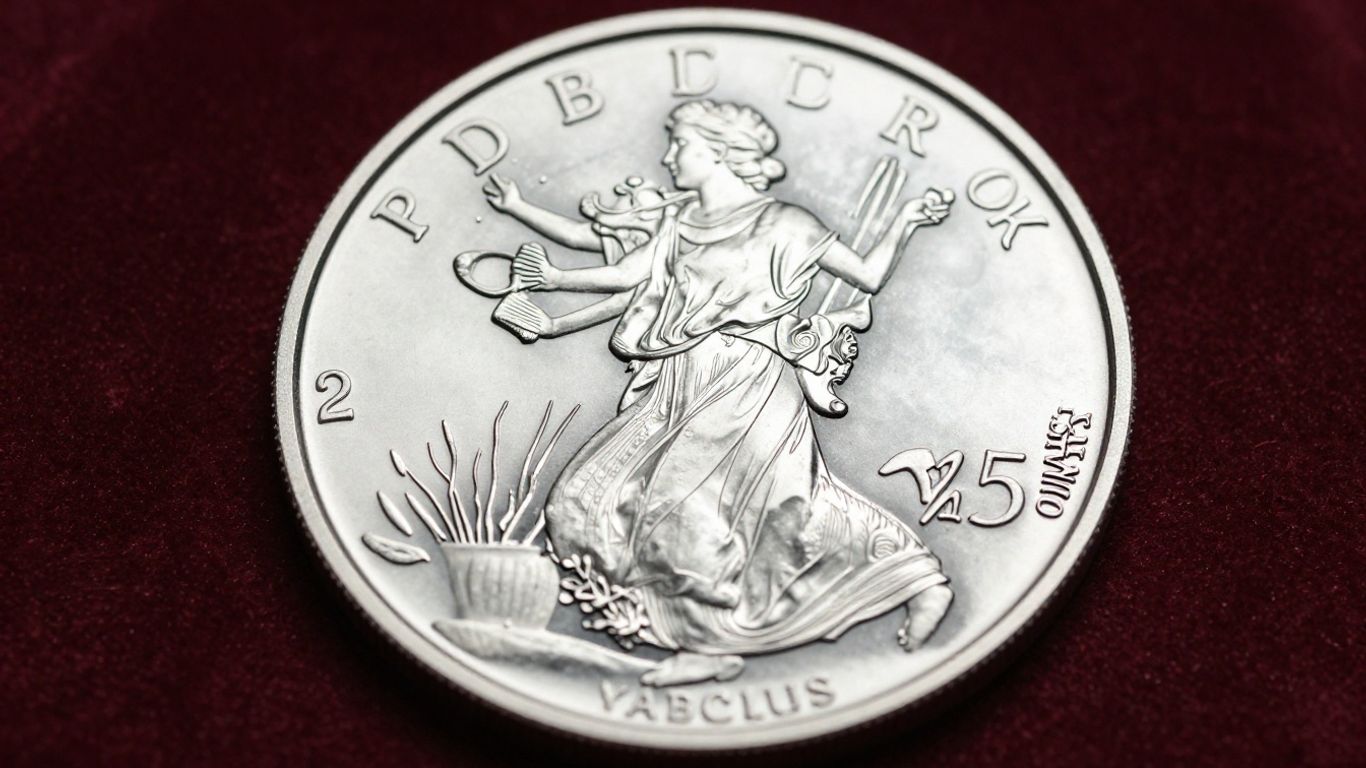
Standard cameo versus deep cameo designations
Grading services categorize the intensity of this visual effect to help collectors determine value. A Deep Cameo designation is reserved for specimens that demonstrate the highest degree of contrast, where the frost is exceptionally dense and the fields are nearly indistinguishable from deep, dark mirrors. Coins failing to reach this specific standard may still exhibit enough contrast to earn a standard cameo designation, though they remain distinct from typical proof coins lacking these effects.
Grading differences between PCGS and NGC
Both major grading houses apply their own rigorous standards when evaluating a coin’s finish. Collectors often look for consistent quality when comparing slabs, though nuances in grading policy can sometimes lead to differences in how a coin is labeled. Understanding these standards is like utilizing a video editing technical guide, where every professional decision impacts the final output quality.
The impact of aesthetic balance on market value
Market value is inextricably linked to the visual balance of the coin’s finish. A specimen that exhibits perfect, uniform frosting across all devices will command a significant premium compared to one where the frost is uneven or patchy. Just as a corporate video campaign requires consistent visuals to maintain viewer interest, a high-grade proof coin relies on its uniform contrast to capture serious collector attention.
Factors affecting the visible contrast
Planchet surface and preparation techniques
The journey toward a perfect coin begins with the quality of the planchet preparation. Before it ever reaches the striking dies, a planchet must be burnished and polished to a specific standard to ensure no microscopic pits or scratches remain to interfere with the final finish. If the surface is compromised early, the light refraction that produces the cameo effect won’t appear clearly, regardless of how high-quality the striking process might be.
Die polishing and laser frosting methods
Modern mints utilize advanced technology to ensure the consistency of their frosted dies. This often involves laser technology, which can apply a precise, uniform frost to the die surface, yielding a level of repeatability that older chemical etching methods could not match. These methods ensure that every coin strikes with the expected degree of contrast.
Wear patterns and long-term environmental degradation
Over time, even the most stunning cameo finish can drift toward a less striking state if not properly maintained. As the proof coins age or face environmental exposure, the delicate frost can dull and the mirror surfaces can cloud. Maintaining the integrity of these pieces involves avoiding conditions that might lead to environmental damage.
Differences from other proof finish types
Comparison with standard business strikes
Business strikes are produced in a mass-market environment designed for circulation, lacking the mirror-like field or frosted relief found in specialty proof strikes. These coins are inherently different in both their manufacture and their intended use, making them appear duller and less vibrant when held alongside a true cameo specimen.
Contrast levels in matte finish coins
Matte finish coins are intentionally designed to be non-reflective, which serves as the total inverse of the cameo aesthetic. Instead of highlighting specific devices against high-mirror fields, a matte coin provides a consistent texture across the entire surface, prioritizing texture over reflective contrast. Collectors should note the following differences between finish types in typical collections:
- Proof Cameo: High contrast, mirror fields, frosted relief.
- Matte Finish: Uniform texture, low reflectivity, no contrast.
- Business Strike: Naturally lustrous, varying surface quality, minimal relief frost.
These variations demonstrate why defining your collection goals is essential. Just as one might look at proof coin finishes to determine rarity, understanding these finish distinctions is vital for building a curated set.
Distinguishing satin versus cameo aesthetics
Satin finishes sit between a full cameo look and a matte appearance, offering a soft glow rather than a bright frost. While they may appeal to collectors who enjoy more subtle surfaces, they do not provide the sharp aesthetic impact that defines the classic cameo specimen, resulting in entirely different visual signatures.
Preservation and care for cameo coins
Recommended storage and archival supplies
Storing these coins requires careful attention to the chemical reactivity of your storage materials. Using high-quality, inert plastic holders—ideally those recommended by professional numismatic organizations—provides a safe environment that prevents PVC damage or other forms of chemical reaction that might mar the coin’s reflective fields.
Risks of improper cleaning or wiping
Never touch, wipe, or attempt to clean a cameo proof coin. The moment a cleaning cloth touches the surface, it risks introducing hair-line scratches that forever alter the mirror-like fields, effectively destroying the premium value of the cameo contrast. Even a professional might find a night driving awareness strategy safer than attempting to clean a delicate coin surface, as irreversible damage can occur in mere seconds.
Handling guidelines to maintain finish integrity
When you handle these coins, always hold them by the edges to prevent skin oils from contacting the frosted devices or mirror fields. Using gloves or simply practicing caution ensures that the coin’s surfaces remain as pristine as the day they left the mint, protecting your investment for the future.
Investing in cameo contrast specimens
Historical market demand for contrast quality
Throughout history, collectors have gravitated toward coins that offer the most extreme examples of contrast, viewing these as the pinnacle of medallic art. This sustained demand ensures that high-quality specimens with deep, clear frost remain high-priority assets for serious investors interested in long-term value.
Evaluating visual appeal in high-grade proof coins
Investors look for striking features that make a coin stand out in a crowd. Evaluating these specimens is essentially a study in light and symmetry where the slightest increase in contrast often correlates to a massive jump in market interest. Similar to how one would appreciate the Gulf Coast sunset for its natural light show, a coin collector looks for a similar brilliance in their high-grade acquisitions.
Rarity and population reports for exceptional cameo contrast
Rarity in this category is usually defined by the number of coins that retain their frost qualities after the minting process. Since die wear gradually decreases contrast, those early-strike specimens are naturally scarcer and thus often populate the upper ranks of population reports. Keeping an eye on these reports is the primary way investors identify whether a specific year or issue remains a sound acquisition.
Conclusion
Cameo contrast finish coins stand as a testament to the intersection of art and engineering in numismatics. By understanding the manufacturing nuances, the importance of grading, and the necessity of proper care, collectors can develop deep appreciation for these visually arresting pieces. Investing in these specimens requires patience, knowledge of grading standards, and a commitment to preserving their delicate beauty for generations to come.
Frequently Asked Questions
What does the term cameo refer to in coin collecting?
It describes the high-contrast appearance between the frosted, matte-looking relief designs and the highly polished, mirror-like background fields of a coin.
Why do some proof coins lack the cameo contrast effect?
Dies wear down during the striking process, causing the frost to gradually diminish, which often results in proof coins that have brilliant but not frosted surfaces.
How does the grading process distinguish between cameo and deep cameo?
Grading services evaluate the density, uniformity, and brightness of the frosted relief against the reflective quality of the fields to apply specific designations.
Can a coin develop a cameo effect over time?
No, the cameo effect is an intentional result of the minting process and cannot be replicated or restored once the die’s original texture is gone.
What are the main risks to a cameo coin's finish?
Improper storage, accidental wiping, exposure to moisture, and poor handling can introduce microscopic scratches or surface dulling that permanently compromise the mirror and frost qualities.
Why do modern mints use laser frosting on dies?
Lasers provide a consistent, high-precision way to apply frost patterns that ensure uniformity across thousands of coin strikes.
Does toning impact the visibility of cameo contrast?
Yes, heavy or unattractive toning can obscure the sharp contrast between fields and devices, potentially reducing the coin’s overall eye appeal and its potential for high grades.