
Passing down a coin collection involves more than just handing over a box of old coins. It’s about making sure your hard-earned collection, which holds both financial and historical worth, gets to your loved ones without a hitch. Without a solid plan, things can get complicated fast, leading to family arguments, tax headaches, or even the collection losing value. This guide is here to help you think through the whole process of coin collection transfer planning, so your legacy is protected and your heirs know just what to do.
Key Takeaways
- Create a detailed inventory of your coin collection, including photos, descriptions, and estimated values, to avoid disputes and aid in appraisals.
- Understand the difference between numismatic value (collector’s value) and bullion value (metal content) to accurately assess your collection’s worth.
- Consider legal structures like wills or trusts for transferring your collection, with trusts generally offering more privacy and a smoother process.
- Be aware of tax implications, such as the ‘step-up in basis’ for heirs, which can reduce capital gains taxes on inherited assets.
- Communicate your wishes clearly to your heirs through a personal letter and by discussing the collection’s significance and transfer plan in advance.
Understanding The Importance Of Coin Collection Transfer Planning
Why Proactive Planning Is Essential For Coin Collections
Thinking about what happens to your coin collection after you’re gone might not be the most exciting topic, but it’s really important. A collection isn’t just a bunch of metal discs; it’s often a lifetime of passion, history, and significant financial value. Without a clear plan, this legacy can get messy. Heirs might end up fighting over who gets what, or worse, the collection could lose value because no one knew how to handle it properly. Proactive planning means your wishes are respected, and your collection’s value is protected. It’s about making sure the coins you’ve cared for are passed on smoothly and appreciated by the next generation.
Avoiding Family Disputes Over Valuables
It’s a common story: after someone passes, their belongings become a source of tension. For a coin collection, this is especially true because coins can vary wildly in value. One coin might be worth a few dollars, while another could be worth thousands. If there’s no clear guidance, family members might:
- Assume all coins are roughly equal in value, leading to arguments.
- Disagree on whether to sell the collection or keep it.
- Not know which coins are historically or financially significant.
These kinds of disagreements can strain family relationships. A well-thought-out plan, with detailed records and clear instructions, can prevent this. It lays out exactly who gets what, or how decisions about selling or dividing the collection should be made, taking the guesswork out of it for everyone involved.
Without a documented plan, verbal instructions or assumptions can lead to significant misunderstandings and conflict among heirs. Legal documents and clear inventories are key to preventing disputes.
Preserving Numismatic Value For Future Generations
Coins have two kinds of value: their metal content (bullion value) and their collector value (numismatic value). Numismatic value comes from rarity, condition, historical significance, and demand. This is the value that can really soar over time, but it’s also fragile. Improper handling, like cleaning a coin, can permanently damage its surface and drastically reduce its numismatic worth. Even storing coins in the wrong environment can cause them to degrade. A good transfer plan includes instructions on how to maintain this value. This might involve:
- Keeping coins in protective holders or certified slabs.
- Avoiding any cleaning, no matter how tempting.
- Storing them in a stable environment, away from moisture and extreme temperatures.
By taking these steps, you help ensure that the coins your heirs receive retain their historical and financial significance, just as you intended.
Assessing And Documenting Your Coin Collection
Making a plan for your coin collection means more than just knowing what coins you have. A well-kept record can make the difference between a smooth handoff and confusion for your heirs. Here’s how to get organized so your collection’s value—and your wishes—are clear.
Creating A Comprehensive Inventory
The first step is to write down every coin, including basic facts and any special traits. This process not only protects what you’ve collected, but also helps your heirs understand what they’re getting and why each piece matters.
- List each coin by type, mint mark, and date
- Rate the coin’s condition or grade, if known
- Write down estimated value and the price you paid
- Include notes on rare varieties or errors
- Use a spreadsheet or an app to keep info organized
Having photos next to each record is a good call—visuals help others identify coins and spot if anything ever goes missing. For more in-depth tips, you might want to review advice on how to document an inherited coin collection.
| Inventory Item | Example Entry |
|---|---|
| Coin Type | Morgan Dollar |
| Date & Mint Mark | 1885-O |
| Condition | MS-63 |
| Estimated Value | $150 |
| Purchase Price/Date | $120 / 2021 |
Getting the details down now saves headaches for your family later. Even basic facts bring order and peace of mind when the time comes to pass things along.
Understanding Numismatic Value Versus Bullion Value
Not all coins are valued the same way. Some get their price from their metal, like gold or silver coins, while others are prized for rarity, age, or a special story. Knowing the difference is a big deal if your heirs consider selling, donating, or insuring the collection.
- Numismatic value is based on rarity, demand, historical importance, and condition.
- Bullion value comes from the coin’s metal content and the current market rate.
- Coins with mint errors or unique varieties can be much more desirable.
- Condition changes everything—a scratched coin might lose most of its worth.
Don’t forget to note which coins have historical or collector value. That way, your heirs won’t mistake rare finds for common pocket change.
The Role Of Professional Coin Grading
Getting coins professionally graded brings clarity to the process. A grade from a recognized service, like PCGS or NGC, can:
- Confirm authenticity and spot fakes
- Provide an unbiased grade that buyers and insurers trust
- Boost a coin’s market value—sometimes a small difference in grade means big money
- Protect coins in sealed, tamper-proof cases
A graded coin often comes with a certificate or reference number. Attach those details to your inventory—it’ll make insurance and future sales way less complicated.
When your collection is well-documented and professionally graded, your family will have clear direction even if they know nothing about coins. It saves time, cuts stress, and keeps your collection’s story intact for the next generation.
Legal Structures For Transferring Coin Collections
When it comes to passing on your coin collection, the legal framework you choose plays a big role in how smoothly everything goes. It’s not just about who gets what, but also about minimizing potential headaches for your heirs and protecting the collection’s value. Thinking about this now can save a lot of trouble later.
Wills and the Probate Process
A will is often the first thing people think of for estate planning. It’s a document where you list your wishes for your assets, including your coins. However, wills typically have to go through probate. This is a court-supervised process that validates the will and oversees the distribution of assets. While it’s a standard procedure, probate can be time-consuming, often taking months or even years. During this period, your collection might be tied up, inaccessible to your heirs. Furthermore, probate proceedings are public records, meaning the details of your estate, including the value of your coin collection, become accessible to anyone. For smaller, less valuable collections, a will might be sufficient, but for significant holdings, there are often better options.
Establishing a Trust for Smooth Transitions
Trusts offer a more private and often quicker way to transfer assets compared to wills and probate. With a trust, you can specify exactly how and when your coin collection should be distributed. You can also appoint a trustee, someone you trust to manage the collection according to your instructions, especially if your heirs are not yet ready or knowledgeable enough to handle it themselves. There are different types of trusts, such as revocable trusts, where you retain control during your lifetime and can make changes, and irrevocable trusts, which might offer tax advantages but involve giving up control. Trusts can help shield your collection from creditors and avoid the public scrutiny associated with probate, making them a popular choice for valuable collections. This method can really help in passing down your silver coin collection.
Gifting Coins During Your Lifetime
Another strategy is to gift portions of your collection to your heirs while you are still alive. This can be a way to reduce the overall size of your taxable estate. The IRS allows for annual exclusion gifts, which are amounts you can give to any individual each year without incurring gift tax. For 2026, this amount is $19,000 per recipient. Gifting allows you to see your heirs receive and appreciate parts of the collection during your lifetime. It also provides an opportunity to educate them about the coins and your passion for numismatics. However, it’s important to be aware of the gift tax rules and limits to avoid unexpected tax liabilities. Careful planning is needed to make sure these gifts align with your overall estate plan and don’t inadvertently create issues down the line.
Navigating Tax Implications In Coin Transfers
When it comes to passing on your coin collection, taxes are a big piece of the puzzle. It’s not just about who gets the coins, but also about the financial impact on your heirs. Thinking about this ahead of time can save them a lot of headaches and money.
Understanding The Step-Up In Basis For Heirs
One of the most significant tax benefits for those inheriting assets, including coins, is the "step-up in basis." Basically, this means the cost basis of the coins is adjusted to their market value on the date of your passing. So, if you bought a coin for $100 and it’s worth $1,000 when you die, your heir’s new cost basis is $1,000. If they decide to sell it right away for that amount, they generally won’t owe any capital gains tax. This is a huge advantage, especially if your collection has grown in value over the years. Without proper documentation of the collection’s value at the time of death, your heirs might not be able to claim this benefit, potentially leading to higher taxes. This is why having a solid inventory and professional appraisals is so important for inherited property.
Potential Estate And Inheritance Taxes
Your coin collection is part of your overall estate. If your total estate value exceeds the federal estate tax exemption (which is quite high, currently over $13 million for 2024), then federal estate taxes could apply. Additionally, some states have their own estate or inheritance taxes, which have different thresholds and rates. The value of your coin collection will be included in this calculation. It’s wise to get a professional appraisal to know the exact value for these calculations. Remember, the IRS considers items like silver coins and bullion as collectibles, which can have specific tax rules.
Tax Strategies For Lifetime Gifting
Another way to transfer parts of your collection is by gifting them while you’re still alive. The IRS allows you to give a certain amount each year to individuals without incurring gift tax. For 2024, this annual exclusion is $18,000 per recipient. However, when you gift coins, the recipient usually inherits your original cost basis, not a stepped-up basis. This means if they later sell the gifted coins, they might owe capital gains tax based on the difference between your original purchase price and the sale price. It’s a trade-off: you reduce your taxable estate now, but your heirs might face taxes later. Carefully weighing these options with an advisor can help you decide the best approach for your specific situation.
Communicating Your Wishes To Heirs
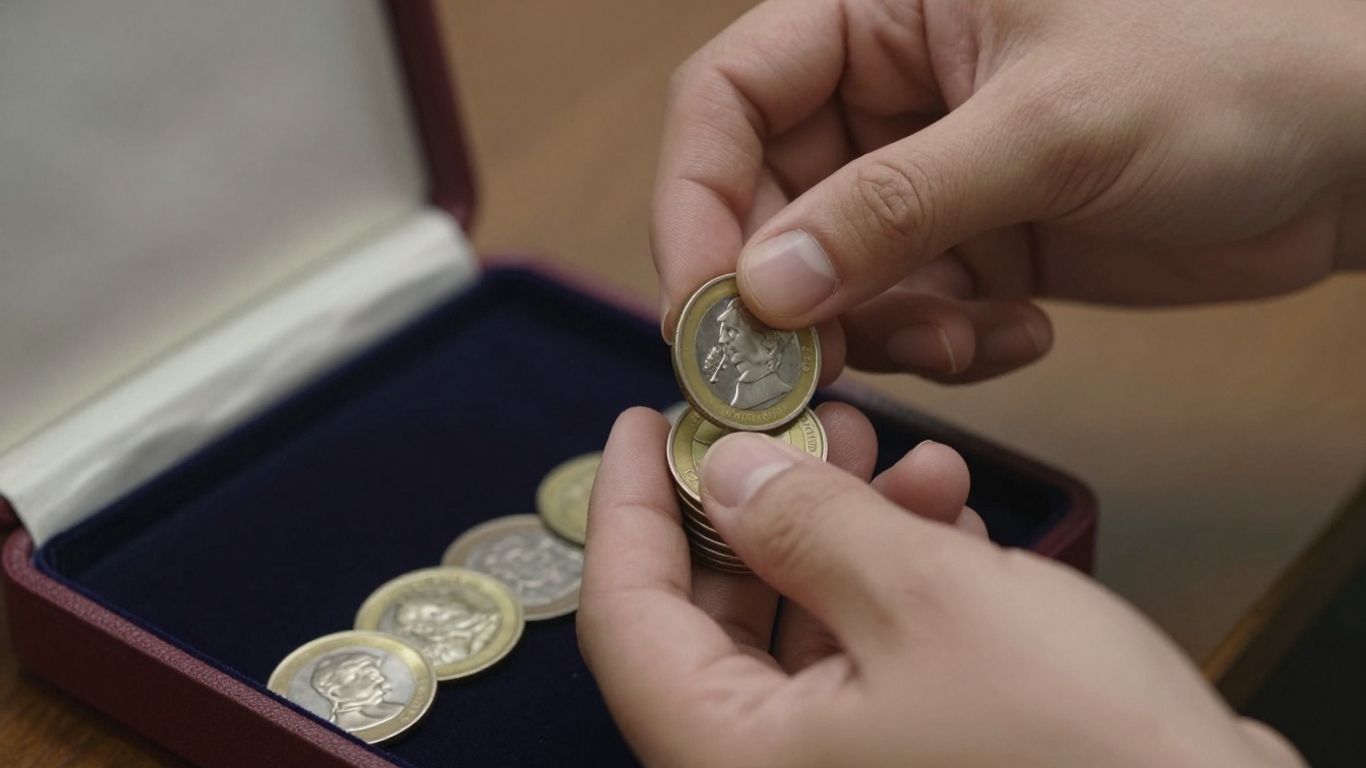
It might seem obvious, but actually talking to your heirs about your coin collection is a big step. You can’t just assume they’ll know what you want or what the coins are worth. This part is about making sure your intentions are clear, so nobody is left guessing or fighting later on.
Writing A Personal Collector's Letter
A personal letter can add a layer of connection that legal documents just can’t provide. Think of it as a way to share the stories behind your coins. You can explain how you got certain pieces, why they are special to you, or even give some pointers on how to care for them. This context helps your heirs appreciate the collection beyond its financial value. It’s about passing on the passion, not just the property.
- Detail the acquisition of significant coins: Where did you find that rare mint error? Who did you trade with for that historical piece?
- Explain personal significance: Why does this particular coin hold a special place in your heart?
- Provide care and storage advice: Simple tips can prevent damage and preserve the collection’s condition.
This kind of personal touch can make a world of difference. It transforms a list of assets into a narrative, helping your heirs connect with your hobby on a deeper level. It’s a way to share your journey and ensure the collection’s history isn’t lost.
Explaining Specific Versus General Bequests
When you’re writing your will or trust, you’ll need to decide how to distribute your collection. You can make specific bequests, meaning you name exactly which coin goes to which person. For example, "My 1909-S VDB Lincoln cent goes to my daughter, Sarah." This is very clear, but can be tricky if you have many similar items or if your collection changes a lot. On the other hand, a general bequest might say, "My coin collection goes to my son, John, to be divided as he sees fit." This gives your heir more flexibility, but also more responsibility. It’s important to consider who has the knowledge and interest to manage the collection if you give them that freedom. Discussing your collectibles and heirlooms with family members before formalizing your estate plan can help avoid family disputes.
Educating Heirs About The Collection's Significance
Simply handing over a box of coins isn’t enough. Your heirs might not know the difference between a common date and a rare variety, or understand the historical context of certain pieces. Take the time to educate them. This could involve:
- Showing them your inventory: Walk them through the list and point out key items.
- Explaining numismatic value: Help them understand that a coin’s worth isn’t just its metal content.
- Discussing market trends: Give them a basic idea of how coin values can change over time.
If you have a particularly valuable or complex collection, consider bringing in a professional appraiser or dealer to give your heirs an overview. This professional guidance can help them understand the true scope and worth of what they are inheriting, preventing them from making hasty decisions based on incomplete information.
Ensuring Secure Transport And Transfer
Safe Shipping and Delivery Options
Moving a coin collection, especially a valuable one, requires careful thought. You can’t just toss them in a box and hope for the best. For smaller, less valuable items, standard postal services might work, but for anything significant, you need to step up your game. USPS Registered Mail is a solid choice for insured and trackable delivery of moderately valuable collections. It offers a good balance of security and cost.
For those truly high-value collections, or if you’re moving a large quantity of coins, think about specialized services. Companies that handle cash and other valuables often offer armored transport. This is the gold standard for security, providing peace of mind that your collection is protected every step of the way. It might seem like overkill, but when you consider the potential worth of some collections, it’s a sensible precaution. A roll of 40 silver quarters, for instance, can be worth a decent amount just for the silver content, and that’s before considering any numismatic value [7180].
Considering Armored Transport Services
When your collection reaches a certain level of value, or if it’s particularly rare, standard shipping methods just won’t cut it. This is where armored transport services come into play. These are the same companies that move cash between banks and businesses, and they have robust security protocols. They offer secure vehicles, trained personnel, and detailed tracking. It’s definitely a more expensive option, but for irreplaceable items, the cost is often justified. It’s about minimizing risk and making sure the collection arrives exactly as it left.
In-Person Handoffs With Documentation
Sometimes, the best way to transfer a collection is face-to-face. This is particularly true if the giver and receiver are in the same area or if the collection has immense sentimental value. An in-person handoff allows for immediate confirmation of receipt and a chance for the giver to pass on any final thoughts or details about the coins. However, even with an in-person transfer, documentation is key. You’ll want to have a simple receipt or transfer document signed by both parties, noting the date and the general nature of what was transferred. This protects everyone involved and creates a clear record of the exchange.
The physical transfer of a coin collection is a critical juncture. It’s the moment when years of careful curation meet the next phase of ownership. Proper execution here prevents loss, damage, and disputes, safeguarding the collection’s integrity and the giver’s intentions.
Documenting The Entire Transfer Process
Maintaining Records Of Shipments And Insurance
When you’re ready to move your coin collection, keeping track of everything is super important. Think of it like keeping receipts for big purchases, but way more detailed. You’ll want to hold onto shipping receipts for every package sent out. This isn’t just a formality; it’s proof that you actually sent the items. Also, make sure you have records of the insurance you purchased for each shipment. High-value coins need proper coverage, and having the policy details handy is key if anything goes wrong. This documentation protects you if a package gets lost or damaged in transit.
Obtaining Signed Confirmation Of Receipt
Getting a signature when the coins arrive is a big deal. It’s the final piece of the puzzle that shows the transfer is complete and the recipient has the items. This could be a simple signed note, a confirmation from the shipping company, or even a quick email from the heir saying they got the package. This signed confirmation is your best defense against any future claims that items were never received. It closes the loop on the transaction and provides peace of mind for everyone involved.
Protecting Both Giver And Recipient
All this record-keeping isn’t just about covering your own back. It’s about making sure the person receiving the collection is also protected. They have proof of what they received, its condition upon arrival (if you documented that too), and the value it was insured for. This transparency helps prevent misunderstandings down the line. It’s about building trust and making sure the legacy of your collection is passed on smoothly, without any unnecessary drama or financial surprises for your heirs.
Here’s a quick checklist for your records:
- Shipping carrier and tracking number
- Date of shipment
- Insurance policy number and coverage amount
- Cost of shipping and insurance
- Signed receipt or confirmation of delivery
- Photographs of the collection before shipping (if applicable)
Proper documentation acts as a safeguard, creating a clear and verifiable history of the collection’s transfer. This diligence minimizes the potential for disputes and ensures that the intentions of the collector are honored, providing a secure transition for both the giver and the recipient.
Choosing The Right Advisors For Your Plan
When it comes to passing on something as special as a coin collection, you can’t just wing it. You need a team, kind of like assembling your favorite coin set, but for legal and financial matters. Trying to figure out all the ins and outs of estate planning, taxes, and appraisals on your own? That’s a recipe for a headache, and honestly, it could lead to mistakes that cost your heirs a lot. Getting the right people involved from the start makes a huge difference.
Consulting An Estate Planning Attorney
This is your main person, the quarterback of your legacy team. An estate planning attorney doesn’t just draft wills; they help you think through the whole picture. They’ll look at your collection, your other assets, and your family situation to figure out the best way to transfer everything without a hitch. They know the legal stuff, like how to set up trusts or what goes into a will, to make sure your wishes are followed. It’s about more than just avoiding probate; it’s about making sure your collection lands in the right hands, as you intended. They can also help with planning for digital assets, which is becoming more important these days planning for digital assets.
Working With Trusted Appraisers And Dealers
Your attorney knows the law, but they probably don’t know a rare Morgan dollar from a common pocket change piece. That’s where appraisers and dealers come in. A good appraiser can give you a realistic idea of what your coins are worth, both for insurance purposes and for estate planning. They understand numismatic value versus just the metal content. A reputable dealer can offer insights into the market, potential buyers, and even help with the logistics of selling or transferring parts of the collection if that’s part of your plan. Think of them as the specialists who understand the actual coins themselves.
The Benefits Of Professional Collection Management Software
Okay, so you’ve got your legal team and your coin experts. Now, how do you keep track of it all? This is where collection management software shines. It’s not just a fancy spreadsheet. These programs are designed to catalog your coins with all the details: condition, grade, purchase date, price, provenance, and even photos. Having this organized data is a lifesaver for your attorney, your appraiser, and eventually, your heirs. It makes creating an inventory a breeze and provides a clear, documented history of your collection. It’s like having a digital vault that organizes everything, making the transfer process much smoother and reducing the chances of misplacing or misidentifying items.
Building a solid team of advisors is not an optional step; it’s a necessity for any serious collector looking to protect their legacy. Each advisor brings a unique skill set that, when combined, creates a robust plan. Without this support, the transfer of a coin collection can become a complex and stressful ordeal for those left behind.
Protecting Your Legacy With Proper Planning
Preserving History, Value, And Intention
Thinking about what happens to your coin collection after you’re gone is a big step, but it’s really important. It’s not just about the money these coins might be worth; it’s about the history they represent and your personal connection to them. When you plan ahead, you get to decide how your collection is passed on, making sure it’s handled with the care and respect you intended. This prevents confusion and potential arguments among your heirs. A well-thought-out plan ensures your passion for numismatics continues to be appreciated.
Here are a few things to consider:
- Clarity on Distribution: Clearly state who gets which coins or if the collection should be sold. This avoids guesswork.
- Sentimental vs. Financial Value: Recognize that some coins might mean more emotionally to certain family members than others. Acknowledge this in your plan.
- Documentation: Keep all your records, like inventories and appraisals, organized and accessible. This helps your heirs understand the collection’s worth and history.
Planning for the transfer of your coin collection is more than just a legal formality; it’s about safeguarding a piece of history and your personal story for future generations. It provides a roadmap for your heirs, reducing stress and potential conflict during an already difficult time.
Avoiding Common Pitfalls In Coin Transfers
Lots of people run into problems when they try to pass on their coin collections without a solid plan. One common issue is when heirs can’t access the collection because the keys or passwords are lost, leading to a significant financial loss, much like what happened with digital assets. Another pitfall is when family members disagree on the value of certain coins, leading to disputes. Sometimes, heirs might not understand the significance of the coins, treating them just as metal rather than historical artifacts.
To steer clear of these issues:
- Create a Detailed Inventory: List every coin, its condition, and any relevant history. This is your collection’s roadmap.
- Get Professional Appraisals: Understand the current market value, distinguishing between bullion and numismatic worth.
- Communicate Openly: Talk to your heirs about your wishes and the collection’s importance to you.
Ensuring Your Collection Is Appreciated As Intended
Ultimately, the goal is for your coin collection to be a source of pride and connection for your family, not a point of contention. By taking the time to plan its transfer, you’re not just distributing assets; you’re passing on a legacy. This involves educating your heirs about the history and significance of the coins, perhaps through a personal letter or by sharing stories. It also means setting up a legal framework, like a trust or a clear will, that reflects your desires. When your heirs understand the ‘why’ behind your collection and your wishes for its future, they are more likely to cherish it as you intended. Consulting with professionals, such as an estate planning attorney or a trusted coin dealer, can help make this process smoother and more effective, ensuring your numismatic passion lives on.
Your Collection's Future, Secured
So, we’ve gone over a lot of ground here, from figuring out what your coins are actually worth to making sure they get to the right people without a hitch. It might seem like a lot of paperwork and planning, but honestly, it’s way better than leaving your family to sort through a mess later on. Think of it like this: you’ve spent years building this collection, and a little bit of effort now means it’ll be appreciated and passed down the way you intended. Whether it’s setting up a trust, writing a personal note to explain why that one coin is special, or just making sure everything’s insured, these steps help protect not just the coins, but the memories and the value they hold. Your collection is more than just metal; it’s a piece of history, and with some smart planning, it can keep telling its story for generations to come.
Frequently Asked Questions
Why is it important to plan how my coin collection will be passed down?
Planning ahead helps make sure your coins go to the right people and are handled the way you want. Without a plan, your family might argue over who gets what, or the coins could lose value because people don’t know how to care for them. It also helps make sure taxes are handled correctly, so your heirs don’t end up paying more than they have to.
What's the best way to keep track of all the coins in my collection?
The best way is to create a detailed list, also called an inventory. For each coin, write down what it is, its date, where it was made (mint mark), its condition, and how much you think it’s worth. Taking photos of each coin is also a great idea. This list is super important for your heirs and for insurance purposes.
How do I figure out if my coins are worth more for their metal or their rarity?
Coins have two kinds of value: bullion value, which is based on the metal they’re made of (like gold or silver), and numismatic value, which is based on their rarity, condition, and historical importance. Rare coins, especially those with mistakes or from important historical periods, are usually worth much more for their numismatic value than just their metal content.
Should I have my coins officially graded?
Getting coins officially graded by a professional service can be very helpful, especially for valuable ones. Grading tells you the exact condition of the coin, which greatly affects its price. It also protects the coin by putting it in a special holder. This makes it easier for your heirs to understand the true value and sell them for a fair price if they choose to.
What's the difference between a will and a trust for passing down my collection?
A will is a document that states who gets your belongings, but it has to go through a court process called probate, which can take time and be public. A trust is a different legal tool that can hold your collection and allow it to be transferred to your heirs more privately and often more quickly, without going through probate. You can also set rules in a trust about when and how heirs receive the coins.
Are there taxes I should know about when passing down coins?
Yes, there can be taxes. When someone inherits something valuable like a coin collection, the government often lets them re-evaluate its worth based on the date the person passed away. This is called a ‘step-up in basis’ and can help reduce taxes if the coins are sold later. However, if your total estate is very large, there might be estate taxes. It’s wise to talk to a tax expert about this.
How can I make sure my heirs understand and appreciate the collection?
You can write a personal letter to your heirs explaining why the collection is special to you. Share stories about how you got certain coins, why they are historically important, or any special memories you have. This helps them see the collection as more than just money and understand its history and your passion for it.
What are the safest ways to send coins to my heirs if they live far away?
For valuable coins, it’s best to use secure shipping methods. Services like USPS Registered Mail are good because they are insured and trackable. For very valuable or large shipments, you might consider using armored transport companies, similar to those that move cash. If possible, handing the coins over in person with proper paperwork is also a safe option.