
Protecting your coin collection in San Antonio means looking beyond just a simple box. Whether you’re dealing with a few old coins or a serious numismatic investment, the right storage is key. This guide helps you find the best coin safes in San Antonio, covering everything from bank options to specialized home security and even storage units that keep your collection safe from the Texas heat and humidity.
Key Takeaways
- Bank safe deposit boxes offer a secure location but lack government insurance and can have access limitations.
- Fire-proof and flood-proof home safes provide robust protection against environmental threats for your coin collection.
- Climate-controlled storage units are ideal for preventing humidity damage, which can degrade coin value.
- Professional grading services like PCGS and NGC offer certified slabs that protect and authenticate valuable coins.
- For smaller collections or temporary needs, Mylar flips and airtight capsules offer basic protection against handling and environmental factors.
1. Bank of America Safe Deposit Box
Renting a safe deposit box at a bank like Bank of America can seem like a solid choice for keeping important items secure. These boxes are kept in a bank vault, which generally offers a good level of protection against theft and sometimes fire or other damage, depending on the bank’s infrastructure. Many people use them for documents like birth certificates, property deeds, or even valuable jewelry they don’t want to keep at home. It’s a way to add an extra layer of security for things you can’t easily replace.
However, it’s important to know a few things before you decide. The contents of your safe deposit box are not insured by the bank or by the FDIC. This means if something happens to the box or its contents, like a major flood or fire that affects the vault, you won’t automatically get your money back. You’d need to get a separate insurance policy, often as an add-on to your homeowner’s or renter’s insurance, to cover the items inside. This can add to the overall cost.
Another point to consider is access. While the bank provides the box, they don’t typically manage the contents. If you need someone else to be able to access the box, like an executor of your will, their name usually needs to be on the rental agreement. This can sometimes be a hurdle if you need to grant access quickly in an emergency. Also, remember that bank branches can close or move, which might make accessing your box less convenient, as one customer found out when their branch relocated miles away.
Here are some key points to keep in mind:
- No automatic insurance: You are responsible for insuring the contents yourself.
- Access limitations: Only individuals listed on the rental agreement can access the box.
- Potential for inconvenience: Branch closures or relocations can affect accessibility.
- Annual fees: Costs can vary and may increase over time.
While a bank safe deposit box offers a secure location, it’s wise to weigh the benefits against the limitations, especially regarding insurance and access, before committing to a rental. It might be a good option for certain items, but it’s not a one-size-fits-all solution for every type of valuable.
For those looking into various banking services, Truist offers options that might complement your financial needs.
2. Secure Fire-Proof Home Safe
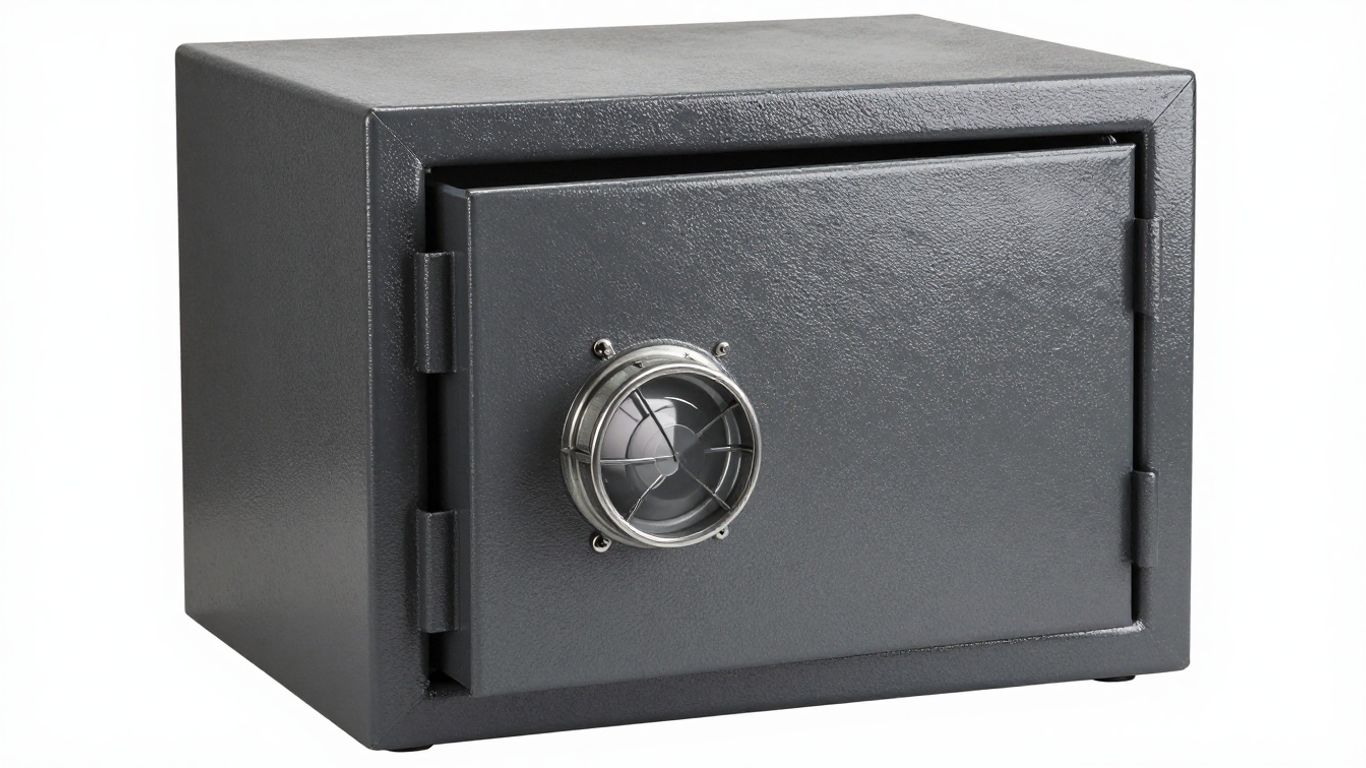
When thinking about protecting your coin collection, a fire-proof home safe is a solid choice. These safes are designed to withstand high temperatures for a specific period, giving your valuables a fighting chance if a fire breaks out. It’s not just about the heat, though; many also offer some level of protection against water damage, which is a nice bonus.
Choosing the right fire-proof safe means looking at its rating. This rating tells you how long the safe can maintain an internal temperature below a certain point during a fire. For coins, you’ll want a safe that keeps the interior below 350°F (177°C), as prolonged exposure to higher temperatures can still damage them.
Here are some things to consider when picking one out:
- Fire Rating: Look for ratings like "1-hour" or "2-hour," indicating how long it can protect contents from fire. Some higher-end models offer even longer protection.
- Size and Capacity: Think about how many coins you have now and how many you expect to acquire. You don’t want to outgrow your safe too quickly.
- Locking Mechanism: Options range from traditional key locks to combination locks and even electronic keypads. Each has its pros and cons regarding speed of access and security.
- Bolt-Down Capability: For added security against theft, many fire-proof safes can be bolted to the floor or a wall. This makes it much harder for someone to simply carry the whole safe away.
While a home safe offers convenience and immediate access, remember that its protection is limited to the threats that occur within your home. It’s a good middle ground for many collectors, balancing accessibility with decent protection against common household dangers.
Many manufacturers offer robust home safes. For instance, AMSEC is known for producing reliable fire-resistant safes that are suitable for home use [68a3]. When you’re looking for a safe, consider brands that have a good reputation for durability and security. It’s an investment in peace of mind for your collection.
3. Flood-Proof Home Safe
When thinking about protecting your coin collection, water damage is a major concern, right alongside fire. A flood-proof home safe is designed to keep moisture out, which is super important for preventing tarnish and corrosion on your coins. Unlike a regular safe, these are built with special seals and materials to withstand submersion or heavy water exposure for a set period.
The best flood-proof safes offer protection against both water and fire, giving you double the peace of mind.
Here’s what to look for:
- Waterproof Rating: Look for a specific rating, often indicating how long the safe can be submerged and at what depth without water seeping in. Some are rated for 24 hours in 8 inches of water, while others can handle much more.
- Fire Rating: Many flood-proof safes also come with a fire rating, telling you how long they can withstand high temperatures. This is a great combo feature.
- Seal Quality: Check the door seals. They need to be robust and well-maintained to keep water out during an event. Regular checks are a good idea.
- Size and Capacity: Make sure the safe is large enough for your current collection and any future additions. You don’t want to outgrow it too quickly.
Choosing a safe with a good waterproof rating is key. Think about the potential for water damage in your area, whether from heavy rain, burst pipes, or other issues. A quality flood-proof safe can be a lifesaver for your collection.
When considering home security, it’s also wise to look into broader home protection strategies. This can include everything from securing entry points to having a plan for emergencies, which can help with overall peace of mind.
Remember to also consider the flooring in your home, especially if you live in an area prone to flooding. Using materials like tile or sealed concrete can make a big difference in preventing water damage to your home’s structure itself, complementing the protection offered by your safe.
4. 10 Federal Storage Climate-Controlled Unit
When considering storage for your coin collection, especially during a move or a period of transition, a climate-controlled unit at a facility like 10 Federal Storage can be a practical choice. These units are designed to maintain a steady temperature and humidity level year-round. This is really important because fluctuations can cause problems like toning and oxidation on your coins, which can definitely lower their value. Keeping your coins in a stable environment is key to preserving their condition.
Storing coins in a self-storage unit requires a bit of forethought. You’ll want to keep your coins in their original, PVC-free holders, whether that’s Mylar flips, airtight capsules, or professional slabs. For an extra layer of security, consider placing these holders inside a small, portable fireproof safe or a lockbox before putting it into the unit. It’s also a good idea to place this safe or box towards the back of the unit, out of plain sight from the door. When labeling any containers, use generic terms like ‘Household Goods’ or ‘Books’ to avoid attracting unwanted attention.
Here are a few points to keep in mind when using a storage unit for your collection:
- Climate Control is Non-Negotiable: Humidity above 50% can lead to spotting and tarnishing, directly impacting a coin’s grade and worth. A climate-controlled unit actively combats this.
- Security Measures: While the facility offers general security, adding your own lockbox or portable safe inside the unit provides an additional barrier.
- Discreet Labeling: Avoid specific labels that might indicate the presence of valuable items. Generic labels help maintain a low profile.
- Accessibility: While convenient for longer-term storage, remember that accessing your collection requires a trip to the storage facility, unlike a home safe or bank box.
While a storage unit can be a good solution for temporary needs or during a move, it’s generally not the best primary storage for active or extremely high-value collections. For those, a bank safe deposit box or a high-quality home safe might offer more immediate access and a more precisely controlled environment.
10 Federal Storage aims to provide a secure and well-maintained environment for your belongings. They offer features like surveillance and electronic access control, contributing to the overall safety of the stored items. If you’re in the process of relocating or managing an estate, discussing your specific needs with their team can help you find the right storage solution. You can often rent a unit online or visit a local branch to get started.
Customers have generally found the facilities to be clean and quiet, contributing to a positive storage experience. While locating the specific unit might take a moment initially, the overall atmosphere is pleasant once you’re settled in. This makes it a decent option for items you don’t need daily access to, like a coin collection during a transition period. It’s a good idea to check out their storage options to see what fits best.
5. Brink's Private Client Storage
When it comes to safeguarding your valuable coins, Brink’s offers a specialized service through its Private Client Storage. This isn’t your typical storage unit; it’s a high-security vaulting facility designed for precious metals and other high-value items. Brink’s aims to provide a secure environment with advanced protection for your assets. They operate globally, meaning they have facilities in various locations, which could be convenient depending on where you are or where your assets might need to be accessed.
Their service focuses on providing secure storage, but they also offer additional features that might appeal to collectors. These include services like pick-and-pack operations, which could be useful if you need items handled or prepared for shipment. For those dealing with significant amounts of cash or needing to manage financial transactions related to their collections, Brink’s also provides services like direct credit to your bank account the next business day, reduced pickups, and digital tracking of deposits. This might be more relevant for dealers or investors who are frequently moving assets and require efficient financial integration.
Here are some of the features associated with Brink’s Private Client Storage:
- State-of-the-art vaulting facilities: Built with advanced security measures.
- Global operations: Storage solutions available internationally.
- Pick-and-pack services: Assistance with handling and preparing items.
- Digital tracking: Monitor deposits and transactions online.
- Direct credit options: Faster access to funds for financial transactions.
While Brink’s is a well-established name in security and logistics, it’s always a good idea to research specific local branches or services. Some reviews suggest that customer experiences can vary, and it’s wise to understand the exact terms and conditions of their storage agreements. For instance, understanding the security measures in place at the San Antonio location would be prudent.
For coin collectors, the primary draw is the secure vaulting. However, it’s worth noting that Brink’s services often extend to broader financial and logistical needs, which might be more than what a typical individual collector requires. If you’re looking for a secure place to store your coins and appreciate the added financial services, Brink’s Private Client Storage is an option to consider. They also emphasize minimizing the funds stored on premise, which is a security benefit for businesses that handle a lot of cash.
6. PCGS Certified Coin Slab
When you’ve got coins that are really special, maybe worth a good bit of money, you’ll want to think about getting them professionally graded and put into a slab. PCGS, which stands for Professional Coin Grading Service, is one of the big names in this area. They look at your coin and give it a grade based on its condition, from perfect down to barely recognizable. This grading process is super important because it tells potential buyers exactly what they’re getting.
Once a coin is graded by PCGS, it’s sealed in a hard plastic holder, often called a slab. This holder protects the coin from fingerprints, scratches, and environmental damage. It also has a label inside with all the details: the coin’s date, mint mark, denomination, and its official grade. It’s like giving your coin a permanent ID card that also keeps it safe. For example, an 1879-S Morgan Dollar graded PCGS MS65 and approved by CAC is noted for its crisp luster and sharp strike, making it a desirable item for collectors [bc69].
Here’s why a PCGS slab is a good idea for valuable coins:
- Authentication: PCGS verifies that the coin is genuine.
- Grading: Provides an objective assessment of the coin’s condition.
- Protection: The sealed slab prevents physical damage and environmental harm.
- Marketability: Graded coins often fetch higher prices and are easier to sell.
In the world of rare coins, professional grading really matters. In 2025, coins graded by PCGS achieved remarkable success, securing many of the top auction prices, including one that went for over $4.3 million USD [3668]. This shows how much trust collectors and investors place in their assessments. It’s a way to add a layer of confidence and security to your most prized numismatic possessions.
7. NGC Certified Coin Slab
When you have coins that are particularly valuable or rare, you might consider getting them professionally graded and encapsulated. The Numismatic Guaranty Company (NGC) is one of the most respected services for this. They examine your coin, assign it a numerical grade based on its condition, and then seal it in a protective plastic holder, often called a "slab." This process not only authenticates the coin but also protects it from damage and makes it easier to handle.
Getting your coins slabbed by NGC provides a clear, objective assessment of their quality and authenticity. This can significantly boost buyer confidence if you ever decide to sell. It also means you don’t have to worry as much about fingerprints or minor scratches when showing off your collection. The slab itself is designed to be durable and resistant to environmental factors, though it’s still best to store them properly.
Here’s a general idea of what the NGC grading process involves:
- Submission: You send your coins to NGC, often through a dealer or directly if you’re a member.
- Grading: Expert numismatists evaluate the coin’s condition, strike, eye appeal, and other factors.
- Encapsulation: The graded coin is sealed in a tamper-evident, inert plastic holder.
- Labeling: A label inside the slab details the coin’s identity, grade, and any special remarks.
While the slab offers protection, it’s not a substitute for good storage practices. For the best long-term preservation, these certified coins should still be kept in a stable environment, away from extreme temperatures and humidity. You can find more details on how to submit coins on the NGC website.
Storing your certified coins in a specialized holder, like those offered by NGC, is a significant step in protecting their condition and market value. These holders are designed for long-term preservation, but remember that the environment where you store them still plays a big role in preventing issues like toning or oxidation over time.
8. Air-Tite Airtight Capsule
When it comes to protecting your coins, especially those valuable ones you’ve been collecting, keeping them sealed away from the elements is a big deal. That’s where Air-Tite capsules come in. These aren’t just any plastic holders; they’re designed to create a snug, protective environment for individual coins. Think of them as tiny, clear shields that keep out dust, moisture, and those pesky fingerprints that can really mess with a coin’s surface over time.
Using these capsules is pretty straightforward. You pick the right size for your coin – they make them for all sorts of denominations and sizes, from small cents to larger silver dollars. Then, you carefully place the coin inside, making sure not to touch the faces with your bare hands. The two halves of the capsule snap together, forming a tight seal. This direct-fit design is key to preventing movement and damage within the capsule.
Here’s why they’re a good choice for serious collectors:
- Protection from Handling: Minimizes direct contact, which is a major cause of damage and toning.
- Environmental Barrier: Seals out humidity and airborne contaminants that can degrade metal surfaces.
- Visibility: The clear plastic allows you to see the coin clearly without having to remove it from its protective casing.
- Organization: Keeps individual coins separate, preventing them from scratching against each other.
These capsules are a step up from simple plastic flips, offering a more robust and secure way to store your numismatic treasures. They provide a premium and solid feel, giving you confidence that your investments are well-preserved. For anyone serious about maintaining the condition of their coins, especially those with an eye on long-term value, Air-Tite capsules are a smart addition to your collection supplies. They are a great way to store valuable silver bars too, offering a direct-fit solution for secure, long-term storage. These capsules snap together to create a tight seal, preventing your bars from touching each other and protecting them from damage.
Storing coins properly is more than just a preference; it’s a financial decision. The grade of a coin can drop significantly with even minor damage, impacting its market value. Using high-quality, inert holders like Air-Tite capsules is a proactive step in safeguarding your collection’s worth.
9. Mylar Coin Flip
When it comes to protecting your coins, especially if you’re not quite ready for professional grading or expensive capsules, Mylar coin flips are a pretty common choice. They’re basically small, clear plastic sleeves designed to hold individual coins. Think of them like tiny envelopes for your valuable metal discs. The key thing to remember is to always use flips made from Mylar, not PVC.
Why the fuss about PVC? Well, that stuff can break down over time and release chemicals that actually damage your coins, causing a nasty green residue. Nobody wants that. Mylar, on the other hand, is inert and won’t harm your coins. It’s a simple, affordable way to keep them separated and prevent them from scratching against each other. You can find these readily available, often sold in bulk for collectors.
Here’s a quick rundown of why Mylar flips are a decent option:
- Protection from Scratches: Keeps coins from rubbing against each other.
- PVC-Free: Safe for long-term storage, unlike some other plastics.
- Affordability: A very budget-friendly way to protect individual coins.
- Visibility: Allows you to see both sides of the coin easily.
These flips are great for everyday coins or even more modest collections. If you’re shipping coins, they’re often used to package individual pieces before being placed in tubes. It’s a basic but effective step in preserving the condition of your collection, especially when you’re just starting out or have a lot of coins to manage. For many collectors, using these is a standard part of their storage routine, ensuring each coin is kept separate and clean. You can find them easily when you’re looking for coin storage supplies.
While Mylar flips offer good protection against scratches and environmental damage, they don’t provide any defense against fire or water. For higher-value coins or if you’re concerned about extreme conditions, you’ll need to consider more robust storage solutions like fireproof safes or climate-controlled units.
10. Portable Fireproof Safe
When you need security that moves with you, a portable fireproof safe is a solid choice. These compact units offer a good balance of protection and convenience, especially for smaller collections or important documents you might need to access more readily. They’re not typically as robust as a large, bolted-down home safe, but they provide a significant upgrade over leaving valuables completely unprotected.
The primary benefit of a portable safe is its flexibility. You can keep it in your home, take it to an office, or even use it in a vehicle if properly secured.
Here’s what to consider when looking for a portable fireproof safe:
- Fire Rating: Look for safes certified to withstand specific temperatures for a set duration (e.g., 1 hour at 1700°F). This rating is key to protecting contents from heat damage.
- Locking Mechanism: Options include key locks, combination locks, or digital keypads. Digital locks often offer quicker access but may require batteries.
- Size and Capacity: Determine what you need to store. A small safe might hold jewelry and important papers, while a slightly larger one could accommodate a few graded coins or a tablet. Check the internal dimensions carefully.
- Water Resistance: Some portable safes also offer protection against water damage, which is a nice bonus.
Many portable safes are designed with a handle for easy transport. Some models, like the SentrySafe 1200, are quite popular and have received good reviews for their basic protection [c779]. While they won’t replace a bank vault, they offer a practical layer of security for everyday valuables. Remember, even a portable safe should ideally be secured to a fixed object to prevent theft of the safe itself.
Storing items in a portable safe is a step up from leaving them exposed. It offers a physical barrier against opportunistic theft and provides a degree of protection against fire and water damage, depending on the model’s specifications. For those who value mobility alongside security, these safes are a sensible option.
When comparing options, you might find safes made from sturdy alloy steel that offer both fire and water protection [315e]. Always check the specific ratings and features to match your needs.
Final Thoughts on Securing Your San Antonio Coin Collection
So, we’ve looked at a few ways to keep your coins safe here in San Antonio. Whether you’re thinking about a home safe, a bank’s safe deposit box, or even a climate-controlled storage unit for a big move, the main thing is to protect your collection from damage and theft. Remember, coins are sensitive to humidity and handling, so the right storage setup really matters for keeping their value. Take some time to figure out what works best for your collection and your peace of mind. It’s worth the effort to make sure your coins stay in good shape for years to come.
Frequently Asked Questions
What is the most important thing to remember when storing coins?
The biggest enemies of coins are moisture and bad plastics. Always keep your coins in holders that don’t have PVC, like Mylar flips or special plastic capsules. Also, try to keep them in a place with low humidity, meaning not too much dampness in the air. This helps prevent them from getting spots or changing color, which can lower their worth.
Are bank safe deposit boxes safe for coins?
Bank safe deposit boxes can be a secure place for documents and some valuables. However, the bank does not insure the contents, so if something happens like a fire or flood, your coins might not be covered. Also, it can be tricky to give someone else access if needed, and banks have rules about who can open the box.
Why is climate control important for coin storage?
Climate control is super important because it keeps the temperature and humidity steady. If it’s too humid, coins, especially silver and copper ones, can get spots or change color. This is called toning or oxidation, and it can make the coins less valuable. A climate-controlled space stops these bad things from happening.
Can I store my coin collection in a regular storage unit?
A regular storage unit might not be the best choice unless it’s climate-controlled. If it’s not, the humidity and temperature changes can harm your coins over time. If you do use a storage unit, make sure it’s climate-controlled and consider putting your coins inside a small fireproof safe or lockbox within the unit for extra safety.
What are PCGS and NGC, and why are they mentioned for coin storage?
PCGS (Professional Coin Grading Service) and NGC (Numismatic Guaranty Company) are well-known companies that grade coins. They put valuable coins in special hard plastic cases called ‘slabs.’ These slabs protect the coins and show their official grade. Storing coins in these certified slabs is a great way to keep them safe and maintain their value, especially for rare or expensive coins.
What is the difference between a coin slab and an airtight capsule?
A coin slab, from places like PCGS or NGC, is a professional holder for graded coins. It’s very secure and shows the coin’s grade. An airtight capsule, like an Air-Tite holder, is a simpler, clear plastic case that seals the coin from air and moisture. Both protect the coin, but slabs also provide a professional grade.
Should I worry about the type of plastic holders I use for my coins?
Yes, definitely! Some plastics, especially those containing PVC (polyvinyl chloride), can release chemicals over time. These chemicals can cause a green, slimy coating on your coins, which is very damaging and lowers their value. Always use holders that are labeled as ‘PVC-free’ or made from materials like Mylar.
How can I make my coin storage more secure if I use a home safe?
If you decide on a home safe, look for one that is both fireproof and flood-proof to protect against different types of damage. For extra safety, place your coins inside smaller, secure containers like lockboxes or portable fireproof safes before putting them into the main home safe. This adds another layer of protection and can help keep things organized.