
Ever looked at a coin and thought, ‘This needs a better picture’? You’re not alone. Getting those tiny details and that historical feel to pop in a photo can be tricky. It’s not just about pointing your camera; it’s about understanding how light works, how to hold your camera steady, and what settings to use. This guide is here to help you get those coin collection photography tips down so your coins look as amazing in pictures as they do in your hand. We’ll cover the basics, from the gear you need to the final edit, making sure your coin photography goes from ‘okay’ to ‘wow’.
Key Takeaways
- Get the right gear: A sturdy tripod and a decent camera, maybe with a macro lens, are your best friends for sharp, detailed shots.
- Light it right: Soft, even light is key. Avoid harsh glare and shadows that hide the coin’s features. Diffusers and strategic lighting make a big difference.
- Nail your settings: Use Aperture Priority or Manual mode. Aim for a narrow aperture (like f/8-f/16) to keep the whole coin in focus. Keep ISO low for clean images.
- Focus on focus: Manual focus often works best for coins, letting you pinpoint exactly where you want the sharpest detail. Make sure your metering is set correctly for the coin itself.
- Prep your space and subject: A clean coin and a tidy, distraction-free workspace help your photos shine. Think about different angles to show off the coin’s best side.
Essential Equipment For Capturing Coins
Getting started with coin photography means gathering the right tools. It’s not about having the most expensive gear, but rather understanding what works best for capturing those tiny details. Think of it like a painter choosing their brushes; the right ones make all the difference.
Choosing the Right Camera Body
While a smartphone can snap a picture, for serious coin photography, a dedicated camera is a good idea. DSLR or mirrorless cameras give you much more control over your shots. They usually have higher resolution sensors, which means more detail in your final image. This is important when you want to zoom in later or print your photos. You’ll find that these cameras offer a lot more flexibility than your phone.
Selecting the Ideal Lens
The lens is how your camera sees the world, and for coins, you want a lens that can get up close and personal. A macro lens is often recommended because it’s designed to focus on very near objects and capture fine details. If a dedicated macro lens isn’t in the budget right now, a standard prime lens, like a 50mm, can work. You might just need to crop the image a bit later on. For those really wanting to see every tiny mark, something like the Halumin "C" can be a game-changer, acting like a powerful magnifying tool for your lens.
The Importance of a Sturdy Tripod
Stability is key. When you’re trying to capture sharp images of small, often reflective objects like coins, even the slightest camera shake can ruin a shot. A solid tripod is your best friend here. It keeps your camera perfectly still, allowing you to use slower shutter speeds if needed and ensuring your focus stays exactly where you want it. Look for one that’s sturdy and has adjustable legs so you can get the right height and angle without any wobbling. This is one piece of equipment that really pays off.
Having the right equipment isn’t just about making things easier; it’s about giving your coins the best possible chance to shine and reveal their unique stories. It’s about respecting the subject matter and giving it the visual platform it deserves.
Here’s a quick look at some gear considerations:
- Camera Type: DSLR or Mirrorless for control and quality.
- Lens Type: Macro lens for extreme detail, or a prime lens with cropping.
- Support: A stable tripod to prevent blur.
- Lighting Aids: Diffusers and reflectors to manage light.
Exploring resources for coin collectors can also provide inspiration and tips on gear that others find useful. fellow collectors often share their setups.
Mastering Lighting Techniques
Lighting is where the magic really happens in coin photography. It’s not just about making things visible; it’s about shaping how we see the coin, bringing out its history and character. Think of light as a sculptor’s tool, carefully revealing texture, depth, and detail. Getting it right can transform a simple photograph into a compelling story.
The Power of Soft, Diffused Light
Harsh, direct light is usually the enemy of good coin photography. It creates bright, blown-out spots and deep, dark shadows that hide important details. Soft, diffused light, on the other hand, wraps around the coin gently, revealing its surface texture and intricate designs without harsh glare. This kind of light is more forgiving and makes it easier to see all the fine work on the coin. You can achieve this using various tools.
- Softboxes: These fabric boxes create a large, soft light source.
- Umbrellas: Light can be bounced off or shot through these for diffusion.
- Diffusion Panels: Flat panels placed between the light and the coin spread the light out.
- Makeshift Diffusers: Even a white sheet or parchment paper can help soften a light source.
Controlling light is about guiding it, not just blasting it. It’s like sculpting with light, carefully shaping how it falls on the coin to reveal its best features.
Utilizing Natural Light Effectively
Natural light, especially from a window on an overcast day, can be a fantastic source of soft, diffused illumination. Position your coin near a window, but avoid direct sunlight, which can be too harsh. If the light is too strong, you can use a thin white curtain or a piece of translucent material to further soften it. You can also use reflectors to bounce light back into the shadowed areas, balancing the illumination. Experimenting with the coin’s position relative to the window will show you how the light and shadows change, helping you find the most flattering angle. For more on how others approach lighting, check out this coin photography showcase.
Strategic Use of Multiple Light Sources
While soft, diffused light is key, sometimes a single source isn’t enough to show off a coin’s full dimension. Using multiple lights allows for more control and can add depth.
- Main Light: This is your primary light, set up to illuminate the coin and bring out sharp details. It should be strong enough to define edges but not so harsh it causes glare.
- Fill Light: Positioned opposite the main light, this softer, less intense light gently brightens shadow areas, revealing details that might otherwise be lost. It helps balance the contrast.
- Backlight: Placed behind the coin, a backlight can create a subtle rim of light around the edge. This helps separate the coin from the background and adds a sense of dimension, making the coin appear to pop out from the image. This technique is detailed in lighting prototypes.
Adjusting the position and intensity of each light source is a process of trial and error. Moving lights up, down, or sideways can dramatically alter how shadows fall and highlights appear, so pay close attention to how these changes affect the coin’s relief and texture. Using a reflector opposite your main light is also a simple yet effective way to fill in shadows and even out the exposure across the entire coin.
Camera Settings for Precision
Getting the camera settings right is like tuning an instrument; it makes all the difference in the final sound, or in this case, the image. For coin photography, precision is key to showing off those tiny details and the coin’s true character. We’re not just snapping a picture; we’re documenting a piece of history, and the settings need to reflect that care.
Understanding Aperture Priority and Manual Modes
When you’re shooting coins, you have a couple of main modes to consider. Aperture Priority (often labeled ‘A’ or ‘Av’ on your camera) lets you set the aperture, and the camera figures out the shutter speed for a good exposure. This is super handy because controlling the aperture directly impacts how much of your coin is in focus. Manual mode (‘M’), on the other hand, gives you full control over both aperture and shutter speed. This is great for consistency, especially if you’re shooting in a controlled studio setup where the light isn’t changing. For most coin work, starting with Aperture Priority is a good way to go, but don’t shy away from Manual mode once you get comfortable.
Optimizing Aperture for Depth of Field
The aperture setting, shown as an f-stop number (like f/8 or f/16), controls how much of your image is sharp, from front to back. This is called depth of field. Coins are usually pretty flat, but you still want every bit of detail, from the rim to the center, to be tack sharp. To achieve this, you’ll generally want to use a smaller aperture, which means a larger f-stop number. Think of it like this: a smaller opening lets less light in but keeps more things in focus.
- Start with f/8 or f/11: These are often good starting points. They usually give you enough depth of field to get the whole coin sharp without making the image too soft.
- Go smaller if needed: If you find the edges of the coin are still a bit blurry, try f/16 or even f/22. Just be aware that very small apertures can sometimes make the image slightly less sharp due to something called diffraction.
- Check your results: Always zoom in on your camera’s screen to check if the entire coin is in focus. What looks sharp on the small screen might not be when you view it on a larger monitor.
Getting the aperture right is a balancing act. You want enough depth of field to keep the entire coin in focus, but you don’t want to stop down so much that light becomes an issue or diffraction softens the image. It often takes a few tries to find that sweet spot for each coin and setup.
Setting ISO and Shutter Speed for Clarity
ISO controls how sensitive your camera’s sensor is to light. For the cleanest images with the least amount of ‘noise’ or grain, you want to keep your ISO as low as possible. For coin photography, especially when using a tripod and good lighting, an ISO of 100 or 200 is usually ideal. This gives you the best image quality. The shutter speed is how long the camera’s sensor is exposed to light. Since you’ll likely be using a tripod to keep the camera steady, you can afford to use slower shutter speeds if needed to get enough light. This is often better than raising the ISO. The key is to find a combination that gives you a well-exposed image without blur. A good starting point might be a shutter speed around 1/60th of a second, but you’ll adjust this based on your lighting and aperture. Remember, the exposure triangle is all about balancing these three settings.
Experimenting with these settings is part of the fun and will help you discover the best techniques for your specific coins and equipment.
Achieving Sharp Focus
Getting your coins to look sharp in photos is a big deal for collectors. It’s not just about having a nice camera; it’s about how you use it. You want every tiny detail, like the date, the mint mark, and those intricate design elements, to be crystal clear. If the focus is off, even the most beautiful coin can look a bit fuzzy and unimpressive.
The Benefits of Manual Focus
While autofocus is handy for everyday shots, it can sometimes get confused with the small details on coins. That’s where manual focus comes in. It gives you direct control over exactly what part of the coin is sharp. Most cameras, especially DSLRs and mirrorless models, let you switch to manual focus (MF). You’ll usually find a switch on the lens itself or in your camera’s menu. When you’re in manual focus mode, you’ll turn the focus ring on the lens. It takes a little practice, but you can zoom in on your camera’s screen to see exactly when the coin’s details are as sharp as they can be. This direct control is key to nailing the focus on those tiny numismatic features. This direct control is key to nailing the focus on those tiny numismatic features.
Using Single-Point Autofocus Effectively
If you prefer to use autofocus, selecting a single point is your best bet. This tells the camera precisely where to concentrate its focusing efforts, rather than letting it guess. When photographing coins, you’ll want to place that single focus point directly on a key detail you want to be sharp, like the center of the date or a prominent part of the design. This method helps avoid the autofocus system getting confused by the coin’s surface texture or reflective areas. It’s a good middle ground if manual focus feels too challenging initially.
Ensuring Accurate Metering
Metering tells your camera how much light it’s seeing to determine the correct exposure. For coins, especially those with varied surfaces or reflective elements, the standard metering modes might not always get it right. Spot metering is often the most helpful here. It measures the light in a very small area of the frame, allowing you to meter specifically off the coin itself. This prevents bright or dark backgrounds from fooling the camera into underexposing or overexposing your subject. Getting the exposure right is a big step towards a clear image, and accurate metering is part of that puzzle. You can find more information on specialized coin photography setups that often incorporate precise metering tools.
Sometimes, even with a macro lens, you might struggle to get the entire coin perfectly sharp from front to back, especially if it has a lot of relief (raised design). This is where focus stacking comes in. It’s a technique where you take multiple photos of the same coin, each time adjusting the focus slightly to cover a different plane of the coin. Then, you use special software to combine these images, creating one final photo where everything is in sharp focus. This method is particularly useful for achieving sharpness across the entire subject, as detailed in discussions about focus stacking techniques.
Here’s a quick look at common focus modes and their use:
- Manual Focus (MF): Offers complete control. Turn the focus ring on the lens until the desired part of the coin is sharp. Use your camera’s zoom function to check critical sharpness.
- Single-Point Autofocus (AF-S/One Shot): Select one focus point and place it on the most important detail of the coin. The camera will lock focus there.
- Autofocus (General): Generally not recommended for coin photography due to potential confusion with fine details and reflective surfaces.
Preparing Your Subject and Workspace
Before you even think about pressing the shutter button, a little preparation goes a long way. Getting your coin and your shooting area ready can make the difference between a decent photo and a truly stunning one. It’s about setting the stage so your numismatic subject can shine.
The Importance of Coin Cleanliness
While it might seem obvious, the state of your coin directly impacts the final image. A dirty or smudged coin will look just that way in your photos. However, it’s important to approach cleaning with caution. Harsh chemicals or abrasive materials can damage a coin’s surface, reducing its value and aesthetic appeal. For most modern coins, a gentle wipe with a soft, lint-free cloth is often sufficient to remove fingerprints or dust. For older or more valuable pieces, it’s generally best to leave them as-is or consult with a professional numismatist. The goal is to remove superficial dust and smudges without altering the coin’s natural patina or surface.
Creating an Optimal Shooting Environment
Your workspace plays a significant role in the quality of your coin photography. You want a space where you have control over the lighting and minimize distractions. An indoor location is usually preferable to an outdoor one, as it shields you from unpredictable natural light changes and wind. Think about setting up a dedicated station where you can consistently achieve similar results. This means having a stable surface, good ventilation if you’re using lights, and a place to keep your gear organized. A controlled environment helps prevent issues like unwanted reflections or shadows that can complicate the shooting process.
Organizing Your Photography Gear
Having your equipment readily accessible and organized can streamline your workflow considerably. Before you start shooting, take a few minutes to arrange your camera, lenses, tripod, lighting equipment, and any necessary accessories. A well-organized setup means less time searching for things and more time focusing on capturing the perfect shot. Consider using a gear bag or storage containers to keep everything tidy and protected. This preparation is part of a practical field workflow that can help you feel more focused and less frazzled when you’re ready to photograph your coins. You might want to look into efficient gear organization techniques.
A consistent environment is key to getting repeatable results. Fighting against random reflections or shadows that pop up out of nowhere makes the job harder than it needs to be. It’s like trying to paint a detailed portrait in a room with a flickering light bulb.
Exploring Different Photographic Styles
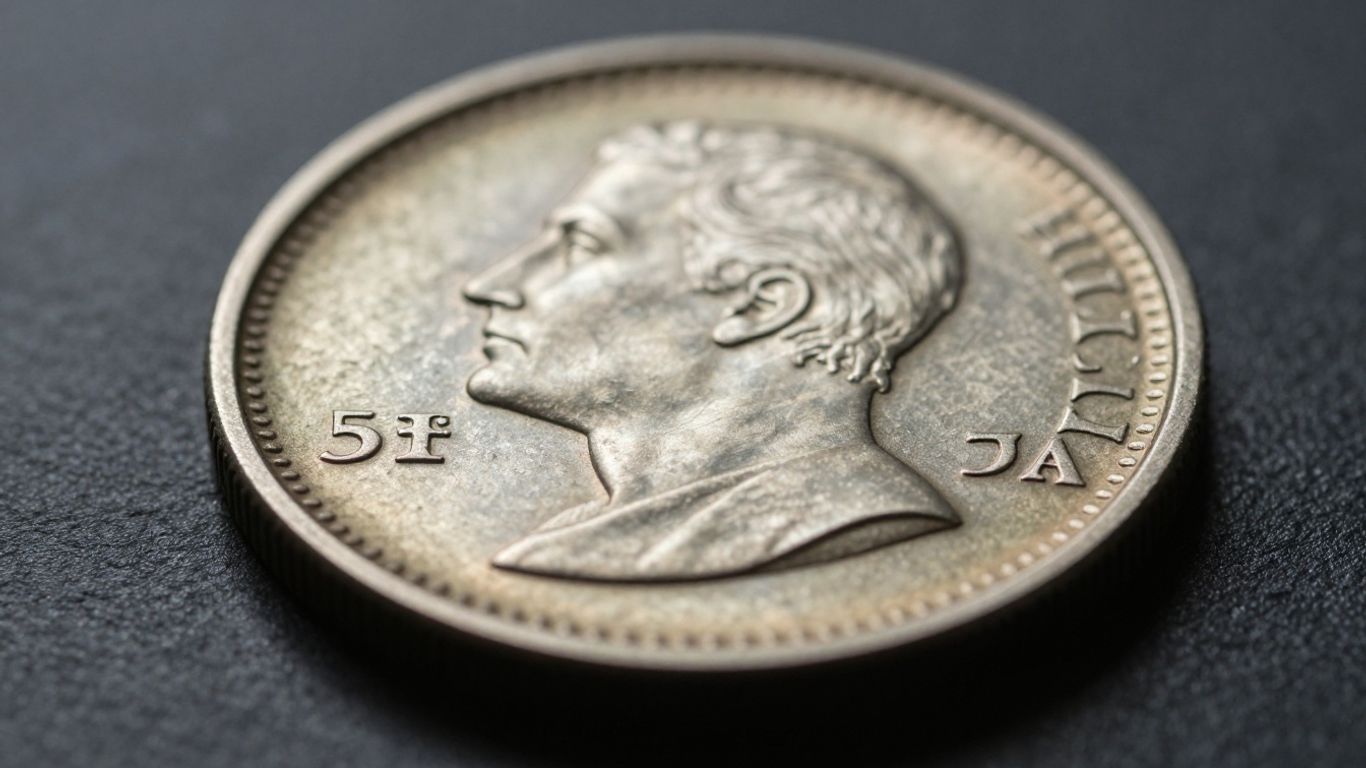
When you’re photographing coins, it’s not just about pointing your camera and clicking. You’ve got different ways you can approach the shot, and each one shows the coin in a unique light. Think of it like choosing an outfit for a special occasion – you pick something that fits the mood and the event, right? The same goes for coin photography. You’ll want to think about what you want to show off about the coin and how you want people to see it.
The Intricacies of Macro Photography
Macro photography is where you get really, really close. We’re talking about filling the frame with just a tiny part of the coin. This style is perfect for showing off the super fine details – like the tiny lettering on the edge, the texture of the metal, or even microscopic imperfections that tell a story. It’s about revealing a world that’s usually invisible to the naked eye. When you shoot this way, you’re not just taking a picture of a coin; you’re creating an abstract piece of art that highlights the craftsmanship. It’s a bit like looking at a painting up close to see the brushstrokes. You’ll need specific gear for this, like a macro lens, but the results can be stunning. It’s a great way to explore atmosphere and texture.
The Broader View of Close-Up Photography
Close-up photography is similar to macro, but you’re usually a little further back. Instead of just one tiny detail, you might capture the whole coin, or maybe a significant portion of it, with plenty of detail still visible. This approach gives a more general sense of the coin’s appearance while still allowing you to see things like the main design elements, wear patterns, and overall condition. It’s a good middle ground if you find pure macro too extreme or if you want to show the coin in a slightly more recognizable context. You can still get great detail, but it feels a bit more like looking at the coin on a table rather than under a microscope. This style is excellent for showing off the coin’s overall design and character.
Ambient vs. Studio Lighting Approaches
When it comes to lighting, you have two main paths: ambient and studio. Ambient lighting uses the light that’s already around you – think natural window light or the lights in your room. It’s often softer and can give a more natural feel to your photos. It’s easy to set up because you’re just working with what you have. Studio lighting, on the other hand, involves setting up your own lights. This gives you complete control. You can decide exactly where the light comes from, how bright it is, and what kind of shadows it creates. This is how you get those really dramatic, professional-looking shots where every detail is perfectly lit. It takes more equipment and practice, but it lets you sculpt the light to make your coin look its absolute best.
- Ambient Lighting:
- Uses existing light sources (natural or artificial).
- Often softer and more natural-looking.
- Requires less equipment and setup.
- Studio Lighting:
- Uses controlled, artificial light sources.
- Allows for precise manipulation of light and shadow.
- Ideal for consistent, professional results.
Choosing between ambient and studio lighting often comes down to the look you’re going for and the resources you have available. Both can produce excellent results if used thoughtfully.
For those looking to capture intricate details, exploring macro photography can be incredibly rewarding.
Compositional Techniques for Impact
Experimenting with Angles and Perspectives
Coins are more than just flat discs; they’re three-dimensional objects with stories etched into their surfaces. To truly capture their essence, you need to look beyond a simple head-on view. Think about how light plays on the raised details and recessed areas. Tilting the coin even slightly can introduce shadows that give a sense of depth, making the relief and inscriptions pop. Don’t forget the edge! Sometimes, the reeded or smooth edge, or even an inscription around it, is just as interesting as the main design. Trying different angles can reveal details you might otherwise miss. It’s like giving the viewer a full tour of the coin’s history.
Avoiding Common Compositional Pitfalls
One of the most frequent mistakes is placing the coin dead center in every shot. While this can work for symmetrical designs, it often leads to a static image. The "rule of thirds" is a good guideline here. Imagine dividing your frame into nine equal sections with two horizontal and two vertical lines. Placing your coin or key design elements along these lines or at their intersections can create a more dynamic and visually appealing photograph. Another pitfall is clutter. The background should support, not distract from, the coin. A busy background can pull attention away from your subject. Opt for simple, neutral backgrounds that let the coin be the star. You can explore different backgrounds, like a textured fabric or even a subtle gradient, but always make sure the coin stands out. This is where you can really make your coin photography shine.
Leveraging Negative Space
Negative space, the area around your subject, is just as important as the subject itself. It’s the quiet space that allows the viewer’s eye to rest and focus on the coin. Don’t feel the need to fill every inch of the frame. Sometimes, leaving a generous amount of empty space around the coin can make it feel more prominent and important. This technique can also help to isolate the coin, emphasizing its details and creating a sense of elegance. Think of it like a pause in a piece of music; it gives the notes that follow more impact. Experiment with how much negative space you use; a little can go a long way in making your coin photos more impactful. It’s about creating a visual balance that draws the viewer in. For more ideas on framing and composition, looking at landscape photography techniques can be surprisingly helpful, as many principles overlap various landscape photography composition techniques.
When composing your coin shots, remember that the goal is to tell a story. Each angle, each bit of empty space, and each compositional choice contributes to that narrative. Don’t be afraid to experiment and let the coin’s design guide your creative decisions. The best compositions often come from trying something unexpected.
Post-Capture Image Management
Once you’ve captured those stunning coin photos, the work isn’t quite done. Proper management of your digital images is key to keeping them safe, organized, and ready for sharing. Think of it as putting your collection in a secure display case.
Archiving Your Digital Masterpieces
Securely storing your coin images is paramount. Losing your hard work would be a real shame. It’s wise to have a system in place to back up your files. This means not relying on just one location. Consider using external hard drives or cloud storage services. Making regular backups protects your photos from accidental deletion or hardware failure. It’s also a good idea to keep your files organized with descriptive names. Something like "1889_Morgan_Dollar_Obverse" is much better than "IMG_1234.jpg". This makes finding specific images much easier down the line. For those interested in the broader numismatic community, forums like those found on numismatic photography sites are great places to share your organizational tips and see how others manage their collections.
Printing and Framing Your Best Shots
While digital is convenient, there’s something special about a physical print. High-quality prints can really bring your coin photography to life. When you decide to print, choose good paper and ink. Archival-quality materials will help your prints last longer without fading or yellowing. Framing your favorite images can add a personal touch to your home or office. It’s a way to showcase your passion for coins in a tangible format. Think about the matting and frame style to complement the coin and the image itself.
Sharing Your Coin Photography Online
Sharing your work is often the most rewarding part. It allows you to connect with other collectors and enthusiasts. There are many platforms available for this. You can create a personal website or blog to display your portfolio. Online forums dedicated to coins are also excellent places to share your images and get feedback. Social media platforms like Instagram can reach a wide audience. Remember that different platforms might require different image sizes or formats. For instance, if you’re looking to integrate digital currency into your photography workflow, you might explore options related to digital currency for photographers.
The goal of post-capture management is to preserve the integrity of your images while making them accessible and presentable. This involves careful archiving, thoughtful printing, and strategic sharing to ensure your numismatic art is both protected and appreciated.
Avoiding Common Photography Errors
Even experienced photographers can stumble into common mistakes when shooting coins. Being aware of these pitfalls can save you a lot of frustration and help you get better shots right from the start. It’s all about paying attention to the little things that make a big difference.
Preventing Over or Underexposure
Getting the light just right is tricky. If you have too much light, the bright spots on the coin can become completely white, losing all detail. This is called overexposure. On the other hand, too little light makes the coin look too dark, hiding its features in shadow, which is underexposure. Your camera’s histogram is a great tool here. It’s a graph that shows you the range of light in your photo. You want a nice, even spread, not a big spike all the way to the right (overexposed) or left (underexposed).
- Use the histogram: Learn to read it to gauge your exposure.
- Adjust exposure compensation: If your camera consistently over or underexposes, use this setting to correct it.
- Bracket your shots: Take multiple photos of the same coin at different exposures to ensure you capture a well-exposed image.
Minimizing Distracting Reflections
Coins, especially those with polished surfaces, can be highly reflective. This means you might see the light source, your camera, or even yourself staring back at you from the coin’s surface. These reflections can really take away from the coin’s details. The trick is to use soft, diffused light. Instead of a direct, harsh light, use something that spreads the light out. Think about using a light tent or bouncing your light off a white surface. This makes the reflections softer and less noticeable, allowing the coin’s details to shine through. You can also try adjusting the angle of your light source slightly.
Reflections are like unwanted guests at your photo shoot; they draw attention away from the main subject. Softening your light and controlling its direction are key to politely showing them the door.
Ensuring Accurate Color Representation
Getting the colors of a coin right is important, especially for collectors who know their metals. Sometimes, the lighting can make a silver coin look too yellow, or a copper coin look too dull. This is often a white balance issue. Your camera tries to guess what ‘white’ looks like under different lights, but it doesn’t always get it right. Using a custom white balance setting, where you tell the camera what white looks like under your specific lighting conditions using a gray card, is the best way to fix this. If that’s not possible, you might need to make adjustments in photo editing software later. This is a common problem, but one that can be fixed with a bit of care, much like avoiding common challenge coin design mistakes.
Wrapping Up Your Coin Photography Journey
So, we’ve covered a lot of ground on getting your coin photos looking just right. It takes practice, sure, and sometimes it feels like you’re just fiddling around, but that’s how you get better. Don’t be afraid to try different lights and angles, even if they seem a bit unusual at first. You might find that simple things, like a piece of paper or a different lamp, can make a big difference. Keep at it, and soon you’ll be taking pictures of coins that really show off what makes them special. It’s all about making those tiny details pop and telling the coin’s story through your lens.
Frequently Asked Questions
What kind of camera should I use for coin pictures?
While a smartphone can take a picture, a better camera like a DSLR or mirrorless one gives you more control. These cameras let you change lenses, which is super helpful for getting close-up shots of coins. They also capture more detail, making your photos look more professional.
Do I really need a special lens for coin photos?
A special lens called a macro lens is best for seeing all the tiny details on a coin. But if you don’t have one, a regular lens can still work. You might just need to zoom in more or crop the picture later on your computer.
Why is using a tripod so important?
Coins have tiny details that need to be seen clearly. When you zoom in, even the smallest shake of your hand can make the picture blurry. A tripod holds your camera perfectly still, so your photos come out sharp and clear every time.
What's the best way to light up a coin for a photo?
Soft, spread-out light is the best. Think of a cloudy day instead of direct sunshine. This kind of light shows off the coin’s texture without making shiny spots that hide the details. You can use things like a white sheet or a special lamp cover to soften the light.
How do I make sure the whole coin is in focus?
You want to use a setting on your camera called ‘aperture priority’ or ‘manual mode.’ Then, choose a smaller opening (a higher f-number like f/8 or f/11). This makes more of the coin sharp from front to back.
Should I focus the camera myself or let it auto-focus?
For coins, it’s usually better to focus yourself. Auto-focus can sometimes get confused by the shiny surface or tiny details. By focusing manually, you can choose exactly where you want the sharpest part of the coin to be.
How can I avoid shiny spots or glare on the coin?
Shiny spots happen when light bounces straight back at the camera. Try moving your lights around, or use a special filter called a ‘polarizer’ on your lens. Sometimes, just changing the angle of the coin or the light can fix it.
What's the best way to keep my coin pictures looking good?
First, make sure your coins are clean before you take pictures! Then, when you edit, try to get the colors just right. After you’re happy, save your photos safely on a computer or online so you don’t lose them. You can also print your best ones to frame.