
In 2026, keeping up with fake coins is getting harder. Counterfeiters are getting smarter, and old ways of spotting fakes just don’t cut it anymore. We need better tools and methods to be sure what we’re buying is real. This article looks at some of the newer, more advanced coin tooling detection methods that are helping us verify authenticity.
Key Takeaways
- Newer coin tooling detection methods use sound analysis to identify unique acoustic signatures of genuine coins, moving beyond simple ‘ping tests’.
- Neural networks are being used to build sophisticated systems for anomaly detection and coin type classification, improving accuracy.
- Data augmentation and dynamic thresholding are helping to overcome challenges like background noise and limited training data in coin verification.
- Precision measurement tools, including advanced scales and calipers, are vital for verifying a coin’s exact weight and dimensions.
- Combining multiple detection methods, such as material composition analysis and visual inspection for manufacturing flaws, offers a more robust approach to authenticity verification.
Advanced Acoustic Analysis For Coin Tooling Detection Methods
The Science Behind The Ping Test
The old "ping test" is something many collectors have heard of, maybe even tried. You tap a coin, and if it sounds like a clear bell, it’s probably good. If it sounds dull, well, that’s a red flag. This method has been around forever, relying on the experienced ear of dealers to tell if a coin had that authentic ring. However, relying solely on your hearing isn’t enough anymore, especially with really good fakes out there. Modern technology has taken this simple idea and turned it into something much more precise. We can now record and analyze the exact sound a coin makes, creating a unique acoustic fingerprint for each one. This signature is shaped by what the coin is made of, how much it weighs, and its exact dimensions.
Transforming Intuition Into Rigorous Analysis
What used to be guesswork is now a science. Think about it: every coin, whether it’s a gold eagle or a silver maple leaf, has its own specific sound profile. This profile is determined by its physical properties. By using sensitive microphones and smart software, we can capture these subtle sound differences. This allows us to move past subjective feelings and get to objective data. For example, a genuine 1 oz Australian Kangaroo silver coin might show distinct resonance peaks at specific frequencies, like 3770.00 Hz and 3505.62 Hz, with varying amplitudes. This kind of detail is hard to miss when you’re looking at the data.
| Peak Number | Frequency [Hz] | Relative Amplitude [dB] |
|---|---|---|
| 1 | 3770.00 | 0.00 |
| 2 | 3505.62 | -0.36 |
| 3 | 8648.75 | -6.78 |
| 4 | 15258.12 | -22.18 |
Unique Acoustic Signatures Of Coinage
Each coin type has its own distinct sound. When you strike a coin, it vibrates, and these vibrations create a sound wave. The way it vibrates depends entirely on its material composition and how it was made. This is where advanced analysis comes in. We can record these vibrations, often by striking the coin gently, and then process the sound. This process helps us extract the coin’s unique acoustic signature. It’s like a fingerprint, but for sound. This method is becoming a standard operating procedure for verifying coins, especially in places like auction houses where authenticity is key. It’s a non-destructive way to get a lot of information about a coin’s makeup and authenticity, offering a refined method for authentication.
Leveraging Neural Networks In Coin Tooling Detection Methods
Neural networks are really changing the game when it comes to spotting fake coins. It’s not just about looking at a coin anymore; it’s about teaching computers to ‘listen’ and ‘learn’ what makes a real coin tick. This is a big step up from just relying on someone’s gut feeling.
Synergistic Dual-Model Architectures
One of the neatest ideas is using two different neural network models that work together. Think of it like having two experts look at the problem. One part, often an autoencoder, is trained only on real coins. Its job is to learn how genuine coins sound and reconstruct their acoustic profiles. When it sees a fake, it struggles, and the reconstruction error goes up. This flags it as an anomaly. The other part is a classifier, which is good at figuring out exactly what type of coin it’s looking at. Having both working together gives a more complete picture, catching fakes and identifying the real deal. This combined approach is a big part of modern coin identification.
Anomaly Detection With Autoencoders
Autoencoders are pretty clever. They’re trained to compress data and then rebuild it. If you train an autoencoder on the sound patterns of real coins, it gets really good at reconstructing those specific patterns. When you feed it the sound of a counterfeit coin, it can’t reconstruct it as well because the pattern is different. The difference between the original sound and the reconstructed sound is the ‘reconstruction error.’ A high error means it’s likely not a genuine coin. This is super useful because you don’t need examples of fakes to train the system; you just need lots of good examples of real ones. It’s a way to spot the odd one out without knowing exactly what the odd one looks like beforehand.
- Encoder: Takes the input data (like a coin’s sound signature) and compresses it into a smaller representation.
- Latent Space: This is the compressed representation, holding the core information.
- Decoder: Takes the compressed data and tries to rebuild the original input.
Coin Type Classification With Deep Learning
Beyond just saying ‘real’ or ‘fake,’ deep learning models can also tell you which coin it is. This is important because different coins have different acoustic properties. A deep learning classifier can be trained on a wide variety of authentic coins, learning to distinguish between a 1921 Morgan Dollar and a 2023 American Silver Eagle just by their sound. This classification ability is key for building a complete verification system. It means the system can not only flag a potential counterfeit but also confirm the identity of a genuine coin, which is a big deal in the numismatics world. It’s similar to how AI is used in detecting synthetic media, where the goal is to identify specific types of manipulation.
The real power comes when these anomaly detection and classification systems work hand-in-hand. The autoencoder acts as a first line of defense, flagging anything that deviates from the norm. The classifier then steps in to confirm the coin’s identity or to help refine the anomaly detection process by providing context about the expected sound profile for that specific coin type. This layered approach makes the system more robust and harder to fool.
Enhancing Coin Tooling Detection Methods With Data Augmentation
Addressing Environmental Noise Challenges
Working with acoustic data for coin analysis presents a real hurdle: background noise. Think about it, you’re trying to hear the subtle ‘ping’ of a coin, but there’s traffic outside, people talking, or even just the hum of equipment. This kind of environmental noise can really mess with the readings, making it tough for our detection systems to tell a genuine coin’s sound from just random interference. We need ways to make our analysis tough, so it doesn’t get thrown off by everyday sounds. One effective strategy is to artificially introduce various types of noise into our training data. This way, the models learn to recognize the coin’s true acoustic signature even when it’s mixed with other sounds. It’s like teaching someone to focus on a specific voice in a crowded room.
Dynamically Calculated Anomaly Thresholds
When we’re trying to spot fakes, we need a clear line between what’s normal and what’s suspicious. In acoustic analysis, this means setting an ‘anomaly threshold.’ If a coin’s sound signature falls outside this threshold, we flag it. The tricky part is that this threshold can change depending on the recording equipment, the room it’s recorded in, or even how the coin is struck. Instead of setting a fixed number, we can calculate this threshold on the fly. This dynamic approach means the system adapts to different conditions, making it more reliable. It helps avoid flagging real coins as fake just because the recording conditions are a bit different. This is especially useful when dealing with a wide range of coin types, like those found in North-Eastern India.
Mitigating Limited Dataset Diversity
One of the biggest headaches in developing these detection tools is getting enough varied data. We often have lots of recordings of real coins, but very few, if any, of known counterfeits. Plus, the real coins we do have might all be from the same mint or era. This lack of diversity makes it hard for machine learning models to learn properly. They might become too specialized and miss fakes that look slightly different from what they’ve seen. To combat this, we use techniques that artificially expand our dataset. This can involve slightly altering existing recordings – like changing the pitch or adding a bit of echo – to simulate different scenarios. It’s a way to get more mileage out of the data we have, making our detection models more robust and better at spotting a wider range of potential fakes. This is a bit like how Decentralized Identifiers help manage diverse digital identities.
Non-Destructive Verification Frameworks For Authenticity
Acoustic Frequency Analysis For Verification
For years, people have tapped coins to hear their sound. It’s like a little musical note. A real coin, especially one made of precious metal, tends to ring with a clear, distinct tone. Counterfeits, often made with cheaper, less pure metals, usually sound dull or flat. This simple ‘ping test’ has been around forever, relying on the ear of experienced dealers. But with today’s fakes getting really good, just listening isn’t enough anymore. Technology lets us record and analyze these sounds precisely. Every coin has its own unique sound pattern, a sort of acoustic fingerprint, based on what it’s made of and how it was shaped. By looking at the frequencies in that sound, we can get a much clearer picture of authenticity.
Deep Neural Networks For Bullion Authentication
This is where things get really interesting. We can use smart computer programs, specifically deep neural networks, to learn these sound patterns. Think of it like teaching a computer to recognize a specific musical instrument by its sound, but for coins. These networks can be trained on recordings of known genuine coins. Then, when a new coin is tested, the network can compare its sound signature to what it learned. It’s pretty good at spotting differences that a human ear might miss. This approach is especially helpful for bullion coins, which are often targets for counterfeiters because of their value. The networks can help sort the real from the fake with a high degree of accuracy.
Scalability Beyond Numismatics
What’s cool about these methods is that they aren’t just for coins. The basic idea of analyzing vibrations and using smart computer models to detect anomalies can be applied to all sorts of things. Imagine checking critical airplane parts or car components for tiny flaws that could cause problems later. The same principles used to verify a gold coin could potentially be used to check the integrity of a bridge support or a piece of medical equipment. It’s about using sound and smart analysis to make sure things are built right and are safe to use. This opens up a lot of possibilities for quality control in many different industries, not just collecting coins. It’s a way to build trust in the materials we rely on every day.
Precision Measurement In Coin Tooling Detection Methods
When you’re trying to figure out if a coin is the real deal, getting precise measurements is a big part of the puzzle. It’s not just about looking at it; it’s about knowing its exact size and weight. Counterfeiters often get these details wrong, even if they try to make the coin look good.
Accurate Weight And Dimension Verification
This is where things get really specific. Every coin, especially those made of precious metals, has a standard weight and diameter. If a coin is even a little bit off, it’s a red flag. We’re talking about measurements down to fractions of a gram and millimeters. Using precision digital scales and calipers is non-negotiable for serious collectors and dealers. These tools help you compare the coin in your hand to its official specifications. If the weight is too light, it might be made of a cheaper metal. If it’s too heavy, it could be a different alloy or even a fake with added material. The same goes for dimensions; a coin that’s too thick or too thin is suspicious.
Here’s a quick look at what you might measure:
- Weight: Compared against the official mint specifications.
- Diameter: Measured across the widest part of the coin.
- Thickness: Checked at the rim and sometimes the center.
- Edge Detail: Observing the reeding or plainness of the edge.
Magnification For Microscopic Detail Examination
Sometimes, the differences are tiny. That’s where magnification comes in. A good jeweler’s loupe or a digital microscope can show you details that are invisible to the naked eye. You can spot inconsistencies in the minting, like weak strikes, uneven surfaces, or errors in the fine details of the design. Counterfeiters might miss these small points, or their tools might produce a different texture. Looking at the surface under magnification can reveal if it looks too smooth, too rough, or if there are signs of casting rather than striking. It’s like looking for a fingerprint; the real coin has a unique, detailed pattern.
Counterfeiters often focus on the main design elements, hoping the overall look will be convincing. They might overlook the subtle textures, the sharpness of the lettering, or the precise way the rim meets the field of the coin. These microscopic details are where authenticity often reveals itself.
Utilizing Precision Digital Scales And Calipers
When we talk about precision, we mean accuracy. Digital scales can measure to a hundredth of a gram, and calipers can measure to a tenth of a millimeter. These aren’t your average kitchen tools; they are calibrated instruments. For example, when verifying gold or silver, knowing the exact weight is critical for calculating its intrinsic value. You can find reliable precision digital scales designed for this purpose. Similarly, calipers help confirm that the coin’s diameter and thickness match the official specifications. If a coin is supposed to be pure gold, its weight and dimensions should be exact. Any deviation suggests it might not be pure or could be a fake. These measurements, when compared to official mint data, provide a strong quantitative basis for authenticity verification, complementing other tests like visual inspection and material analysis. For those serious about coin collecting, investing in these accurate measurement tools is a wise step.
Material Composition Analysis For Coin Tooling Detection Methods
Figuring out what a coin is actually made of is a big part of telling if it’s real or a fake. Sometimes, counterfeiters try to save money by using cheaper metals, or they might use a core of one metal with a thin plating of something more valuable. These tricks can often be spotted if you know how to look.
X-Ray Fluorescence For Metal Content Analysis
X-Ray Fluorescence, or XRF, is a pretty neat way to check a coin’s metal makeup without damaging it. It shoots X-rays at the coin, and the way the coin’s atoms react tells us what elements are present and in what amounts. This is super helpful because genuine coins are usually made to strict specifications. If an XRF scan shows a mix of metals that doesn’t match the official composition, it’s a red flag. For instance, a coin that’s supposed to be pure gold might show traces of copper or nickel, suggesting it’s not the real deal. This method is quite precise and can detect even small variations in the alloy. It’s one of the more advanced tools available for checking precious metal coins, offering a detailed look at the metal content.
The Magnet Test For Identifying Base Metals
This one is pretty straightforward and a good first step. Most precious metals used in coins, like gold, silver, and platinum, aren’t magnetic. However, many base metals that counterfeiters might use, such as iron or nickel, are. So, if you have a strong magnet, you can simply hold it near the coin. If the coin is attracted to the magnet, it’s very likely not made of genuine gold or silver. It’s a quick way to rule out many fakes, though it won’t catch counterfeits made from non-magnetic base metals. It’s important to remember that some genuine coins might contain small amounts of magnetic alloys, so this test is best used as an initial screening rather than a definitive proof.
Thermal Conductivity Assessed Via Ice Cube Test
This method plays on how well different metals conduct heat. The idea is simple: genuine gold and silver are excellent heat conductors. If you place an ice cube on a real gold or silver coin, the ice will melt much faster than it would on a coin made from less conductive metals. You can try this by placing an ice cube on the coin and timing how long it takes to melt. A coin that feels unusually warm or causes the ice to melt very slowly might be made of a different material. It’s a bit of a quirky test, but it can be surprisingly effective for identifying certain types of counterfeits, especially those with a core of a different metal. It’s a good example of how simple physical properties can be used for verification.
While advanced tools like XRF provide detailed elemental analysis, simpler methods like the magnet test and the ice cube test rely on basic physical properties. Combining multiple tests increases the confidence in authenticity verification, as no single method is foolproof. It’s always wise to use a combination of techniques to get a clearer picture.
Identifying Manufacturing Imperfections In Coin Tooling Detection Methods
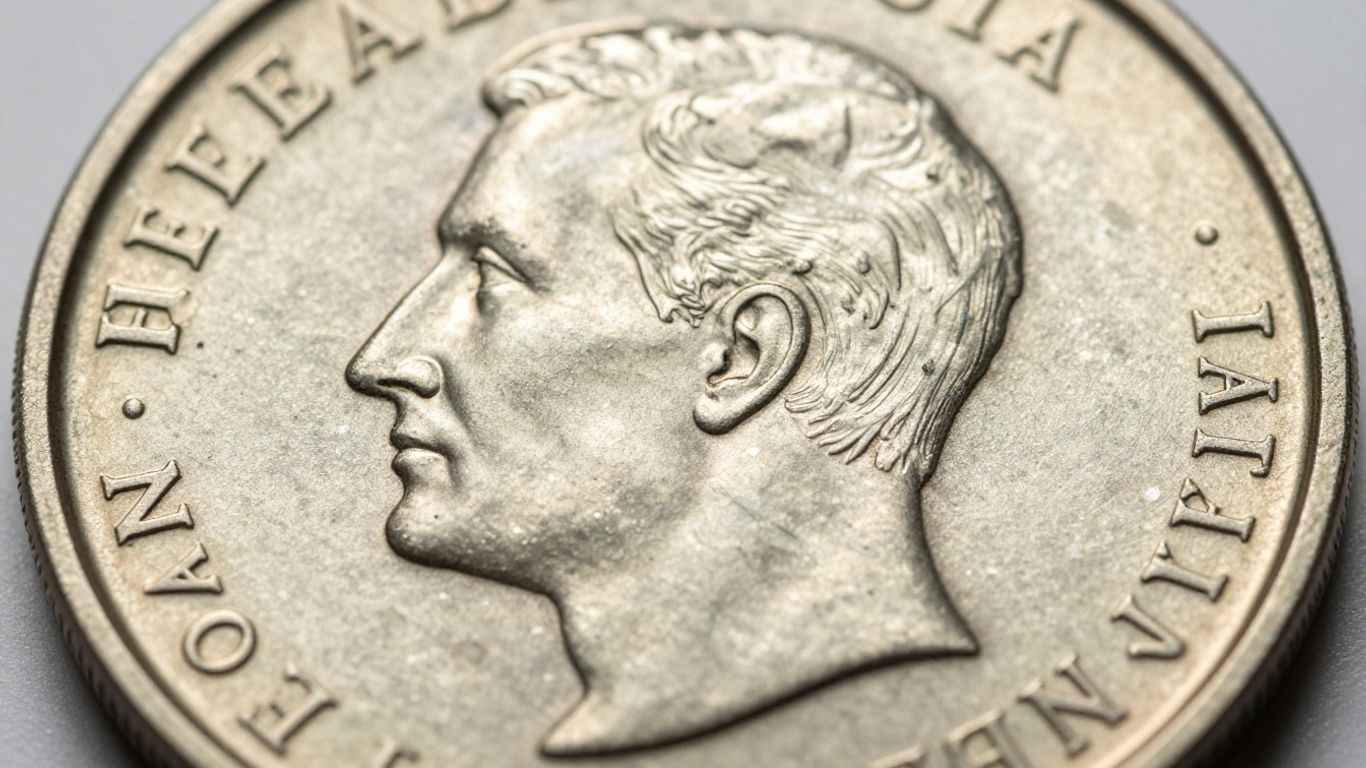
Detecting Surface Bubbles From Casting
Counterfeiters sometimes use casting to create coins instead of the traditional striking method. This process can trap air, leading to tiny bubbles on the coin’s surface. These aren’t usually found on genuine, struck coins. Keep an eye out for these small imperfections, as they can be a big clue. It’s like finding a tiny air pocket in a piece of chocolate; it just doesn’t belong there if it was made the right way. This method is especially useful when looking at coins that might be cast fakes.
Recognizing Seams Along Coin Edges
When coins are cast, the metal is poured into a mold. This often leaves a faint seam where the mold halves met. Genuine coins, made by striking, don’t have this seam. You might need a magnifying glass to spot it, but it’s a tell-tale sign that the coin wasn’t made using the proper minting process. It’s a subtle detail, but important for spotting fakes.
Assessing Rough Or Grainy Surface Textures
Casting can also result in a rough or grainy texture on the coin’s surface, unlike the smooth, precise finish of a struck coin. This unevenness comes from the mold material and the cooling process of the molten metal. A truly authentic coin should have a clean, sharp finish, not a gritty feel. Comparing the surface texture to known genuine examples is a good practice. Sometimes, even high-quality counterfeits can’t quite replicate the smooth feel of a legitimately minted coin.
The manufacturing process leaves its mark. Whether it’s bubbles from casting or seams from mold halves, these imperfections are often the easiest way to spot a fake coin. They are physical evidence of a different, less precise production method.
Here’s a quick rundown of what to look for:
- Bubbles: Tiny pockets of air trapped in the metal.
- Seams: Visible lines where mold pieces joined.
- Texture: A rough, grainy, or uneven surface instead of smooth.
These manufacturing flaws are often overlooked by counterfeiters, making them a reliable indicator for collectors and dealers alike. It’s all about paying attention to the little details that separate a real coin from a fake one.
Advanced Tools For Coin Tooling Detection Methods
When you’re serious about coin collecting or investing, you can’t just rely on your eyes and a basic magnet. The game has changed, and there are some pretty neat gadgets out there now that help you figure out if a coin is the real deal or just a clever fake. These aren’t your grandpa’s loupe and scale, though those are still important, mind you. We’re talking about tech that can really give you an edge.
Electronic Gold Testers For High-Value Items
For those dealing with gold coins, especially the more valuable ones, electronic gold testers are a lifesaver. These devices work by measuring the electrical conductivity or the specific gravity of the coin. They can often tell you the karat of the gold and even detect if there’s a different metal core inside. It’s a quick way to get a solid reading without damaging the coin. You just place the coin on the sensor, and the readout tells you what you need to know. It’s way faster than some older methods and gives you a good level of confidence, especially when you’re looking at pieces worth a lot of money. It’s a good idea to have one if you’re frequently handling gold bullion. You can find more information on how to protect your collection from fakes here.
Portable Density Meters For Quick Readings
Density meters, often based on Archimedes’ principle, are another handy tool. You know, the whole water displacement thing? You weigh the coin dry, then weigh it submerged in water. The difference in weight, along with the known density of water, lets you calculate the coin’s density. Different metals have different densities, so if the calculated density doesn’t match what it should be for, say, a silver dollar, you’ve got a problem. These portable meters make the calculation straightforward. It’s a non-destructive way to get a pretty accurate idea of what the coin is made of. It’s not as precise as some lab equipment, but for on-the-spot checks, they’re fantastic.
Sigma Metalytics And XRF Analyzers
Now we’re getting into the serious stuff. Sigma Metalytics devices are pretty popular. They use electromagnetic waves to analyze the metal composition and structure of coins and bars. They can often differentiate between different alloys and even detect plating or internal structures that might indicate a fake. They’re fast and non-destructive, which is a big plus. Then there are X-Ray Fluorescence (XRF) analyzers. These are top-tier tools. An XRF gun shoots X-rays at the coin, and the way the metal atoms react tells the machine exactly what elements are present and in what percentages. It’s incredibly accurate for determining metal content and is used by professionals and serious collectors alike. It’s a bit more of an investment, but for verifying high-value or suspect items, it’s hard to beat. These advanced tools are part of a larger picture when it comes to verifying authenticity here.
Here’s a quick rundown of what these advanced tools offer:
- Electronic Gold Testers: Measure conductivity/specific gravity for karat and composition.
- Portable Density Meters: Calculate density via water displacement for material identification.
- Sigma Metalytics: Use electromagnetic waves for alloy and structure analysis.
- XRF Analyzers: Provide precise elemental composition through X-ray interaction.
Using a combination of these advanced tools, alongside traditional methods like visual inspection and weight checks, provides the most robust defense against counterfeit coins. Each tool offers a different perspective, and when their results align, you can be much more confident in a coin’s authenticity.
Understanding Counterfeit Coin Characteristics
Counterfeit coins are a persistent headache for collectors and investors. These fakes are getting better, thanks to new tech, making it harder to tell them apart from the real deal. Counterfeiters are motivated by profit, and they’re always finding ways to make convincing copies. It’s a constant game of cat and mouse.
Distinguishing Cast Versus Struck Fakes
When you’re looking at a coin, one of the first things to consider is how it was made. Was it cast or struck? Cast fakes are made by pouring melted metal into a mold. This often leaves a rougher surface, and you might see tiny bubbles or pits. The details might not be as sharp as they should be. Struck fakes, on the other hand, are made using dies, similar to how real coins are produced. These can look much more convincing at first glance, but sometimes the strike isn’t as clean, or the metal might feel off.
- Cast Coins: Often have a grainy texture. Look for signs of mold lines or casting bubbles. Details can be soft.
- Struck Coins: Can appear more like genuine coins. Check for weak strikes, incorrect edge reeding, or inconsistencies in the design.
- Electrotypes: These are made through an electroplating process. They can be very detailed but often lack the correct weight and feel.
Recognizing Altered Appearances
Sometimes, counterfeiters don’t make a coin from scratch. Instead, they take a genuine, but less valuable, coin and alter it to look like a rare or more valuable one. This could involve adding material to change dates or mint marks, or even trying to make a coin look older than it is. Being able to spot these subtle changes is key to avoiding fraud. For instance, a date that looks slightly raised or has a different texture than the rest of the coin could be a red flag. Sometimes, they try to artificially create a patina to make a coin look aged, but this often doesn’t look quite right under close inspection.
Counterfeiters are getting smarter, using advanced methods to make their fakes look authentic. This means collectors need to be extra vigilant and use multiple methods to verify a coin’s authenticity before making a purchase. Relying on just one test isn’t enough anymore.
The Impact Of Material Substitutions
What a coin is made of matters a lot. Genuine coins are made from specific precious metals or alloys. Counterfeiters often use cheaper base metals, sometimes just coating them with a thin layer of gold or silver. This changes the coin’s weight, density, and even its sound when tapped. For example, a tungsten core covered in silver will have a different acoustic signature than a solid silver coin [ee10]. A simple magnet test can sometimes reveal if a coin is made of magnetic base metals, which genuine gold and silver coins are not. Understanding the expected material composition is a vital part of the verification process [3966].
Mitigating Risks In Coin Tooling Detection Methods
Even with the most advanced tools, there are still ways to get tripped up when verifying coins. Counterfeiters are always trying new tricks, so it’s smart to have a few backup plans.
The Importance Of Reputable Dealers
Buying from someone you trust makes a big difference. A good dealer has a reputation to uphold, and they usually know their stuff. They’ll often guarantee the authenticity of what they sell. It’s like buying a used car; you’d rather go to a dealership with good reviews than a random person on the street, right? This trust factor can save you a lot of headaches and money.
- Look for dealers with established businesses.
- Check reviews and ask other collectors for recommendations.
- Be wary of deals that seem too good to be true.
Leveraging Third-Party Grading Services
Sometimes, you just want a second opinion from an expert. That’s where grading services come in. Companies like PCGS or NGC examine coins and give them a grade, along with a certificate of authenticity. It’s not foolproof, but it adds a significant layer of confidence. They have seen countless coins, both real and fake, and their expertise is hard to match. This is especially helpful for higher-value items where the risk is greater.
Relying solely on your own judgment, no matter how experienced, can be risky. External validation from recognized grading bodies provides an objective assessment that is difficult for counterfeiters to fake.
Navigating Online Marketplaces Cautiously
Online shopping is convenient, but it’s also a minefield for coin collectors. It’s easy for sellers to post misleading pictures or descriptions. You can’t physically inspect the coin before buying, which is a big disadvantage. If you do buy online, try to stick to platforms that offer buyer protection. Also, be extra careful if the seller is based overseas, as recourse can be difficult. Always check seller ratings and read reviews carefully. If a deal seems off, it probably is. You might want to look into deepfake detection tools if you’re dealing with digital representations of coins, though physical inspection remains key for actual coins.
Looking Ahead
So, we’ve talked about how fakers are getting smarter, and how the old ways of just looking at a coin or giving it a tap aren’t always enough anymore. Things like listening to the sound a coin makes, but with fancy tech to really analyze it, and even using computer brains like neural networks are becoming the new standard. It’s a bit like upgrading from a flip phone to a smartphone for coin checking. While these advanced methods, like acoustic analysis and AI, are really good at spotting fakes, especially the tricky ones, there’s always room to get better. Building bigger, more varied collections of real and fake coin sounds will help these systems learn even more. The goal is to make sure that whether you’re a big-time collector or just starting out, you can trust that the coins you’re looking at are the real deal, keeping the whole precious metals market honest.
Frequently Asked Questions
What is the 'ping test' and how does it work?
The ‘ping test’ is a simple way to check if a coin is real. You tap the coin, and if it’s genuine, it makes a clear, bell-like sound. Fake coins often sound dull or muffled because they are made of different materials.
How can technology help detect fake coins?
New technology uses special microphones and computer programs to record and analyze the exact sound a coin makes. Every real coin has its own unique sound pattern based on what it’s made of and its shape, which helps tell it apart from fakes.
What are neural networks and how are they used for coin checking?
Neural networks are like computer brains that can learn to recognize patterns. For coins, they can be trained to spot differences between real ones and fakes by looking at their sound patterns or other features. Sometimes, two different neural networks work together to get the best results.
What is data augmentation and why is it important for coin detection?
Data augmentation means creating more examples of coin sounds or images, especially for tricky situations like noisy backgrounds. This helps the computer programs become better at identifying real coins even when the recording conditions aren’t perfect or when there aren’t many examples of fake coins to learn from.
Besides sound, what other non-destructive ways can be used to check coins?
You can check a coin’s weight and size very accurately. Also, using tools like X-ray fluorescence (XRF) can tell you exactly what metals the coin is made of without damaging it. Even a simple magnet can help, as real gold and silver coins aren’t magnetic.
What are some common flaws found in fake coins?
Fake coins, especially those made by pouring metal into a mold (casting), might have tiny bubbles on the surface or visible seams where the mold pieces joined. They might also feel rougher than real coins.
What advanced tools are available for checking coin authenticity?
For valuable coins, special electronic testers like Sigma Metalytics or XRF analyzers can quickly check the metal content. Portable density meters can also give fast readings. These tools provide more certainty than simple tests.
Why is it important to buy coins from trusted sources?
Buying from reputable dealers or using services that grade coins helps ensure you get authentic items. It’s much harder to spot fakes if you don’t know what to look for, and buying from unknown sellers, especially online, can be risky.