
The world of coin collecting is always changing, and staying ahead of fakes is a big part of it. New tech is making it easier than ever to spot coins that aren’t the real deal, especially when it comes to those tricky added mint marks. This article looks at how these new tools are helping collectors, from spotting tiny errors to understanding the market better. It’s all about using the latest advancements to make sure the coins you buy are genuine and worth what you pay.
Key Takeaways
- Modern mints are adding new security features to coins, making them harder to copy. These include special patterns, laser marks, and micro inscriptions.
- Digital tools like large coin databases and AI-powered apps are now available to help collectors compare and authenticate coins.
- Software like CoinKnow can automatically find errors like repunched or missing mint marks, with a high success rate for identifying coin varieties.
- Accurate coin valuation relies on checking prices from many sources and precise grading, while understanding market trends helps collectors make smart choices.
- New technology, especially AI, is improving added mintmark detection on coins, giving collectors more confidence and making the hobby more accessible.
The Evolving Landscape of Coin Authentication
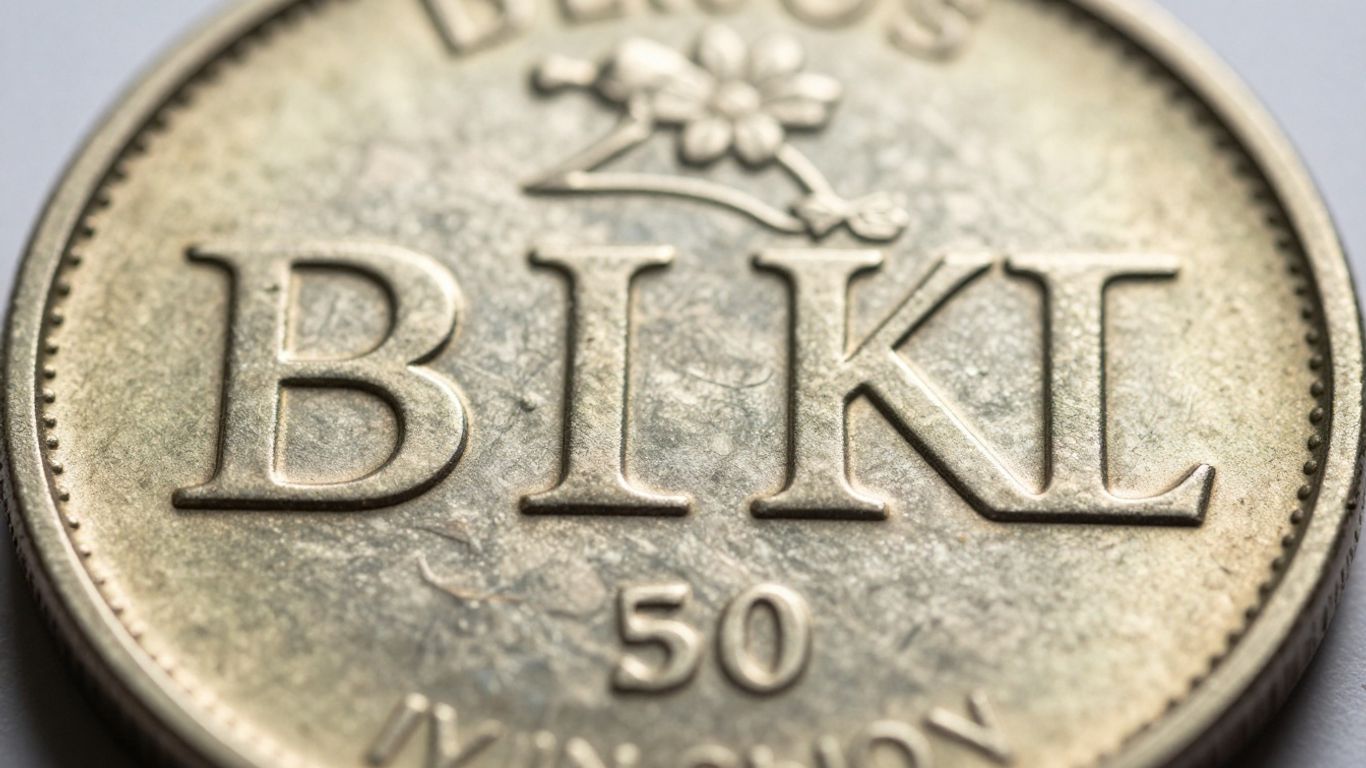
Modern Anti-Counterfeiting Features on Bullion Coins
It feels like every week there’s a new story about fake coins popping up, and honestly, it’s a bit unnerving. The good news is that the people making coins, the mints, are really stepping up their game. They’re not just stamping metal anymore; they’re embedding serious security into their products. Think about the Royal Mint’s Silver Britannia coins – they’ve got these cool wave patterns, special shield details, and even a holographic bit that shows a padlock when you turn it. It’s getting tough for counterfeiters to copy that stuff with their usual tricks. The U.S. Mint is doing similar things, like adding unique edge details to their American Eagles. These modern security features are making newer coins much harder to fake. It’s like a constant back-and-forth, a real technological arms race, and thankfully, the legitimate coin makers are making some solid progress.
Technological Advancements in Mint Security
Beyond the visible features on coins, mints are also using tech behind the scenes. They’re employing things like advanced micro-engraving, which puts tiny details on the coin that are hard to see without magnification and even harder to reproduce. Digital authentication is also becoming a big deal. This means there are ways to verify a coin’s authenticity using digital records and advanced scanning. It’s not just about making the coin itself harder to copy, but also about having better ways to prove it’s real. This is especially important for bullion coins, where the value is tied directly to the metal content and authenticity. Mints are investing a lot to make sure their products are trustworthy, which is great for collectors who want to be sure they’re getting the real deal. Some of these security measures are so advanced, they’re almost like a secret code only the mints and authenticators can read.
The Arms Race Against Counterfeiters
This whole situation with fake coins feels like a never-ending battle. As soon as counterfeiters figure out how to copy one security feature, the mints come up with something new and even more complex. It’s a constant push and pull. We’ve seen everything from crude lead slugs to incredibly sophisticated fakes that can fool even experienced collectors. The problem isn’t just about losing money; it’s about the integrity of the hobby itself. When fakes get good, it erodes trust. But the advancements in mint security are pretty impressive. They’re using things like laser etching for micro-inscriptions and developing new alloys that are harder to work with for counterfeiters. It’s a challenging environment, but the ongoing innovation in security is a positive sign for the future of coin collecting and investing. It means that while the threat is real, the tools to combat it are also constantly improving.
Leveraging Digital Tools for Enhanced Detection
Gone are the days when coin authentication relied solely on a magnifying glass and a keen eye. Today, technology offers a whole new set of tools for collectors, making it easier than ever to spot fakes and verify genuine pieces. It’s like having a digital detective in your pocket.
Utilizing Digital Databases for Comparison
One of the most straightforward ways technology helps is through vast digital databases. Think of it as a massive library of coin images and data. When you have a coin you’re unsure about, you can compare it against known genuine examples. This isn’t just about looks; these databases often include details like weight, diameter, and metal composition, which are critical for authenticity checks. This comparative approach is a cornerstone of modern numismatic analysis.
- Image Libraries: Access to high-resolution images of genuine coins, including various mint marks and error types.
- Specifications: Detailed records of official coin dimensions, weights, and metal content.
- Historical Sales Data: Information on past auction results and sales prices, which can sometimes reveal anomalies.
Relying on established databases means you’re not working in a vacuum. You’re tapping into collective knowledge and verified information, significantly reducing the chance of being fooled by a counterfeit.
AI-Powered Mobile Applications for Authentication
This is where things get really exciting. Artificial intelligence is changing the game. Apps are now available that can identify coins from a simple photo. These tools use complex algorithms to analyze an image and compare it against millions of known coins. Some even go a step further, identifying specific varieties, mint marks, and potential errors. For instance, apps like CoinKnow are designed to spot these details with remarkable accuracy. They can help you identify a coin’s potential value and authenticity right on the spot.
The Power of Online Collector Communities
Beyond dedicated apps, the internet has connected collectors worldwide. Online forums and social media groups dedicated to numismatics are invaluable resources. You can post pictures of your coins and get opinions from experienced collectors and experts. While not a substitute for professional grading, the collective wisdom of a community can often flag suspicious pieces or confirm genuine ones. It’s a collaborative effort where knowledge is shared freely, helping everyone become a more informed collector.
Advanced Software for Added Mintmark Detection
When it comes to spotting those subtle mintmarks, especially ones that might have been added later or are just plain hard to see, software is really changing the game. It’s not just about having a good eye anymore; it’s about using technology to find details that even experienced collectors might miss. This is where specialized programs come into play, offering a level of precision that was once only available to professionals.
CoinKnow’s Sophisticated Error Identification
CoinKnow has made a big splash in the numismatic world, especially for its sharp eye when it comes to errors. This app doesn’t just identify coins; it actively looks for anomalies. It’s designed to flag things like doubled dies, repunched mint marks, and even missing mint marks, which can turn a common coin into something quite special. The way it works is by comparing a coin’s details against a massive database of known varieties and errors. This means that if your coin has a mint mark that’s slightly off, or perhaps a mint mark that shouldn’t be there at all, CoinKnow is likely to catch it. It’s like having a digital magnifying glass that’s also a seasoned expert.
Automatic Detection of Repunched and Missing Mint Marks
One of the most exciting aspects of this new software is its ability to automatically detect repunched and missing mint marks. Historically, identifying these required careful, often time-consuming, manual comparison. Now, software can do much of the heavy lifting. It can analyze the precise location, shape, and depth of a mint mark. If it finds evidence of a mint mark being punched more than once, or if a mint mark is absent where it should be, the software flags it. This is incredibly useful for collectors looking for specific varieties or for anyone wanting to ensure they aren’t dealing with a doctored coin. For instance, a missing mint mark on a coin that normally has one can be a significant indicator of an error or alteration.
The 99% Identification Success Rate
Many of these advanced software solutions boast impressive accuracy rates, often around 99%. This high success rate is built on extensive datasets and sophisticated algorithms. For U.S. coinage, for example, some applications cover hundreds of thousands of varieties. This means that when the software identifies a coin or flags an error, you can generally trust the result. This level of reliability is a game-changer for collectors, reducing the guesswork and increasing confidence in acquisitions. It’s important to remember that while 99% is very high, it does leave a small margin for error, so a final physical inspection is always a good idea. However, for initial screening and identifying potential treasures, this accuracy is hard to beat. You can find more about these types of tools by looking at CoinKnow for coin identification.
The development of specialized software for mintmark detection represents a significant leap forward. It democratizes access to high-level analytical capabilities, allowing hobbyists to identify rare varieties and potential alterations with unprecedented ease and accuracy. This technology not only aids in discovery but also bolsters confidence in the authenticity of numismatic items.
Precision in Coin Valuation and Analysis
Multi-Source Pricing Data for Accurate Valuations
Getting the real value of a coin isn’t just about looking it up in one book. It’s more like piecing together a puzzle from different places. Think about it: one auction might have a coin sell for a certain price, but another auction, or even a dealer’s recent sale, could show a different number. This is why using data from many sources is so important for figuring out what a coin is truly worth. Apps like CoinKnow, for example, pull information from major auction houses like Heritage Auctions, PCGS price guides, and even recent eBay sales. This gives you a much clearer picture than relying on just one source. It helps you see the trends and understand the current market.
Extraordinary Grading Precision on the Sheldon Scale
Grading is a big deal in coin collecting. It’s how we describe a coin’s condition, and it directly impacts its value. The Sheldon Scale, with numbers from 1 to 70, is the standard. Getting the grade right is tough, and even experts can sometimes disagree. But new technology is making this much more accurate. Some apps can now get within a 2-point range on the Sheldon Scale, which is pretty amazing for a mobile tool. This level of precision means you can be more confident about a coin’s grade and, therefore, its value. It’s like having a mini-expert in your pocket.
Market Intelligence for Informed Decisions
Knowing the price is one thing, but understanding the market is another. This means looking at how prices are changing over time, what’s selling well at auctions, and what collectors are looking for. Tools that track price trends and provide alerts can be super helpful. They let you know when a coin you’re interested in might be a good buy or when it’s time to sell. It’s about making smart choices based on real-time information, not just guessing. This kind of market insight can really change how you approach collecting and investing in coins. It helps you spot opportunities you might otherwise miss.
The ability to cross-reference pricing from multiple auction houses and sales platforms provides a more reliable valuation than any single source could offer. This multi-faceted approach is key to understanding the true market value of numismatic items.
Here’s a look at how different data points contribute:
- Auction Records: Prices realized at major auctions (e.g., Heritage, Stack’s Bowers).
- Dealer Sales: Recent sales data from reputable coin dealers.
- Online Marketplaces: Prices from platforms like eBay, reflecting current collector demand.
- Price Guides: Established guides (e.g., PCGS, NGC) offering baseline valuations.
This detailed analysis helps collectors and investors make more informed decisions about acquisitions and sales. For instance, understanding the market trends for rare coins can guide your collecting strategy.
Identifying Deceptive Counterfeiting Techniques
Recognizing Transfer Die Counterfeits
Counterfeiters have gotten pretty clever, and one of the more challenging methods they use is called the transfer die technique. Basically, they take a real coin and use it to create a sort of mirror image die. This means they can copy almost everything from the original, including little scratches or marks. Pros often look for these repeating imperfections. If you see the same tiny scratch on a person’s cheek on three different coins, it’s a big sign that they might be fakes made this way. It’s a sneaky way to make a fake look like the real deal.
Understanding Spark Erosion Techniques
Spark erosion is a more modern approach. It involves using electricity in a special bath with a genuine coin to create a die. This method can produce a very accurate copy. While not as common as some other fakes, these are getting more sophisticated. It shows that the people making these fakes are using advanced tools, which means collectors really need to pay attention.
Detecting Altered Coins with Added Mint Marks
Altered coins are a bit different. Instead of making a fake from scratch, someone takes a real coin and changes it. The most common trick is adding or removing mint marks to make a coin seem rarer than it is. For example, someone might try to add an "S" mint mark to a common coin to make it look like a scarce version. It’s a way to try and trick people into paying more for something that isn’t as special as it appears. Being aware of these tricks is key to avoiding them. You can often spot these by looking closely at the area around the mint mark for signs of tooling or solder. A close look at the edge can also reveal if something has been tampered with, like a drilled hole that was later filled to hide the alteration. Checking the coin’s edge for inconsistencies is a good first step.
The world of coin collecting is exciting, but it also has its share of challenges. Counterfeiters are always finding new ways to deceive collectors, from crude casts to highly sophisticated altered coins. Staying informed about their methods is your best defense. Always remember that if a deal seems too good to be true, it probably is. A suspiciously low price is often the first sign of trouble.
Here are some common red flags to watch out for:
- Price: If a coin is priced significantly below market value, be very cautious. This is a classic bait for counterfeit coins.
- Seller Reputation: Look into the seller. Do they have a good track record? Are they affiliated with reputable numismatic organizations? A lack of transparency or a poor history can be a warning sign.
- Coin Details: Compare the coin you are considering with known genuine examples. Pay close attention to the mint mark’s shape, the lettering, and any small details. Comparing with a database can be very helpful.
- Surface Texture: Cast counterfeits often have a grainy surface, unlike the sharp details of a struck coin. Look for flow lines or tooling marks on struck fakes or altered coins.
The Role of Physical Examination in Detection
Even with all the fancy digital tools and databases available today, you can’t skip the basics when it comes to checking coins. Sometimes, the most obvious signs of a fake or altered coin are right there if you just take the time to look closely. It’s about using your eyes, your hands, and a few simple tools to get a feel for the coin’s authenticity. This hands-on approach is still a really important part of the process.
Weight and Dimension Testing for Authenticity
Authentic coins are made to very specific standards, and that includes their weight and size. The mints are pretty precise about this stuff. If a coin is supposed to weigh exactly 31.103 grams, like a modern American Eagle silver coin, and yours comes in at 27 grams, that’s a big problem. You’ll want to use a good digital scale, one that can measure to at least two decimal places, and compare your results to the official specs. The same goes for dimensions – diameter and thickness. Even a small difference, like half a millimeter, can be a clue that something isn’t right. Keep in mind, though, that some really good fakes might get the weight and dimensions spot on, so this is just one piece of the puzzle.
Detailed Edge Examination for Irregularities
The edge of a coin can be a real giveaway. Counterfeiters often struggle to get this part right. Many coins have specific designs on their edges, like reeding (those little lines) or lettering. On a genuine coin, this reeding is usually neat and evenly spaced. If you see edges that look messy, uneven, or sort of smudged, it might mean the coin was cast or poorly made. It’s a detail that’s easy to overlook, but it can tell you a lot.
Visual Inspection Under Magnification
This is where a good magnifying glass or a 10x loupe really comes in handy. What looks okay to the naked eye can fall apart when you zoom in. You’re looking for small details – the shape of letters, how they connect to the coin’s surface, or any tiny imperfections in the design. Sometimes, you might see signs of alteration, like little scratches near a mint mark or date that look like they were made with a needle. These aren’t always obvious, but magnification helps you spot them. It’s also a good way to compare your coin to known genuine examples from a high-resolution database [76fc].
A coin that feels off, looks too perfect, or has unusual surface textures might be trying to fool you. Genuine coins develop a natural patina over time, and artificial toning often looks too bright or uneven. Cast coins, in particular, can have a grainy surface that struck coins just don’t have.
Spotlight on Commonly Counterfeited Coin Series
It’s a tough world out there for coin collectors, and not just because of the occasional dropped coin. The real worry is the fake ones. Some coins are just so popular, or have such a high value for certain dates, that people try to make copies. It’s a constant game of cat and mouse between the folks making fakes and the people trying to spot them.
Challenges in Authenticating Trade Dollars
Trade Dollars, originally made for trade in Asia, are a big target for counterfeiters. Back in the day, the fakes were pretty obvious. But now? Not so much. Modern tech means some of these fakes look really convincing, sometimes even with fake "chop marks" added to make them seem legit. These marks were originally made by merchants who would stamp the coins, and counterfeiters just copy that.
Identifying Fakes of Mercury Dimes
Mercury Dimes, named for the lady on them who looks a bit like the Roman god Mercury, are super popular. That popularity makes them a prime target for fakers. A lot of the fakes are made from cheaper metals with just a thin silver coating. They often feel lighter than they should, and the little lines on the edge, called reeding, aren’t usually very sharp or well-defined. The 1916-D is a big one here; people sometimes take a regular 1916 dime from Philadelphia and try to add a "D" mint mark to it, hoping to pass it off as the rarer version. It’s a trick that doesn’t always work if you know what to look for.
Key Date Lincoln Cents and Alterations
Lincoln Cents are another series that sees a lot of fakes, especially the key dates. The 1909-S V.D.B. is one of the most sought-after coins in America, and it’s frequently copied. Another common issue is the 1914-D. Sometimes, counterfeiters will take a 1944-D cent and shave down the first "4" to make it look like a "1." It’s a clever bit of work, but the spacing between the numbers often gives it away if you’re paying attention. Spotting these requires a close look at the details, like the shape of the mint mark and how the letters connect to the coin’s surface. You can compare your coin to known genuine examples from a high-resolution database.
The threat of counterfeit coins is real, and it is a problem that has shifted from crude lead slugs to high-tech deceptions that can trick even the sharpest eyes. Protecting your collection starts with knowledge.
Here are some common red flags to watch out for:
- Price: If a deal seems too good to be true, it probably is. A coin priced significantly below market value is a major warning sign.
- Seller: Be cautious of sellers with no return policy, unknown origins, or no affiliations with reputable numismatic organizations.
- Coin Details: Look for inconsistencies in weight, dimensions, edge details, surface texture, and overall appearance compared to known genuine examples. Checking the weight and dimensions for authenticity is a good first step.
It’s always a good idea to buy from trusted sources. If you’re unsure about a coin’s authenticity, consulting an expert or using resources like Archangel Coins’ guide can be very helpful.
The Future of Added Mintmark Detection Technology
Innovations in Laser Etching and Micro Inscriptions
Minting facilities worldwide are constantly developing new ways to make their coins harder to copy. Think about the Royal Mint’s Silver Britannia coins; they now have these cool wave patterns and a holographic security mark that changes when you tilt it. They even use laser-etched text on the edge, like "DECUS ET TUTAMEN," which means "an ornament and safeguard." It’s a clever way to add a layer of security that’s tough for counterfeiters to get right. The U.S. Mint is also getting in on this, adding things like interrupted reeded edges to their American Silver Eagles. These aren’t just for looks; they’re serious security features.
The Impact of AI on Numismatic Analysis
Artificial intelligence is really starting to change the game for coin collectors. We’re seeing apps that can sort coins by decade and year automatically, just by looking at a picture. This kind of tech, like the Numi v3 prototype using Google Gemini, can process images incredibly fast. It means that identifying rare errors or even just organizing your collection can become much simpler. Imagine having a tool that can compare your coin to a massive database of real ones in just a few seconds. It’s like having a numismatic expert in your pocket.
Building Collector Confidence Through Technology
Ultimately, all these new technologies are about making collectors feel more secure. When you know that mints are putting advanced security features on their coins and that there are sophisticated tools available to help you spot fakes, it just makes collecting more enjoyable. It’s a bit of a technological arms race, but the good guys are definitely making progress. Having access to digital databases and AI-powered apps means you can make more informed decisions when buying. It transforms coin collecting into a more digital adventure, where you can uncover hidden treasures with modern tools. The goal is to make sure that when you acquire a coin, you can be confident it’s the real deal, whether you’re looking at a rare error coin or just building your collection. This helps build trust in the hobby, which is good for everyone involved. You can explore numismatic heritage through platforms like Nummi Digitali, which are designed for research and sharing.
Choosing Reputable Sources for Coin Acquisition
Navigating Online Marketplaces Safely
Buying coins online can be a bit of a gamble. Sure, many honest dealers sell their wares on platforms like eBay or specialized forums, and you can find some great deals. But you also have to watch out for folks who aren’t so upfront. Always check seller reviews and look for established dealers with a history of good service. If a price seems way too low for a valuable coin, it’s probably not genuine. It’s like finding a diamond on the sidewalk – highly unlikely.
Here are some things to keep in mind when shopping online:
- Seller Reputation: Look for sellers with a long history and positive feedback. New sellers or those with many negative reviews are risky.
- Return Policy: A good seller will offer a fair return policy. If they don’t, that’s a big warning sign.
- High-Quality Images: Genuine listings should have clear, detailed photos of the actual coin being sold, not just stock images.
- Location: Be cautious of sellers located in regions known for counterfeit production.
The temptation to snag a rare coin at a bargain price is strong, but it’s often a trap. Counterfeiters prey on this desire, offering fakes that look convincing at first glance. Always prioritize authenticity over a seemingly great deal. A slightly higher price from a trusted source is always better than a cheap fake that will never be worth anything.
The Importance of Dealer Reputation and Affiliations
When you’re serious about building a collection, sticking with dealers who have a solid reputation is key. These are the folks who have been around, built trust, and often belong to professional numismatic organizations. Being an authorized dealer for grading services like PCGS or NGC, for example, means they adhere to certain standards. You can often find lists of reputable dealers in your area or online. For instance, if you’re in Atlanta, checking out local coin shops like those listed here can be a good starting point.
Trustworthy Partners in Numismatics
Finding dealers you can rely on makes all the difference. Think of them as partners in your collecting journey. They can help you find specific coins, offer advice, and ensure what you’re buying is the real deal. Dealers who are members of organizations like the American Numismatic Association (ANA) or the Professional Numismatists Guild (PNG) have generally met certain ethical and professional benchmarks. Reputable dealers often have extensive inventories of certified coins, like those you might find at LCR Coin, and are transparent about their offerings. Building a relationship with a trustworthy dealer means you can acquire coins with confidence, knowing you’re getting authentic pieces backed by expertise.
Empowering Collectors with New Detection Tools
It’s a pretty exciting time to be a coin collector, honestly. Gone are the days when you really needed a magnifying glass and a whole lot of patience to figure out if a coin was what it seemed. Now, we’ve got some seriously cool digital tools right in our pockets that can help us out. These new technologies are changing the game, making it easier for everyone, from folks just starting out to seasoned numismatists, to get more out of their hobby.
Transforming Coin Collecting into a Digital Adventure
Think about it: your smartphone is no longer just for calls and texts. It’s become a powerful assistant for your coin collecting adventures. You can access massive digital databases filled with images of real coins, letting you compare what you have to known examples in just a few seconds. This kind of instant comparison is a huge step up from flipping through thick reference books. Plus, there are online communities where collectors share tips and warn each other about fakes. It’s like having a whole team of experts ready to help you out.
Smartphone Applications as Powerful Numismatic Tools
Some of the most impressive advancements are coming in the form of mobile apps. We’re seeing apps that use artificial intelligence to help authenticate coins by spotting subtle visual patterns that might otherwise go unnoticed. These apps can analyze an image of your coin and give you a preliminary assessment. For instance, apps like CoinKnow are designed to identify not just common coins but also tricky error varieties, which can turn an ordinary find into something quite special. They often pull pricing data from multiple sources, giving you a more realistic idea of a coin’s worth.
Here’s a quick look at what some of these apps can do:
- Rapid Identification: Snap a photo and get results quickly.
- Error Detection: Spotting things like doubled dies or missing mint marks.
- Valuation Assistance: Accessing pricing information from various markets.
The ability to quickly check a coin’s authenticity and potential value right when you find it, or when considering a purchase, is a massive benefit. It helps prevent costly mistakes and makes the whole process more enjoyable.
Uncovering Hidden Treasures with Modern Technology
These tools aren’t just for avoiding fakes; they can also help you discover coins you might have overlooked. Imagine finding a rare variety in your pocket change because an app flagged it as unusual. It’s not just about the big-ticket items either. These technologies are making the hobby more accessible and fun for everyone. Even sorting through coins can be automated, with prototypes like Numi v3 showing how AI can help sort coins by year and mint mark efficiently.
It’s pretty amazing how far we’ve come. What used to require specialized knowledge and equipment is now becoming available to the average collector. This democratization of numismatic tools means more people can participate, learn, and hopefully, find some amazing coins along the way.
Looking Ahead
So, it’s pretty clear that new tech is really changing the game for coin collectors. Being able to spot those tiny mint marks, or even errors, with better tools means we can all be more confident about what we’re buying. It’s not just about finding rare coins anymore; it’s about knowing you’ve got the real deal. This stuff makes collecting more accessible and honestly, a lot more fun. As these technologies get even better, we can expect to see even more amazing finds and fewer worries about fakes out there. It’s a good time to be a collector.
Frequently Asked Questions
What is an “added mintmark” on a coin?
An added mintmark is when someone tries to put a mintmark (like a small letter indicating where the coin was made) onto a coin where it doesn’t belong. This is often done to make a less rare coin look like a more valuable one.
Why is detecting added mintmarks important for coin collectors?
Detecting added mintmarks is crucial because it helps collectors avoid buying fake or altered coins. It ensures they are paying fair prices for genuine items and not being tricked by counterfeiters trying to pass off common coins as rare ones.
How does new technology help in detecting added mintmarks?
New technology, like special software and high-definition imaging, can spot tiny details and patterns that are hard for the human eye to see. These tools can compare coins to databases of real ones and identify inconsistencies that suggest a mintmark has been added.
Can smartphone apps really help identify fake coins?
Yes, some smartphone apps use artificial intelligence (AI) to analyze coin images. They can compare your coin to a vast library of known coins and flag potential fakes, including those with added mintmarks, by looking for unusual details.
What are some simple ways to check if a coin might be fake?
You can start by checking the coin’s weight and size against official specifications. Also, look closely at the coin’s edge for any unusual marks or unevenness, and use a magnifying glass to examine the details of the design for any signs of tampering.
Are there specific coin types that are often faked with added mintmarks?
Yes, certain popular or rare coins, like key date Lincoln Cents or specific types of Trade Dollars, are targets for counterfeiters. They might try to add mintmarks to common versions of these coins to make them seem more valuable.
What is a “transfer die counterfeit”?
A transfer die counterfeit is made by using a real coin to create a stamp (die) that copies it. This means the fake coin might have the same tiny scratches or marks as the original coin in the exact same spots, which is a clue that it’s not genuine.
Where can collectors find reliable information and tools for coin authentication?
Collectors can use specialized software and apps, consult online collector communities, and buy from reputable dealers with good track records. Partnering with trusted numismatic organizations and looking for dealers who are members of respected associations can also provide confidence.