
When you’re looking to invest in coins, figuring out who to trust for grading can feel like a puzzle. It’s not just about knowing if a coin is old; it’s about its condition, which really changes its value. We’re going to look at how the big grading companies stack up, what makes them important, and how to use that information to make smart choices with your money. It’s all about comparing coin grading companies to get the best results for your collection.
Key Takeaways
- Independent grading services like PCGS and NGC provide a standardized way to assess a coin’s condition and authenticity, which greatly influences its market value.
- The Sheldon scale (1-70) is the standard for grading, with small differences in grade, especially in higher ranges like Mint State, leading to significant value changes.
- Third-party certification offers important benefits, including objective condition assessment, a guarantee against counterfeits, and making coins easier to sell.
- When comparing coin grading companies for investment, consider their reputation, how their certification affects resale value, and choose the service that best protects your investment.
- A coin’s grade report details its condition, but understanding factors beyond the number, like specific designations, is also important for accurate valuation.
Understanding The Role Of Coin Grading Companies
The Inception Of Independent Grading Services
Before the mid-1980s, figuring out a coin’s true condition was a bit of a free-for-all. Collectors and dealers relied on their own judgment, which often led to disagreements and inconsistent pricing. It was a system ripe for change. The arrival of independent grading services changed everything. These companies brought a much-needed sense of order and fairness to the hobby. They introduced a standardized way to look at coins, making it easier for everyone to agree on what a coin was worth based on its condition. This shift was a big deal for collectors and investors alike, creating a more reliable market.
The Impact Of Grading On Market Value
Grading isn’t just about assigning a number; it’s about defining a coin’s place in the market. A coin’s grade directly influences how much it can sell for. Even small differences in grade can mean big jumps in price, especially for rare or sought-after coins. Think of it like this: a coin that’s just a little bit better condition might be worth significantly more than one that looks almost identical but has a tiny flaw. This is why getting a coin professionally graded is so important for anyone looking to invest. It provides a clear, objective assessment that buyers and sellers can trust. This objective assessment is key to understanding the true value of items like 1 oz silver coins.
Establishing A Unified Approach To Coin Evaluation
Before independent grading services became common, evaluating coins was pretty subjective. People used descriptive terms, but these could mean different things to different people. The establishment of services like PCGS and NGC brought about a unified approach. They use the Sheldon Scale, a system that ranges from 1 to 70, to describe a coin’s condition. This scale provides a common language for everyone involved in the coin market. It helps to remove personal bias and ensures that a coin’s grade is based on observable characteristics, not just an individual’s opinion. This consistency is what makes professional grading so important for the coin collecting community.
The move towards professional, third-party grading has been a game-changer. It provides a level of trust and transparency that simply didn’t exist before. This standardization is what allows the market to function more smoothly and gives investors more confidence.
Here’s a look at how grades generally impact value:
- Mint State (MS) Coins: These are uncirculated coins. The difference between an MS-65 and an MS-67 can be thousands of dollars.
- Circulated Coins: Even for coins that have seen use, the grade matters. A coin graded Fine (F-12) will be worth less than the same coin graded Very Fine (VF-20).
- Proof Coins: These specially made coins are graded similarly to Mint State coins, with perfection commanding the highest premiums.
This structured approach to evaluation is what gives the coin market its stability and predictability.
Key Players In Coin Authentication And Grading
Professional Coin Grading Service (PCGS)
When the topic of coin grading comes up, the Professional Coin Grading Service, or PCGS, is almost always mentioned. Established in 1986, PCGS really set the standard for independent coin authentication and grading. Before PCGS, collectors often had to rely on the word of sellers or their own judgment, which could lead to a lot of confusion and, frankly, some bad deals. PCGS introduced a more structured approach, with multiple graders examining each coin. They also started encapsulating coins in tamper-evident holders, which not only protected the coins but also provided a clear label with the grade and a unique certification number. This made it much easier for people to know what they were buying. Their grading scale, based on the Sheldon Scale, has become a widely recognized benchmark in the numismatic world.
Numismatic Guaranty Corporation (NGC)
Not long after PCGS came onto the scene, the Numismatic Guaranty Corporation, or NGC, was founded in 1987. NGC quickly became another major player, offering similar services: expert grading, authentication, and secure encapsulation. Like PCGS, NGC employs a team of experienced graders who work independently to assess a coin’s condition. They also use the Sheldon Scale and provide detailed certification labels. The competition between PCGS and NGC has been good for collectors, pushing both companies to maintain high standards and innovate in their services. Many collectors and investors find that coins graded by either PCGS or NGC carry a significant premium over uncertified coins. It’s worth looking into how each service handles specific types of coins or eras you might be interested in, as some collectors develop preferences based on perceived grading strictness or historical performance. You can find a lot of information comparing PCGS and NGC directly.
Rivalry And Standards Between Grading Services
The existence of two dominant grading services, PCGS and NGC, has created a healthy rivalry. This competition means they are constantly working to improve their processes and services to attract submissions. Both companies aim to provide objective and consistent grading, but there can be subtle differences in how they apply the grading scale, especially at the higher Mint State levels. These differences are often debated within the collecting community.
Here’s a look at some key aspects:
- Grading Consistency: Both services strive for consistency, but individual grader opinions can vary slightly. This is why coins are often reviewed by multiple graders.
- Encapsulation: Both use secure, sealed holders (slabs) to protect the graded coin and display its certification details.
- Population Reports: Both PCGS and NGC publish population reports, which show how many coins of a specific type and grade they have certified. This data can be very useful for understanding rarity.
- Re-grading: Sometimes, collectors will submit a coin graded by one service to another, or even resubmit to the same service, hoping for a higher grade. This practice, known as "crossover," highlights the perceived differences in grading standards.
The introduction of independent grading services fundamentally changed the coin market. It brought a level of trust and standardization that was previously missing, making it easier for people to buy and sell coins with more confidence. This shift has been particularly beneficial for investors looking to acquire higher-value pieces.
Ultimately, the choice between PCGS and NGC often comes down to personal preference or specific market trends for certain coins. For most investors, coins certified by either of these top-tier services represent a significant step towards a more secure and informed numismatic acquisition. Understanding the nuances of their grading can help you make better investment choices, and many collectors find that focusing on historically significant certified coins is a sound strategy.
The Nuances Of The Sheldon Grading Scale
Coin grading is often the dividing line between a piece that blends into a collection and one that commands impressive value. The Sheldon Grading Scale, the standard across the coin world, offers a clear structure from 1 (barely recognizable) to 70 (flawless). Still, there’s a lot to unpack about how it works in real life, especially when you’re thinking about investing.
Understanding Grades From Poor To About Good
The lowest end of the Sheldon Scale covers coins in rough shape—think coins so worn you might have trouble identifying them without a magnifying glass. These grades still matter, though, especially for very rare coins where just having an example is significant.
| Grade | Description |
|---|---|
| P-1 | Poor; barely identifiable |
| AG-3 | About Good; outlines visible |
| G-4 | Good; major design apparent |
| VG-8 | Very Good; clearer details |
- Coins graded P-1 through AG-3 typically show heavy wear, smooth surfaces, and very little detail.
- G-4 and VG-8 indicate major designs are still visible, though well-worn.
- Coins in these grades are usually more affordable unless they’re scarce dates or types — then demand can still be strong.
For truly rare coins, even a "Poor" grade can be sought-after, since collectors sometimes value rarity over condition when options are limited.
Interpreting Mint State And Proof Coin Grades
At the opposite end of the scale, grades move into the uncirculated and proof categories. Mint State (MS) coins, from MS-60 to MS-70, have no wear from circulation and are graded instead on luster, strike, and the number of tiny marks. Proof coins, which are specially made for collectors, use PR-60 to PR-70, reflecting their condition as minted.
| Grade | Description |
|---|---|
| MS-60 | Uncirculated, moderate marks, dull luster |
| MS-65 | Strong luster, few noticeable marks |
| MS-70 | Perfect; no flaws or visible marks |
| PR-65 | Choice proof, few hairlines or issues |
| PR-70 | Flawless mirror-like fields, pristine |
- Mint State coins have not been used and should not show any signs of wear.
- Proofs are struck in a different process and are usually meant for collectors but can grade from PR-60 upwards.
- The gap between MS-67 and MS-70 is huge for value–minor imperfections can mean big price swings.
If you want a breakdown of the different Sheldon grades, the Sheldon scale explained gives a detailed look at each step.
The Significance Of Grade Increments In Value
Moving up or down just a single number—or even a designation like "+"—can translate into drastic changes in price.
Here’s what makes every grade bump matter:
- Incremental value jumps: Coins move up in value fast as you hit higher Mint State or Proof numbers. The difference between AU-58 and MS-60, or MS-64 and MS-65, can be hundreds or thousands of dollars for some issues.
- Eye appeal and luster have increasing weight at the top grades.
- Market demand concentrates on higher grades, making small improvements very worthwhile to investors.
| Grade | Example Auction Price (Hypothetical) |
|---|---|
| MS-63 | $500 |
| MS-65 | $1,200 |
| MS-67 | $3,000 |
Understanding grade increments is central when weighing coins as investments, since this is where value jumps sharply—and competition among collectors heats up.
Looking for more about the Sheldon scale’s impact on coin values? You’ll find an easy overview at Sheldon grading system basics.
Benefits Of Third-Party Coin Certification
When you’re looking to invest in coins, getting them checked out by a third party might seem like an extra step, but it really does make a difference. Think of it like getting a car inspected before you buy it – you want an unbiased opinion on its condition and authenticity. These grading services act as that impartial judge for your coins.
Ensuring Objectivity In Condition Assessment
One of the biggest pluses of using a third-party grader is that it takes the guesswork and personal bias out of the equation. Instead of relying on a seller’s word or your own potentially untrained eye, you get an evaluation from experts who do this all day, every day. They use a standardized system, like the Sheldon Scale, to assess a coin’s condition. This means everyone is speaking the same language when it comes to a coin’s grade. This objective assessment is key to building trust in the market.
Guaranteeing Authenticity And Preventing Counterfeits
Let’s be honest, counterfeit coins are a real problem. Some fakes are pretty convincing, and even experienced collectors can get fooled. Third-party grading services have rigorous processes to spot fakes. They’re not just looking at the condition; they’re verifying that the coin is genuine. When a coin comes back certified, it usually means it’s passed this authenticity check. This protection is a big deal, especially for more expensive coins. It’s a good idea to buy coins that have been authenticated and graded by services like PCGS or NGC.
Enhancing Liquidity And Marketability Of Coins
Coins that have been certified by a reputable third-party grader tend to be easier to sell and often fetch higher prices. Why? Because buyers have more confidence in what they’re getting. They know the coin’s grade has been verified and it’s authentic. This makes the coin more attractive to a wider range of buyers, from casual collectors to serious investors. It’s like having a product with a trusted brand name on it – people are more willing to buy it.
Here’s a quick look at why certification helps:
- Reduced Risk: Buyers feel more secure knowing a third party has verified the coin.
- Standardized Value: The grading scale provides a common reference point for pricing.
- Faster Sales: Certified coins often move more quickly in the market.
- Higher Prices: The confidence and standardization can lead to better sale prices.
The cost of third-party certification, while an expense, often pays for itself by preventing overpayment for a coin and by making it more appealing to future buyers. It’s an investment in the coin’s future saleability and your peace of mind.
Comparing Coin Grading Companies For Investment
When you’re looking to invest in coins, the name on that grading label matters more than you might think. Some grading services are recognized more widely than others, and their reputation can influence both your buying price and resale value. PCGS and NGC are the two most established names, each known for consistency and market trust. But reputation is based on more than age—collectors pay attention to the company’s grading accuracy, its guarantees, security features, and market feedback.
Here’s a quick table comparing key factors often discussed by investors:
| Grading Company | Industry Reputation | Guarantee | Security Features |
|---|---|---|---|
| PCGS | Excellent | Yes | High |
| NGC | Excellent | Yes | High |
| Others | Variable | Variable | Moderate |
- PCGS is often viewed as slightly stricter in grading certain coins.
- NGC has wider acceptance in world coins and certain specialties.
- Both are supported by major auction houses and dealers.
A grading company’s reputation often determines how easily and confidently you can sell or trade your coins down the road; always factor in the market’s trust level when choosing a grader.
Assessing The Impact Of Certification On Resale Value
Not all slabs (the holders encapsulating graded coins) carry the same weight in the resale market. Coins authenticated and graded by top-tier services like PCGS or NGC often sell faster and for higher prices. Some collectors even insist on coins being in a "PCGS holder" or "NGC holder," especially for key date and high-value pieces. Lower-tier or lesser-known companies do not inspire the same confidence.
Three factors impacting resale value:
- Buyer trust in the grading accuracy.
- Market preference for certain grading companies.
- Auction and dealer acceptance of certification.
For a detailed breakdown of how each company’s standards affect coin values, see this experienced comparison of PCGS and NGC.
Choosing A Service For Optimal Investment Protection
For anyone serious about protecting their investment, the ideal grading service is one with a proven track record, robust authentication, and global recognition. It’s not just about the number on the slab; it’s about how the market views that grade.
Steps to choose wisely:
- Assess the type of coins you plan to grade—for some world and modern coins, NGC may be the preferred choice.
- If you want maximum liquidity in the U.S. market, PCGS is frequently favored for classic U.S. coins.
- Consider turnaround times and fees, which can differ between companies, especially for bulk submissions.
Remember, a strong certification not only helps defend against counterfeits and grade misrepresentation; it also makes selling or trading your coins less of a hassle later on.
The Anatomy Of A Coin Grade Report
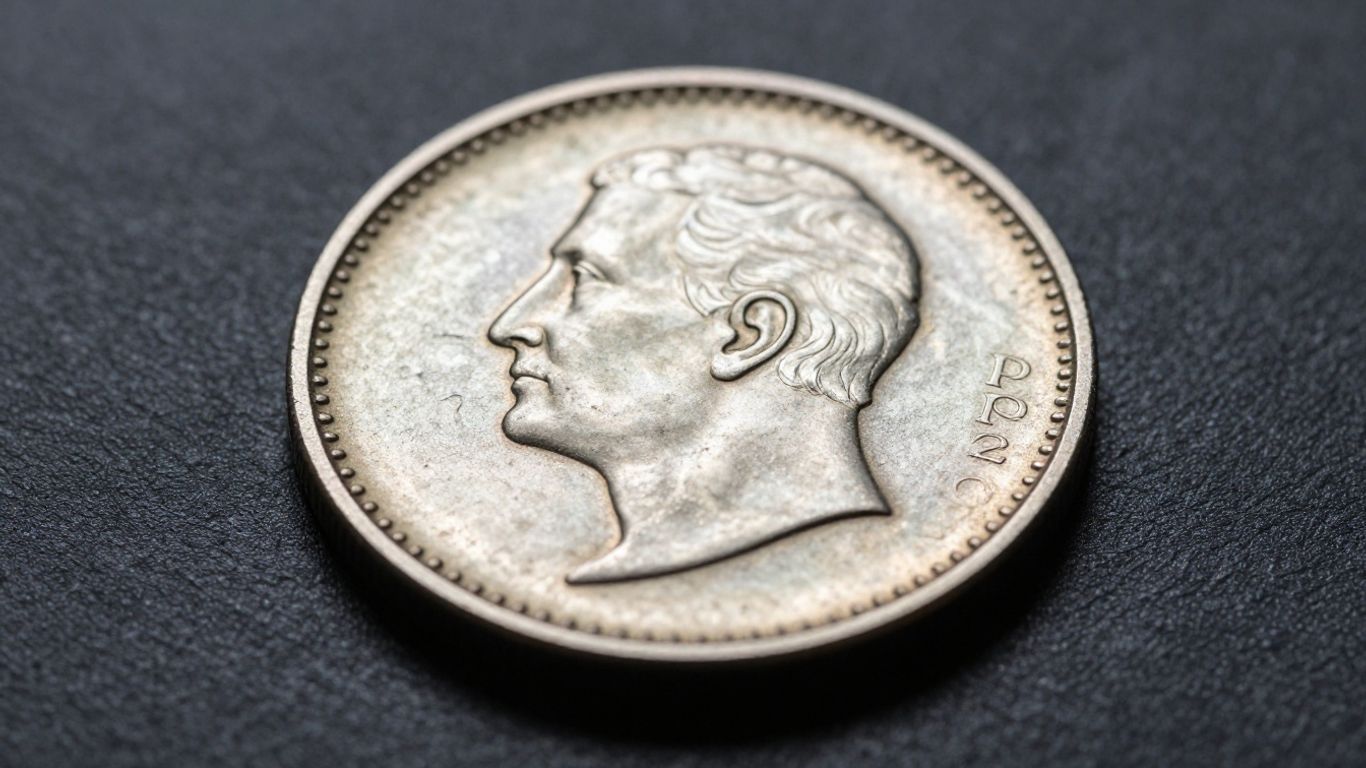
When you get a coin back from a grading service, it comes in a special holder, often called a "slab." This isn’t just a fancy plastic case; it’s a sealed environment designed to protect the coin and, more importantly, it contains a report detailing the coin’s condition. Understanding what’s on this report is key to knowing what you actually own.
Deciphering The Grading Scale Details
The most prominent piece of information is the grade itself, usually a number from 1 to 70 based on the Sheldon Scale. This scale gives a numerical value to a coin’s condition. For instance, a coin graded MS-65 is considered "Mint State" and in excellent condition, while a coin graded G-4 is "Good" and shows significant wear. The difference between a 64 and a 65 can mean a substantial jump in value. It’s not just about whether a coin is worn or not; the scale gets very specific as you move up the higher grades.
Here’s a quick look at how the scale breaks down:
- Poor (P-1) to About Good (AG-3): Very worn, most details are gone.
- Good (G-4) to Very Good (VG-8): Major design elements are visible but worn flat.
- Fine (F-12) to Very Fine (VF-20, VF-30): Moderate to light wear, most major details are clear.
- Extremely Fine (EF-40, EF-45): Light wear on the highest points, but most of the coin looks sharp.
- About Uncirculated (AU-50, AU-55, AU-58): Very little wear, maybe a slight rub on the highest spots.
- Mint State (MS-60 to MS-70): No wear at all. These grades focus on strike, luster, and the number of marks.
- Proof (PR-60 to PR-70): Special coins made for collectors, with mirror-like surfaces and frosted designs.
Understanding Factors Beyond The Numerical Grade
While the number is important, it’s not the whole story. The grading report will also include details about the coin’s strike (how well the design was impressed), its luster (the original shine), and the presence and severity of "contact marks" – those little nicks and scratches that happen after the coin is made. A coin might have a high numerical grade, but if it has a poor strike or too many distracting marks, its desirability and value can be affected. Sometimes, a coin might be graded, say, MS-65, but the grader might add a qualifier like "Full Bell Lines" (FBL) for Mercury dimes or "Full Bands" (FB) for Roosevelt dimes, indicating exceptional detail in specific areas that collectors look for. This is why looking at the full description, not just the number, is important when you’re evaluating a coin’s condition.
The Importance Of Detailed Designations
Grading services also provide specific designations that tell you more about the coin. For example, you’ll see the coin’s variety or type (like a "DDO" for a doubled die obverse, meaning the front side was struck twice with slight misalignment, or a "DRM" for a doubled die reverse). They also note if the coin is a proof or a business strike. Some reports might even mention if the coin has been cleaned or has other issues that would prevent it from receiving a top grade. These details are critical for collectors who specialize in certain types of errors or varieties.
The grading report is more than just a number; it’s a detailed assessment that provides a standardized language for collectors and investors. It confirms authenticity, assigns a condition grade, and notes any significant characteristics that influence the coin’s market appeal. This detailed documentation helps to reduce uncertainty in transactions and provides a basis for comparing coins within the numismatic market.
Understanding these reports helps you appreciate the nuances of coin grading and make more informed decisions about your collection or potential investments. It’s about looking past the surface and understanding the full picture presented by the grading service, much like understanding the history behind the Sheldon Scale itself.
Investment Strategies When Comparing Grading Services
When you’re looking to invest in coins, figuring out which grading service to trust is a big part of the puzzle. It’s not just about getting a grade; it’s about how that grade affects what someone will pay for the coin later on. Think of it like buying a house – you want an inspector you can rely on, right? The same applies here.
The Premium For Certified Coins
Coins that have been certified by reputable third-party grading services often fetch higher prices. This isn’t just a small bump; it can be a significant difference. Buyers feel more secure knowing that a neutral expert has verified the coin’s condition and authenticity. This confidence translates directly into willingness to pay more. It’s why many serious collectors and investors focus almost exclusively on graded coins. The premium reflects the reduced risk and the standardized information provided by services like PCGS and NGC.
Focusing On Historically Significant Certified Coins
While any certified coin might see a price boost, those with historical importance can really shine. Coins tied to major events, famous figures, or significant periods in history often attract a wider audience. When these coins are also professionally graded, it adds another layer of appeal. Investors might look for certified coins that tell a story or represent a key moment in numismatic history. This combination of historical context and verified condition can lead to strong returns.
Registry Set Competition And Its Impact
Some grading services run what are called ‘registry sets.’ These are online leaderboards where collectors can showcase their graded coins, often competing to have the finest examples of specific coin types or series. This competition can drive up demand and prices for high-grade, certified coins that fit into these popular sets. If you’re looking to invest, keeping an eye on registry set trends can offer insights into which coins are currently most sought after by serious collectors. It’s a dynamic that can influence market values.
The decision to use a specific grading service can influence a coin’s marketability. While most major services adhere to the Sheldon scale, collector perception and dealer preference can create subtle differences in how a graded coin is received. Researching which services are most respected for the types of coins you are interested in is a smart move.
Navigating The Risks In Coin Grading
The Subjectivity Inherent In Coin Grading
Even with reputable third-party grading services, human opinion is always involved. There’s a reason why the same coin might receive a slightly different grade depending on who’s looking at it and when. No matter the training or detailed standards, two graders may disagree over a tiny scratch or faint toning.
- Coin grades can shift within a point or two during resubmissions
- Market preferences and grading standards can change over time
- Grading results depend on subtle aspects like luster and strike quality
While graders aim for consistency, collectors should recognize that minor inconsistencies are just part of the game and should factor this into their investment decisions.
Protecting Against Counterfeit Coins
Fake coins and doctored pieces are a real worry, especially for high-value or rare issues. While professional certification helps, the risk is never zero.
- Major services like PCGS and NGC use advanced tools to spot fakes, but not every counterfeit is caught
- Window for new types of forgeries as technology evolves
- Vintage slab holders (older versions of plastic cases) are sometimes targeted and replicated
Investors should always cross-check their purchases with reliable references and prefer trusted companies — as discussed in how PCGS, NGC, and CAC compare for gold and silver coins.
Mitigating High Transaction Costs Through Certification
Getting a coin graded and certified isn’t cheap or instant. The costs can eat into your return, especially for mid-range collectibles.
| Fee Type | Typical Range | When Incurred |
|---|---|---|
| Submission Fees | $20 – $100+ | Per Coin |
| Shipping & Handling | $10 – $40 | Each Submission |
| Membership Costs | $50 – $149/year | Annually |
- Some coins may not be worth slabbing if their value is close to the grading cost
- High-end coins benefit more from certification, but budget coins don’t always see a return for the expense
- Certification takes weeks, adding time risk in volatile markets
Many investors debate whether the premium paid for third-party grading is justifiable, especially since the price for graded coins might be excessive and a guaranteed profit isn’t assured.
Always keep a close eye on these risks when venturing into certified coins. With care and research, you can enjoy the upsides of grading while sidestepping most pitfalls.
The Future Of Coin Grading And Investment
The way we look at and invest in coins is changing, and a lot of that has to do with new technology. It’s not just about old coins in dusty albums anymore. Think about how online auctions are now a huge part of the coin world. Over 70% of sales happen online, which means you can buy or sell coins from pretty much anywhere. This makes the market a lot bigger and more accessible.
Technological Advancements In Authentication
Technology is also making it harder for fakes to get through. We’re seeing more advanced imaging that lets people see coins in incredible detail, even from far away. Plus, there’s talk about using things like blockchain to keep track of a coin’s history and ownership. This could make it much clearer where a coin came from and if it’s the real deal. This digital trail could become as important as the grade itself for some collectors.
Market Accessibility For New Investors
Because of these changes, more people are getting into coin collecting and investing. It’s not just for seasoned experts anymore. Younger folks are showing interest, and the whole market is becoming more open. This is good news because it means more buyers and sellers, which can help keep things lively. The rare coin market is already a big deal, worth billions, and it’s growing.
The Growing Premium For Certified Coins
As the market gets more digital and accessible, the value of having a coin professionally graded is actually going up. When you buy a coin that’s been certified by a reputable service, you know what you’re getting. It takes away a lot of the guesswork. This confidence means certified coins often sell for more and sell faster than ones that haven’t been graded. It’s like a stamp of approval that buyers are willing to pay extra for. For anyone serious about investing, getting coins graded is becoming less of an option and more of a necessity.
The coin market is evolving rapidly. While traditional grading remains important, new technologies are adding layers of security and transparency. This shift is making the market more open to new investors and increasing the demand for authenticated and graded coins.
Making Informed Decisions With Grading Services
Choosing the right coin grading service is more than just picking a name—it’s about research, verifying expertise, and tracking the ever-changing coin market. If you want your investment to stand the test of time, there are a few straightforward steps to keep in mind.
Consulting Professional Numismatists
Confused about which grading company to trust or how to understand a grade? Professional numismatists—trained experts with years of hands-on experience—can provide guidance you just won’t get from a quick online search. Here’s why they matter:
- They help figure out if a coin is worth sending in for certification.
- They can point out subtle details that might impact a coin’s grade or market appeal.
- They often know the inner workings and strengths of grading services like PCGS or NGC, and which service collectors prefer for particular coin types.
Getting expert advice before making grading choices reduces the chance of missteps that could cost you money or peace of mind.
Researching Market Trends And Price Guides
Even a beautifully graded coin might not pay off if you don’t keep up with market shifts. It makes sense to compare auction results, recent sales data, and price guides. Some smart ways to keep yourself updated:
- Check certified auction sales to see premiums attached to PCGS-graded or NGC-graded coins.
- Use online resources that break down market data for the coin type and grade you have.
- Compare neutral evaluations of graders with long-term reviews, such as those found in in-depth comparisons of PCGS and NGC.
A simple table can help organize your findings:
| Grading Service | Average Price Premium | Market Preference | Certifying Strengths |
|---|---|---|---|
| PCGS | Slightly higher | US coins | Seen as strict, transparent, top resale |
| NGC | Competitive | Global coins | Fast turnaround, broad acceptance |
The coin market can change fast, so regularly updating your research and checking reliable price guides protects you from overpaying or underselling.
Purchasing From Reputable Dealers And Sources
It’s easy to skip this step, but it often means the difference between a smooth investment journey and endless headaches. Here’s a checklist you should consider before finalizing your next buy:
- Confirm that your dealer is listed as an authorized submitter to a recognized grading service.
- Ask about return policies in writing, so there are no surprises later.
- Always verify the authenticity and the certification number online through the grading company’s website.
- Look for third-party feedback and reviews about your dealer or auction house before purchasing.
While the process might seem a bit drawn-out, sticking with trusted sources helps avoid fakes and makes selling your coins easier down the line.
By combining advice from experienced numismatists, data-driven research, and good dealer practices, you set yourself up for fewer regrets—and potentially better returns—when grading and investing in coins.
Wrapping Up: Your Coin Investment Strategy
So, we’ve looked at how grading companies like PCGS and NGC really matter when you’re buying coins for investment. It’s not just about getting a number on a label; it’s about having a trusted opinion that helps you know what you’re really buying. These services help make sure coins are real and give you a clear idea of their condition, which directly affects how much they’re worth. While there’s a cost to getting coins graded, it often pays off by making them easier to sell later and giving buyers more confidence. For anyone serious about coin collecting as an investment, using these professional grading services is a smart move. It’s like having an expert guide in a market that can sometimes feel a bit confusing. Remember, doing your homework and sticking with reputable services will go a long way in building a solid collection.
Frequently Asked Questions
Why is coin grading so important for collectors and investors?
Coin grading is like giving a coin a report card for its condition. A good grade means the coin is in better shape, which makes it worth more money. It helps everyone understand exactly what they’re buying or selling, making the coin market fairer and easier to navigate.
What are the main coin grading companies, and how do they differ?
The two biggest names are Professional Coin Grading Service (PCGS) and Numismatic Guaranty Corporation (NGC). They both check if a coin is real and how good its condition is. While they have similar goals, collectors sometimes prefer one over the other based on their reputation and how they grade specific types of coins.
Can you explain the Sheldon Grading Scale in simple terms?
The Sheldon Scale uses numbers from 1 to 70. A ‘1’ is a coin that’s barely recognizable, while a ’70’ is a perfect coin with no flaws. Most coins fall somewhere in between, with grades like ‘Mint State’ (meaning uncirculated) being very desirable and valuable.
What are the biggest benefits of having a coin certified by a grading service?
Getting a coin graded by a trusted company offers several perks. It proves the coin is real and not a fake, it gives an honest opinion on its condition, and it makes the coin easier to sell later. This certification acts like a seal of approval for buyers.
How does a coin's grade affect its selling price?
The difference between one grade and the next can be huge! A coin that’s just one point higher on the grading scale can be worth many times more. This is why even small details in a coin’s condition matter a lot when it comes to its value.
Are there any risks involved with coin grading?
Yes, there can be. Grading can be a bit subjective, meaning different graders might see things slightly differently. Also, fake coins can sometimes fool even experts, and the cost of grading can add up. It’s important to buy from trusted sources to avoid these issues.
What should I look for in a coin grade report?
A grade report will show the coin’s grade on the Sheldon Scale and usually include a picture. It might also mention specific details about the coin’s appearance, like its strike quality or any marks it has. Understanding these details helps you know exactly what you’re getting.
What's the best way to choose a grading service for my investment coins?
For serious investments, stick with the most respected services like PCGS and NGC. Their opinions carry the most weight in the market. Always research the specific coin you’re interested in and see which service’s grades are most accepted for that type of coin.