
Getting a handle on your coin price guide is a big part of collecting. It’s not just about looking up numbers; it’s about understanding what those numbers mean. This guide will help you use your price guide better, whether you’re just starting out or have been collecting for a while. We’ll cover how to read the grading scales, what tools to use, and what really makes a coin valuable. Knowing how to use these guides effectively can really make a difference in how you collect and what you find.
Key Takeaways
- Learn the grading scales, like the Sheldon scale, to understand coin condition and how it affects value.
- Use tools like a magnifying loupe and proper handling techniques to examine coins closely without causing damage.
- Recognize that a coin’s value depends on rarity, condition, market demand, and physical attributes like strike quality.
- Cross-reference different coin price guides and understand why their values might differ to get a balanced view.
- Apply coin price guide usage tips to make smarter decisions when buying or selling coins, and to help preserve your collection.
Understanding Coin Grading Scales
When you first get into collecting coins, you’ll quickly realize that a lot of the value comes down to how well-preserved a coin is. This is where grading comes in. Think of it as a way to describe a coin’s condition using a common language so everyone knows what they’re talking about. Without it, trying to buy or sell coins would be a total mess.
The Sheldon Grading Scale Explained
The most common system you’ll run into is the Sheldon scale. It’s a number system that goes from 1 all the way up to 70. A ‘1’ means the coin is barely recognizable, maybe just showing the outline of the design. A ’70’ is a perfect coin, with absolutely no flaws. This 1-to-70 scale is the foundation for understanding coin values. It helps collectors and dealers talk about coins in a way that makes sense, whether the coin has been handled a lot or looks like it just came from the mint.
Here’s a quick look at some key points on the scale:
- Poor (P-1): Barely identifiable. You can see the basic shape, but details are gone.
- Good (G-4): Significant wear, but the main design elements are visible.
- Very Fine (VF-20): Moderate wear, but most of the details are still clear.
- Extremely Fine (EF-45): Light wear on the highest points, but the coin still looks pretty sharp.
- About Uncirculated (AU-58): Very minor wear, almost looks uncirculated, but you might catch a hint of wear if you look closely.
- Mint State (MS-60 to MS-70): No wear at all. These coins look like they just left the mint. The numbers from 60 to 70 describe the level of perfection, with 70 being flawless.
Applying Numeric Grades to Coin Condition
So, how do people actually assign these numbers? It’s not just about looking at a coin and picking a number out of thin air. Graders look at a few main things: the coin’s surface, how well it was struck, and its original shine, or luster. They check for things like scratches, nicks, or other marks that might have happened when the coin was made or handled. A coin that was struck with a strong die will have sharp, clear details, while a weak strike can make even a high-grade coin look less impressive. The luster is also a big deal – does it still have that original mint shine, or has it been dulled by circulation or cleaning?
When you’re looking at coins, especially those in higher grades, you’ll notice that even within the same number grade, some coins just look better than others. This ‘eye appeal’ is subjective but plays a big role. A coin with great luster and very few distracting marks might be considered a ‘top pop’ (top population) for its grade, making it more desirable.
Recognizing Mint State vs. Circulated Grades
This is a pretty big distinction. Circulated coins are those that have been used in everyday commerce. They show signs of wear, and their grade will fall somewhere between Poor (1) and About Uncirculated (58). Mint State (MS) coins, on the other hand, have never been used for spending. They should have their original mint luster and no wear. The grades MS-60 through MS-70 are used for these coins, with higher numbers indicating fewer imperfections and better overall appearance. It takes practice to tell the difference, especially between a high-end circulated coin and a low-end Mint State coin. Sometimes, even experienced collectors disagree on the exact grade, which is why it’s good to look at multiple sources and get a feel for what you think the coin is worth.
Essential Tools for Coin Examination
To really get a handle on what a coin is worth, you need to look at it closely. It’s not just about knowing the dates and mint marks; you have to see the details. This is where a few key tools come in handy. They aren’t fancy, but they make a big difference in spotting quality and potential problems.
The Importance of a Magnifying Loupe
Think of a loupe as your coin’s best friend. It’s a small, handheld magnifier, usually offering 5x, 7x, or 10x magnification. Why is this so important? Well, coins have tiny details – like the fine lines in a portrait or the individual feathers on an eagle. A loupe lets you see these things clearly. It helps you check if a coin has been cleaned, if there are any scratches you missed, or if the strike is strong and sharp. Without a good loupe, you’re essentially guessing about a coin’s condition. It’s one of the first things any serious collector buys, and for good reason. It helps you authenticate coins, spot varieties, and understand the true condition, which directly impacts value.
Using Coin Tweezers and Gloves
When you’re looking at coins, especially ones that aren’t in protective holders (we call these "raw" coins), how you hold them matters. Your fingers have oils and dirt on them, and over time, these can actually damage the coin’s surface. It’s like leaving fingerprints that can corrode the metal. To avoid this, collectors use special tools:
- Coin Tweezers: These are designed with smooth, often plastic-coated tips to grip the coin by its edge without scratching it. They give you a secure hold while keeping your skin away from the coin’s surface.
- Cotton Gloves: Wearing a pair of soft cotton gloves is another common practice. They prevent oils and dirt from your hands from transferring to the coin. This is especially important for coins with a lot of original luster, as fingerprints can dull that shine.
- Handling by the Edge: Even without tools, the rule is always to hold a coin by its edge. Never touch the main surfaces (obverse or reverse) if you can help it. This simple habit protects the coin from damage and preserves its appearance.
Leveraging Digital Scales for Authenticity
While not always the first tool people think of, a digital scale can be surprisingly useful, especially when you’re dealing with precious metal coins or suspecting a counterfeit. Coins are made to specific weights and purities. For example, a standard one-ounce American Silver Eagle should weigh exactly 31.1035 grams. If a coin you’re looking at is significantly lighter or heavier, it’s a big red flag.
- Weight Verification: You can use a scale to confirm if a coin matches its expected weight. This is a quick way to weed out fakes that might look good but are made of the wrong metal or are hollow.
- Purity Checks: For gold, silver, or platinum coins, weight combined with dimensions (which you can measure with calipers, another useful tool) can give a strong indication of purity. A coin that’s the right weight but slightly larger might be plated rather than solid.
- Consistency: When buying multiple coins of the same type, a scale helps ensure consistency and can highlight any anomalies that might warrant closer inspection.
Examining a coin involves more than just a quick glance. It requires attention to detail, the right tools, and a bit of practice. Using a loupe to see the fine points, tweezers or gloves to handle with care, and a scale to check the basics all contribute to making informed decisions about a coin’s true condition and value. These tools aren’t just for experts; they’re for anyone who wants to collect coins with confidence.
Key Factors Influencing Coin Value
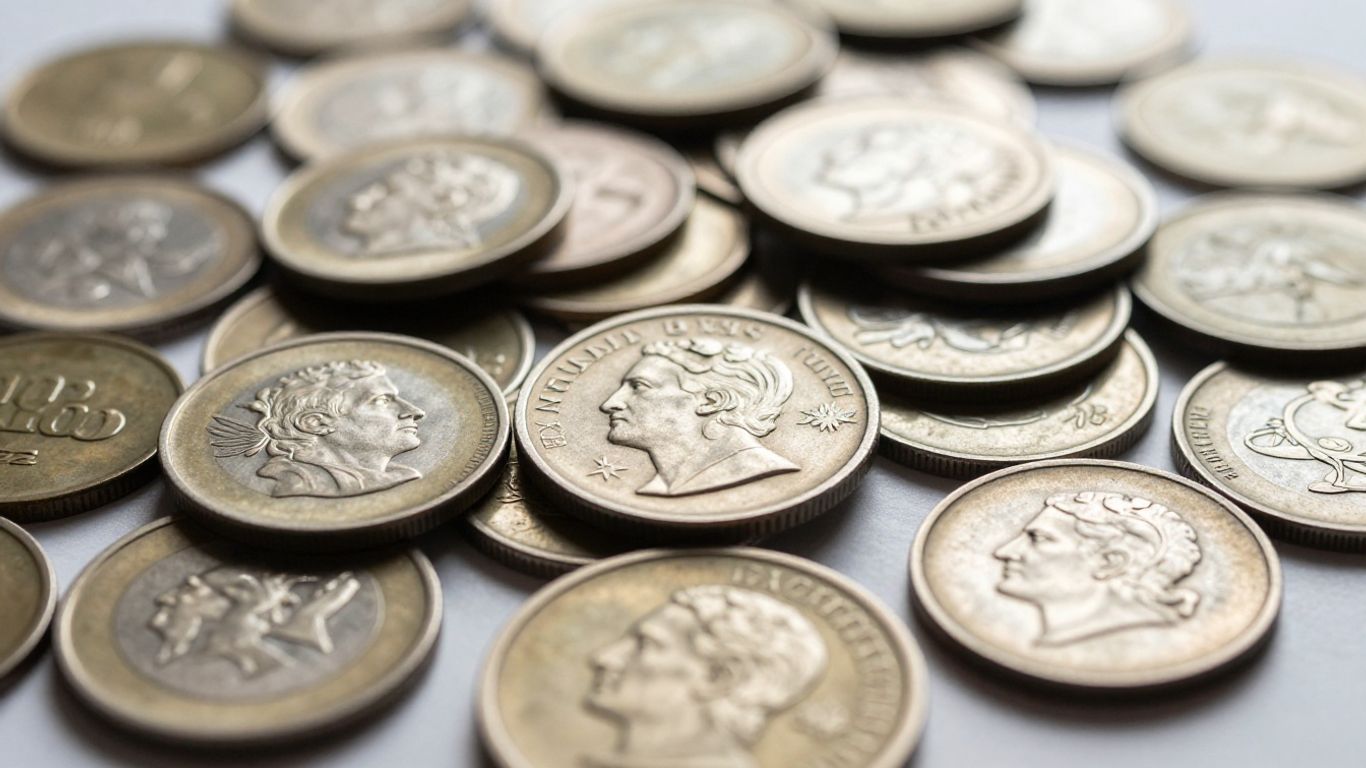
When you’re looking at coins, figuring out what they’re actually worth can feel like a puzzle. It’s not just about the date on the coin; a whole bunch of things come into play. Understanding these elements helps you make smarter decisions, whether you’re buying, selling, or just admiring your collection.
Assessing Rarity and Mintage Numbers
One of the biggest drivers of a coin’s value is how many were made and how many still exist. Low mintage numbers often mean a coin is harder to find, which naturally pushes up its price. Think about it: if only a few thousand were ever produced, and many of those were lost or melted down, finding one in good shape is a big deal. This scarcity is a primary factor in determining a coin’s true rarity. For instance, certain historical coins tied to specific events can become highly sought after simply because so few survived. It’s always a good idea to check the mintage figures for any coin you’re interested in; resources like online databases and resources can be a great help here.
The Impact of Condition and Grade
Okay, so you’ve got a rare coin. Great! But what condition is it in? This is where grading comes in. A coin that looks like it just left the mint will be worth far more than one that’s been tossed around in pockets for decades. Grading scales, like the Sheldon scale, use numbers to describe a coin’s condition, from "Poor" (barely recognizable) all the way up to "Mint State" (uncirculated). Even small differences in grade can mean huge jumps in value. A coin might look pretty good to you, but a professional grader might spot a tiny scratch or wear mark that significantly lowers its grade and, therefore, its price.
Understanding Market Demand and Trends
Sometimes, a coin’s value isn’t just about its physical attributes or how many were made. What people want to collect right now plays a massive role. Trends can shift based on historical anniversaries, popular culture, or even just a surge of interest from new collectors. For example, coins from a particular era might become popular because of a movie or a historical event. You might see prices for certain types of coins go up quickly if they suddenly become the "hot item" in the collecting world. Keeping an eye on what’s popular can help you spot opportunities or understand why a coin you own might be worth more (or less) than you thought.
The interplay between rarity, condition, and what collectors are actively seeking creates a dynamic market. A coin’s intrinsic metal value is one thing, but its numismatic value—its worth to collectors—is often far greater and subject to these shifting influences.
Here’s a quick look at what influences value:
- Rarity: How many were made and how many are left.
- Condition: The coin’s state of preservation (its grade).
- Demand: What collectors are currently looking for.
- Metal Content: The value of the gold, silver, or other precious metals it contains.
- Historical Significance: Its connection to important events or people.
Evaluating a Coin's Physical Attributes
Getting a good look at a coin isn’t just about admiring the artwork on one side or checking the date on the other. Serious collectors pay close attention to physical characteristics that reveal a lot about value, authenticity, and history. Here’s how to assess the details that really matter.
Examining Strike Quality and Detail
The way a coin’s design shows up—sharp, faint, or somewhere in between—can make a huge difference. A well-struck coin will display crisp, clear features like distinct feathers, sharp letters, or strong lines. On the other hand, a weak strike might look blurry or flat. Here’s what to check:
- Design clarity: Look for crisp edges on letters and images.
- Edge features: Reeding, smooth, or lettered edges can signal both error coins and intentional designs.
- Die varieties: Sometimes, a small error in the minting process, like doubled letters, makes a coin especially interesting.
One tip: a 10x magnifier is your best friend for spotting little details that aren’t obvious at first glance.
Assessing Original Luster and Sheen
Original luster is that almost silky shimmer a freshly minted coin gives off. As coins age or are cleaned, this shine can fade or change. Natural luster means the surfaces haven’t been tampered with—collectors value that a lot. When looking at luster:
- Roll the coin under a desk lamp—does the surface gleam evenly?
- Dipped or cleaned coins often have a dull or unnatural finish.
- Luster can show if a coin is truly in mint state or has been through wear.
| Luster Quality | What It Means |
|---|---|
| Full Mint Luster | Uncirculated, untouched |
| Patchy/Dull | Possible cleaning/wear |
| Shiny, but flat | Chemical cleaning likely |
Identifying Surface Imperfections and Damage
Every collector wins some and loses some here. Small scratches, nicks, or stains all matter. These flaws can really bring down a coin’s grade. When checking for damage:
- Use a magnifier to catch hairlines or bag marks.
- Don’t just look at the front—edges, rim, and the reverse matter too.
- Toning (color changes) isn’t always bad, but corrosion is a problem.
Be sure to use gloves when you handle coins—fingertip oils and dirt are the enemy.
Spending time on the details now means fewer surprises when it comes time to sell or trade. Even seemingly tiny dents or spots could make a big difference in how other collectors view your coin. Remember, condition and grade both play a part in value alongside rarity.
Navigating Coin Price Guide Usage Tips
Price guides are a collector’s best friend, but they aren’t always straightforward. Think of them less as a definitive rulebook and more as a helpful starting point. Different guides might give slightly different values for the same coin, and that’s okay. It’s why you’ll want to get a feel for a few different ones.
Cross-Referencing Multiple Price Guides
It’s a smart move to check more than one price guide when you’re looking up a coin. This gives you a broader picture of what the market is doing. You might see a range of prices, and that’s normal. What you’re looking for is a general consensus or a common value that pops up across several sources. This helps you avoid relying on just one opinion, which might be outdated or have a particular bias.
Understanding Price Guide Discrepancies
Why do prices differ? Well, several things can cause this. One big reason is how different guides grade coins. Remember, grading is subjective to a degree. One guide might be more conservative with its grades, while another might be a bit more generous. Also, guides are updated at different times. A guide updated last year might not reflect the latest market shifts as well as one updated more recently. The key is to understand that these guides reflect past sales and current trends, not absolute fixed values.
Here’s a quick look at why values might vary:
- Grading Standards: Different publishers may have slightly different interpretations of the Sheldon scale.
- Update Frequency: Guides are updated periodically; newer ones reflect more current market activity.
- Market Fluctuations: Coin values can change based on demand, rarity, and economic conditions.
- Specific Coin Details: Minor variations or unique characteristics not always captured in a general guide can affect price.
When you’re looking at a coin, especially one you’re thinking of buying or selling, always consider the condition very carefully. A coin that looks good at first glance might have tiny scratches or other issues that significantly lower its worth. It takes practice to spot these things, so don’t be discouraged if you miss them at first. Experienced collectors often develop a keen eye for these details over time.
Using Guides for Buying and Selling Decisions
When you’re buying, use the price guide to set a reasonable budget for yourself. If a coin is listed for $100, but someone is asking $200, you know to be cautious. It might be a rare variety, or the seller might be overpricing it. On the selling side, the guide helps you set a fair asking price. You want to be competitive but also get what your coin is worth. Remember to factor in the condition and any unique features of your coin when comparing it to guide listings. If you’re preparing to sell your collection, organizing your coins by type and noting specific details like mint marks can really help showcase their value.
It’s also worth noting that third-party grading services, like NGC, provide a more standardized assessment. While their encapsulated coins (slabs) offer a level of assurance, it’s still wise to examine the coin yourself and compare the assigned grade to your price guide. The saying "buy the coin, not the slab" is good advice here.
Leveraging Reference Materials Effectively
The Value of Comprehensive Coin Catalogs
Think of coin catalogs as the encyclopedias for your collection. They offer detailed information on coin types, varieties, historical context, and importantly, grading standards. For instance, a good catalog will show you images of different grades for a specific coin, helping you understand what a ‘Very Fine’ or ‘Mint State’ actually looks like. This visual and descriptive data is key to accurately assessing your coins. Many collectors swear by having a physical catalog on hand, especially when starting out. It’s a reliable source that doesn’t depend on internet access.
Utilizing Online Databases and Resources
Beyond printed books, the digital world offers a wealth of information. Online databases and numismatic websites provide up-to-the-minute pricing, auction results, and population reports (how many of a certain coin exist in a specific grade). These resources are fantastic for tracking market trends and finding specific coins. You can often search by mint mark, date, and grade to see recent sales data. This kind of real-time information can be incredibly useful when deciding whether to buy or sell.
Here’s a quick look at what you might find:
- Pricing Data: Average sale prices for various grades.
- Population Reports: The number of coins graded by major services.
- Auction Archives: Past results from major coin auctions.
- Variety Information: Details on rare die varieties or errors.
Staying Updated with Market Trends
Coin collecting isn’t static; prices and demand shift. Keeping up with market trends means regularly checking price guides, auction results, and numismatic news. Subscribing to collector newsletters or following reputable dealers can provide insights into what’s currently popular or undervalued. Understanding these shifts helps you make smarter decisions about acquiring new pieces or selling from your existing collection. It’s about knowing when a coin might be appreciating or depreciating in value.
The best collectors are always learning. Reference materials are not just tools for appraisal; they are gateways to understanding the history, artistry, and economics behind each coin. Use them consistently to build your knowledge base.
Proper Coin Handling and Preservation
Best Practices for Handling Raw Coins
When you’re looking at coins that aren’t already in a protective holder, often called "raw" coins, how you hold them really matters. Your fingers have oils and dirt on them, and over time, these can actually damage the coin’s surface. It’s a slow process, but it can affect the coin’s appearance and, ultimately, its value. Always handle raw coins by their edges. This is the most important rule to remember. If you’re going to be handling coins frequently, or if you’re dealing with particularly valuable pieces, consider using specialized coin tweezers or wearing clean, white cotton gloves. These simple precautions prevent direct contact and keep your fingerprints off the coin’s face.
Choosing Archival-Quality Storage
Once you’ve acquired a coin, keeping it in good condition is just as vital as finding it. The wrong kind of storage can introduce problems like scratches, corrosion, or even chemical damage. You want to use materials that won’t react with the metal of the coin. Think about things like Mylar or polyethylene flips, archival-quality coin albums, or even professional grading service slabs. These are designed to protect your coins without causing harm. Avoid anything made with PVC (polyvinyl chloride), as this plastic can break down and release chemicals that leave a green residue on your coins, which is very difficult to remove and significantly lowers their worth.
Avoiding Damaging Materials Like PVC
This point deserves its own mention because it’s so common and so damaging. PVC is found in many older plastic holders, some coin folders, and even some novelty items. Over time, the plasticizers in PVC can leach out and react with the metal of the coin, especially silver and copper. This reaction often results in a green, waxy film or dark spots on the coin’s surface. It’s a form of corrosion that can be permanent. When selecting storage for your collection, always check the material. Look for labels that specify "archival safe," "Mylar," or "polyethylene." If a plastic feels soft and flexible, it might be PVC, and it’s best to steer clear. Investing in proper, inert storage materials from the start will save you a lot of heartache and expense down the line. It’s a small step that makes a big difference in preserving your collection’s integrity and value for years to come.
Community and Professional Appraisal
Sometimes, you just need a second set of eyes, or maybe even a whole team of them, to really get a handle on your coin collection. That’s where the community and professional appraisers come in. It’s not just about looking at a coin and guessing its worth; it’s about tapping into a shared knowledge base and getting expert opinions.
Learning from Fellow Collectors
Talking with other people who collect coins can be surprisingly helpful. You might meet someone at a local coin club meeting or a show who has seen thousands of coins just like yours. They can point out details you might have missed or share stories about how certain coins have performed in the market. It’s a great way to learn the ropes without having to spend a fortune on mistakes.
- Attend local coin club meetings: These are often informal gatherings where members share their latest finds and discuss collecting topics.
- Visit coin shows and conventions: These events bring together collectors, dealers, and experts from all over, offering a chance to see a wide variety of coins and talk to knowledgeable people.
- Join online forums and social media groups: Many online communities are dedicated to numismatics, providing a platform for discussions, Q&A sessions, and sharing information.
Building connections within the collecting world can offer insights that price guides alone can’t provide. It’s about the collective experience and shared passion.
When to Consult a Professional Appraiser
While community advice is great, there are times when you absolutely need a professional. If you’re dealing with potentially high-value coins, a large collection, or items you’re considering insuring or selling, a professional appraisal is the way to go. These folks have dedicated their careers to understanding the nuances of coin valuation. They know the grading standards inside and out and have a finger on the pulse of the market. Getting a professional evaluation can give you peace of mind and a solid basis for making important decisions about your collection. Many offer complimentary initial evaluations to help you understand the scope of services needed.
Engaging with Coin Clubs and Shows
Coin clubs and shows are more than just places to buy or sell; they are hubs of information and networking. You can learn about different collecting specialties, discover new resources, and even find mentors. Observing how experienced collectors and dealers interact can teach you a lot about market dynamics and coin authenticity. These events are fantastic for getting a feel for the real-world value of coins beyond what you might read in a book. It’s where theory meets practice, and you can see firsthand how condition, rarity, and demand play out.
Strategic Considerations for Collectors
Timing the Market for Optimal Sales
Deciding when to sell a coin can be just as important as deciding when to buy it. Market conditions fluctuate, and understanding these shifts can lead to better financial outcomes. Keep an eye on trends; sometimes a particular series or type of coin experiences a surge in popularity, driving up prices. This might be the opportune moment to sell if your goal is profit. Conversely, if you’re looking to acquire, understanding when demand is lower can help you secure coins at a more favorable price. Patience is often a collector’s greatest asset.
Understanding Tax Implications
When you sell coins for more than you paid for them, you generally owe capital gains tax on the profit. The specific tax rate depends on how long you owned the coin (short-term vs. long-term capital gains) and your overall income. It’s wise to keep detailed records of your purchases, including dates and prices paid, as well as sales records. This documentation is vital for accurate tax reporting. Consulting with a tax professional who understands collectibles can help you navigate these obligations and potentially find ways to minimize your tax burden.
Diversifying Your Collection Holdings
Putting all your resources into a single type of coin or metal can be risky. If that particular market segment experiences a downturn, your entire collection’s value could be affected. Diversification means spreading your investment across different areas. This could include:
- Different Metals: Holding gold, silver, platinum, and even copper coins.
- Various Eras: Collecting coins from ancient times, the 19th century, the 20th century, and modern issues.
- Geographical Regions: Expanding beyond your home country to include world coins.
- Denominations and Series: Not focusing solely on one coin type, like just Lincoln cents, but including other denominations or series.
Building a diverse collection not only spreads risk but can also broaden your numismatic knowledge and enjoyment. It opens up new avenues for discovery and appreciation within the hobby.
Putting Your Knowledge to Work
So, you’ve spent some time with this guide, and hopefully, you’re feeling a bit more confident about using your coin price guide. It’s not just about looking up numbers, right? It’s about understanding what those numbers mean for the coins you have or the ones you want to get. Think of the guide as a tool, like a magnifying glass or a good book. Use it to check details, compare conditions, and get a feel for what’s out there. Don’t be afraid to compare what the guide says with actual coins you see at shows or online. The more you practice looking at coins and using your guide, the better you’ll get at spotting good deals and avoiding common mistakes. Happy collecting!
Frequently Asked Questions
What is coin grading, and why is it important?
Coin grading is like giving a coin a score based on how worn it is from being used. The better the score, the more the coin is usually worth. It’s important because it helps collectors know the true condition and value of a coin, making it easier to buy, sell, or trade fairly.
What tools should I use to look at my coins?
To really see the details on a coin, you’ll want a magnifying loupe, which makes things look bigger. It’s also smart to use special coin tweezers or wear cotton gloves when handling coins. This keeps the oils from your fingers off the coin’s surface, which can cause damage over time.
How do I know if a coin is rare?
A coin’s rarity is often linked to how many were made (mintage numbers). Coins that have fewer made are generally rarer and can be more valuable. Checking coin price guides and catalogs can help you find out how many of a certain coin were produced.
What's the difference between a 'Mint State' coin and a 'Circulated' coin?
A ‘Mint State’ coin is one that looks like it just came from the mint – it hasn’t been used in everyday spending. A ‘Circulated’ coin is one that has been used as money and shows signs of wear. Mint State coins are usually worth much more than circulated ones.
Why do coin price guides sometimes show different values for the same coin?
Coin price guides offer estimates, and values can change based on market demand, recent sales, and how well the coin is graded. Different guides might use slightly different grading standards or focus on different market aspects, leading to varied price suggestions. It’s best to look at a few guides to get a general idea.
How can I protect my coins from damage?
Proper handling and storage are key. Always hold coins by their edges, and never touch the flat surfaces. Use storage materials that are safe for coins, like archival-quality albums or holders, and avoid anything made of PVC, as it can harm the metal over time.
When should I consider getting a professional appraisal for my coins?
If you have a particularly rare, valuable, or historically significant coin, or if you’re looking to sell a large collection, consulting a professional appraiser is a good idea. They have the expertise to accurately determine a coin’s value and can help with insurance or estate planning.
What are some important things to look for when examining a coin's physical details?
You should check the ‘strike quality’ to see how clear the design is, look for the original ‘luster’ or shine the coin had when it was made, and inspect for any surface problems like scratches or dents. These details significantly affect how a coin is graded and its overall value.