
Thinking about selling old paper money or coins? It can be a bit confusing to figure out where to go, especially if you’re in San Antonio. Lots of people have old bills lying around, but not everyone knows how to find the right people to buy them. This guide is here to help you find those specialists, the obsolete currency buyers in San Antonio, so you can get a fair price for what you have.
Key Takeaways
- Finding buyers for old currency in San Antonio involves looking for dealers who specialize in numismatics.
- The value of your old bills depends on factors like rarity, condition, and historical significance, not just age.
- Reputable dealers will offer transparent appraisals and fair pricing for your obsolete currency.
- Be prepared to provide any original documentation or certificates that come with your currency.
- Selling obsolete currency can be a good way to turn forgotten items into cash while helping to preserve history.
Locating Obsolete Currency Buyers in San Antonio
Understanding the Value of Old Bills
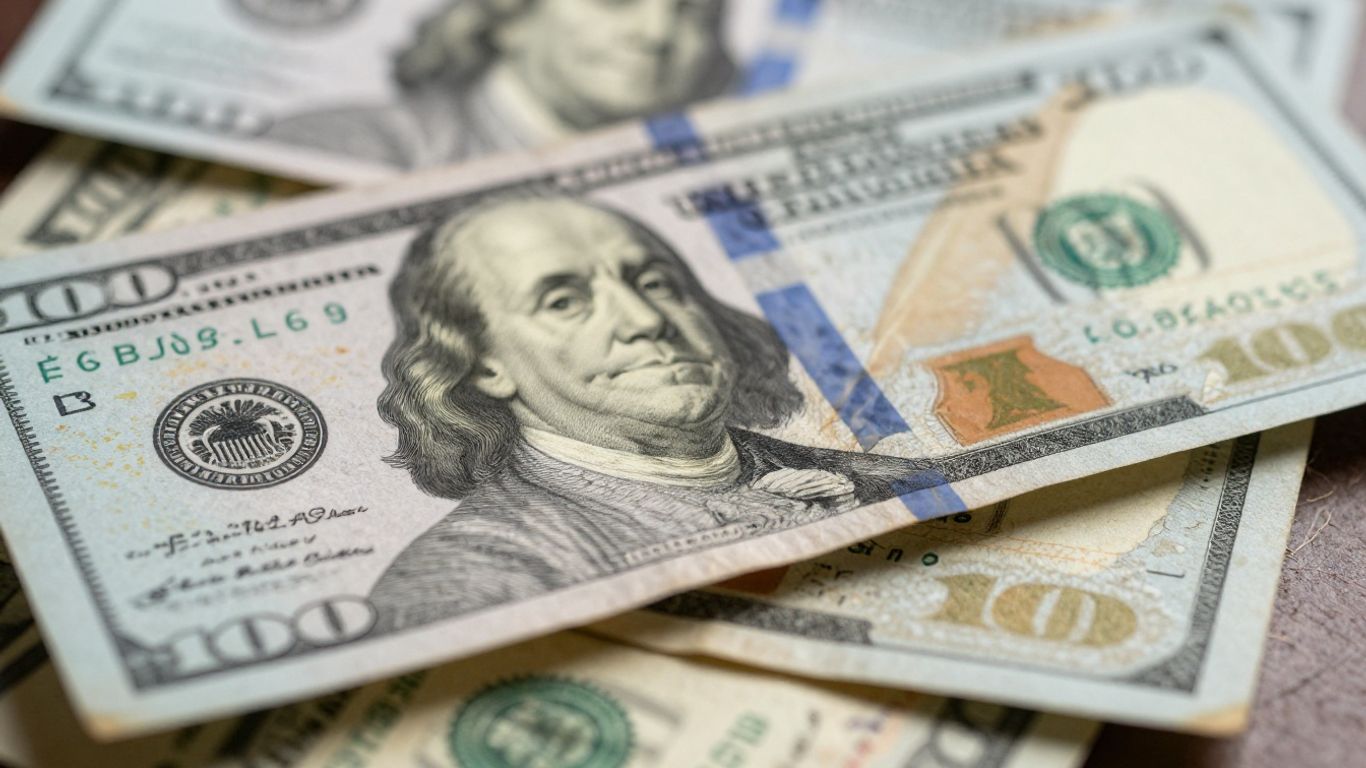
Figuring out what your old paper money is actually worth can be a bit of a puzzle. It’s not just about how old a bill is; a lot more goes into it. Things like how rare it is, its condition, and whether collectors are looking for it right now all play a big part. Sometimes, a bill that looks ordinary might be worth a surprising amount, while a really old one might not fetch much. It’s tough to know for sure without some help.
- Rarity: How many of these bills were printed, and how many still exist today?
- Condition: Is the bill crisp and new, or is it torn, faded, or heavily creased?
- Demand: Are collectors actively seeking this specific type of currency?
- Historical Significance: Does the bill represent a unique period or event?
Trying to guess the value yourself can often lead to disappointment. It’s best to get a professional opinion before you start thinking about selling.
Where to Find Reputable Dealers
Finding someone trustworthy to buy your old currency in San Antonio is key. You don’t want to end up with someone who doesn’t know what they’re talking about or tries to take advantage of you. Look for dealers who specialize in paper money and have been around for a while. Checking with collector groups or numismatic organizations can point you in the right direction. Some dealers might even be members of professional groups, which can be a good sign.
- Professional Organizations: Look for dealers affiliated with groups like the Professional Numismatists Guild (PNG) or the Society of Paper Money Collectors (SPMC). These memberships often mean the dealer adheres to a code of ethics.
- Local Coin Shows and Shops: San Antonio might host coin shows periodically. These events are great places to meet multiple dealers and get a feel for the market. Local coin shops that also deal in currency are another option.
- Online Directories: Services like the PMG Banknote Dealer Locator can help you find dealers who specialize in banknotes. While these are often national resources, they can help you identify potential buyers.
What to Expect When Selling
When you decide to sell your obsolete currency, the process is usually straightforward, but it’s good to know what’s coming. A reputable dealer will want to examine your notes carefully. They’ll look at the condition, rarity, and any other factors that affect its worth. Be prepared to answer questions about where you got the currency and if you have any original packaging or documentation. They should explain their offer clearly and give you time to consider it. Don’t feel pressured to accept the first offer you get. It’s also a good idea to get a second opinion if you’re unsure about an offer.
- Initial Assessment: The dealer will inspect your currency, noting its condition and specific characteristics.
- Offer Presentation: You will receive a buy offer, which should be explained in terms of its basis (e.g., market value, rarity).
- Negotiation/Acceptance: You can accept the offer, decline it, or try to negotiate. A good dealer will be transparent about their pricing.
- Transaction: If you accept, the dealer will typically pay you on the spot, often in cash or via a check, depending on your agreement.
Types of Obsolete Currency Accepted
When you’re looking to sell old paper money, it’s helpful to know what kinds of notes collectors and dealers are most interested in. Not all old bills are created equal, and some categories are more sought after than others. Understanding these distinctions can help you identify what you have and where to find buyers.
Large Size Banknotes and High Denominations
Before 1929, U.S. currency was printed in larger dimensions than what we use today. These "large size" notes, especially those from national banks, are often quite collectible. Think about the early Federal Reserve Notes and National Bank Notes; these can be particularly interesting to collectors. High denomination bills, such as $500, $1,000, or even larger, are also in demand. These were not commonly used by the general public and are rare finds today. For example, a Fr. 602 San Antonio, Texas 1902 $5 Plain Back Note from The Groos National Bank is a specific type of large-size note that might attract attention from collectors.
Confederate and Republic of Texas Notes
Currency issued by the Confederate States of America during the Civil War is a distinct and popular collecting area. These notes often feature unique designs and historical significance. Similarly, banknotes issued by the Republic of Texas before it joined the United States are also highly collectible. These historical documents offer a glimpse into a specific period of Texas history and are sought after by both currency collectors and history buffs.
Fractional and Postal Currency
During and after the Civil War, when there was a shortage of coins, the U.S. government issued fractional currency. These were essentially small-denomination paper notes, often in denominations of less than a dollar (like 3 cents, 5 cents, 10 cents, 25 cents, and 50 cents). Postal currency was similar, often used for postage. Both types are interesting to collectors due to their unique historical context and often small, intricate designs. They represent a fascinating period of American financial history.
It’s important to remember that the condition of your currency plays a big role in its value. Don’t try to clean or repair old bills yourself, as this can often do more harm than good. Collectors usually prefer items in their original state, even if that state isn’t perfect. Let the experts handle any cleaning or restoration if it’s deemed necessary.
Here are some common types of obsolete currency you might encounter:
- Large Size Notes: Issued before 1929, these are physically larger than modern currency.
- High Denomination Bills: Notes with face values of $500 or more.
- Confederate Currency: Paper money issued by the Confederacy during the Civil War.
- Republic of Texas Notes: Currency from the independent Republic of Texas.
- Fractional Currency: Small-denomination notes issued when coins were scarce.
- Postal Currency: Notes used for postage and small transactions.
When you’re ready to sell, bringing any original packaging or certificates you might have can be beneficial. These items can sometimes add to the perceived authenticity and value of the currency.
Evaluating Your Obsolete Currency
Figuring out what your old paper money is actually worth can feel like a puzzle. It’s not just about how old the bill is; a lot more goes into determining its value. Think of it like finding an old toy in the attic – sometimes it’s worth a fortune, and sometimes it’s just a dusty memory. The same applies to currency. Several factors play a role, and understanding them can help you get a fair price when you decide to sell.
Factors Influencing Worth
The worth of obsolete currency isn’t a simple calculation. Several elements contribute to its market price. The rarity of a particular note is a big one; if only a few were printed or have survived, it’s likely more sought after. The denomination itself can matter, with higher-value notes sometimes being more desirable, especially if they are scarce. The historical significance of the issuing bank or the period it represents can also add to its appeal for collectors. Even the design and artistry of the note can influence how much someone is willing to pay.
The Role of Condition and Rarity
When collectors look at old money, the condition is almost as important as rarity. A bill that’s crisp, with sharp corners and no folds, tears, or stains, will always fetch more than one that’s been heavily circulated. This is often referred to as the ‘grade’ of the currency. Rarity, as mentioned, is about how many of a specific note exist. A common note in perfect condition might be worth less than a rare note in average condition. The sweet spot for collectors is often a rare note that has also been well-preserved.
Here’s a general idea of how condition can affect value:
- Uncirculated (UNC): Like new, no signs of wear. Highest value.
- About Uncirculated (AU): Shows very light handling, maybe one or two faint folds.
- Extremely Fine (XF): Several light folds, but still looks pretty good.
- Very Fine (VF): More noticeable folds and some wear.
- Fine (F): Clearly circulated, with multiple folds and some softness.
- Very Good (VG): Significant wear, folds, and possibly small tears.
- Good (G) / Fair (F) / Poor (P): Heavily worn, damaged, or incomplete.
Expert Appraisal Services
Trying to grade your own currency can be tricky, and it’s easy to be mistaken. That’s where professional appraisers come in. These individuals have spent years studying currency and understand the nuances of grading, rarity, and market demand. They can examine your notes and give you a realistic idea of their worth. Many reputable dealers offer appraisal services, sometimes for free, especially if you’re considering selling to them. It’s always a good idea to get a second opinion if you have particularly valuable or unusual items. They can also advise on the best way to sell your collection to maximize its return.
Don’t attempt to clean or repair your old currency yourself. Collectors often prefer items in their original state, and amateur attempts at restoration can significantly decrease a note’s value. Leave any cleaning or conservation to the professionals who know how to handle these delicate items.
Selling Your Obsolete Currency Collection
So, you’ve decided it’s time to part with some of that old paper money tucked away in your drawers or safe. That’s a smart move, and getting ready for the sale is half the battle. It’s not just about handing over the bills; it’s about presenting them in a way that shows their potential to a buyer and helps you get a fair price. Think of it like preparing a prized possession for a new home.
Preparing Your Currency for Sale
First things first, resist the urge to clean or
Choosing the Right San Antonio Buyer
Researching Potential Buyers
Finding the right place to sell your old currency in San Antonio means doing a bit of homework. Not all dealers are created equal, and some might specialize in certain types of notes more than others. It’s a good idea to look for buyers who have a solid reputation and a history of dealing with obsolete currency specifically. Think about checking online reviews, asking for recommendations from other collectors if you know any, or even visiting a few places to get a feel for their operation. A buyer who shows genuine interest and knowledge about your specific items is usually a good sign.
Verifying Dealer Credentials
Before you hand over your valuable collection, take a moment to check out the dealer. Are they members of any professional numismatic organizations? Do they have any licenses or certifications that show they operate legitimately? While not always required, these credentials can offer some peace of mind. You can often find this information on their website or by simply asking them directly. It’s about making sure you’re dealing with someone who takes their business seriously.
Considering Buyer Reputation
Word of mouth and online presence can tell you a lot about a buyer. Look for dealers who are known for fair dealings and transparent practices. Have they been in business for a long time? Do they have a clear process for evaluating and purchasing currency? A buyer who is upfront about how they determine value and what they offer can make the selling experience much smoother. It’s worth spending a little extra time to find a buyer whose reputation aligns with your expectations for a trustworthy transaction.
- Look for dealers with established physical locations.
- Seek out buyers who advertise their specialization in obsolete currency.
- Inquire about their buying process and how they determine prices.
When you approach a potential buyer, pay attention to how they communicate. Do they explain things clearly? Do they seem patient and willing to answer your questions without pressure? A good buyer will make you feel comfortable and informed throughout the entire process, from the initial appraisal to the final sale. This open communication is key to a positive experience.
Specialized Currency and Collectibles
Early Mexican Material
Beyond U.S. currency, some collectors focus on historical financial documents from Mexico. This can include early government-issued notes, colonial-era scrip, or even private bank issues from before the Mexican Revolution. These items often have unique designs and historical significance tied to Mexico’s development. When presenting these for sale, any accompanying historical context or documentation can increase their appeal.
Obsolete Type Coins
This category refers to coins that were once legal tender but are no longer in circulation, often due to changes in monetary systems or the discontinuation of specific mints or denominations. Think of coins from defunct private mints, territorial gold issues, or even early U.S. patterns that never went into full production. Their value is determined by rarity, condition, and historical interest, not just their age.
Historic Documents and Maps
While not strictly currency, certain historical documents and maps can hold significant numismatic or collector value, especially if they relate to financial history, land transactions, or early commerce. This might include old deeds, land grants, business ledgers, or maps showing historical trade routes. Buyers interested in obsolete currency might also appreciate these related historical artifacts.
- Provenance: Any history of ownership or previous sales can add to a document’s or map’s story and perceived worth.
- Condition: Tears, fading, or water damage can significantly impact value.
- Rarity: How many similar items are known to exist?
- Historical Significance: Does the item relate to a notable event, person, or period?
The Benefits of Selling Obsolete Currency
Selling your old bills might seem like just a way to clear out clutter, but it can actually bring some pretty good returns and contribute to something bigger. It’s not just about getting cash, though that’s a big part of it. You’re also helping to keep a piece of history alive and supporting a community of collectors who appreciate these old notes.
Turning Old Bills into Cash
Let’s be honest, the most immediate benefit is the money you can get. Those old notes tucked away in a drawer could be worth more than you think. The value depends on a lot of things, like how rare the note is, its condition, and if anyone is actively looking to buy it right now. Some notes, especially those with high denominations or from specific historical periods like the Confederacy, can fetch a good price.
Here’s a quick look at what might influence the cash you receive:
- Rarity: How many of these notes were printed, and how many still exist today?
- Condition: Is the note crisp and clean, or is it torn, faded, or heavily creased?
- Demand: Are collectors actively seeking this particular type of currency?
- Historical Significance: Does the note represent a unique period or event?
Preserving Financial History
When you sell obsolete currency to a knowledgeable buyer, you’re doing more than just making a transaction. You’re essentially passing these historical artifacts on to people who understand their importance. These collectors and dealers often preserve these notes, keeping them in good condition so future generations can learn from them. It’s a way to ensure that these pieces of our financial past aren’t just lost or forgotten.
Old currency tells a story. It shows us what money looked like, how it was used, and the economic conditions of the time it was printed. By selling it to someone who values this history, you’re helping to keep those stories accessible.
Supporting the Numismatic Community
The world of collecting coins and paper money, known as numismatics, thrives on the availability of items to buy and sell. When you bring your obsolete currency to the market, you’re providing material for collectors to add to their own collections. This activity keeps the hobby vibrant and supports the dealers and experts who dedicate their careers to this field. It’s a cycle where sellers, buyers, and collectors all play a part in keeping numismatics alive and well.
Navigating the Selling Experience
Selling old currency can feel a bit like walking into the unknown, but it doesn’t have to be complicated. Understanding a few key things can make the whole process smoother and help you feel more confident about the deal.
Transparency in Transactions
When you’re talking to a buyer, pay attention to how they explain things. A good dealer will be open about how they’re looking at your currency, what factors they’re considering, and why they’re making a certain offer. They should be willing to share information that helps you understand the value, not just tell you a price.
- Ask questions: Don’t be shy about asking why they value a particular note the way they do. A reputable buyer will be happy to explain.
- See the process: If possible, watch as they examine your currency. This can give you insight into their methods.
- No pressure tactics: Be wary of anyone who tries to rush you or makes you feel pressured to sell on the spot.
Privacy and Security
Your personal information and the details of your transactions are important. Most legitimate buyers understand this. They should be clear about what information they need and why, and how they will protect it.
State laws often require identification for purchases to help prevent the sale of stolen goods. However, beyond that, your transaction details should remain private unless there’s a specific legal requirement to report them. A trustworthy buyer respects your privacy.
Payment Options Available
Once you agree on a price, how you get paid is the final step. Most buyers offer a few common methods, and it’s good to know what to expect.
- Cash: This is often the quickest way to get your money, especially for smaller amounts.
- Check: A personal or cashier’s check is another common option.
- Bank Wire: For larger transactions, a wire transfer might be offered for security and speed.
Keep in mind that for cash payments exceeding a certain amount (often $10,000), the buyer may be required by law to report the transaction to the IRS. This is a standard procedure and not something to be concerned about.
Wrapping Up Your Search for Obsolete Currency Buyers
So, you’ve gone through the steps to figure out where to sell your old bills right here in San Antonio. It’s not always straightforward, and sometimes you might think it’s not worth the hassle. But remember, those old notes could be worth more than you imagine, and finding the right buyer makes all the difference. Whether you’re dealing with a local coin shop that knows its stuff or a larger dealer who handles all sorts of collectibles, the key is to do a little homework. Don’t be afraid to ask questions and make sure you feel comfortable with the offer. Selling old currency can be a surprisingly rewarding experience when you connect with the right people.
Frequently Asked Questions
What types of old currency can I sell in San Antonio?
You can sell many types of old currency, including large size banknotes, high denomination bills, Confederate notes, Republic of Texas notes, fractional and postal currency, and even early Mexican bills. Dealers also buy coins, medals, tokens, and some historic documents.
How do I know if my old bills are valuable?
The value of old bills depends on their rarity, condition, demand, and sometimes the material they are made from. Age alone does not decide value. It’s best to have an expert look at your bills to find out what they are worth.
Should I clean or repair my old currency before selling it?
No, you should not clean or try to fix your old currency. Collectors prefer bills in their original condition. Cleaning or repairing them can lower their value. Leave any needed care to the experts.
What should I bring when selling my currency?
Bring your currency and any related items, like certificates of authenticity, dust bags, or paperwork. If you have original boxes or documents, bring those too. These extras can sometimes add value.
How do I find a trustworthy currency buyer in San Antonio?
Look for dealers with a good reputation, proper licenses, and positive reviews. You can check if they belong to professional groups like the Professional Numismatists Guild or the Professional Currency Dealers Association. Always ask questions and feel free to shop around.
Do I need an appointment to sell my collection?
Some buyers accept walk-ins, while others may ask you to make an appointment, especially for large collections. Some dealers even offer house calls for big or special collections. It’s a good idea to call ahead and ask.
How do I get paid for my old bills?
You can usually choose to be paid in cash, by check, or by bank wire. For payments over $10,000 in cash, the dealer must file a special form with the IRS. Your privacy is respected, and most sales are not reported to any government agency.
Can I get a free appraisal for my currency?
Yes, many reputable dealers in San Antonio offer free appraisals. They will look at your bills, explain what you have, and tell you what they are worth. There is no pressure to sell, and you are welcome to just learn more about your collection.