
So, you’ve gone through your collection and decided it’s time to part with some of those old coins. It might seem a bit daunting at first, trying to figure out where to go and who to trust. But really, finding a good place to sell your coins in San Antonio isn’t as complicated as it sounds. We’ve looked at a few options, and the main thing is to find someone who knows their stuff, offers a fair price, and makes the process easy for you. Whether you’re selling a few silver dollars or a whole box of foreign currency, a little research goes a long way. Don’t be afraid to ask questions and make sure you feel comfortable with the buyer. Happy selling!
Key Takeaways
- Understand what ‘so-called dollars’ are, which are typically medals or tokens rather than official currency.
- San Antonio has a market for coin collectors and dealers, making it a potential place to sell your collection.
- Getting your coins appraised by a professional is important to know their true worth before selling.
- Factors like rarity, condition, and market demand heavily influence the value of your coins.
- Look for buyers who are knowledgeable, honest, and offer fair prices for your coins.
Understanding Your Coin Collection in San Antonio
So, you’ve got a collection of coins sitting around, maybe inherited or gathered over time, and you’re in San Antonio. It’s a good idea to get a handle on what you actually have before you even think about selling. Knowing your collection is the first step to getting a fair price.
What Are So-Called Dollars?
So-called dollars are a bit of a niche in the coin world. They aren’t official government currency but are usually medals or tokens that were issued to commemorate specific events or places, often tied to expositions or significant historical moments in the US. Think of them as historical souvenirs in coin form. They can range from quite common to extremely rare, and their value depends a lot on the event they represent, their condition, and how many were made. If you have some, it’s worth looking into their specific history.
Mastering Denomination Coin Collecting
This is all about focusing on coins of a specific value, like collecting only quarters or only half dollars. It’s a structured way to build a collection. You might aim to get every date and mint mark for a particular denomination, or perhaps focus on a specific era. It requires a good eye for detail and a systematic approach. For example, collecting Lincoln Cents involves understanding the different designs, the mint marks (like ‘D’ for Denver or ‘S’ for San Francisco), and the various dates. The key is consistency in your collecting focus.
The Art of Type Set Assembly
Assembling a type set means collecting one example of each major design or type of coin issued by a country, rather than every single date and mint mark. For US coins, this could mean having one Indian Head Cent, one Lincoln Cent (perhaps a common date), one Buffalo Nickel, one Mercury Dime, one Roosevelt Dime, one Washington Quarter, one Standing Liberty Quarter, one Walking Liberty Half Dollar, one Franklin Half Dollar, and one Morgan Dollar, for instance. It’s a popular way to get a broad overview of a country’s coinage history without needing thousands of coins. It’s often seen as a more achievable goal for many collectors compared to collecting every single variation.
Preparing Your Coins for a San Antonio Sale
Before you even think about selling your coins in San Antonio, taking a little time to get them ready can make a big difference. It’s not about making them look brand new, because messing with them can actually hurt their value. Think of it more as organizing and understanding what you have. This preparation helps you talk to potential buyers with more confidence and can lead to a better sale.
The Importance of Professional Coin Appraisals
Getting a professional appraisal is a smart first step. You might have a general idea of what your coins are worth, but experts have the knowledge and tools to give you a precise valuation. They look at things like rarity, condition, and current market demand. This appraisal isn’t just about getting a number; it’s about understanding the story behind each coin and its true worth in today’s market. A good appraisal provides a solid foundation for any sale.
How Coins Are Graded
Coin grading is a system used to describe a coin’s condition. It’s a big deal because a coin in better shape is usually worth more. Professional services use a scale, often from 1 to 70, where higher numbers mean better condition. For example, a coin graded MS70 is considered perfect, while a coin with a lower grade might show significant wear. Buyers rely heavily on these grades when making offers.
Here’s a simplified look at grading:
- Uncirculated: Coins that show no signs of wear from being handled or used.
- About Uncirculated: Coins that have seen very little circulation, with only minor signs of wear.
- Extremely Fine: Coins that show some wear on the high points but are still quite detailed.
- Very Fine: Coins with noticeable wear across the entire surface.
- Fine: Coins that are well-worn, with many details softened.
- Good: Coins that are heavily worn, with only the most basic features visible.
What Makes a Coin Valuable?
Several factors contribute to a coin’s worth. The most obvious is its metal content – coins made of gold or silver often have a base value tied to the precious metal price. Beyond that, numismatic value plays a huge role. This is influenced by:
- Rarity: How many of that specific coin were made, and how many still exist?
- Demand: How many collectors are looking for this particular coin?
- Condition (Grade): As discussed, the better the condition, generally the higher the value.
- Historical Significance: Some coins are valuable due to the events or people associated with them.
When preparing your coins for sale, resist the urge to clean them yourself. While it might seem like a good idea to make them shine, improper cleaning can cause microscopic scratches that significantly reduce a coin’s numismatic value. It’s best to leave any cleaning to the professionals who know how to handle delicate historical items.
Navigating the San Antonio Coin Market
So, you’ve decided it’s time to sell some of your coin collection here in San Antonio. It can feel a bit overwhelming trying to figure out where to start, but the good news is there are solid options available. The key is finding the right people who know coins and will give you a fair deal. It’s not just about the money; it’s about feeling confident that you’re working with someone honest.
Finding Reputable Coin Buyers
When you’re looking to sell your coins, finding a buyer you can trust is really important. You want someone who knows what they’re talking about and won’t try to take advantage of you. Here are a few things to keep in mind:
- Reputation: Look for dealers who have been around for a while and have good reviews from other collectors. A long history usually means they’re reliable.
- Specialization: Some buyers focus on certain types of coins. If you have a specific collection, like foreign currency or hobo nickels, finding a specialist can be a big plus.
- Transparency: A good buyer will be open about how they figure out the value of your coins and why they’re making a certain offer. They should be willing to explain their process.
It’s always a good idea to get a few opinions if you can, especially if you think your collection might be worth a good amount. This helps make sure you’re getting a fair price. For example, places like San Antonio Coin Buyers are known for their straightforward approach.
Why Sell Your Collection in San Antonio
San Antonio is actually a pretty good place to sell your coins. There’s a growing number of collectors and dealers here, which means more opportunities for you. Selling locally can make things simpler because you can often meet buyers in person, have your coins looked at right away, and get paid on the spot. This is especially helpful if you have a large collection and want the process to be as smooth as possible.
Selling your collection locally can cut down on shipping worries and delays. It allows for direct interaction, which builds trust and makes the entire experience feel more personal and secure.
Expert Coin Organizing Services
Sometimes, before you even think about selling, you might have a big pile of coins that’s just… a pile. That’s where coin organizing services come in handy. They can help sort through your collection, identify key pieces, and get everything in order. This can make the selling process much easier and might even help you discover coins you didn’t realize were valuable. Having your collection organized can also help you decide what to keep and what to sell. If you’re feeling swamped by your collection, looking into expert coin organizing services in San Antonio is a smart move. They can help you get a handle on your inventory, making it easier to manage and eventually sell.
Selling Specific Coin Types in San Antonio
When you’re ready to sell parts of your coin collection in San Antonio, focusing on specific types can sometimes yield better results. Different coins have different markets and appeal to different collectors. Let’s look at a few common categories.
Selling Silver Dollars
Silver dollars are a popular category for many collectors and investors. Their value is often tied to both their silver content and their historical or numismatic significance. Dealers in San Antonio are generally very interested in acquiring silver dollars. When you bring them in, expect them to be evaluated based on several factors:
- Date and Mint Mark: Key dates or coins from less common mints can be worth more.
- Condition (Grade): A coin in better condition will always command a higher price.
- Rarity: How many of these specific silver dollars were originally produced, and how many still exist?
- Silver Content: The current market price of silver plays a significant role, especially for common dates in lower grades.
It’s wise to get a few opinions if you have particularly old or rare silver dollars. Some places might offer you a price based purely on melt value, while others will recognize and pay for the numismatic premium.
Selling Gold Coins
Gold coins, whether they are American Eagles, South African Krugerrands, or older U.S. gold pieces, are primarily valued for their gold content. However, like silver dollars, their numismatic value can also add to their worth.
Here’s a quick look at what influences their price:
- Gold Purity and Weight: This is the most direct factor in their value.
- Rarity and Condition: Scarce gold coins in high grades can be worth substantially more than their gold weight.
- Market Demand: The current price of gold on the global market is a major driver.
When selling gold coins in San Antonio, look for buyers who are knowledgeable about both bullion value and collectible gold coins. This ensures you get a fair assessment that accounts for all aspects of your coin’s worth.
Selling Foreign Currency
Foreign currency, including both coins and paper money, can be a diverse category. Some collectors specialize in coins from specific countries or time periods, while others might be interested in bulk lots of common foreign currency.
Consider these points when selling foreign items:
- Country of Origin: Coins from countries with a strong collecting base or historical significance may be more sought after.
- Metal Content: Similar to domestic coins, foreign coins made of silver or gold will have intrinsic value.
- Condition and Rarity: Older, rarer, or uncirculated foreign coins can be quite valuable.
- Collectibility: Even common foreign coins can have value if they are part of a specific collection someone is trying to complete.
Many San Antonio coin dealers will accept foreign currency, but their interest and the prices offered can vary widely. It’s often helpful to have an idea of what you have, perhaps by country or era, before you approach a buyer.
The Selling Process for San Antonio Coin Inventory
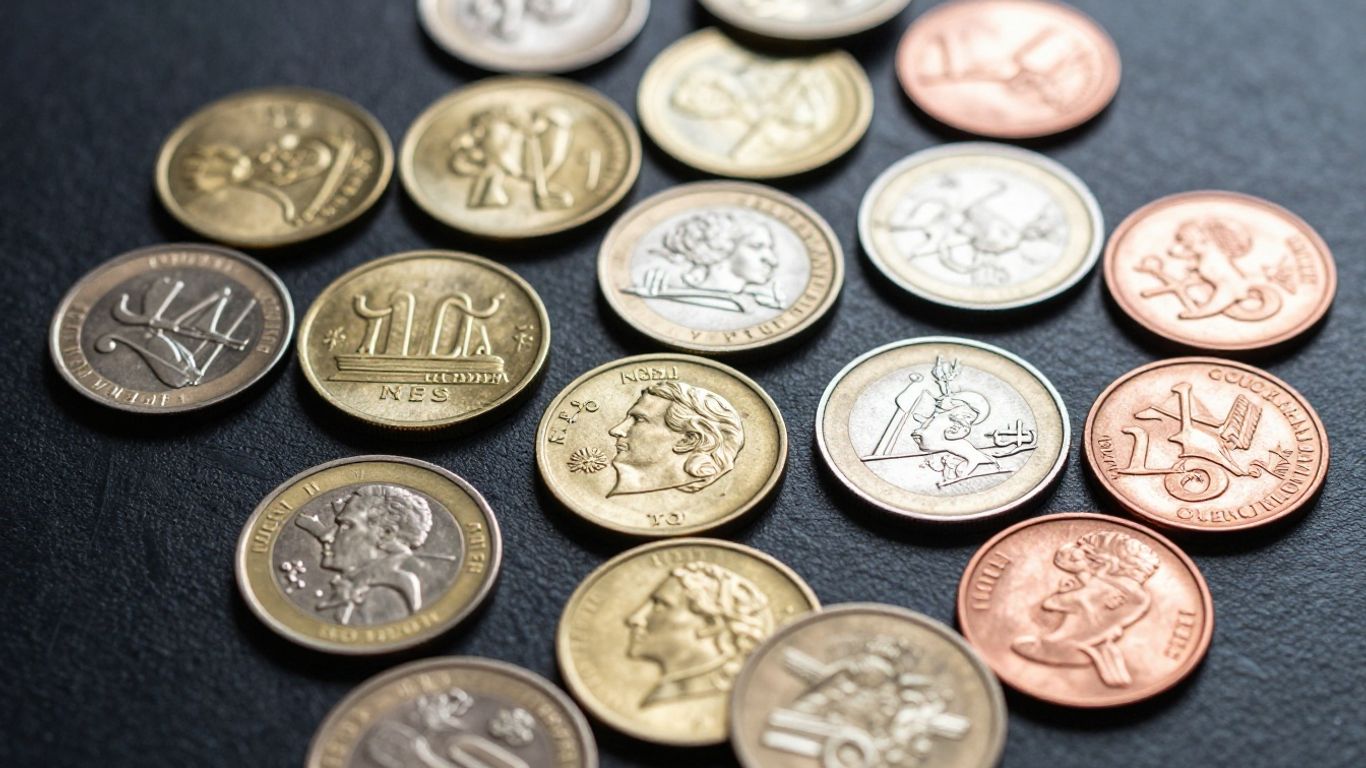
So, you’ve decided it’s time to sell some of your coin collection here in San Antonio. It might feel like a big step, but breaking it down makes it much more manageable. The main goal is to get a fair price for your coins without a lot of fuss. Here’s a look at what you can generally expect when you decide to sell.
In-Person Appraisals
For many people, the most straightforward way to start is by taking your coins directly to a local coin dealer in San Antonio. This allows for a hands-on evaluation. You can bring your coins in, have them looked over by an expert, and often get an offer right then and there. It’s a good chance to ask questions and get a feel for the dealer’s knowledge and how they operate.
The Selling Process Explained
Selling your coins typically involves a few key steps. It’s not usually a complicated process, especially if you’re working with a reputable buyer.
- Initial Evaluation: A buyer will examine your coins. This might be done in person at their shop or, for larger collections, they might come to you.
- Offer Presentation: Based on their evaluation, the buyer will present you with an offer. This offer considers factors like the coin’s metal content, rarity, condition, and current market demand.
- Negotiation: You have the opportunity to discuss the offer. It’s wise to have done some research beforehand to know what your coins might be worth.
- Transaction: If you accept the offer, the sale is finalized. Payment is then made, and the coins become the property of the buyer.
It’s generally advised not to clean your coins yourself before selling. Sometimes, cleaning can actually reduce a coin’s value. It’s often best to let the professionals handle any cleaning or assessment of condition.
Wrapping Up Your San Antonio Coin Sale
Once you’ve agreed on a price and finalized the sale, the transaction is complete. Payment methods can vary. For smaller amounts, cash is common. For larger sales, you might consider a check or a wire transfer for security and speed. Always make sure you understand the payment terms before you agree to sell. A good buyer will be clear about how and when you’ll be paid.
Here’s a quick look at common payment options:
- Cash: Immediate, but best for smaller amounts.
- Check: Standard, but may take a few days to clear.
- Wire Transfer: Secure and fast for larger sums, though bank fees may apply.
The most important thing is to feel comfortable and confident with the buyer and the process.
Getting the Best Value for Your Coins
When it comes time to sell your coin collection here in San Antonio, you naturally want to get the most you can for it. It’s not always as simple as just finding a buyer and taking their first offer, though. There are a few things to consider that can really make a difference in the final amount you walk away with. Think of it like selling anything else of value – a little preparation and knowing what you’re doing goes a long way.
Negotiating Your Best Price
Negotiating is a part of selling, and with coins, it’s no different. You’ve done your homework, you know what you have, and you’re ready to talk numbers. Don’t be afraid to discuss the offer you receive. A good buyer will expect some back-and-forth, especially if you have a well-researched collection. Remember, they are in business to make a profit, but you are there to get a fair price for your items.
- Know your coins’ worth: Before you even talk to a buyer, get an idea of what your coins are worth. This means looking at recent sales of similar items and understanding their condition.
- Be polite but firm: State your case clearly and calmly. If you have documentation or appraisals, have them ready to show.
- Consider multiple offers: Don’t feel pressured to accept the first offer. Getting quotes from a few different reputable dealers gives you a strong position to negotiate from.
Competitive Offers
To truly get the best value, you need to see what the market is willing to pay. This means shopping around a bit. Different buyers might specialize in different types of coins or have different overheads, leading to varied offers. It’s not just about the highest number; it’s about the most reliable and fair offer for your specific collection.
Here’s a look at how offers might stack up:
| Buyer Type | Potential Offer Range (Relative) | Notes |
|---|---|---|
| Local Coin Shop | Moderate to Good | Convenient, often quick payment. |
| Online Dealer | Good to Very Good | Wider reach, may take longer for appraisal. |
| Auction House | Variable (Can be High) | Fees apply, dependent on bidding interest. |
| Private Collector | Can be Very High | Requires finding the right buyer. |
Understanding Market Value Ranges
Coin values aren’t static. They shift based on many factors, including the metal prices, collector demand, and the coin’s condition. What a coin is worth today might be different next month. It’s important to understand that there isn’t always one single "price" for a coin, but rather a range. This range is influenced by:
- Rarity: How many of these coins were made and how many are still around?
- Condition: Is the coin in mint condition, or does it show signs of wear?
- Demand: Are collectors actively looking for this particular coin right now?
- Historical Significance: Does the coin represent a notable event or time period?
When you’re looking at what your coins might fetch, remember that the price you see in a catalog or online is often a high-end estimate. The actual amount you receive will depend on the buyer’s assessment, their profit margin, and the current market conditions at the moment of sale. It’s wise to aim for a price within a realistic range rather than holding out for an unlikely top figure.
Specialized Coin Collections in San Antonio
When it comes to selling coins, not every collection is made up of standard silver dollars and gold pieces. Some folks in San Antonio have specialized collections—counterstamped coins, hobo nickels, or personal items like love tokens—that require a bit more know-how to sell. If you’ve found yourself staring at a box of coins that look a little out of the ordinary, you’ll want to know exactly how and where to find the right buyers.
Where to Sell Counterstamped Coins
Counterstamped coins have some sort of extra marking or stamp that’s not part of the original minting. These markings might have been added for advertising, by private individuals, or for a special event. The tricky part is that not all buyers understand what makes a counterstamped coin different from regular change in your pocket.
- Look for local dealers familiar with numismatic oddities.
- Make sure they can tell you about the history behind the counterstamp.
- Ask for a clear explanation of how they arrived at their offer for your piece.
San Antonio has a handful of knowledgeable specialists who see these coins regularly. You might try retail shops near the city, like Great Southern Coins, where buyers are familiar with a wide variety of collectibles.
Getting the story behind your counterstamped coin can help raise its appeal to buyers. Don’t hesitate to share any details you know during your appraisal.
Selling Hobo Nickels
These are coins (usually nickels) that have been carefully carved with a new design—sometimes a face, an animal, or a scene. Hobo nickels are collectible folk art, and in the right market, they can fetch impressive prices.
If you’re ready to sell:
- Gather any history or provenance about the nickel or the artist.
- Have your hobo nickels evaluated by someone who specializes in or appreciates coin art.
- Ask if the dealer or shop has a following of collectors looking for hobo nickels specifically.
A typical hobo nickel’s value depends on:
| Carving Quality | Subject Matter | Artist Known | Price Range (USD) |
|---|---|---|---|
| High | Unique/rare | Yes | $100 – $1,000+ |
| Moderate | Common | No | $20 – $200 |
| Simple | Generic | No | $5 – $50 |
A buyer who understands this niche will usually offer more than a general coin dealer.
Where to Sell Love Tokens
Love tokens started out as standard coins that were smoothed down on one or both sides and hand-engraved—often with initials, names, or short messages. They make a unique keepsake, and collectors often seek specific styles, dates, or engravings.
Best practices for selling love tokens in San Antonio:
- Work with dealers or shops openly interested in vintage or sentimental jewelry.
- Present any story behind the piece—who it belonged to, if known, or the occasion for its creation.
- Compare a few offers; some buyers pay more if the engraving is rare or especially detailed.
Older love tokens from the 19th or early 20th century tend to catch the attention of serious collectors. A bit of patience and the right audience can make a big difference when it’s time to sell specialized coin items.
Beyond Traditional Coins: Other Collectibles
When we talk about coin collecting, we often picture the familiar quarters, dimes, and dollars. But the world of numismatics extends far beyond these common items. Many collections include pieces that don’t fit the standard mold, such as fractional currency or obsolete currency. These items, while perhaps less common, can hold significant historical interest and market appeal.
Finding Fractional Currency Buyers
Fractional currency, also known as "shinplasters," was issued by the U.S. government during the Civil War when coins were scarce. These small-denomination notes, ranging from three to fifty cents, were a necessary part of commerce. Today, collectors seek them for their historical context and unique designs. When looking to sell your fractional currency, it’s important to find buyers who understand their specific market. Factors influencing their worth include:
- Condition: The state of preservation is key. Notes that are crisp and free from tears or heavy folds are generally more desirable.
- Rarity: Some denominations or series of fractional currency were printed in smaller quantities than others.
- Historical Significance: Notes associated with specific events or individuals can command higher prices.
It’s wise to research potential buyers and ask about their experience with this type of currency. You might find that specialized dealers or auction houses are your best bet for getting a fair price.
Where to Sell Obsolete Currency
Obsolete currency refers to paper money issued by private banks, states, or territories before the establishment of a uniform national currency. This type of currency offers a fascinating glimpse into America’s financial past, with notes often featuring elaborate artwork and local imagery. Selling obsolete currency requires an understanding of its historical context and rarity. The value isn’t just in the paper; it’s in the story it tells.
When evaluating obsolete currency, consider these points:
- Issuing Authority: Was it a state bank, a private institution, or a territorial government?
- Design and Imagery: Unique or artistic designs can increase collector interest.
- Survival Rate: How many examples of this particular note are known to still exist?
Finding a buyer who appreciates the historical nuances of obsolete currency is important. You can explore options like coin shops near San Antonio that may handle a broader range of numismatic items, or look for dealers specializing in paper money.
Selling these less common forms of currency can sometimes feel like a puzzle. It’s not always as straightforward as selling a common silver dollar. However, with a bit of research and the right approach, you can connect with buyers who recognize the unique appeal and historical weight these items carry. Don’t underestimate their potential worth just because they aren’t traditional coins.
Choosing the Right Buyer for Your Collection
When it comes time to sell your coin collection in San Antonio, who you choose to sell to can shape your whole experience. A good buyer will not only know coins, but also treat you with respect and make the process feel less stressful. Let’s break down what to look for so you can make the right choice for your collection.
Expertise and Integrity of Buyers
A knowledgeable and trustworthy buyer will make your experience much smoother.
- Check their experience with your types of coins (like rare U.S. coins, commemoratives, or so-called dollars).
- See if they’re part of any professional numismatic groups, or hold certifications.
- Ask how they determine value and if they welcome questions—that’s usually a good sign.
- Watch for transparency; a solid buyer will go over their process and pricing, not hide details.
It’s always a bit nerve-wracking to hand over something with sentimental or financial value, but finding an honest buyer means you’re less likely to regret your decision.
Customer Satisfaction
To get a sense of a buyer’s reputation, look at:
- Online reviews on platforms like Google or dealer-specific forums.
- References, which good buyers should be able to provide.
- Clear communication about what to expect and timelines for each step.
A positive track record means past sellers felt informed and respected. Buyers who put effort into making things easy—offering flexible meeting times, careful packaging for shipped items, and willingness to answer questions—tend to care about their customers, not just the transaction.
Payment Options for Your Sale
Reliable buyers in San Antonio usually offer a variety of ways to pay. Here’s a quick comparison:
| Payment Method | Speed | Security | Notes |
|---|---|---|---|
| Cash | Immediate | High (in-person) | Ideal for quick, local sales |
| Check | 1–5 business days | Medium | Good for large transactions |
| Bank Transfer | Same/next day | High | Requires sharing account info |
| Digital Payment | Same/next day | Varies | E.g., PayPal, may have fees |
- Ask upfront about payment methods and when you’ll actually receive your money.
- Some buyers offer immediate payment while others (especially online) may need an extra day or two.
- For collections with higher value, focus more on track record and safe payment than just speed.
You want peace of mind as you finalize your sale, so don’t be shy about asking each potential buyer which payment options they can offer, and if there are any conditions or processing times.
Maximizing Your Coin Inventory Value
When it comes time to sell your coin collection here in San Antonio, you want to make sure you’re getting the most you possibly can for it. It’s not just about the metal content, though that’s a piece of the puzzle. There are a few things that really make a difference in what your coins are worth to a buyer.
Finding the Best Coin Sorting Services
Before you even think about showing your coins to a buyer, it’s a good idea to get them organized. This doesn’t mean cleaning them – please don’t clean your coins, as that can actually hurt their value. What you want to do is sort them. Grouping your coins by type, date, or even by mint mark can make a big difference. If you have a large collection, especially one you inherited, sorting can feel like a huge task. That’s where professional sorting services come in. They can help you get your collection into a logical order, identify key pieces, and prepare it for appraisal. This organization makes it much easier for potential buyers to see what you have and can lead to a better offer.
Setting a Date for Coin Collecting Completion
Having a clear end date for your collecting efforts can help you focus on what you have and what you want to achieve. It gives you a target for when you might want to start thinking about selling. This isn’t about stopping your hobby, but rather about deciding when you’re ready to potentially cash in on your efforts. Knowing when you plan to finish your collecting can also help you avoid overspending on new acquisitions if your goal is to sell in the near future. It provides a natural point to reassess your collection’s value and marketability.
Selling Your Entire Coin Portfolio
Sometimes, the best way to maximize your return is to sell your collection as a whole rather than piece by piece. Selling individual coins can be time-consuming, and you might not get the best price for each item. A buyer looking to acquire a complete collection might offer a premium for the convenience and the completeness of your holdings. This approach can simplify the selling process and potentially yield a higher overall amount, especially if your collection has thematic consistency or includes many related items. It’s a way to present a unified package to interested buyers.
The true worth of a coin collection is a blend of its metal content, its rarity, its condition, and how much collectors want it. Understanding these elements is key to getting a fair price when you decide to sell.
Final Thoughts on Your Coin Collection
So, we’ve covered a lot about managing your coins here in San Antonio. It can seem like a lot at first, figuring out what you have and where to sell it. But really, it’s about finding the right people who know coins and will give you a fair deal. Whether you’re sorting through old pocket change or have a collection passed down through the family, taking the time to understand its worth is a good idea. Don’t be afraid to ask questions and do a little looking around before you decide. Happy collecting, and happy selling!
Frequently Asked Questions
What exactly are 'so-called dollars'?
‘So-called dollars’ are special coins that look like regular U.S. dollars but weren’t made by the government as money. Think of them more like special tokens or medals that celebrate events, places, or important people. They can be interesting to collect because they’re like little pieces of history.
How can I find out how much my coins are worth in San Antonio?
To find out what your coins are worth, you should look for coin experts or dealers in the San Antonio area. They can examine your coins and tell you their current market value. Bringing your coins to them for a professional look is a great way to get a clear idea of their worth.
Do coin buyers in San Antonio purchase silver coins?
Yes, coin buyers in San Antonio are definitely interested in buying silver coins. This includes items like silver dollars, silver bars, and other collectibles made of silver. They usually pay based on the current price of silver, ensuring you get a fair deal for the metal content.
What makes a coin valuable?
A coin’s value comes from a couple of things. First, there’s the metal it’s made of, like gold or silver. Second, there’s its collector value, which depends on how rare it is, how many people want it, its condition (how well-preserved it is), and its history.
How are coins graded, and why is it important?
Coins are graded based on their condition, from perfect to worn out. Professional services check coins and give them a score. This grade is super important because it greatly affects how much money a coin can be sold for.
Should I clean my coins before selling them?
It’s generally best not to clean your coins yourself before selling them. Sometimes, cleaning can accidentally damage the coin’s surface and actually lower its value. It’s usually better to let the coin buyer handle any professional cleaning or evaluation.
Where is a good place to sell a whole collection of coins in San Antonio?
If you have an entire coin collection to sell, some buyers in San Antonio specialize in buying whole collections. They can offer a fair price for everything at once, which is often easier than selling coins one by one. Experts in the area can help with these types of sales.
What should I look for in a coin buyer?
When choosing a coin buyer, look for someone who is knowledgeable about coins, honest, and has a good reputation. They should be clear about how they appraise coins and offer fair prices. Checking reviews or asking for references can help you find a trustworthy buyer who will make the selling process smooth.