
So, you’ve got some old coins lying around, or maybe you’re thinking about getting into collecting them. It can seem a little confusing at first, especially when people start talking about grades and numbers. Basically, there’s this whole system, the mint state coin grading scale, that helps everyone figure out just how good a coin’s condition is. It’s not just about whether it’s old; it’s about how well it’s held up over time. This guide will break down that scale and what it all means for valuing and understanding your coins.
Key Takeaways
- The Sheldon scale, from 1 to 70, is the standard for grading coins, with higher numbers meaning better condition.
- Mint State (MS) grades, from 60 to 70, indicate coins that haven’t been used for regular money and look nearly perfect.
- Factors like how well the coin was made (strike), its surface condition, and its natural shine (luster) are looked at closely.
- Professional grading services like PCGS and NGC help confirm a coin’s grade, making it easier to buy and sell.
- Learning to grade coins yourself takes practice and the right tools, but it helps you make smarter collecting choices.
Understanding The Sheldon Coin Grading Scale
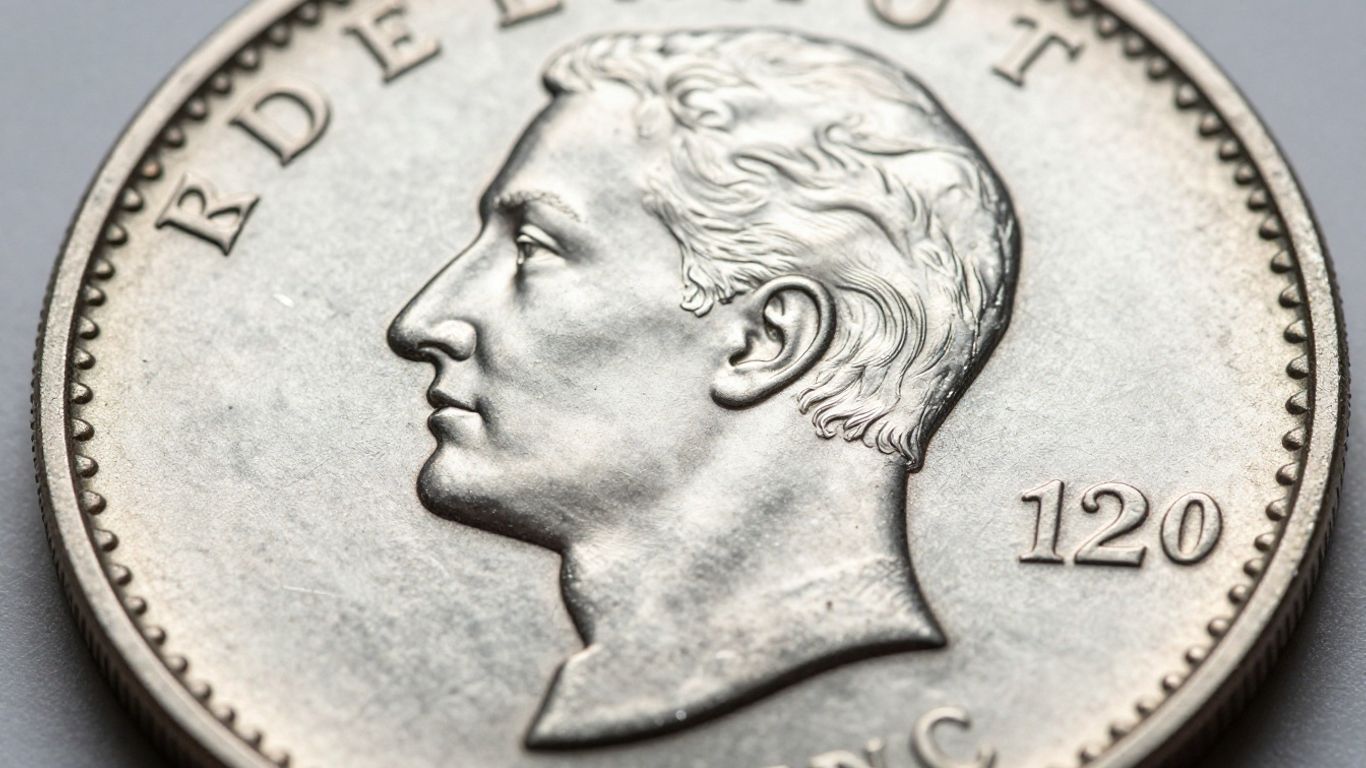
The Foundation Of Coin Valuation
Before you can really get into collecting coins, you need to know how they’re judged. That’s where the Sheldon scale comes in. It’s basically the universal language for talking about a coin’s condition. Think of it like a report card for your coin, telling you how well it held up over time. This scale, developed way back in the 1940s, gives us a way to put a number on a coin’s state, which is super important for figuring out what it’s worth. Without it, buying and selling coins would be a total guessing game.
Numerical Ranges And Their Meanings
The Sheldon scale runs from 1 to 70. It’s not just random numbers; each range tells you something specific about the coin’s wear and tear. The lower numbers, like 1 to 10, are for coins that are pretty beat up, maybe just showing the basic outline of the design. As you move up, say into the 40s and 50s, you’re looking at coins that have seen some circulation but still have a good amount of detail. The top end, 60 to 70, is where the really nice stuff is – coins that look like they just came from the mint. The difference between a 65 and a 67 can mean a huge jump in value.
Here’s a quick look at the general ranges:
- 1-10 (Poor to Fair): Heavy wear, minimal detail.
- 11-35 (Good to Very Fine): Moderate to significant wear, but key design elements are visible.
- 40-58 (Extremely Fine to About Uncirculated): Light wear, most details sharp, original luster often present.
- 60-70 (Mint State to Proof): Uncirculated or specially struck, with little to no wear.
Distinguishing Mint State From Proof
This is a common point of confusion for beginners. ‘Mint State’ (MS) coins are basically uncirculated coins that were made for everyday use. They might have been handled a bit at the mint or during transport, but they weren’t meant for collectors specifically. Proof coins, on the other hand, are made using special techniques. They’re usually struck multiple times with polished dies on specially prepared planchets, giving them a mirror-like finish and frosted design. They are made for collectors, not for spending. So, while both can look amazing, their production method and intended purpose are quite different. Knowing this difference is key to understanding coin value and collecting focus. A Proof coin has a very different appeal and market than a Mint State coin of the same year and denomination.
Key Factors In Coin Condition Assessment
When you’re looking at a coin, especially one you’re thinking of buying or selling, a few things really stand out. These aren’t just random details; they’re the building blocks of how a coin is graded and, ultimately, what it’s worth. Think of it like inspecting a car before you buy it – you check the engine, the paint, the interior. With coins, it’s similar, but we’re looking at different aspects.
Evaluating The Coin's Strike
The strike refers to how well the coin’s design was impressed onto the metal blank by the minting machinery. A strong strike means all the fine details of the design are sharp and clear. A weak strike, on the other hand, can leave some areas looking soft or mushy, especially on high points like a president’s hair or the lettering. This is something you can often see even without magnification. A coin with a bold, sharp strike generally looks better and is more desirable.
Preservation Of Surface Qualities
This is where you look for any imperfections on the coin’s surface. We’re talking about things like scratches, nicks, or bag marks (small dents from coins bumping into each other in a bag at the mint or during transport). The fewer of these marks, and the less severe they are, the better the coin’s condition. Grading services look closely at these, and they can significantly impact a coin’s grade. For instance, a coin might have a beautiful design and great luster, but if it’s covered in noticeable scratches, its grade will suffer.
The Role Of Luster And Toning
Luster is that original mint shine, the way light reflects off the coin’s surface. It’s a sign that the coin hasn’t been handled much or cleaned. Different coins have different types of luster, but generally, strong, vibrant luster is a positive attribute. Toning is the natural discoloration that can occur over time due to the coin’s environment. While some collectors dislike toning, others find certain colors and patterns attractive, adding character. The key is whether the toning is natural and appealing, or if it looks artificial or detracts from the coin’s appearance.
Assessing Eye Appeal
Eye appeal is a bit more subjective, but it’s incredibly important. It’s that overall impression a coin makes on you. Does it look pleasing? Does the strike, luster, toning, and surface condition all come together to create an attractive piece? A coin with great eye appeal can sometimes be worth more than a similar coin with a slightly higher technical grade but poor eye appeal. It’s the combination of all the factors that makes a coin truly stand out to collectors. Learning to spot these elements will help you understand coin grades better.
Navigating The Mint State Coin Grading Scale
Defining Mint State (MS)
Mint State (MS) coins are essentially uncirculated. This means they haven’t been used in everyday commerce. Think of them as coins that left the mint and went straight into a collector’s album or a bank’s vault, never seeing the inside of a cash register or a pocket. The Sheldon scale uses numbers 60 through 70 to describe these coins. A coin graded MS-60 is the lowest Mint State grade, showing it’s uncirculated but might have some noticeable issues. As you move up the scale, the coins get better. An MS-70 coin is considered perfect, with no visible flaws even under magnification.
The Nuances Of MS 69 Versus MS 70
This is where things get really interesting for collectors. The difference between an MS-69 and an MS-70 coin can be huge in terms of value, even though visually, they might look almost identical to the untrained eye. An MS-69 coin is described as "nearly flawless." It might have a tiny, insignificant mark or a slight imperfection in the luster that you’d need a magnifying glass to spot. An MS-70, on the other hand, is truly perfect. No marks, no hairlines, just pure, unblemished beauty straight from the mint. Achieving a perfect MS-70 grade is incredibly rare, which is why these coins command such high prices. It’s this tiny gap between "almost perfect" and "absolutely perfect" that creates a significant market distinction.
Understanding Grades Below Mint State
While Mint State grades are the top tier, understanding what comes below is also important. Coins that show any signs of wear from circulation fall into lower categories. These include grades like About Uncirculated (AU), Extremely Fine (XF), Very Fine (VF), and so on, all the way down to Poor (P-1). Each of these grades has numerical sub-grades that further refine the coin’s condition. For example, an AU-58 coin is very close to being uncirculated, showing only the faintest hint of wear on its highest points. Conversely, a coin graded Fine (F-12) or lower has seen significant circulation, with much of its original detail worn away. Knowing these lower grades helps you appreciate just how special a Mint State coin truly is and why its condition is so highly prized. It’s all about preserving that original mint luster and detail, which is what collectors are really after when they look for uncirculated coins.
The Sheldon scale, from 1 to 70, is the standard for grading coins. Higher numbers mean better condition. Mint State (MS) grades are for coins that have never been used in commerce. The difference between MS-69 and MS-70 is significant, with MS-70 being a perfect coin. Grades below MS-60 indicate coins that have been circulated to varying degrees.
The Importance Of Professional Coin Grading
When Professional Grading Becomes Essential
Not every coin needs to be sent off for professional grading. It’s a service that costs money, after all. But for certain coins, it’s a really smart move. Think about it: if you have a coin that’s pretty rare, or in absolutely amazing condition, getting it graded can really make a difference in what it’s worth. It’s especially helpful for coins that might be worth over $500 even before grading. A professional opinion can confirm its quality and authenticity, which buyers really like. It’s like getting a seal of approval that says, "Yep, this coin is the real deal and it’s in great shape." This kind of verification helps a lot when you’re trying to sell.
Enhancing Credibility And Marketability
Sending your coins to a professional grading service does more than just get you a number. It adds a layer of trust. When a coin is in a sealed holder with a grade from a well-known company, people feel more confident buying it. This is because these services have strict standards and experts who know their stuff. It makes the coin easier to sell, and often, you can get a better price for it. For example, NGC coin grading is known for boosting a coin’s appeal and making transactions smoother because buyers trust their assessments. It’s a way to make your collection stand out and be taken more seriously in the market.
Protecting Your Numismatic Investments
Professional grading offers a good way to protect your coins. The coins are usually put in a special, tamper-evident holder. This keeps them safe from damage and also makes it harder for anyone to swap out the coin for a different one. This protection is a big deal, especially for valuable coins. It’s not just about the grade; it’s about having a secure package that shows the coin’s condition and authenticity. Graded coins offer protection for the physical coin and act as a guarantee of its condition and authenticity, which is great for investors.
The process of professional grading involves a team of experts who meticulously examine each coin. They look at the strike, surface preservation, luster, and eye appeal, assigning a grade on the Sheldon scale. This standardized approach removes much of the guesswork for potential buyers and sellers, creating a more transparent market.
Top Professional Coin Grading Services
When you’ve got a coin that you think might be special, or maybe you’re just looking to get a solid, objective opinion on its condition, sending it off to a professional grading service is often the way to go. These outfits have experts who look at your coin under magnification and give it a grade based on established standards. It’s a big deal because a good grade can really make a coin more desirable to collectors and, often, more valuable.
There are a few big names in the business that most collectors trust. They’ve been around for a while and have built up a reputation for being fair and consistent. Getting a coin graded by one of these services adds a layer of confidence for potential buyers.
Professional Coin Grading Service (PCGS)
PCGS is one of the most well-known grading companies out there. They’re known for having pretty strict grading standards, which a lot of people like because it means their graded coins are generally well-regarded in the market. They’ve been around since the mid-1980s and have graded millions of coins. When you send a coin to PCGS, they authenticate it, grade it, and then seal it in a special holder with a label that shows the grade and other details. This holder is designed to protect the coin and also makes it harder to tamper with.
Numismatic Guaranty Company (NGC)
NGC is another major player in the professional grading world. They also have a long history and are respected for their consistent grading. Many collectors appreciate their holders, which are often seen as quite attractive. NGC offers a range of services, including grading, authentication, and sometimes even coin conservation if a coin needs a little help to preserve its condition. They have a global presence and are a go-to for many collectors worldwide.
American Numismatic Association Certification Service (ANACS)
ANACS is actually the longest-running U.S. coin grading company. They’ve been in operation for a long time, and while they might not have the same market share as PCGS or NGC, they are still a reputable service. ANACS is often seen as a more affordable option, which can be a good thing if you’re grading a lot of coins or coins that aren’t necessarily high-value but you still want them authenticated and graded. They provide grading and authentication services, and their labels are also quite informative.
When you’re deciding which service to use, it’s worth looking into their specific policies and seeing which one best fits your needs and the type of coins you have. Each has its own strengths, and what works for one collector might be slightly different for another.
Developing Your Own Grading Expertise
Learning to grade coins yourself is a big step in becoming a more confident collector. It’s not just about knowing the numbers; it’s about developing a sharp eye for detail. Think of it like learning to spot a fake designer bag versus a real one – you start to see the subtle differences that matter. While you won’t replace professional services for your most prized possessions, being able to grade coins yourself helps you make smarter buying decisions and understand what you’re looking at. It’s a skill that grows over time, kind of like learning to cook – you start with simple recipes and gradually get better.
Essential Learning Approaches
Getting good at grading coins is a mix of study and practice. It’s not something you pick up overnight. You need to look at a lot of coins, compare them, and read up on what makes them tick. It’s a bit like being a detective, piecing together clues about a coin’s history and condition.
- Systematic Study: Start by learning the basic grading standards. Understand what wear looks like on different parts of a coin and how luster should appear.
- Hands-On Practice: The best way to learn is by doing. Get your hands on as many coins as you can, from common circulated pieces to higher-grade examples.
- Comparison: Always compare coins side-by-side. Look at two coins that are supposed to be the same grade and see if you can spot the differences. Then, compare coins that are one grade apart.
Developing your own grading skills is a journey. It requires patience and a willingness to learn from mistakes. Don’t get discouraged if you misjudge a coin’s grade initially; that’s part of the learning process. The more you practice, the better your eye will become.
Leveraging Reference Materials
Good resources are your best friends when you’re learning to grade. You can’t just guess; you need reliable information to back up your observations. Think of these as your textbooks for coin grading.
- Price Guides and Books: Publications like the official Red Book (A Guide Book of United States Coins) offer detailed information on coin series, including grading standards and photos.
- Professional Grading Service Websites: Sites like PCGS and NGC have extensive photo grades and educational sections that show coins at various grade levels. This is a fantastic way to see what a specific grade looks like in reality.
- Series-Specific Guides: For collectors focused on a particular type of coin (like Morgan dollars or Lincoln cents), there are often specialized books that go into great detail about grading that specific series. This can be very helpful for understanding nuances unique to certain coins.
Gaining Hands-On Experience
Reading about grading is one thing, but actually doing it is another. You need to get comfortable handling coins and making judgments. This is where your skills really start to sharpen.
- Study Graded Coins: Look at coins that have already been graded by a professional service. Pay attention to why they received the grade they did. Try to find examples of coins that are just one point apart in grade (e.g., MS-65 vs. MS-66) and note the differences.
- Attend Coin Shows: Coin shows are great places to see a wide variety of coins and talk to dealers. You can often find raw (ungraded) coins and practice assessing them. Just be careful not to buy everything you look at!
- Build a Reference Collection: As you acquire coins, try to get examples that represent different grade levels for a particular series. This allows you to compare them easily at home. This is a great way to build your own collection.
Necessary Equipment For Self-Grading
You don’t need a fancy lab to start grading, but a few basic tools make a big difference. Having the right setup helps you see details you’d otherwise miss.
- Good Lighting: Natural daylight is best, but a good quality LED lamp can also work. You need bright, even light that doesn’t create harsh shadows.
- Magnification: A 5x to 10x magnifying glass or loupe is essential. This allows you to see the fine details, like hairlines or small marks, that determine a coin’s grade. Some collectors use a stereo microscope for even more detail.
- Soft Handling Tools: Always handle coins by their edges to avoid adding fingerprints or scratches. Cotton gloves or a soft coin holder can help protect the coin while you examine it.
Special Considerations In Coin Grading
Identifying Mint Error Coins
Sometimes, coins aren’t perfect right from the mint. These are called mint errors, and they happen when something goes wrong during the striking process. Think of things like a coin being struck off-center, having a double strike, or even being made with the wrong metal. These errors can actually make a coin more interesting and, often, more valuable to collectors. Figuring out if a coin has an error and how significant that error is requires a close look. It’s not just about the overall condition anymore; it’s about the specific mistake that happened. Some errors are common, while others are incredibly rare, which really affects their price. It’s a whole different ballgame than just looking at wear and tear.
Addressing Surface Problems
Coins can develop issues on their surface over time, or sometimes they come from the mint with them. Things like scratches, nicks, or even damage from being in the ground for a long time can affect how a coin looks and is graded. Cleaning a coin, even with the best intentions, is a big no-no in the grading world because it almost always lowers the coin’s grade and value. Professional grading services have specific ways to handle coins with these kinds of problems. They might give the coin a
The Practicalities Of Coin Grading Services
So, you’ve got a coin you think might be pretty special, and you’re wondering about getting it officially graded. It’s a big step, and honestly, it comes with its own set of considerations. It’s not just about sending your coin off into the void and hoping for the best. There are real costs, time involved, and different companies to choose from, each with their own way of doing things.
Understanding Grading Fees
When you send a coin off for grading, there’s a fee involved. This isn’t a one-size-fits-all situation, though. The cost usually depends on a few things. First, the declared value of the coin plays a big role. If you think your coin is worth a lot, the grading fee will likely be higher. Then there’s the type of coin and how quickly you want it back. Some services offer faster turnaround times for an extra charge, which can be handy if you’re eager to get your coin back on the market or into your collection.
Here’s a general idea of what influences the cost:
- Declared Value: Higher perceived value means higher fees.
- Service Level: Standard vs. expedited turnaround times.
- Coin Type: Some rare or unusual coins might have specific pricing.
- Membership: Sometimes, being a member of a grading service or a numismatic organization can get you a discount.
It’s always a good idea to check the specific pricing charts on the grading company’s website before you send anything in. You don’t want any surprises.
Turnaround Times For Services
This is where patience really comes into play. Getting a coin graded isn’t usually an overnight process. The time it takes can vary quite a bit, from a few weeks to several months. Factors like the current volume of submissions, the complexity of the coin, and the service level you choose all affect the turnaround time. If you’re in a hurry, you might need to pay extra for a faster service, but even then, it’s not instantaneous. For very high-value or time-sensitive submissions, some services offer "super express" options, but these come at a significant premium.
Comparing Grading Company Offerings
When you look into professional coin grading, you’ll quickly find there are a few big names that pop up repeatedly. Companies like PCGS and NGC are probably the most well-known. Each has its own reputation, grading standards, and specific services. Some might be known for being a bit tougher on their grading, while others might have a broader international reach. It’s worth looking into what each company offers in terms of:
- Grading Standards: Do they align with what you expect?
- Holder Types: The plastic case your coin comes back in can vary.
- Re-holder Services: If you have a coin in an older holder, you might want to transfer it.
- Bulk Submissions: If you have many coins, there are often special rates.
Ultimately, choosing a grading service often comes down to personal preference, the specific coin you’re submitting, and what you plan to do with it afterward. The Sheldon Scale is the standard, but how strictly it’s applied can differ slightly between services.
Deciding whether to use a professional grading service involves weighing the costs against the potential benefits. For common coins or those with minimal value, the expense might not be justified. However, for rare, high-grade, or potentially valuable coins, professional grading can authenticate the item, provide a standardized assessment, and significantly increase its marketability and buyer confidence.
Market Demand And Coin Value
So, you’ve got a coin, you’ve figured out its grade, and now you’re wondering what it’s actually worth. Well, it’s not just about the grade, is it? There are other big players in the game, and one of the most important ones is market demand. Think of it like this: a super rare coin might be technically perfect, but if nobody really wants it, its price isn’t going to skyrocket. On the flip side, a coin that’s a bit more common but incredibly popular with collectors can fetch a pretty penny.
How Rarity Influences Value
Rarity is pretty straightforward. The fewer of something there are, the more people are usually willing to pay for it. This applies to coins in a big way. A coin with a low mintage number, meaning the mint only produced a small quantity of them, is naturally going to be more sought after than one that was churned out by the millions. This scarcity is a major driver for collectors who want to own something unique or hard to find. It’s why certain dates and mint marks of otherwise common series can be worth a fortune. The less common a coin is, the higher its potential value, assuming there’s interest.
The Impact Of Collector Interest
Collector interest is where things get really interesting, and sometimes a bit unpredictable. What’s hot today might not be tomorrow, but certain series or types of coins have a consistent following. Think about classic American coins, or coins with significant historical ties. When a lot of people want the same type of coin, prices tend to go up, plain and simple. This demand can be influenced by trends, marketing, or even just a resurgence of interest in a particular historical period. Sometimes, a coin’s grade can make a big difference in its desirability; even small improvements in perceived quality can significantly impact market value [3037].
Connecting Grading To Investment Potential
So, how does grading tie into all this? Well, a professional grade gives you a standardized way to talk about a coin’s condition. This makes it easier for buyers and sellers to agree on a coin’s quality and, therefore, its price. When a coin is graded by a reputable service, it adds a layer of trust and authenticity. This is especially important for higher-value coins where counterfeit protection is a concern. A well-graded coin, particularly one that is rare and in high demand, has a much better chance of appreciating in value over time, making it a more attractive numismatic investment. It’s about combining the objective assessment of condition with the subjective, but powerful, forces of rarity and collector desire. Evaluating a coin’s quality is crucial as even minor imperfections can significantly affect its grade and value [7e96].
Ultimately, understanding the interplay between a coin’s grade, its inherent rarity, and the current level of collector interest is key to making smart decisions in the numismatic market. It’s a balancing act, but one that can be mastered with a bit of knowledge and observation.
Wrapping Up Your Grading Journey
So, we’ve gone through the whole deal with coin grading, from what it is to how those numbers actually work. It might seem like a lot at first, all those details and scales, but honestly, it just makes sense once you get into it. Knowing the difference between a coin that’s just seen some life and one that’s practically perfect helps you figure out what something’s really worth. Plus, understanding the big grading companies means you know who to trust when you’ve got something special. Keep practicing, keep looking at coins, and you’ll get the hang of it. It’s a pretty neat skill to have if you’re into collecting, and it makes buying and selling a whole lot less guesswork.
Frequently Asked Questions
What is the Sheldon Coin Grading Scale?
The Sheldon Coin Grading Scale is like a report card for coins. It uses numbers from 1 to 70 to describe how good a coin’s condition is. A score of 1 means the coin is in very bad shape, while a 70 means it’s absolutely perfect, like it just came from the mint. This scale helps everyone understand a coin’s quality and value.
What's the difference between Mint State (MS) and Proof coins?
Mint State (MS) coins are coins that were made for everyday use but never actually spent. They look like they just left the factory. Proof coins, on the other hand, are special coins made for collectors. They are usually made with extra care, have shiny, mirror-like surfaces, and are often struck twice to make the details really sharp.
What does 'Mint State 70' (MS70) mean?
An MS70 coin is as close to perfect as you can get. It means the coin has no visible flaws, even when you look at it really closely with magnification. It’s the highest grade a regular, uncirculated coin can receive and shows that the coin is in absolutely flawless condition.
Why is professional coin grading important?
Getting a coin graded by experts adds a lot of trust and value. Professional graders are like judges who give a coin an official score based on its condition. This makes it easier to sell your coin because buyers know exactly what they are getting. It also helps protect your investment by verifying the coin is real and in the condition claimed.
Who are the top professional coin grading services?
The most well-known and respected professional coin grading services are PCGS (Professional Coin Grading Service) and NGC (Numismatic Guaranty Company). Another established service is ANACS (American Numismatic Association Certification Service). These companies have experts who examine coins and put them in protective holders with a grade on them.
How can I learn to grade coins myself?
Learning to grade coins takes practice! You need good lighting, a magnifying glass (like a loupe), and reference books or websites that show examples of different grades. The best way to learn is to look at many coins, compare them, and try to figure out their grade. It’s like learning to identify different types of art – the more you see, the better you get.
What are 'mint error' coins?
Mint error coins are coins that have mistakes made during the minting process. These could be things like a slightly off-center design, a doubled image, or even a piece of metal missing. Because these mistakes are rare, coins with mint errors can be very interesting and valuable to collectors.
Does grading cost money?
Yes, professional coin grading services do charge fees. The cost can vary depending on how valuable the coin is and how quickly you need it graded. While there’s a cost involved, for rare or valuable coins, the increase in value and marketability after grading often makes it a worthwhile investment.